
Few songs in the annals of music history command the immediate recognition, analytical depth, and sheer enigmatic allure of “Hotel California.” It’s more than just a track; it’s a sprawling narrative, a philosophical inquiry, and a musical masterpiece that has cemented its place in global culture. For many, the song evokes images of opulent destinations, the dark underbelly of paradise, and the eternal quest for an escape that proves elusive. Given the themes of travel, luxurious accommodations, and the often-mysterious allure of famous landmarks, understanding the origins of this iconic song perfectly aligns with the spirit of exploring the world and its stories. But who truly penned this lyrical and melodic marvel? The answer, like the song itself, is a fascinating tapestry woven by multiple talents within the legendary band, The Eagles.
The Architects of an Anthem: Unraveling the Songwriting Credits
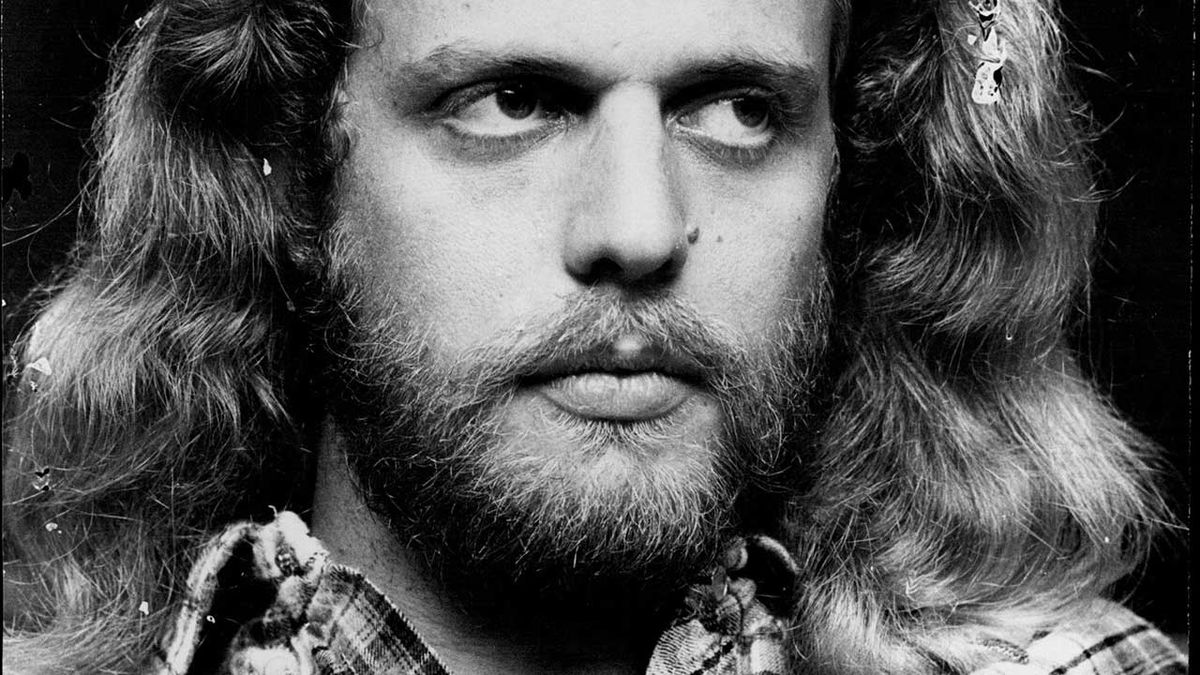
The creation of “Hotel California” was not a singular stroke of genius by one individual but rather a collaborative effort, a testament to the collective songwriting prowess that defined The Eagles during their prime. The songwriting credits are officially attributed to Don Felder (music), Don Henley (lyrics), and Glenn Frey (lyrics). This triumvirate of talent brought distinct elements to the table, culminating in a piece that transcended conventional rock anthems and became a profound commentary on the era and its discontents.
The Genesis of the Melody: Don Felder’s Instrumental Vision
The seed of “Hotel California” was sown by guitarist Don Felder. In the summer of 1975, while relaxing at a beach house in Malibu, California, Felder began to experiment with a 12-string guitar. He recorded a number of demo tracks, exploring various melodic ideas. Among these was an acoustic instrumental piece that captivated him with its blend of Spanish reggae and rock influences. This particular demo, characterized by its distinctive chord progression and haunting melody, immediately stood out.
Felder, ever the innovator, crafted an intricate arrangement, layering different guitar parts to give it a rich, textural quality. He knew he had something special, a track that could potentially be a strong contender for The Eagles’ next album. The initial demo, which he later sent to Don Henley and Glenn Frey, had a raw, evocative power. It painted an auditory picture that was both inviting and subtly unsettling, a perfect sonic backdrop for the narrative that was yet to unfold. His unique style, blending rock sensibilities with a touch of flamenco and Latin flair, provided the foundational framework upon which the lyrical masterpiece would be built. This instrumental genesis highlights how the sonic landscape of a place, in this case, the sun-drenched yet enigmatic California, can inspire a foundational melody that becomes an iconic part of music history, much like how a grand architectural design might become a landmark.
Crafting the Lyrical Labyrinth: Henley and Frey’s Poetic Contribution
Upon receiving Don Felder’s demo, Don Henley and Glenn Frey, the primary lyricists for The Eagles, immediately recognized its immense potential. They heard in Felder’s melody a perfect vehicle for the themes they wished to explore regarding the excesses and disillusionment prevalent in Los Angeles in the mid-1970s. Their collaboration on the lyrics transformed Felder’s instrumental into a profound lyrical journey.
Don Henley, in particular, took the lead in crafting the narrative, drawing heavily on his observations of the California lifestyle. The lyrics paint a vivid picture of a weary traveler, lured into a seemingly idyllic but ultimately inescapable hotel. The phrases are rich with imagery and symbolism, from “warm smell of colitas” to “pink champagne on ice,” evoking a luxurious yet morally compromised environment. Glenn Frey worked closely with Henley, refining phrases, contributing specific lines, and ensuring the narrative flowed seamlessly. Their goal was to create a metaphorical tale, using the hotel as a stand-in for the alluring yet corrupting nature of the American Dream as experienced in places like Hollywood and the wider Los Angeles area. It’s a classic example of using a specific type of accommodation, a hotel, not just as a place to stay, but as a central character in a deeply critical and reflective piece of art, mirroring how real hotels and resorts often become central to travel experiences, for better or worse.
The collaborative process was intense, with Henley and Frey meticulously sculpting each verse to build the song’s unique atmosphere of seductive dread. They imagined a scenario where a traveler, weary from a long drive through the desert, encounters a grand, enticing, yet ultimately sinister establishment. This shared vision allowed them to infuse the lyrics with layers of meaning, ensuring that “Hotel California” would resonate with listeners on multiple levels, far beyond a simple recounting of events.
More Than a Song: The Metaphorical Heart of “Hotel California”
The true genius of “Hotel California” lies not just in its memorable melody or intricate guitar work, but in its powerful metaphorical core. The song transcends a literal interpretation, becoming a sprawling allegory for the excesses of the 1970s, the dark side of the pursuit of fame and fortune, and the seductive traps of hedonism. It’s a journey into a specific lifestyle that many aspire to but few truly understand until they’re caught within its gilded cages.
The Golden State’s Dark Underbelly: California as a Character
California, particularly Los Angeles, serves as more than just a setting; it is a character in “Hotel California.” In the mid-1970s, California symbolized the ultimate destination for those seeking success, freedom, and a new way of life—the modern American Dream. However, The Eagles, having experienced the glitz and glamour firsthand, were also acutely aware of its darker facets: the superficiality, the moral compromises, the relentless pursuit of material wealth, and the loneliness that often accompanied success.
The song captures the essence of this duality. The opening lines (“On a dark desert highway, cool wind in my hair”) immediately transport the listener into a classic California road trip narrative, a journey toward the promise of Hollywood. Yet, the warmth of the “colitas” (a slang term for cannabis buds or a subtle reference to the desert flower) is quickly followed by the “darkness,” suggesting that the path to paradise is fraught with peril. The song criticizes the self-indulgence and spiritual emptiness that many found beneath the glittering surface of the Golden State. It’s a cautionary tale for any traveler lured by the promise of an exotic destination, only to discover a more complex reality beneath its glossy exterior. This deep dive into the local culture and the experience of a particular place makes the song a valuable piece for understanding tourism not just as sightseeing, but as cultural immersion, for better or for worse.
A Grand Hotel of Excess: Symbolism in the Lyrics
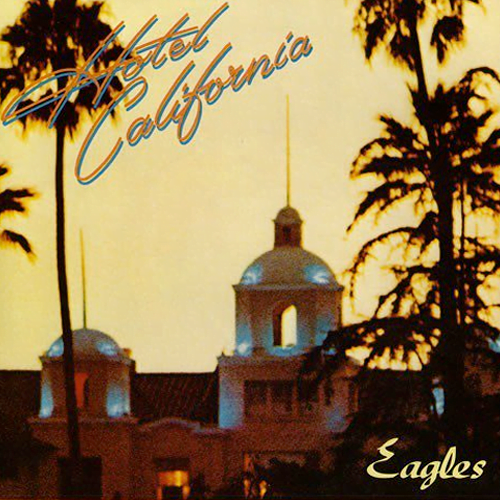
The “Hotel California” itself is the central metaphor, an edifice representing a myriad of vices and attractions. It’s not a specific, tangible hotel (though the cover art features the iconic Beverly Hills Hotel, which became an unofficial visual counterpart). Instead, it embodies the seductive yet destructive nature of the music industry, fame, drug addiction, or even a materialistic worldview. The lyrics “Mirrors on the ceiling, the pink champagne on ice” paint a picture of lavish excess, a quintessential luxury travel experience distorted by a sense of inescapable decadence.
The characters within the hotel—the “pretty, pretty boys” and the “sweet summer sweat”—represent the archetypes drawn to this lifestyle: beautiful, young, eager, and ultimately, often trapped. The line, “We haven’t had that spirit here since nineteen sixty-nine,” is particularly telling, suggesting a loss of innocence or a shift in cultural values from the idealism of the late 1960s to the disillusionment of the 1970s.
The most famous and chilling line, “You can check out any time you like, but you can never leave,” encapsulates the song’s core message. It speaks to the psychological and spiritual entrapment that can accompany the pursuit of certain lifestyles, whether it’s the grind of a demanding career, the grips of addiction, or the inescapable pressures of fame. This isn’t just about a long-term stay in a physical accommodation; it’s about a long-term state of being from which there is no easy departure. The grandeur of the hotel, its luxurious amenities, hide a profound spiritual void, making it a compelling exploration of lifestyle choices and their consequences, even in the most opulent settings.
The Enduring Legacy: Impact and Interpretation
Released in 1976 on the album of the same name, “Hotel California” quickly transcended its role as a mere track to become a cultural phenomenon. Its intricate musicality, combined with its profound lyrical depth, ensured its lasting impact on music, culture, and even the way people perceive destinations like California and Los Angeles. The song earned The Eagles a Grammy Award for Record of the Year in 1978, solidifying its critical acclaim.
A Cultural Landmark: How “Hotel California” Shaped Music and Travel Narratives
“Hotel California” is undeniably a cultural landmark in itself, influencing countless artists and shaping the narrative around the pursuit of dreams in alluring but potentially dangerous locales. It became an anthem for a generation grappling with the aftermath of the idealism of the 1960s, reflecting a cynicism about the promises of boundless freedom and prosperity. The song’s multi-layered meanings have invited endless interpretations, from literal readings about specific hotels to allegories about cults, the music industry, or even the afterlife.
Its impact on travel narratives is subtle yet profound. It added a layer of caution and introspection to the allure of exotic destinations. While a grand resort or a famous city might promise escape and luxury, “Hotel California” reminds us that every paradise has its price, and some accommodations come with hidden costs. It encourages a deeper look into the local culture and lifestyle that tourism often presents in a simplified light, pushing travelers to consider the full spectrum of experiences a place offers, beyond just its attractions. This song isn’t merely background music for a trip; it’s an experience that makes you think about the very essence of your journey.
The Iconic Guitar Solo: A Duel of Virtuosity
No discussion of “Hotel California” would be complete without revering its legendary guitar solo. Often cited as one of the greatest guitar solos of all time, it is a masterclass in melodic construction, emotional resonance, and instrumental interplay. The solo is famously a dual effort between Don Felder and Joe Walsh, showcasing their distinct yet complementary styles.
Don Felder laid down the initial structure and much of the melodic framework, his precise, lyrical playing setting the stage. Then, Joe Walsh, who had joined The Eagles in 1975, added his distinctive, more chaotic, and blues-infused flourishes. The two guitarists engaged in a harmonized “duel” at the end, creating a call-and-response effect that builds to a breathtaking climax. This interplay is a sonic representation of the song’s tension and release, the struggle between temptation and the desire for freedom.
The solo is meticulously crafted yet feels incredibly spontaneous, a testament to the musicianship of both Felder and Walsh. Its enduring popularity ensures that the song remains a staple on classic rock radio and in live performances, with the solo often eliciting cheers and standing ovations. It’s a piece of music so powerful it almost functions as its own landmark, a pinnacle of rock guitar performance that continues to inspire musicians and captivate listeners globally.
“You Can Check Out Any Time You Like…”: The Song’s Timeless Resonance
Decades after its release, “Hotel California” continues to fascinate and resonate with new generations. Its themes of aspiration, disillusionment, and the seductive nature of entrapment are timeless. Whether it’s interpreted as a critique of consumerism, the dark side of fame, or simply a captivating ghost story, the song holds up under scrutiny.
Its narrative structure, which takes the listener on a vivid, almost cinematic journey, parallels the very essence of travel and exploration. We are drawn to destinations, whether luxurious resorts or ancient landmarks, seeking experiences that promise transformation or escape. “Hotel California” serves as a musical guide, urging us to look beyond the glittering facade and consider the deeper implications of our choices and the places we inhabit, physically and metaphorically.
The collaborative genius of Don Felder, Don Henley, and Glenn Frey forged a song that is much more than a pop hit. It’s a complex, poetic, and musically sophisticated piece that captures a specific moment in cultural history while speaking to universal human experiences. It reminds us that some of the most profound stories, much like the most memorable travel experiences, are those that challenge our perceptions and leave us with a sense of wonder and lingering questions. “Hotel California” remains an evocative landmark in the landscape of music, a haunting melody that invites introspection about the journeys we undertake and the destinations, both real and imagined, from which we can check out but never truly leave. Its place in the Rock and Roll Hall of Fame is well-deserved, not just for its popularity, but for its enduring power to provoke thought and inspire discussion about the complex tapestry of life and the allure of the unknown.
LifeOutOfTheBox is a participant in the Amazon Services LLC Associates Program, an affiliate advertising program designed to provide a means for sites to earn advertising fees by advertising and linking to Amazon.com. Amazon, the Amazon logo, AmazonSupply, and the AmazonSupply logo are trademarks of Amazon.com, Inc. or its affiliates. As an Amazon Associate we earn affiliate commissions from qualifying purchases.