
California, the Golden State, conjures images of sun-drenched beaches, towering redwoods, innovation hubs in Silicon Valley, and the dazzling allure of Hollywood. It’s a land of dreams and unparalleled natural beauty, attracting millions of tourists and aspiring residents annually. From the iconic Golden Gate Bridge in San Francisco to the sprawling entertainment of Disneyland Resort in Anaheim, and the majestic peaks of Yosemite National Park, California offers an incredibly diverse array of experiences that cater to every taste and budget, though the latter often requires careful planning.
However, beneath the glamorous facade and vibrant lifestyle lies a frequently discussed reality: California’s taxes are among the highest in the United States. This often raises questions for both potential residents considering a move and visitors planning an extended stay or business venture. Why, in a state celebrated for its prosperity and innovation, does the tax burden feel so heavy? The answer is multifaceted, woven into the fabric of California’s economic structure, its progressive social policies, the sheer size and complexity of its population, and the ambitious goals it sets for its future. Understanding these factors is key to appreciating not just the cost of living or visiting, but also the extensive public services, robust infrastructure, and environmental protections that these taxes help to fund, which in turn enhance the very experiences that draw people to California.
The Intricate Web of California’s Tax Landscape
To truly grasp why California’s taxes are so high, one must delve into the various layers of its tax system. It’s not just one tax that contributes to the overall burden, but a combination of several, each with its own structure and impact. This complex system aims to generate the substantial revenue needed to manage the nation’s most populous state and its fifth-largest economy globally.
Progressive Personal Income Tax
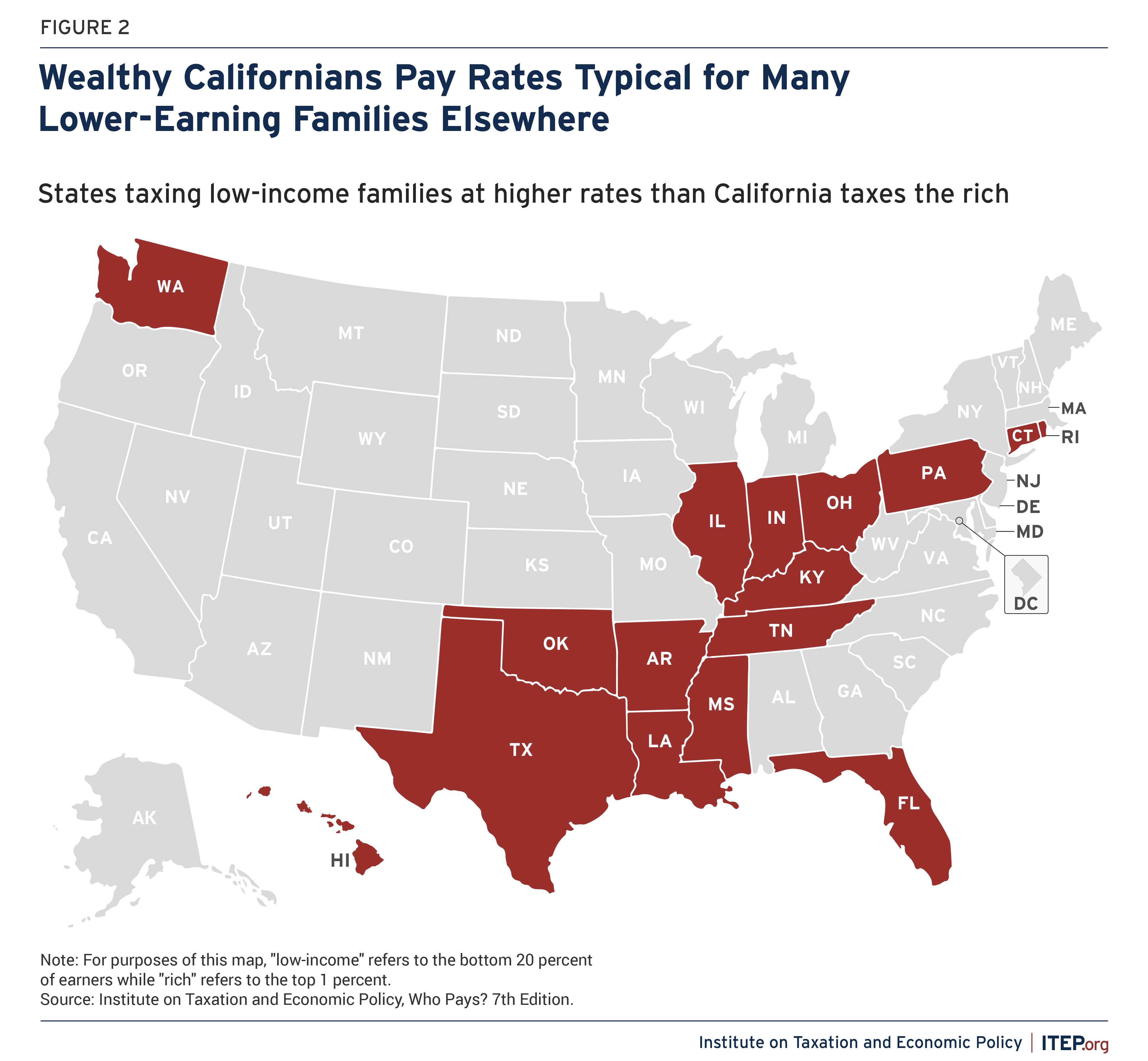
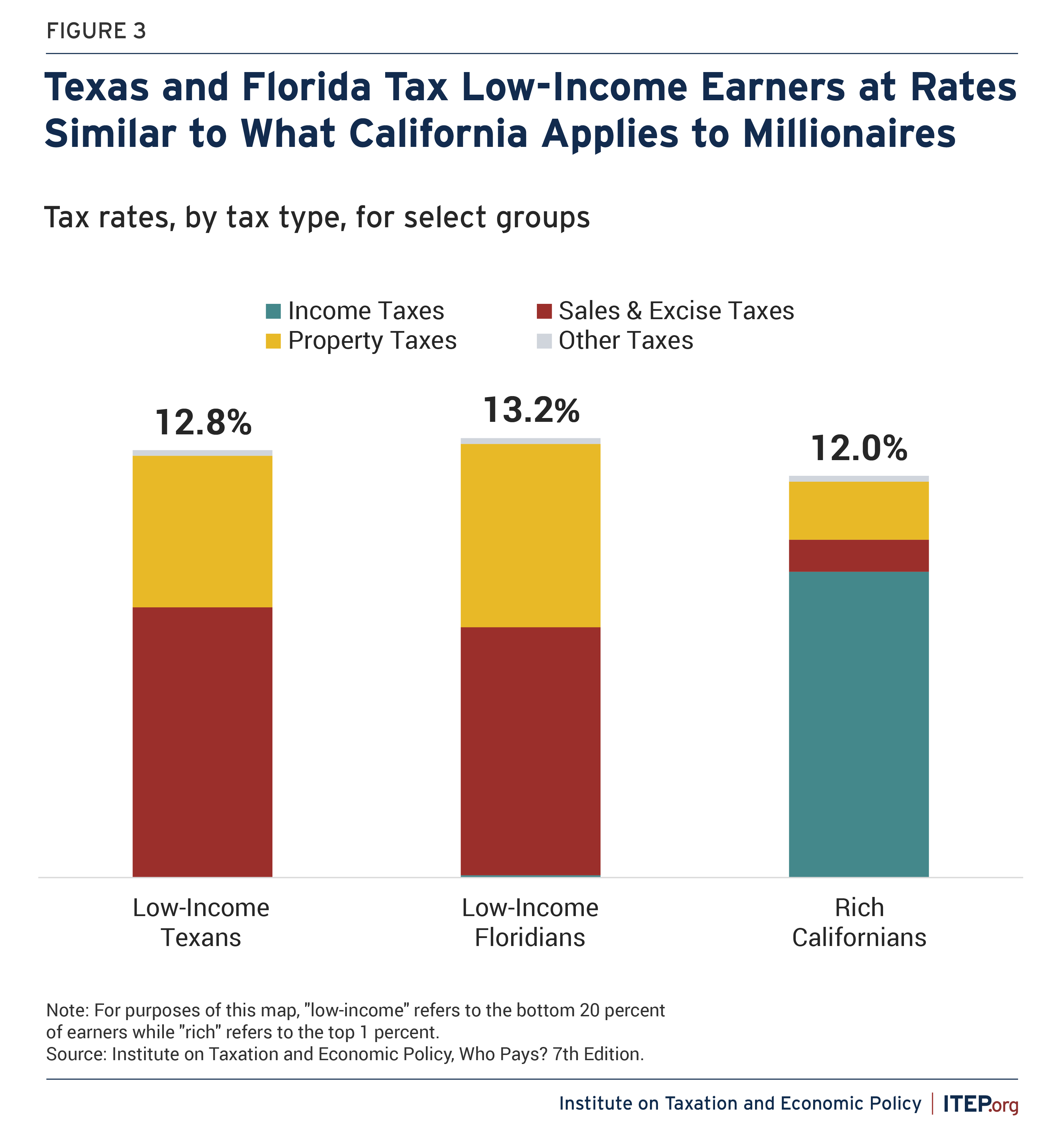
One of the most significant contributors to California’s high tax reputation is its highly progressive personal income tax. This means that individuals with higher incomes pay a larger percentage of their earnings in state taxes. California boasts some of the highest marginal income tax rates in the country, with the top bracket exceeding 13% for high earners. For many, especially those in the lucrative tech and entertainment industries centered around cities like Los Angeles and San Jose, this can translate into a substantial portion of their income being directed towards state coffers. This progressive structure is a deliberate policy choice, aimed at wealth redistribution and ensuring that those with greater financial capacity contribute more to public services. While it can be a deterrent for some businesses and individuals, it also underpins many of the state’s ambitious social programs.
High Sales Tax Rates
Beyond income, consumers in California face one of the highest statewide sales tax rates in the U.S. The base rate is applied to most tangible goods purchased, but this rate is further augmented by local district taxes, which vary from city to city and county to county. For instance, while the statewide base rate provides a foundation, many popular tourist destinations and bustling metropolitan areas, such as those in San Diego County or the Bay Area, see combined sales tax rates that push well over 9% and sometimes even towards 10%. This means that everything from souvenirs purchased at Universal Studios Hollywood to a new surfboard bought near Malibu or groceries (though some food items are exempt) contributes significantly to state and local revenues. For travelers, this adds a hidden cost to virtually every purchase, making budget management a key part of the California experience.
Property Taxes and Proposition 13’s Legacy
Property taxes in California are a unique and often misunderstood element of its tax system, largely shaped by the landmark 1978 ballot initiative, Proposition 13. While property values in California are astronomically high in many regions, particularly in desirable coastal communities like Santa Monica or Laguna Beach, Proposition 13 limits property tax increases to a maximum of 2% per year based on the assessed value at the time of purchase or new construction. This has created a bifurcated system where long-term homeowners often pay significantly less in property taxes than new buyers, even for comparable properties. For those looking to invest in real estate, perhaps a vacation home in Palm Springs or a luxury villa in Napa Valley, the initial property tax bill can be substantial, reflecting the high purchase price. While Proposition 13 effectively caps annual increases for existing owners, the state still generates considerable revenue from new property transactions and commercial properties, which are frequently reassessed.
Other State Levies and Fees
Beyond the primary taxes, California also imposes various other levies, fees, and surcharges. These include high gasoline taxes, which fund transportation infrastructure, and vehicle registration fees that are among the highest in the nation. There are also a multitude of regulatory fees across different industries, environmental fees aimed at protecting the state’s natural resources, and local business taxes. While individually smaller, these various charges accumulate, adding to the overall cost of living and doing business within the state. For visitors, the gasoline tax affects the cost of road trips along the scenic Pacific Coast Highway, while rental car surcharges and hotel occupancy taxes contribute to the overall expense of a Golden State getaway.
The Cost of Progressive Policies and Public Services
California’s high tax revenue is not simply absorbed; it is strategically deployed to support an extensive array of public services, ambitious environmental initiatives, and a robust social safety net. These expenditures reflect the state’s progressive values and its commitment to quality of life for its residents, but they come at a significant financial cost.
Investing in World-Class Education
A substantial portion of California’s budget is allocated to its public education system, from kindergarten through its renowned higher education institutions. The University of California (UC) system, comprising prestigious campuses like UC Berkeley and UCLA, and the extensive California State University (CSU) system, are cornerstones of the state’s intellectual and economic prowess. These institutions, along with its comprehensive community college network, are largely publicly funded, requiring significant investment to maintain their high standards, attract top faculty, and provide research opportunities. The aim is to ensure a well-educated workforce and to drive innovation, particularly in areas like technology and biotechnology that are vital to the state’s economy. This commitment to education indirectly benefits tourism by fostering a dynamic cultural landscape and a workforce capable of supporting complex industries like hospitality and entertainment.
Comprehensive Social Programs
California prides itself on its extensive social safety net, offering a wide range of programs designed to assist vulnerable populations. These include substantial investments in healthcare initiatives like Medi-Cal, which provides healthcare services to low-income individuals and families, as well as affordable housing initiatives, unemployment benefits, and support for the elderly and disabled. The state’s commitment to addressing issues such as homelessness, poverty, and healthcare access requires considerable financial resources, reflecting a societal choice to prioritize collective well-being. While these programs primarily benefit residents, a healthier and more stable population indirectly contributes to a more pleasant and safe environment for visitors.
Pioneering Environmental Initiatives
As a global leader in environmental protection and climate action, California dedicates significant tax revenue to green initiatives. The state has enacted ambitious policies to combat climate change, promote renewable energy, conserve natural resources, and reduce pollution. Agencies like the California Air Resources Board (CARB) develop and enforce strict regulations on emissions. Funding goes towards everything from developing sustainable transportation solutions and protecting its iconic National Parks and coastlines to investing in clean energy research and wildfire prevention. These efforts ensure the long-term health of California’s stunning natural landscapes, which are major draws for tourists from around the world. Preserving the beauty of Big Sur, the forests of Redwood National Park, and the deserts of Death Valley is a costly but essential endeavor for the state’s appeal.
Modernizing Infrastructure Investments
Maintaining and upgrading infrastructure in such a vast and populous state is an ongoing and expensive challenge. California’s tax dollars are funneled into improving its extensive network of highways, bridges, and public transportation systems, particularly in congested urban centers like Oakland and Sacramento. Investments also extend to water infrastructure, essential in a state prone to droughts, and public safety initiatives. These infrastructure projects, while costly, are critical for facilitating economic activity, ensuring public safety, and enhancing the travel experience. Well-maintained roads make scenic drives more enjoyable, and efficient public transport systems in cities like San Francisco (with its MUNI system and iconic cable cars) ease navigation for tourists.
High Cost of Living and Infrastructure Demands
The interplay between California’s high cost of living and its extensive infrastructure demands creates a feedback loop that further necessitates significant tax revenue. It’s not just about the amount of services provided, but the cost of providing them within the state.
The Pervasive Housing Crisis
Perhaps the most significant driver of California’s high cost of living is its severe housing crisis. Limited supply, high demand, and restrictive zoning laws in desirable areas have driven real estate prices and rental costs to exorbitant levels, particularly in major metropolitan hubs. This impacts everything: businesses must pay higher wages to employees to afford housing, which can then be passed on to consumers. Governments themselves face higher costs for land acquisition for public projects and higher salaries for public sector employees who must also navigate the expensive housing market. The need to address this crisis through various state and local housing initiatives further adds to public expenditure. High housing costs also mean that many hotels and resorts, from boutique stays in Santa Barbara to luxury establishments in Beverly Hills, face higher operating costs, which are naturally reflected in their rates for visitors.
Dynamic Transportation Networks
California’s vast geography and diverse population centers demand a sophisticated and constantly evolving transportation network. From maintaining thousands of miles of roads and freeways to supporting major international airports like Los Angeles International Airport (LAX) and San Francisco International Airport (SFO), the state invests heavily. The dream of high-speed rail, while a work in progress, also represents a colossal future investment. These investments are crucial for both residents commuting to work and for tourists exploring different regions. Without these robust networks, the very ability to experience California’s diverse attractions, from skiing in Lake Tahoe to wine tasting in Sonoma County, would be severely hampered. The continuous need for upgrades and maintenance in a state prone to seismic activity and heavy traffic means a perpetual demand on tax dollars.
Public Safety and Emergency Preparedness
Given its large population, urban density, and susceptibility to natural disasters like earthquakes and wildfires, California requires substantial resources for public safety and emergency preparedness. Funding for police departments, fire services, and emergency response teams across the state is a significant expenditure. Furthermore, the state consistently invests in mitigation strategies, early warning systems, and post-disaster recovery efforts, all of which are critical for protecting lives and property. These services ensure that both residents and the millions of annual visitors can feel secure while enjoying California’s offerings, whether strolling through Balboa Park in San Diego or exploring the historic missions.
Impact on Lifestyle, Travel, and Business
The high tax environment in California has tangible effects on the lifestyle of its residents, the experience of its travelers, and the dynamics of its business sector. Far from being an abstract financial concept, these taxes shape the very fabric of life and leisure in the Golden State.
Navigating Tourism and the Hospitality Sector
For the tourism and hospitality sectors, high taxes present both challenges and opportunities. On one hand, higher sales taxes, hotel occupancy taxes, and business operating costs mean that a trip to California can be more expensive than to other states. This is reflected in everything from the price of a stay at a luxury resort like the Waldorf Astoria Beverly Hills to the cost of dining at a Michelin-starred restaurant in Yountville. On the other hand, the revenues generated support the very infrastructure and attractions that make California a world-class destination. Well-maintained state parks, clean public spaces, robust transportation, and a focus on cultural and environmental preservation are all funded by these taxes, enhancing the visitor experience. Moreover, a high-quality workforce, often educated through state-funded institutions, provides excellent service across the hospitality industry.
Luxury Travel vs. Budget Exploration
California’s tax structure accentuates the divide between luxury and budget travel options. For those seeking opulent experiences – perhaps a stay at The Ritz-Carlton, Laguna Niguel or a private tour of Hearst Castle – the added tax burden is often a minor consideration within an already substantial budget. For budget-conscious travelers, however, every percentage point of sales tax or hotel tax can significantly impact their itinerary. This necessitates clever planning, such as utilizing self-catering accommodations, seeking out free attractions like the Getty Center or Griffith Observatory, and exploring regions with slightly lower local tax rates. The diverse array of experiences, from glamping in Joshua Tree National Park to staying in a historic Motel 6 along Route 66, reflects the state’s capacity to cater to all segments despite its high costs.
Business Migration and the Resident Experience
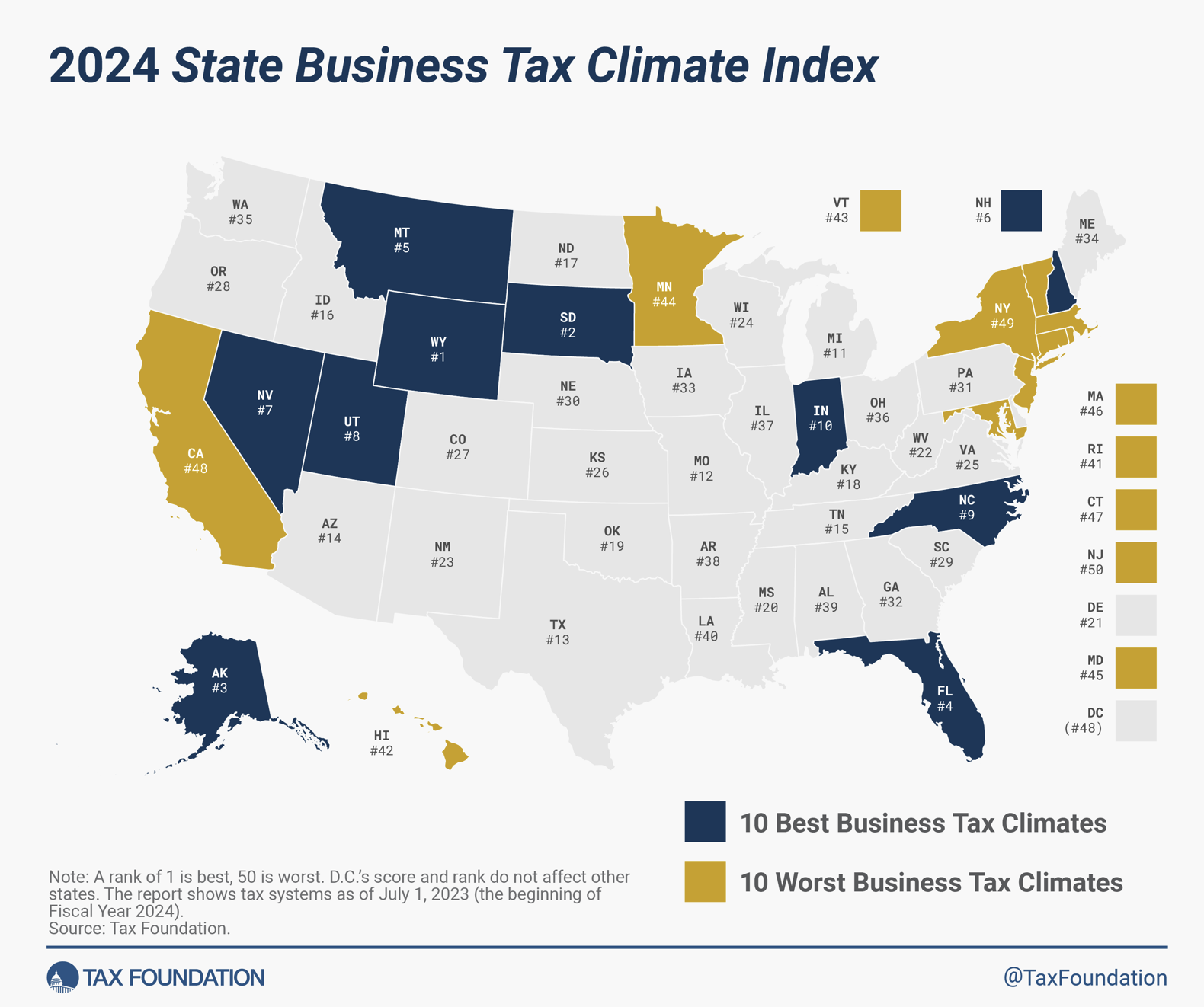
The high tax environment does influence business decisions. Some companies, particularly those in manufacturing or seeking lower operating costs, have opted to relocate or expand outside of California. However, the state continues to be an undeniable hub for innovation, particularly in tech and creative industries. The access to a highly skilled workforce, venture capital, and a vibrant cultural ecosystem often outweighs the tax considerations for many businesses and entrepreneurs. For residents, the high taxes are a constant consideration in their financial planning. Yet, many choose to remain, valuing the state’s natural beauty, cultural diversity, economic opportunities, and the quality of public services they receive in return. This trade-off is a central element of the “California dream” for those who live there, balancing significant financial contributions with unparalleled lifestyle benefits.
Navigating the Golden State’s Financial Realities
Ultimately, the question of “Why are California taxes so high?” leads to an understanding of a deliberate policy choice. It’s a choice to fund a comprehensive array of public services, to invest heavily in education and infrastructure, and to lead the nation in progressive social and environmental policies. These choices come with a substantial price tag, reflected in the state’s income, sales, property, and other taxes.
For those considering a move or an extended visit to the Golden State, these financial realities are an integral part of the experience. While the tax burden is undeniably significant, it also underpins the very qualities that make California such an attractive and dynamic place. The vibrant culture of San Francisco, the unparalleled entertainment of Los Angeles, the pristine beauty of its National Parks, and the innovation bubbling in Silicon Valley are all, in part, products of a well-funded state apparatus.
Visitors seeking to explore its wonders, whether staying in a luxurious suite at the Fairmont San Francisco or camping under the stars in Sequoia National Park, will encounter these costs, but they also benefit from the infrastructure and services these taxes provide. The allure of California remains potent, and understanding its financial framework simply adds another layer to appreciating the complexities and unique charm of this remarkable state. It’s a place where high costs are often balanced by high quality, high aspiration, and an unmatched diversity of experiences.