
For visitors exploring the vibrant landscapes and rich cultural tapestry of Arizona, encountering flags at half-mast can be a poignant and sometimes puzzling sight. This practice, deeply rooted in tradition and respect, serves as a powerful symbol of mourning, remembrance, or solemn recognition. Understanding the reasons behind such displays offers tourists a deeper insight into the local culture, community values, and the significant events that shape the Grand Canyon State. Far from being a mere formality, it is a visible expression of collective sentiment, reflecting the heart and conscience of the communities you are visiting.

Understanding the Symbolism: A Guide for Tourists
The act of flying a flag at half-mast, or half-staff as it’s often referred to for flags displayed on land, is a universal gesture of respect and sorrow. For travelers, recognizing this signal allows for a more informed and empathetic engagement with their surroundings, fostering a connection that goes beyond typical sightseeing.
The Significance of Half-Mast
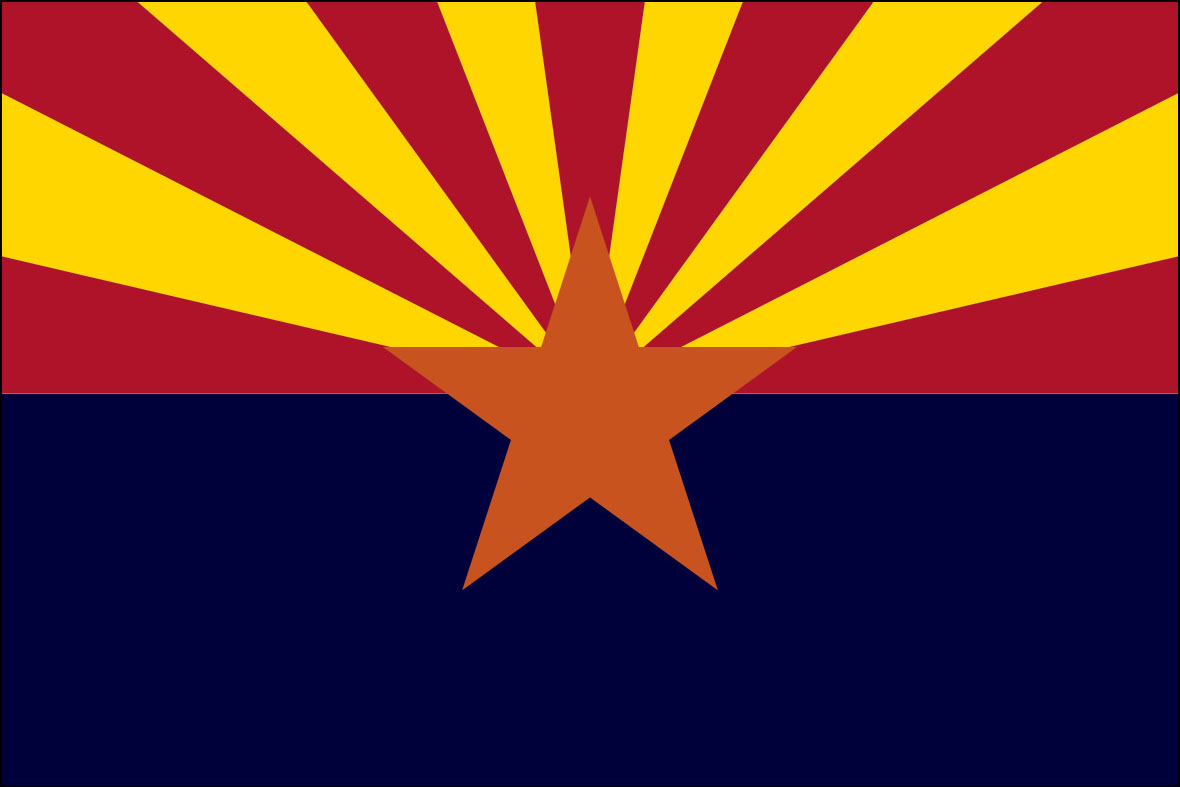
When you see the United States flag, or the Arizona state flag, flying at half-mast, it signifies a period of national or statewide mourning. This tradition dates back centuries, embodying a visual representation of loss, honor, and solidarity. It suggests that something significant has occurred, prompting a collective pause for reflection. For tourists, it’s an immediate indicator that the local populace is observing a solemn occasion, urging a moment of respect and perhaps prompting an inquiry into the specific cause. This cultural cue helps integrate visitors into the pulse of the community, offering a glimpse into the events that profoundly affect the residents.
Arizona’s Protocol for Mourning
Like all states, Arizona adheres to specific protocols regarding when and for how long flags are flown at half-mast. These directives typically originate from the Governor’s Office or by presidential proclamation. The governor of Arizona has the authority to order flags within the State of Arizona to be lowered to half-mast in honor of state officials, prominent citizens, or in response to significant state-level tragedies. These proclamations are often shared through official state channels and local news outlets. For example, flags at the Capitol Building in Phoenix and other state government buildings will observe these directives, as will many local government offices, schools, and even private establishments across cities like Tucson, Sedona, and Flagstaff. Understanding this chain of command helps tourists appreciate the gravity and official nature of the mourning period.
Common Reasons for Flags at Half-Mast in the Grand Canyon State
The reasons for flags being lowered are varied but generally fall into categories of honoring fallen individuals or acknowledging widespread tragedies. Each instance tells a story about the community’s values and its resilience.
National Tragedies and Dignitary Deaths
One of the most frequent reasons for flags to be at half-mast across Arizona (and indeed the entire nation) is in observance of a national tragedy or the passing of a prominent national figure. This could include a presidential proclamation after the death of a former president, vice president, Speaker of the House, or a Supreme Court justice. Similarly, flags are often lowered following mass casualty events anywhere in the United States as a gesture of national solidarity and mourning. Tourists might notice flags lowered for a period of days following such an announcement, serving as a reminder that even when enjoying the beauty of Arizona, the wider world’s events resonate deeply within its communities.
Local Heroes and Community Loss
Beyond national directives, the governor of Arizona frequently orders flags to be lowered in honor of significant state or local individuals. This most often includes fallen first responders—police officers, firefighters, and emergency medical personnel—who lose their lives in the line of duty. The immense respect and gratitude for these heroes are deeply embedded in Arizona’s culture, particularly in smaller towns where community bonds are exceptionally strong. You might also see flags lowered for the passing of a sitting or former state legislator, a judge, or other public servants who have made substantial contributions to the State of Arizona. These local acts of remembrance underscore the close-knit nature of many Arizona communities and highlight the people who have shaped their unique character.
State-Specific Commemorations
Arizona also has its unique commemorations that might involve lowering flags. For example, the anniversary of tragic events with significant state impact, such as the Yarnell Hill Fire where 19 Granite Mountain Hotshots perished, often sees flags lowered statewide. Similarly, there might be directives to honor specific tribal leaders or significant figures within the Navajo Nation, Hopi Tribe, or the Gila River Indian Community, reflecting the state’s deep respect for its indigenous heritage and sovereign nations. These state-specific gestures are particularly insightful for tourists, offering a window into the historical and cultural narratives that are unique to Arizona and its diverse populations. Observing these moments allows visitors to connect with the deeper history and ongoing story of the land and its people.
How Tourists Can Engage Respectfully
For travelers, encountering flags at half-mast presents an opportunity to engage with local culture in a meaningful and respectful way, moving beyond the superficial aspects of tourism.
Observing Local Customs
When you notice flags at half-mast, the most respectful response is simply to acknowledge the somber atmosphere. This might mean lowering your voice in public spaces, taking a moment of quiet reflection, or simply being mindful of the local sentiment. In areas like Phoenix or Tucson, where daily life continues, the gesture serves as a quiet reminder rather than a cessation of activity. However, in smaller towns, the impact might feel more palpable. It’s an invitation to pause and consider the community’s experience, demonstrating an appreciation for local customs and shared moments of grief or remembrance. This respectful observation enhances your travel experience by immersing you more deeply in the cultural fabric of Arizona.
Learning More About the Event
Curiosity is natural, and respectfully seeking information about why flags are at half-mast can enrich your understanding of Arizona’s current events and history. Local news websites, the Governor’s Office official announcements, or even a polite inquiry to a local resident (if appropriate and non-intrusive) can provide context. For example, if flags are lowered for a fallen police officer in Flagstaff, understanding their story can bring a human dimension to your visit, connecting you to the community’s values and sacrifices. This engagement fosters a deeper appreciation for the destination and its people, making your trip to Arizona more than just a visual spectacle.
The Impact on Your Arizona Experience
While solemn, the observation of flags at half-mast doesn’t detract from the beauty or adventure of Arizona; rather, it adds a layer of depth and understanding to your journey.
A Moment of Reflection Amidst Adventure
Arizona is renowned for its breathtaking natural wonders, from the majestic Grand Canyon to the spiritual red rocks of Sedona. While engaging in exhilarating activities, a glimpse of a flag at half-mast can serve as a gentle prompt for reflection. It reminds us that behind every stunning landscape and exciting experience are communities with their own stories, challenges, and moments of shared humanity. This pause allows tourists to connect with the emotional landscape of Arizona, adding a richer, more nuanced dimension to their memories. It’s an opportunity to appreciate the full spectrum of life within the places we visit, including moments of solemn tribute.

Discovering the Heart of Arizona’s Communities
Ultimately, seeing flags at half-mast is a window into the soul of Arizona’s communities. It highlights the respect for life, service, and sacrifice that resonates throughout the Grand Canyon State. For tourists, it’s an opportunity to witness firsthand the collective spirit of a place, to understand what moves its people, and to connect with the values that define them. This experience, while somber, can be incredibly enriching, transforming a casual visit into a profound cultural immersion. By acknowledging and understanding these displays, visitors not only show respect but also gain a deeper, more authentic appreciation for the destination they have chosen to explore.
LifeOutOfTheBox is a participant in the Amazon Services LLC Associates Program, an affiliate advertising program designed to provide a means for sites to earn advertising fees by advertising and linking to Amazon.com. Amazon, the Amazon logo, AmazonSupply, and the AmazonSupply logo are trademarks of Amazon.com, Inc. or its affiliates. As an Amazon Associate we earn affiliate commissions from qualifying purchases.