
The question “Why are houses so cheap in Texas?” often surfaces in conversations about real estate across the United States. Compared to coastal giants like California or New York, the Lone Star State consistently offers a more accessible entry point into homeownership. This affordability isn’t a mere accident; it’s a product of a unique blend of geographic, economic, and political factors that have shaped Texas into a magnet for residents and businesses alike. From its sprawling landscapes to its robust job market and a lifestyle that caters to a diverse range of preferences, Texas presents a compelling case for those seeking value without compromising on quality of life.
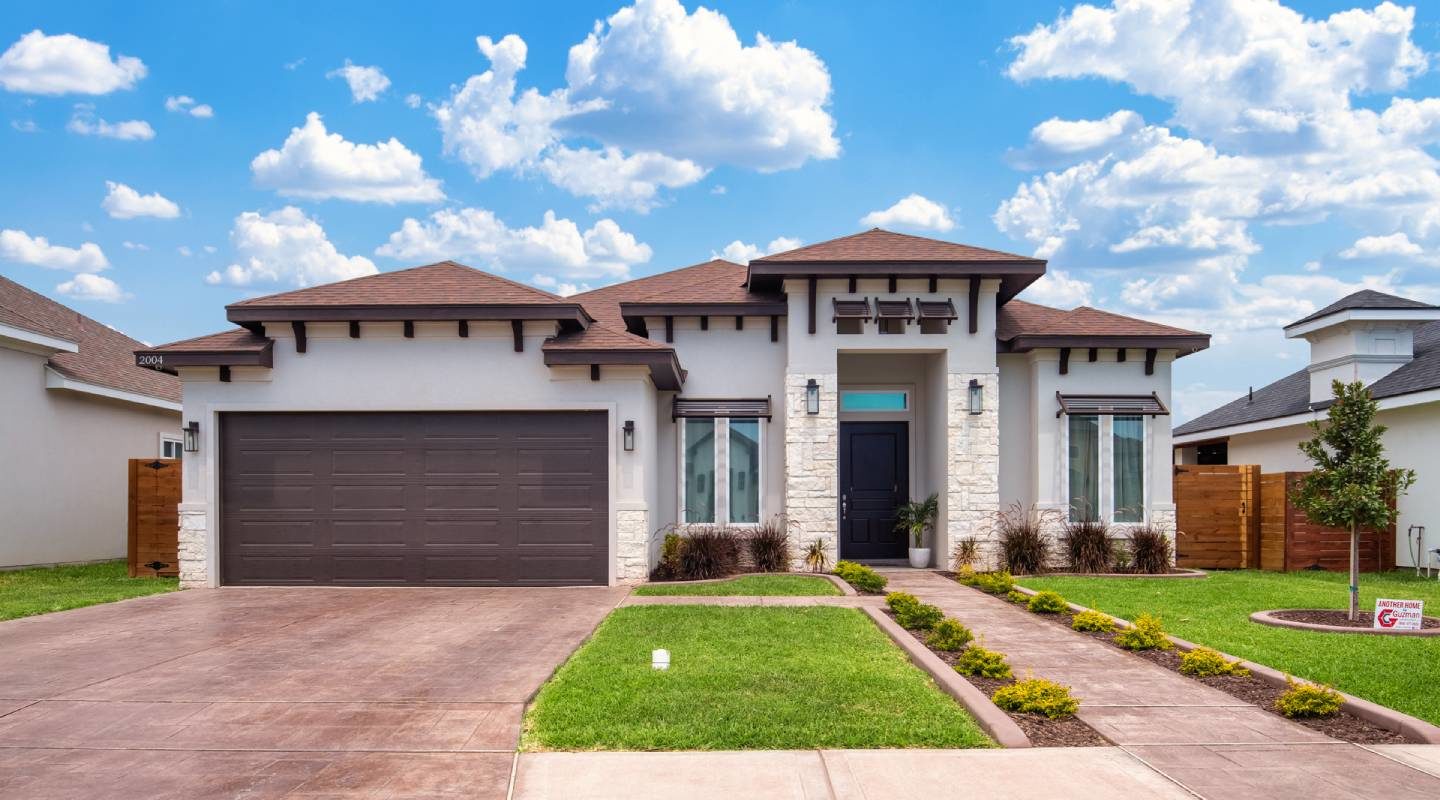
The perceived “cheapness” of homes in Texas is relative, of course. Property values in bustling urban centers like Austin have seen significant appreciation, mirroring trends in other tech hubs. However, when considering the state as a whole, or comparing it to similarly sized economies elsewhere, the value proposition becomes undeniably clear. This comprehensive look will delve into the multifaceted reasons behind Texas’s housing affordability, exploring how everything from abundant land to state policies contributes to a real estate market that remains remarkably approachable for many.
The Lone Star State’s Unique Appeal: More Than Just Affordability
Texas’s distinct character plays a pivotal role in shaping its housing market. It’s a state defined by its vastness, its entrepreneurial spirit, and a commitment to growth that permeates every sector, including real estate development. These foundational elements work in concert to create an environment where housing supply can often keep pace with, or even outstrip, demand, thereby stabilizing prices and maintaining affordability.
A Land of Abundance: Space to Grow
One of the most straightforward answers to why Texas homes are affordable lies in its sheer size. As the second-largest state in the United States by both area and population, Texas boasts an incredible amount of undeveloped land. This vastness means that urban and suburban areas have ample room for expansion, allowing developers to continuously build new homes, communities, and infrastructure without facing the severe land scarcity issues that plague many older, more densely populated states.
This abundance of land directly translates to lower acquisition costs for developers. When the raw material for building—land—is plentiful and relatively inexpensive, the cost savings can be passed on to homebuyers. This continuous influx of new housing stock helps to prevent runaway price increases, ensuring a steady supply that meets the growing demand from new residents relocating for job opportunities or a better quality of life. From the sprawling ranchlands of West Texas to the burgeoning master-planned communities ringing Dallas and Houston, the ability to expand outward is a fundamental pillar of the state’s housing market.
Pro-Growth Policies: Building for the Future
Beyond mere geography, Texas’s pro-development stance is a critical differentiator. Many Texas cities and counties maintain less restrictive zoning laws and fewer regulatory hurdles compared to counterparts in other states. This streamlined approach to urban planning and construction permits significantly reduces the time and cost associated with developing new properties.
While some debate the long-term implications of rapid, sprawling development, there’s no denying its immediate impact on housing affordability. Developers can bring homes to market more quickly and efficiently, preventing bottlenecks in supply that often drive up prices. This policy environment encourages investment in residential construction, ensuring that housing options are diverse and plentiful, catering to various income levels and lifestyle preferences. From single-family homes in suburban neighborhoods to multi-family apartments in downtown districts, the ease of construction helps maintain a dynamic and competitive housing market.
Low Cost of Living: Beyond Housing
Housing costs are just one component of the overall cost of living, and Texas shines brightly in this broader metric as well. While not directly influencing home prices, a lower general cost of living—encompassing everything from groceries and utilities to transportation and services—contributes to the perception of affordability and enhances the purchasing power of residents.
When daily expenses are manageable, households have more disposable income, which can be allocated towards a mortgage or simply contribute to a higher quality of life. This holistic affordability makes Texas an attractive destination for individuals and families looking to stretch their budgets further without sacrificing amenities or opportunities. This balance is crucial for those considering relocation, as it means their new home isn’t just cheaper to buy, but also more affordable to live in day-to-day. For visitors considering an extended stay, even accommodation options, from budget-friendly hotels to luxury resorts, often present better value than in more expensive regions, allowing them to fully enjoy experiences like exploring San Antonio River Walk or the NASA Johnson Space Center.
Economic Vibrancy and Lifestyle Choices
Texas’s economic engine is a powerful force, creating millions of jobs and attracting a constant influx of new residents. This growth, coupled with a favorable tax environment, further underpins the state’s unique housing dynamic. The diversity of its regions also offers a spectrum of lifestyles, ensuring that affordability doesn’t mean a lack of options.
A Booming Job Market: Fueling Demand and Supply
Texas boasts one of the most dynamic economies in the United States. Led by energy, technology, manufacturing, healthcare, and finance sectors, the state consistently ranks high in job creation. Major corporations, drawn by favorable business climates and a skilled workforce, continue to establish or expand their operations in cities like Dallas, Houston, and Austin.
This robust job market naturally draws a significant number of people to Texas, increasing demand for housing. However, unlike many other booming regions, Texas has largely managed to keep its housing supply responsive to this demand, thanks to the aforementioned land availability and pro-development policies. The simultaneous growth in both population and housing stock prevents the severe supply-demand imbalances that drive up prices elsewhere. This balanced growth ensures that even as more people arrive, housing remains within reach for a wider demographic, supporting a stable and accessible real estate market. The accessibility of a strong job market combined with affordable housing makes Texas a prime destination for families and individuals seeking career advancement and a comfortable lifestyle.

Favorable Tax Environment: More Money in Your Pocket
A significant financial advantage for Texas residents is the absence of a state income tax. While property taxes in Texas can be higher than the national average, the overall tax burden is often more favorable when considering the complete picture. The lack of state income tax means residents retain a larger portion of their earnings, which can significantly impact their ability to afford housing.
For many, the savings from not paying state income tax can offset higher property taxes, or simply provide more financial flexibility to save for a down payment, manage monthly mortgage payments, or invest in home improvements. This favorable tax structure not only attracts individuals but also businesses, further fueling economic growth and job opportunities, reinforcing the virtuous cycle that supports a healthy and affordable housing market. It’s a key part of the lifestyle appeal, especially for those relocating from states with high income and property taxes.
Diverse Regions and Lifestyles: From Urban Hubs to Rural Retreats
Texas’s vastness translates into incredible regional diversity, offering a wide array of lifestyles and corresponding housing prices. From the vibrant, tech-centric energy of Austin to the sprawling business districts of Dallas and Fort Worth, the industrial might of Houston, and the historical charm of San Antonio, each major city offers a distinct living experience. Beyond these metropolises, the Texas Hill Country offers scenic beauty and a slower pace, while the Gulf Coast cities like Galveston and South Padre Island provide beachfront living.
This diversity means that “cheap” can mean different things depending on where you look. While prime locations in Austin might command higher prices, comparable homes in El Paso, Plano, or even many suburbs of Dallas and Houston can be significantly more affordable. The sheer variety of property types, from urban condos and suburban family homes to expansive rural ranches, ensures that nearly every budget and preference can find a suitable option. This choice allows residents to tailor their accommodation and lifestyle to their financial comfort, whether it’s enjoying the cultural attractions of the Dallas Arts District or the serene trails of Big Bend National Park. The state also offers a vast selection of hotels, from the luxurious Omni Dallas Hotel to charming boutique stays, reflecting the broad range of options available for every traveler.
Navigating the Texas Housing Market
Understanding the broader trends is one thing, but navigating the specific nuances of the Texas housing market requires a closer look at regional variations and the specific opportunities they present for potential homebuyers and investors.
Understanding Regional Price Differences
While Texas as a whole offers affordability, it’s crucial to acknowledge the significant price variations across its vast landscape. Cities like Austin, with its burgeoning tech industry and vibrant cultural scene, have seen home prices rise considerably, making it one of the less “cheap” markets within the state. Areas like downtown Austin or close to Zilker Park are now premium locations.
Conversely, large metropolitan areas such as Houston, Dallas, and San Antonio, while experiencing growth, generally offer more affordable housing options, especially in their extensive suburban rings. Cities like Irving, Grand Prairie, and Frisco outside Dallas provide excellent value. Smaller cities and rural areas further afield offer even greater affordability, catering to those seeking a quieter lifestyle or larger tracts of land. For example, Fredericksburg in the Texas Hill Country offers charm and affordability relative to bigger cities, while still being a popular tourism destination. This regional disparity allows homebuyers to find a price point that aligns with their budget and desired lifestyle, whether they are looking for luxury at a place like JW Marriott San Antonio Hill Country Resort & Spa or a more budget-friendly stay.
The Allure for Relocators and Investors
The combination of affordable housing, a strong economy, and a desirable lifestyle makes Texas an increasingly attractive destination for both individual relocators and real estate investors. For families and professionals moving from higher-cost states, Texas represents an opportunity to achieve homeownership, gain more living space, and improve their overall financial standing.
Investors, on the other hand, are drawn to the state’s consistent population growth and robust rental market. The continuous influx of new residents ensures a steady demand for rental properties, offering promising returns. Additionally, the potential for property value appreciation, particularly in fast-growing urban and suburban areas, presents an appealing long-term investment prospect. Whether seeking a primary residence or an investment property, Texas offers a dynamic and accessible real estate landscape that continues to draw significant interest nationwide. Iconic landmarks like The Alamo in San Antonio or the State Capitol Building in Austin symbolize the rich history and future potential that attract visitors, residents, and investors alike.
Is Texas Your Next Home?
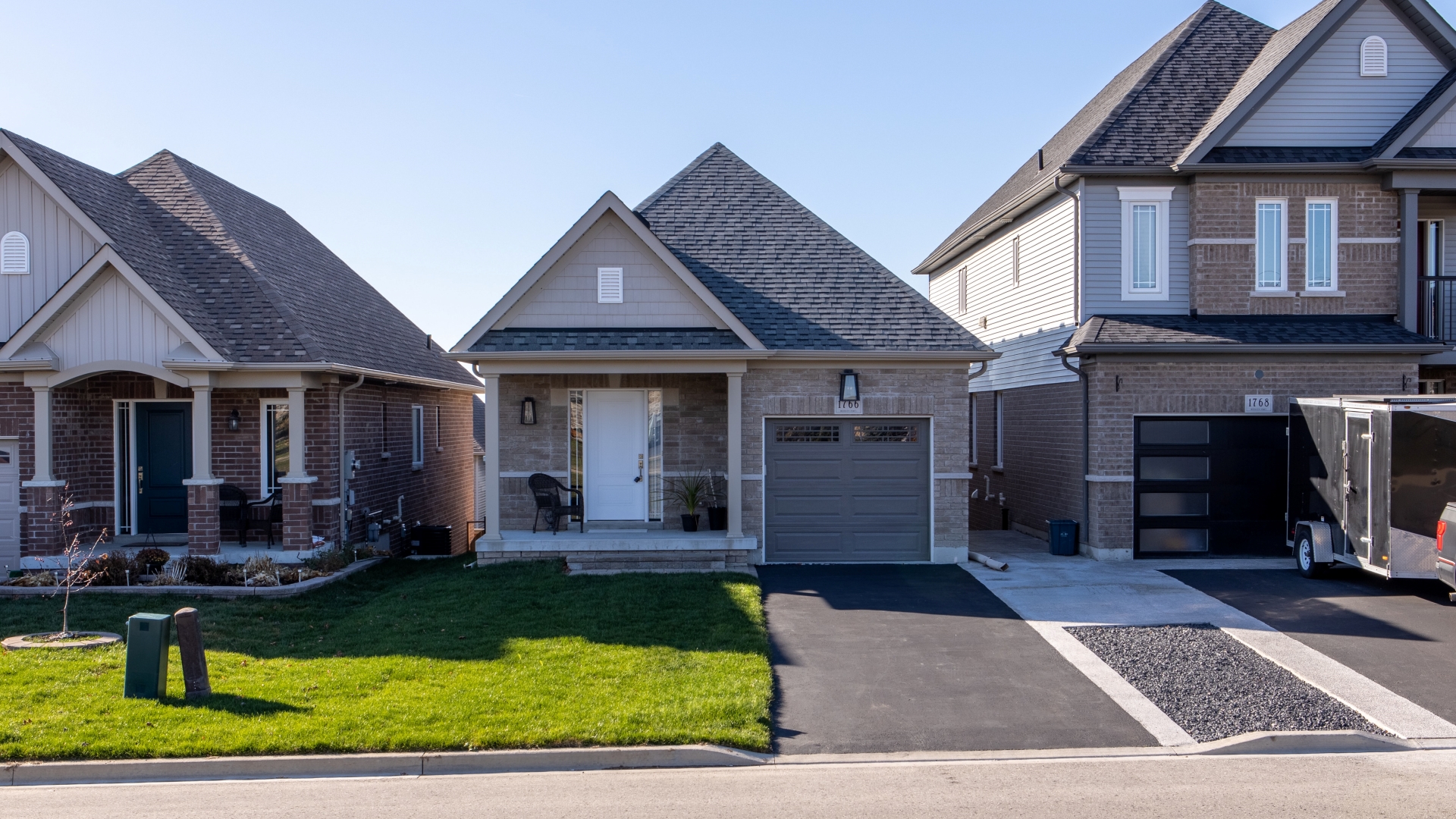
For many, Texas represents a dream of homeownership that might feel out of reach in other parts of the [United States](https://lifeoutofthebox. The state’s unique combination of vast land, pro-growth policies, a vibrant economy, and a diverse range of lifestyle options creates a housing market that, despite its growth, remains relatively affordable.
Weighing the Benefits and Considerations
While the benefits of Texas’s housing market are clear, prospective residents should also consider local nuances. Factors like property tax rates, specific school districts, and the local job market within their chosen city will play a crucial role in their decision. However, the overarching theme of accessibility and value persists across much of the state.
Whether you’re seeking a bustling urban environment with abundant cultural attractions like the Houston Museum District, a family-friendly suburb with excellent schools, or a tranquil rural retreat, Texas offers a wealth of choices. Its commitment to growth and a strong economy suggests that while prices may continue to rise in popular areas, the state’s fundamental advantages will likely keep homeownership a more attainable goal than in many other parts of the nation. From the lively energy of Austin to the historical depth of San Antonio, and the widespread accommodation options like The Driskill Hotel or La Cantera Resort & Spa, Texas consistently provides compelling reasons for people to call it home. The “cheapness” of Texas homes is less about low quality and more about strategic advantages that foster a thriving and accessible real estate market for all.
LifeOutOfTheBox is a participant in the Amazon Services LLC Associates Program, an affiliate advertising program designed to provide a means for sites to earn advertising fees by advertising and linking to Amazon.com. Amazon, the Amazon logo, AmazonSupply, and the AmazonSupply logo are trademarks of Amazon.com, Inc. or its affiliates. As an Amazon Associate we earn affiliate commissions from qualifying purchases.