
The United States is a vast and diverse nation, comprised of fifty states, each with its unique character, history, and customs. This diversity extends to how these states participate in the Electoral College, the unique system established by the U.S. Constitution to elect the President and Vice President. While most states follow a winner-take-all approach for their electoral votes, two states stand as notable exceptions: Maine and Nebraska. Understanding why these two states deviate from the norm offers a fascinating glimpse into the historical compromises and political nuances that shape the American electoral landscape.

The Electoral College itself is a complex mechanism. When citizens vote in a presidential election, they are technically casting a ballot for a slate of electors pledged to a particular candidate. These electors then formally cast the votes that determine the winner. The number of electors each state receives is equal to its total number of senators (always two) plus its number of representatives in the House of Representatives, which is based on the state’s population. This system was designed by the Founding Fathers as a compromise between electing the president by popular vote and electing the president by a vote in Congress.
The Winner-Take-All Tradition
The overwhelming majority of states, 48 out of 50, employ a winner-take-all system. In these states, the presidential candidate who wins the popular vote within that state receives all of its electoral votes. For example, if a candidate wins 50.1% of the popular vote in California, they secure all of California’s electoral votes, even if the margin of victory is razor-thin. This system has been in place for a long time and is deeply ingrained in how presidential campaigns are conducted. It incentivizes candidates to focus their resources and efforts on winning the popular vote in states that are likely to vote for them, or in closely contested swing states, rather than trying to win a fraction of electoral votes spread across many states.
This winner-take-all approach can lead to situations where a candidate wins the presidency without winning the national popular vote. This has happened a few times in U.S. history, most recently in 2000 and 2016. Critics argue that this aspect of the Electoral College is undemocratic, as it can mean the candidate with fewer individual votes nationwide still attains the highest office. Supporters, however, argue that it protects the interests of less populated states and promotes national unity by requiring candidates to build broad coalitions across different regions.
Maine and Nebraska: A Different Path
Maine and Nebraska, however, have chosen a different route. Both states allocate their electoral votes proportionally, albeit through slightly different mechanisms. This approach, while less common, reflects a distinct political philosophy and can lead to more nuanced electoral outcomes within these specific states.
The District Method in Maine
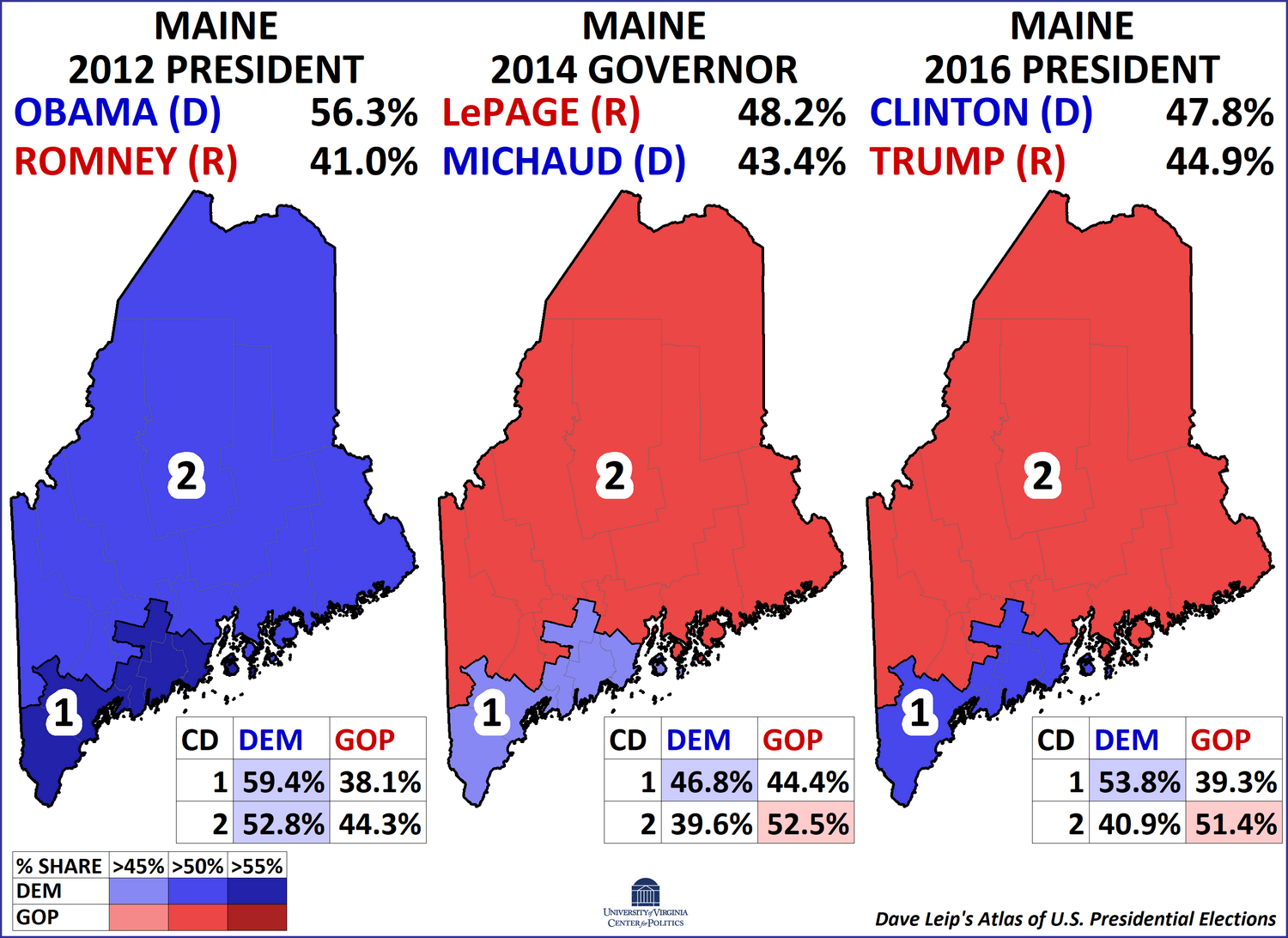
Maine utilizes what is known as the “district method.” This system divides the state’s electoral votes based on the results of the popular vote within each of its congressional districts, plus two additional electoral votes awarded to the statewide popular vote winner.
- Congressional District Votes: Maine has two congressional districts. The presidential candidate who wins the popular vote in the First Congressional District receives one electoral vote. Similarly, the candidate who wins the popular vote in the Second Congressional District receives another electoral vote.
- Statewide Vote: In addition to the district-based votes, the candidate who wins the overall popular vote across the entire state of Maine receives the state’s remaining two electoral votes (corresponding to its two senators).
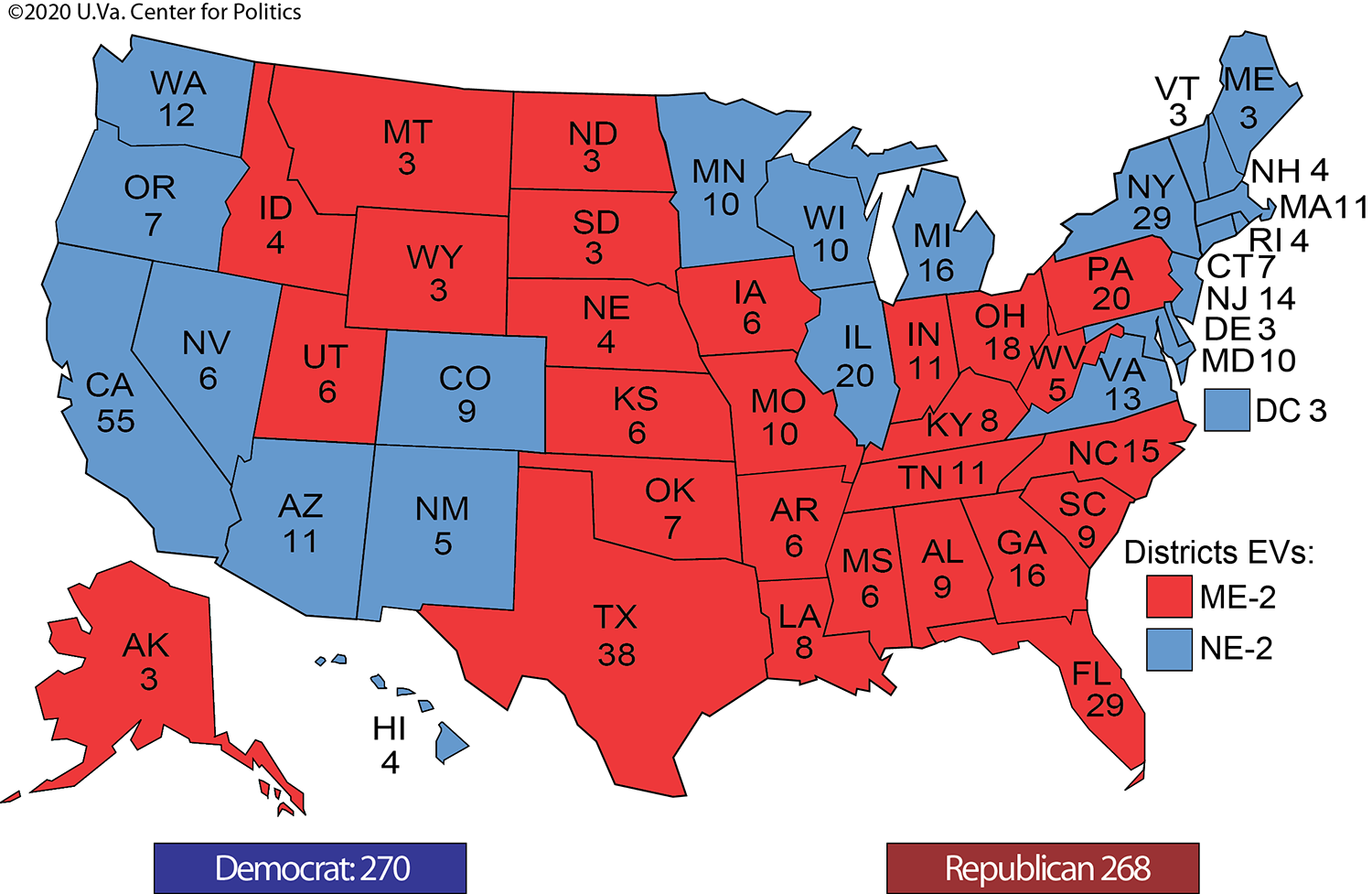
This method allows for the possibility of splitting the electoral votes of Maine. A candidate could, for instance, win one congressional district and the statewide vote, thus securing three out of the state’s four electoral votes. This contrasts sharply with winner-take-all states, where a narrow victory in one district or statewide would grant the candidate all of the state’s electoral power.
The district method in Maine has historical roots. The state first adopted this system in 1969, with it taking effect in the 1972 presidential election. The rationale behind it was to give more direct representation to voters within different regions of the state and to prevent the entire electoral vote from being decided by a slim margin in a single, dominant population center. This can make Maine a more interesting state for presidential campaigns, as they might focus on winning individual districts rather than solely concentrating on the statewide outcome.
Nebraska’s Similar, Yet Distinct, Approach
Nebraska also employs a proportional allocation of its electoral votes, but through a slightly different framework that also centers on its congressional districts.
- Congressional District Votes: Like Maine, Nebraska has congressional districts, and the winner of the popular vote in each of its three districts receives one electoral vote.
- Statewide Vote: The two remaining electoral votes (for its senators) are awarded to the candidate who wins the statewide popular vote.
So, in essence, both Maine and Nebraska award electoral votes based on congressional district outcomes, with the statewide winner taking the “senate” votes. The primary difference lies in the number of congressional districts and thus the total number of electoral votes. Maine has four electoral votes (2 districts + 2 statewide), while Nebraska has five (3 districts + 2 statewide).
Nebraska adopted its district method in 1937, aiming to achieve a similar goal as Maine: to reflect the diverse political leanings within the state more accurately. This approach has, on occasion, led to Nebraska splitting its electoral votes. For instance, in 2008, a congressional district in Nebraska voted for Barack Obama, while John McCain won the statewide vote and the other two districts. This resulted in McCain receiving four electoral votes and Obama receiving one. Such outcomes are impossible in winner-take-all states.
The Rationale and Impact of the District Method
The adoption of the district method by Maine and Nebraska reflects a desire for a more granular representation of voter preferences. Proponents argue that it prevents a candidate from easily securing all electoral votes based on a narrow statewide victory, thus giving a voice to voters in districts that might lean towards a different party than the state as a whole. This can lead to more competitive campaigns within these states, as candidates may find it worthwhile to campaign in specific districts, even if the state is generally considered a “safe” for one party.
The impact of these divergent systems on presidential elections is typically marginal in terms of the overall outcome, given the small number of electoral votes involved. However, they do contribute to the unique political tapestry of the United States. They also serve as potential models or talking points for those who advocate for reforms to the Electoral College system as a whole, suggesting that proportional allocation, even at a district level, could lead to a more representative outcome than the current winner-take-all model employed by most states.
For travelers and those interested in the local culture and politics of these regions, understanding this electoral difference can add another layer to their appreciation of Maine and Nebraska. It’s a reminder that even within a unified nation, there are diverse approaches to fundamental democratic processes. Whether exploring the charming lighthouses of Maine or the vast prairies of Nebraska, this unique electoral quirk is part of the distinctive identity of these states. It highlights how historical decisions and political ideologies can manifest in tangible, albeit complex, ways that shape the national dialogue.
LifeOutOfTheBox is a participant in the Amazon Services LLC Associates Program, an affiliate advertising program designed to provide a means for sites to earn advertising fees by advertising and linking to Amazon.com. Amazon, the Amazon logo, AmazonSupply, and the AmazonSupply logo are trademarks of Amazon.com, Inc. or its affiliates. As an Amazon Associate we earn affiliate commissions from qualifying purchases.