
The housing landscape in Los Angeles has reached a critical inflection point. As one of the most desirable cities in the United States, the City of Angels faces an unprecedented struggle to balance its status as a global hub for entertainment and innovation with the basic human necessity of stable housing. For those seeking long-term accommodation, navigating the local market has become increasingly treacherous. To understand why eviction rates are rising, one must look at the intersection of economic instability, legislative shifts, and the high cost of living that defines life in California.

The Economic Pressure on Long-Term Residents
The primary driver behind the current eviction crisis in Los Angeles County is the skyrocketing cost of residential rent. As property values climb in neighborhoods like Santa Monica and Silver Lake, landlords are often incentivized to raise rents or pursue redevelopment projects. For families and professionals on fixed incomes, these adjustments often outpace wage growth, creating an environment where even a minor financial emergency—a medical bill, car repair, or job loss—can lead to missed rent payments and subsequent eviction notices.
The Impact of Inflation and Wage Stagnation
Inflation has affected every facet of life in Southern California. While the cost of living has risen across the board, the income levels of many service-sector and middle-class workers have remained stagnant. This disparity forces residents to dedicate a higher percentage of their monthly income to rent, often exceeding the recommended thirty percent threshold. When a household is “rent-burdened,” they operate without a financial safety net, making them highly vulnerable to eviction when market volatility occurs.
Redevelopment and Gentrification
As developers continue to reshape the skyline, older residential properties are frequently demolished to make way for modern luxury high-rises. This process, often part of urban renewal initiatives in districts like Downtown Los Angeles, displaces long-term tenants. While these new developments provide high-end amenities, they rarely offer affordable housing units, further constricting the supply of accessible living spaces and pushing lower-income residents toward the outskirts of the city.
Navigating the Legal and Regulatory Environment
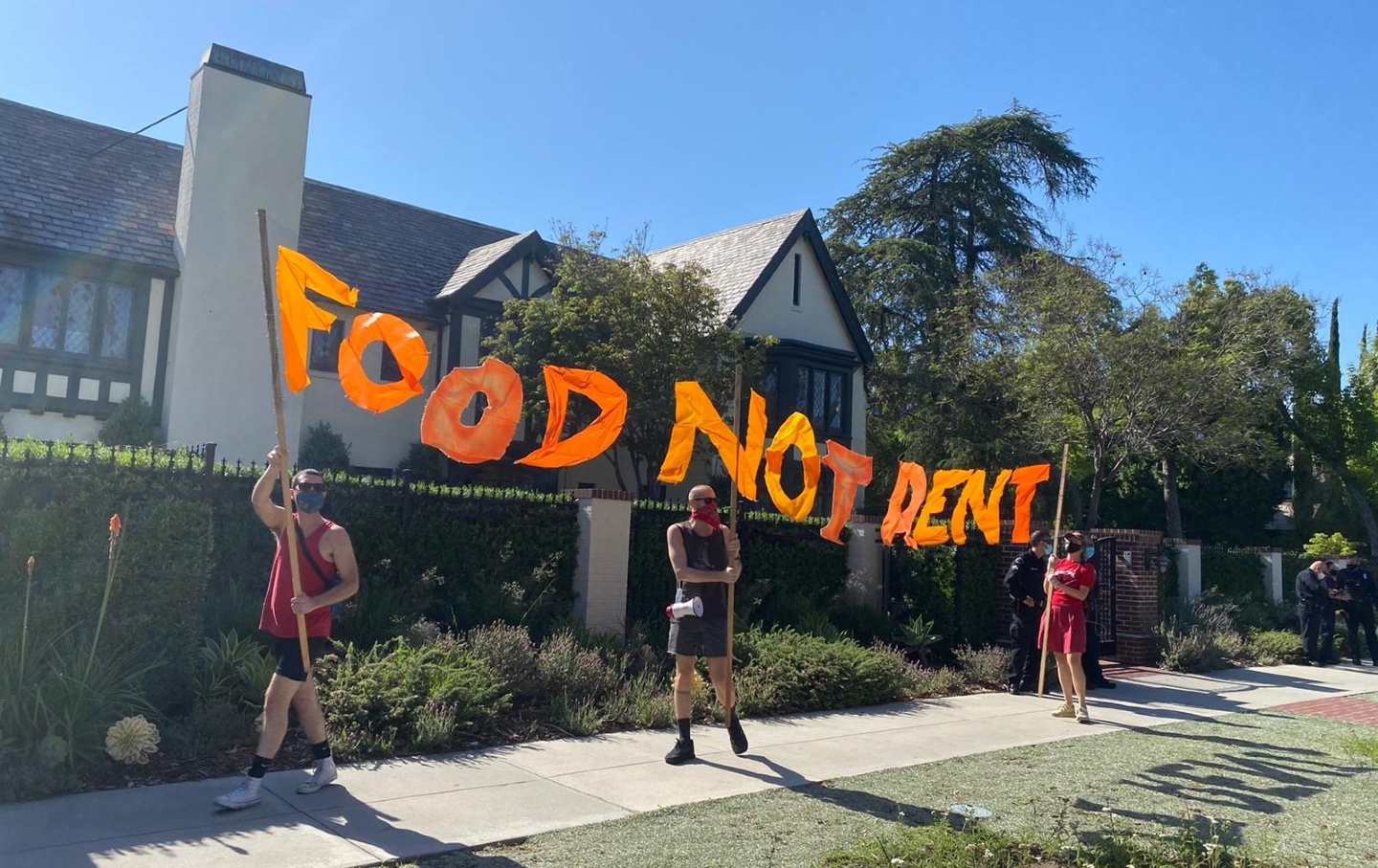
The legal framework surrounding evictions in Los Angeles is complex and often confusing for both landlords and tenants. Following the expiration of various emergency protections that were implemented during the global pandemic, the city has transitioned back to a standard legal process. However, this transition has been fraught with challenges for individuals attempting to maintain their housing status.
The Complexity of Rental Ordinances
Los Angeles operates under a set of local rent stabilization ordinances that are designed to protect tenants from unfair rent increases and arbitrary evictions. Despite these protections, navigating the bureaucracy required to assert these rights is a daunting task. Tenants are often unaware of their legal protections or lack the financial resources to hire legal counsel to challenge unjust eviction filings. This lack of awareness serves as a barrier to housing security, allowing some landlords to skirt regulations and remove tenants under the guise of “renoviction”—where buildings are purportedly cleared for major renovations.
Eviction Defense and Tenant Protections
In response to the rising crisis, local advocacy groups and the Los Angeles City Council have worked to introduce programs aimed at providing legal support for tenants. Programs that guarantee a “right to counsel” have been proposed to level the playing field, ensuring that residents have the necessary representation to fight against illegal evictions. These legal safeguards are essential in maintaining the socio-economic diversity that makes neighborhoods like Hollywood and Venice Beach so vibrant.
The Future of Housing Stability in the City
The long-term health of Los Angeles as a major metropolis depends heavily on its ability to solve the housing affordability puzzle. The current eviction surge is not merely a legal or economic problem; it is a cultural one that threatens the stability of the communities that define the region.
The Need for Increased Housing Supply
Policy experts suggest that the most effective way to curb evictions is to increase the overall housing stock. By encouraging the development of multi-family units and streamlining the permitting process for affordable housing, California leaders hope to alleviate the intense competition for available rentals. Increased supply is expected to stabilize rent prices, providing relief to those currently struggling to make ends meet in competitive markets like West Hollywood.

Holistic Solutions for Community Well-being
Solving the eviction crisis requires a multi-pronged approach that goes beyond supply and demand. This includes:
- Expansion of Rent Assistance Programs: Providing short-term subsidies to prevent households from falling into cycles of debt.
- Tenant Education: Raising awareness about legal rights and the resources available through local government and community nonprofits.
- Support for Small Landlords: Recognizing that many property owners in areas like Pasadena are also struggling with rising costs and need financial support to keep rents stable for their tenants.
The challenge of eviction in Los Angeles remains a sobering reality for thousands of families. While the city continues to attract dreamers and professionals alike, the sustainability of life in this iconic West Coast metropolis depends on its commitment to ensuring that residents can afford to stay in the homes they have built. As the city evolves, the focus must shift from purely aesthetic and economic growth to the foundational stability of the people who call Los Angeles home. Only by addressing the root causes of economic strain and strengthening the legal safeguards for tenants can the city maintain its status as a place where anyone, regardless of income, can participate in the unique culture of Southern California. The path forward is undoubtedly difficult, but by prioritizing housing security, the city can ensure a more equitable future for all its inhabitants, from the bustling streets of Koreatown to the quiet residential hills of Burbank.
LifeOutOfTheBox is a participant in the Amazon Services LLC Associates Program, an affiliate advertising program designed to provide a means for sites to earn advertising fees by advertising and linking to Amazon.com. Amazon, the Amazon logo, AmazonSupply, and the AmazonSupply logo are trademarks of Amazon.com, Inc. or its affiliates. As an Amazon Associate we earn affiliate commissions from qualifying purchases.