
California has long been celebrated as a land of opportunity, innovation, and unparalleled natural beauty, drawing millions of residents and visitors alike to its sun-kissed shores, towering redwoods, and vibrant urban centers. From the bustling streets of Los Angeles to the iconic Golden Gate Bridge in San Francisco, the Golden State offers a lifestyle that many aspire to. However, this aspirational living often comes with a significant financial caveat: high taxes. Understanding the multifaceted reasons behind California’s elevated tax rates is crucial for anyone considering making it their home, launching a business, or simply planning an extended stay or a family trip, as these taxes profoundly impact every aspect of the California lifestyle, from budget travel to luxury living.
The Golden State’s Costly Shine: Understanding the Tax Landscape
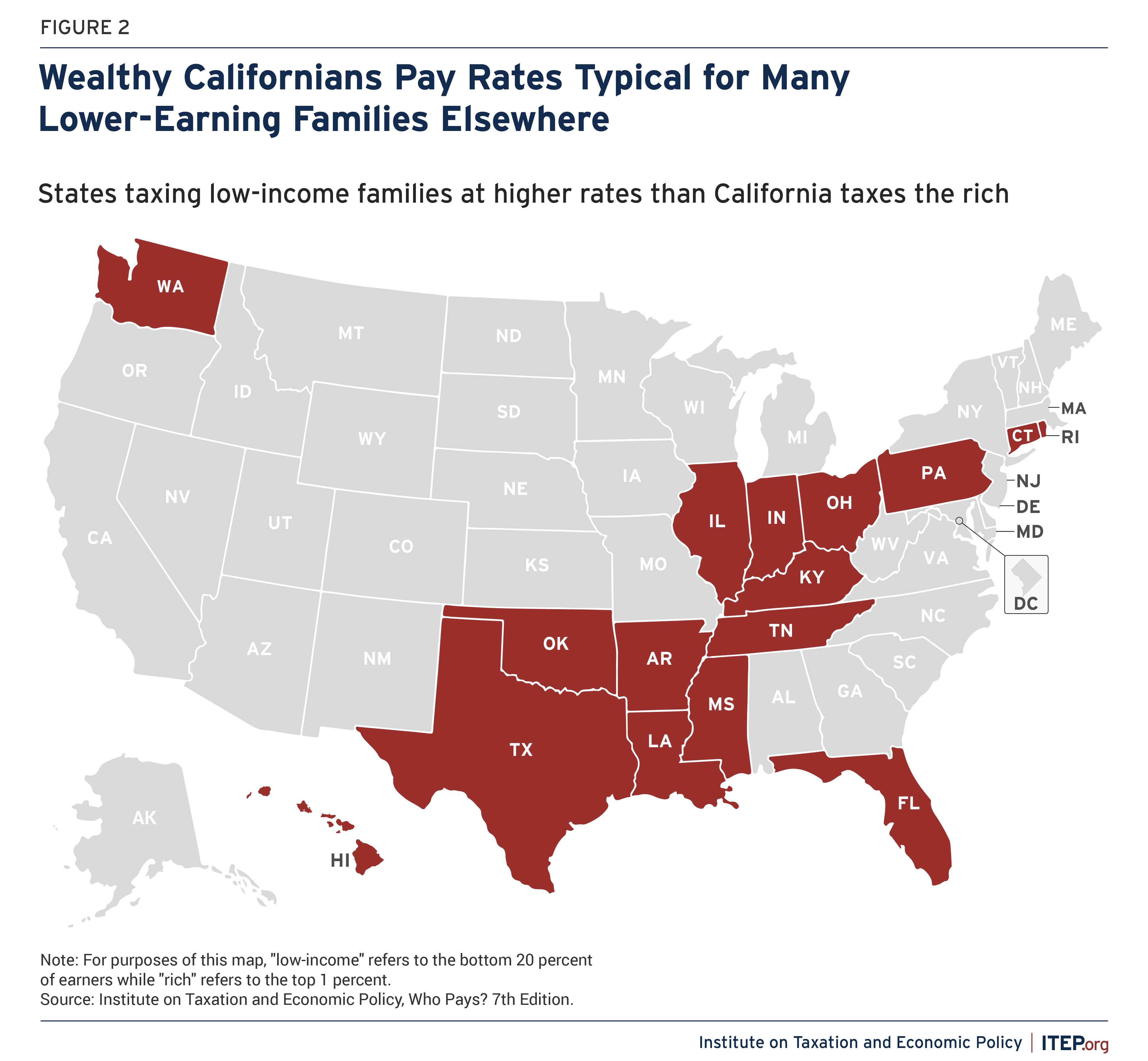
California’s tax structure is complex, comprising various levies that contribute to its status as one of the highest-taxed states in the United States. These taxes fund an extensive array of public services, infrastructure projects, and social programs, reflecting the state’s progressive political leanings and its commitment to environmental protection and social welfare.
Income Tax: A Progressive Burden
One of the most significant contributors to California’s high tax burden is its progressive income tax system. The state boasts the highest top marginal income tax rate in the nation, reaching 13.3% for high earners. This rate applies to incomes over $1 million for individuals and $2 million for joint filers, including a 1% surcharge for mental health services. While the lower brackets are more modest, the progressive nature means that as income rises, a larger percentage is paid in taxes. This directly impacts the disposable income of residents, influencing everything from the feasibility of luxury travel to the amount available for family trips or investment in local businesses. For those considering a business stay, the high personal income tax can also affect employee salaries and overall compensation packages, increasing the cost of attracting and retaining talent.
Sales Tax: Affecting Everyday Spending
Beyond income, nearly every transaction in California is subject to sales tax. The statewide base sales tax rate is 7.25%, but local jurisdictions often add their own district taxes, pushing the combined rate significantly higher in many areas. For example, in Los Angeles County, the sales tax rate can reach 9.5%, and in some cities, it can exceed 10%. This means that whether you’re buying groceries, clothing, a new car, or dining out at a restaurant, a substantial portion of your expenditure goes towards sales tax. For budget travelers, this can mean a higher cost for meals and souvenirs. For those enjoying a luxury lifestyle, the impact on high-value purchases is even more pronounced, making premium goods and services considerably more expensive.
Property Tax: The Prop 13 Paradox
While California’s property tax system, largely governed by Proposition 13, might seem like a relief compared to other taxes, it contributes to the overall high cost of living. Prop 13 limits the annual increase in assessed property value to 2% and caps the property tax rate at 1% of the assessed value at the time of purchase, plus local bonds and fees. While this offers stability for long-term homeowners, it also means that new homebuyers or those acquiring property often face significantly higher property tax bills based on current market values. The incredibly high property values across much of California, particularly in desirable areas like Orange County or Santa Barbara, translate into substantial annual property tax payments, impacting the financial planning for long-term stays or establishing a permanent residence.
Specialty Taxes and Fees
California also implements a range of other taxes and fees that add to the overall fiscal burden. These include high gas taxes, which contribute to the cost of transportation and impact the feasibility of extensive road trips; vehicle registration fees; and various local levies that fund specific municipal services. For businesses, there are corporate taxes, payroll taxes, and specific industry taxes that can influence operational costs and ultimately be passed on to consumers. These various fees collectively contribute to the perception of California as an expensive place to live, work, and even visit.
Impact on Lifestyle Choices: Budget vs. Luxury Living
The cumulative effect of California’s high taxes significantly shapes lifestyle choices for both residents and visitors. Understanding these impacts is key to planning your experience, whether you’re seeking a lavish escape or a more budget-conscious adventure.
Affording the California Dream: Housing and Daily Expenses
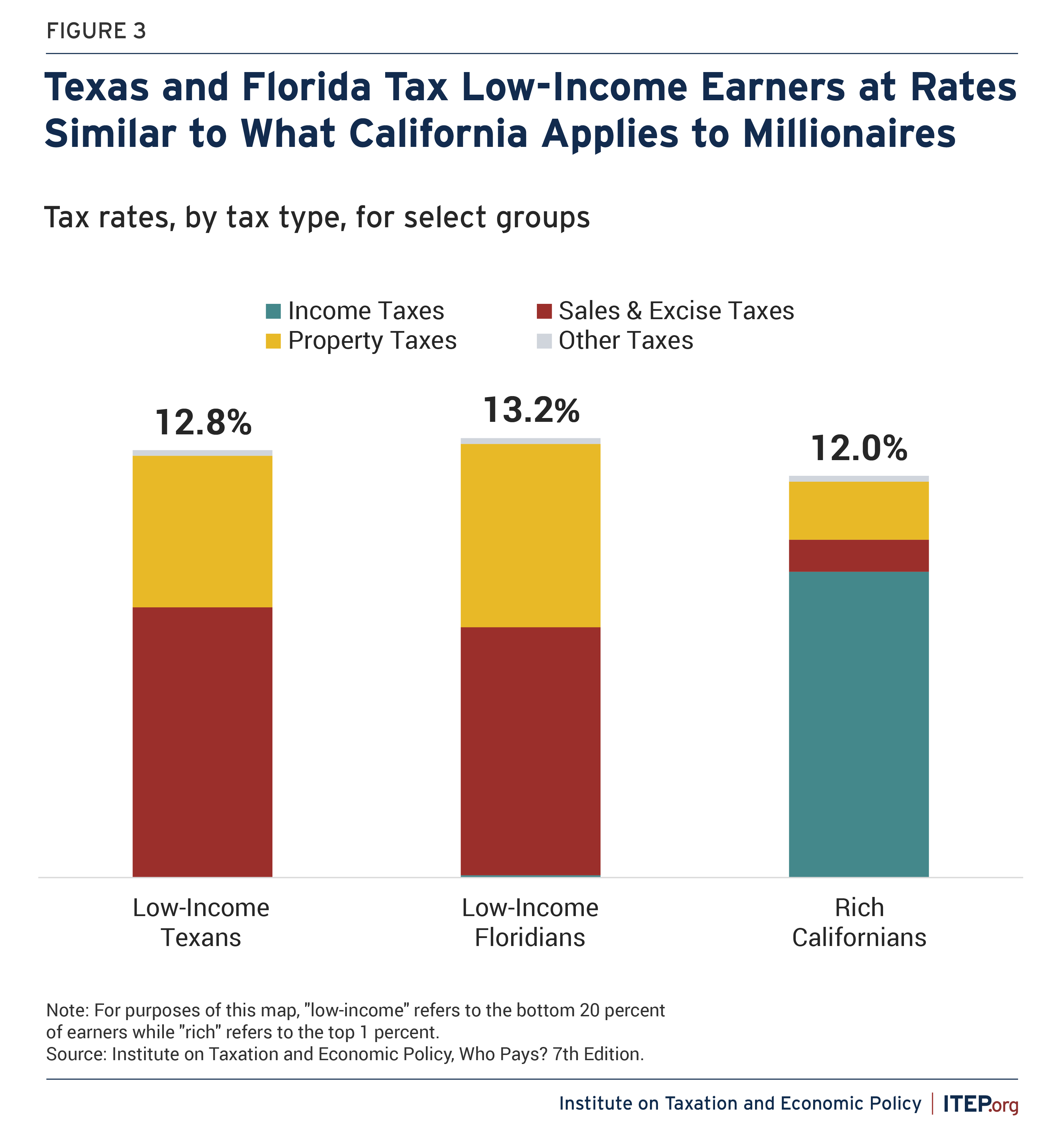
The “California Dream” is often synonymous with beautiful homes and a vibrant social scene, but the high taxes, combined with exorbitant housing costs, make this dream financially challenging for many. Higher income and property taxes mean less discretionary income, directly affecting a household’s ability to save, invest, or spend on leisure. Daily expenses, from groceries to entertainment, are also inflated by sales taxes, pushing up the overall cost of living. This forces many residents to adopt more budget-conscious lifestyles, seeking out free attractions, cooking at home more often, and carefully planning their entertainment expenses. For those considering a long-term stay, meticulous budgeting becomes paramount.
Budget-Conscious Exploration: Travel and Leisure
For travelers, the high tax environment necessitates careful planning, especially for those on a budget.
- Accommodation: While hotels are subject to sales tax and additional occupancy taxes, opting for vacation rentals or extended-stay apartments can sometimes offer better value, particularly for longer trips or family trips. However, even these are subject to various local taxes.
- Dining: Eating out frequently can quickly deplete a budget due to high menu prices and sales tax. Exploring farmers’ markets, packing picnics for beach days, or seeking out more casual, local eateries can help manage costs.
- Transportation: High gas taxes mean driving across the state, while scenic, is an expensive endeavor. Utilizing public transport in major cities like San Francisco or Los Angeles or planning trips with fewer driving segments can mitigate costs.
- Activities: California offers numerous free natural attractions, from its stunning national parks (though entrance fees apply to some) to its expansive coastline. Prioritizing these can allow for an enriching experience without excessive spending.
Luxury Living: The Cost of Exclusivity
For those who embrace a luxury lifestyle, California still offers unparalleled opportunities, but at a premium. High-end shopping, exclusive dining experiences, and stays at opulent resorts like The Ritz-Carlton, Laguna Niguel or Post Ranch Inn will all reflect the state’s elevated tax structure. Whether it’s the sales tax on a designer purchase in Beverly Hills or the total cost of a lavish meal in Napa Valley, the taxes are an integral part of the price tag. Luxury travel, therefore, is not just about the base cost of goods and services, but also about the significant additional percentage added by various taxes, which can add up to thousands on high-value experiences.
Business Stays and Entrepreneurial Spirit
California’s high taxes also play a critical role in the landscape for business stays and the entrepreneurial spirit that defines regions like Silicon Valley. Businesses face unique challenges and opportunities in this environment.
Corporate Taxes and Operational Costs
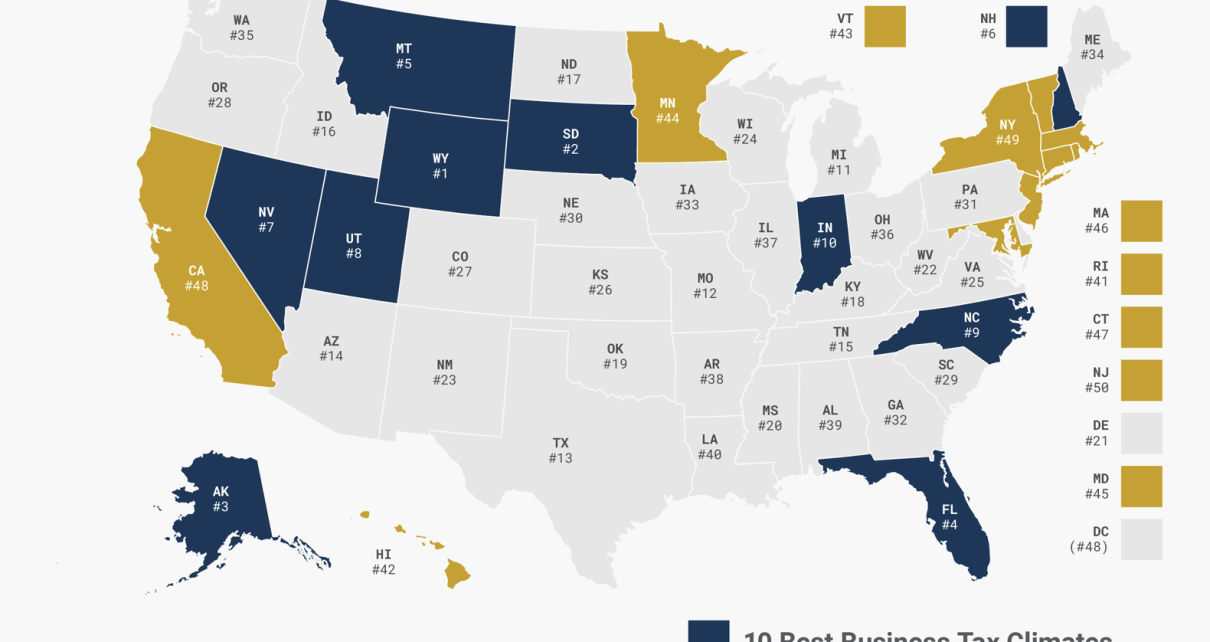
The state’s corporate tax rate, at 8.84% for general corporations, is among the highest in the United States. This, coupled with higher payroll taxes, property taxes for commercial real estate, and other regulatory fees, increases the operational costs for businesses. This can influence pricing strategies for products and services, making everything from a tech gadget to a hotel stay potentially more expensive for consumers and business travelers. Companies planning business stays often factor in these higher operational costs when budgeting for conferences, temporary offices, or employee relocation.
Talent Acquisition and Retention
Despite the high taxes, California remains a magnet for top talent, especially in tech and creative industries. However, businesses must offer highly competitive salaries and benefits to offset the high cost of living and the substantial income tax burden faced by their employees. This further contributes to the overall cost of doing business in California. For entrepreneurs, navigating this tax environment requires strategic planning and a clear understanding of the financial implications for both their venture and their workforce.
Navigating the High-Tax Environment
Living or visiting California under a high-tax regime doesn’t negate its immense appeal, but it does demand a pragmatic approach to financial planning and lifestyle choices.
Strategic Financial Planning
For residents, strategic financial planning, including tax-efficient investing and leveraging available deductions, becomes crucial to maximize disposable income. For businesses, understanding tax incentives and optimizing operational structures can help mitigate some of the higher costs. Even for visitors planning a significant family trip or an extended stay, being aware of how sales tax and other levies will impact their budget allows for a more realistic and enjoyable experience.
Embracing California’s Unique Value
Ultimately, the high taxes in California fund the very elements that make the state so desirable: world-class education, robust infrastructure (though constantly challenged by growth), innovative public health initiatives, and comprehensive environmental protection programs. The state’s commitment to these areas, combined with its unparalleled natural beauty, diverse culture, and economic dynamism, creates a unique lifestyle that many find worth the premium. Whether you’re seeking a budget-conscious adventure exploring the national parks or indulging in the ultimate luxury travel experience, understanding the tax landscape is fundamental to fully embracing and enjoying all that the Golden State has to offer.
LifeOutOfTheBox is a participant in the Amazon Services LLC Associates Program, an affiliate advertising program designed to provide a means for sites to earn advertising fees by advertising and linking to Amazon.com. Amazon, the Amazon logo, AmazonSupply, and the AmazonSupply logo are trademarks of Amazon.com, Inc. or its affiliates. As an Amazon Associate we earn affiliate commissions from qualifying purchases.