
The sight of a flag flying at half-staff is a somber and universally recognized symbol. It signifies mourning, respect, and remembrance for individuals or events of significant national or state importance. In Texas, the Lone Star State, these lowered flags serve as a poignant visual cue that something profound has occurred, prompting a collective pause and reflection. Understanding the reasons behind this tradition is crucial for anyone visiting or residing in Texas, offering insight into its rich history, its values, and the profound sense of community that binds its people.
The practice of flying flags at half-staff is rooted in centuries of tradition and protocol, observed not only in the United States but across many nations. It’s a silent language, communicating a shared sentiment of sorrow or honor. In Texas, this practice is governed by specific laws and executive orders, ensuring that it is observed appropriately and with due reverence. When Texas flags are lowered, it’s a signal that the state is collectively acknowledging a loss or paying tribute to a significant occasion.

Understanding the Protocol: When and Why Flags are Lowered
The decision to lower the state flag is not taken lightly. It’s a deliberate act, often initiated by the Governor of Texas or through established federal guidelines that also apply to state flags. The primary reasons for lowering the Texas flag to half-staff generally fall into a few distinct categories, each carrying its own weight and significance.
Honoring Fallen Heroes and Public Servants
One of the most common reasons for the Texas flag to fly at half-staff is to honor the lives and service of individuals who have made significant contributions to the state or the nation, particularly those who have made the ultimate sacrifice. This can include:
- Peace Officers and Firefighters: The bravery and dedication of law enforcement officers and firefighters are deeply valued in Texas. When an officer or firefighter is killed in the line of duty, the Texas flag is often lowered to half-staff in their honor. This is a visible way for the state to express its gratitude and acknowledge the profound loss felt by their families, colleagues, and communities. The Texas Department of Public Safety and various local law enforcement agencies will often coordinate these observances, ensuring widespread recognition.
- Elected Officials and Dignitaries: The passing of prominent figures such as current or former governors, legislators, judges, or other high-ranking public officials is also marked by flying the flag at half-staff. This practice recognizes their service to the state and the impact they had on its governance and development. The duration of the half-staff observance might vary depending on the individual’s tenure and influence.
- Military Personnel: While federal flags often follow national directives for honoring fallen service members, Texas also has its own protocols for acknowledging the loss of Texas residents who have died while serving in the armed forces. This is a deeply ingrained aspect of Texas culture, which has a strong military heritage and a profound respect for those who serve.
Commemorating National and State Tragedies
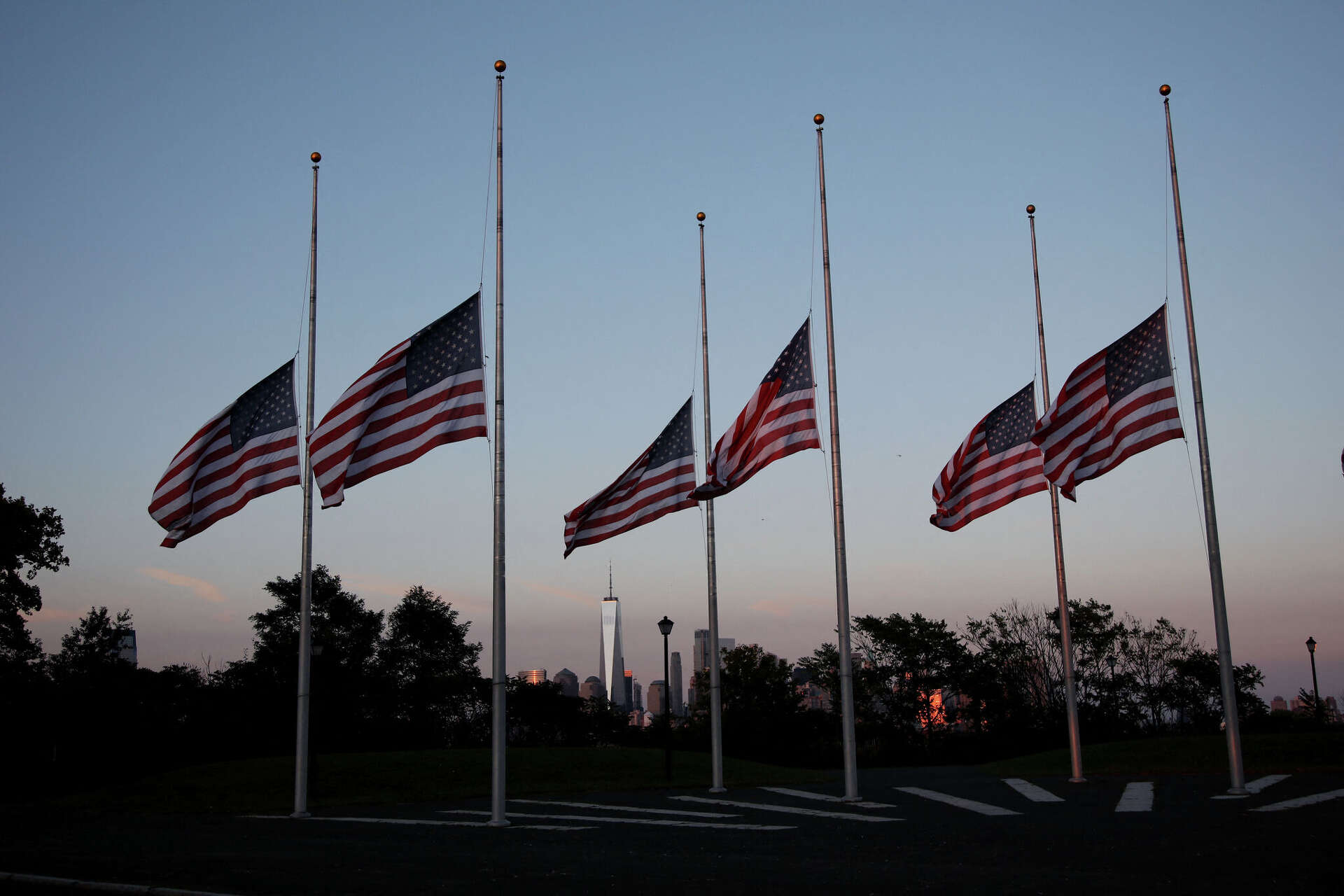
Beyond honoring individuals, the Texas flag is also lowered to mark significant tragedies, both within the state and at a national level. These events serve as stark reminders of the fragility of life and the importance of unity and resilience.
- Acts of Terrorism and Mass Violence: In the wake of horrific events like terrorist attacks or mass shootings, the Texas flag, alongside federal flags, will be lowered to half-staff as a sign of national mourning and solidarity. Such events shake the foundations of communities and require a collective period of grief and reflection. The Texas State Capitol building in Austin would prominently display these observances.
- Natural Disasters: While less common for prolonged periods, in the immediate aftermath of devastating natural disasters that result in significant loss of life or widespread destruction, flags might be lowered as a gesture of sympathy and remembrance for the victims.
- National Days of Mourning: The Governor of Texas will often issue proclamations aligning with federal directives to lower the Texas flag for national days of mourning, such as after the passing of a former President of the United States.
Special Observances and Tributes
The practice of flying flags at half-staff in Texas isn’t solely about loss. It can also be a way to pay tribute or observe significant historical moments.
- Memorial Day and Pearl Harbor Remembrance Day: These days are specifically designated for remembrance. On Memorial Day, flags are flown at half-staff until noon and then raised to full-staff. On Pearl Harbor Remembrance Day (December 7th), flags are flown at half-staff to remember the lives lost during the attack. These observances are deeply ingrained in the American consciousness and are faithfully observed in Texas.
- Presidential Proclamations: The President of the United States can issue proclamations calling for the flag to be flown at half-staff, which then applies to all federal buildings and agencies, including those in Texas. These proclamations are often tied to national tragedies or the passing of significant national figures.

The Significance of Half-Staff Observance in Texas Culture
The act of flying the Texas flag at half-staff is more than just a bureaucratic directive; it’s a cultural expression that resonates deeply within the state. Texas is known for its strong sense of identity, its history of resilience, and its deep respect for tradition. The lowered flag becomes a focal point for community reflection and a tangible manifestation of shared values.
For visitors exploring Texas, understanding these observances can enhance their appreciation for the state’s character. Whether one is visiting the historic Alamo in San Antonio, exploring the vibrant streets of Houston, or enjoying the natural beauty of Big Bend National Park, observing the flags at half-staff provides a moment to connect with the state’s collective consciousness. It’s a reminder that beneath the state’s diverse landscapes and lively cities, there lies a shared commitment to honoring its people and acknowledging moments of significance.
The adherence to flag protocol in Texas reflects a broader commitment to civic duty and respect. It’s a visual reminder that the state is a community that grieves together, honors its fallen, and remembers its history. This tradition, while seemingly simple, carries a profound weight, connecting the present to the past and fostering a sense of shared purpose and remembrance among its citizens and visitors alike. When you see the Texas flag at half-staff, know that it is a deliberate act of respect, a moment of collective introspection for the Lone Star State.
LifeOutOfTheBox is a participant in the Amazon Services LLC Associates Program, an affiliate advertising program designed to provide a means for sites to earn advertising fees by advertising and linking to Amazon.com. Amazon, the Amazon logo, AmazonSupply, and the AmazonSupply logo are trademarks of Amazon.com, Inc. or its affiliates. As an Amazon Associate we earn affiliate commissions from qualifying purchases.