
The tranquil turquoise waters surrounding Oahu, Hawaii, belie a profound and somber history beneath their surface. Here, at Pearl Harbor, lies the silent testament to a pivotal moment in global history: the wreck of the USS Arizona. More than just a sunken battleship, the USS Arizona serves as an eternal tomb for over 1,177 crewmen and a powerful symbol of sacrifice and resilience. For travelers seeking destinations rich in historical significance and emotional depth, a visit to the USS Arizona Memorial is an essential, transformative experience. This comprehensive guide delves into the harrowing events of December 7, 1941, explores the enduring legacy of the USS Arizona, and provides practical insights for those planning a pilgrimage to this hallowed ground, integrating it seamlessly into a memorable Hawaii travel itinerary.

A Timeless Tribute: The USS Arizona’s Enduring Legacy
The story of the USS Arizona is inextricably linked to the cataclysmic events that thrust the United States into World War II. Understanding its fate requires a journey back to that fateful Sunday morning in 1941, a day that irrevocably altered the course of history for America and the world.
The Day That Changed History: December 7, 1941
On the morning of December 7, 1941, Pearl Harbor, the headquarters of the United States Pacific Fleet, was a scene of serene peacetime routine. Sailors aboard the battleships, cruisers, and destroyers moored in the harbor were enjoying a typical Sunday, some preparing for church, others catching up on sleep or writing letters home. The USS Arizona, a Pennsylvania-class battleship, was one of the jewels of the fleet, having arrived in Hawaii in 1940 as part of President Franklin D. Roosevelt’s strategy to deter Japanese expansionism.
At 7:55 AM, the tranquility was shattered by the roar of Japanese dive bombers and torpedo planes. The surprise attack, launched by the Imperial Japanese Navy, targeted the naval base with devastating precision. Within minutes, the harbor transformed into a scene of unimaginable chaos, fire, and destruction. The USS Arizona was anchored in “Battleship Row” when it suffered multiple direct hits. At approximately 8:06 AM, a high-level bomber dropped an armor-piercing bomb that penetrated the ship’s deck near the forward magazine. The resulting explosion was catastrophic, ripping through the ship, lifting it out of the water, and breaking its keel. The inferno that followed raged for two days. Of the 1,512 crewmen on board that morning, 1,177 perished, many trapped within the burning, sinking wreckage. Their sacrifice marked the single greatest loss of life in the attack and remains a profound wound in the nation’s memory. The visible remnants of the USS Arizona’s superstructure above the water quickly became a haunting symbol of the day’s tragedy.
From Battleship to Memorial: Honoring the Fallen
The decision to leave the USS Arizona in its final resting place, rather than salvage it completely, was made early on. It was deemed a sacred burial ground, a poignant reminder of the unprovoked attack and the immense human cost of war. In 1962, the iconic USS Arizona Memorial was dedicated, spanning the sunken hull of the battleship. Designed by architect Alfred Preis, the structure is a masterful blend of solemnity and hope. Its concave shape symbolizes the initial despair of the nation, while the rising ends represent triumphant peace. The memorial does not touch the sunken ship but rather floats above it, allowing visitors to look down into the clear waters and witness the rusted remains of the battleship, often observing a continuous trickle of oil still rising from its depths – the “black tears” of the Arizona.
The memorial also features the “Shrine Room,” a wall inscribed with the names of all 1,177 crew members lost. For many, this is the most impactful part of the visit, offering a personal connection to those who made the ultimate sacrifice. The USS Arizona Memorial stands not only as a grave marker but as a global landmark representing resilience, remembrance, and the pursuit of peace. Its enduring presence draws millions of tourists annually, making it one of Hawaii’s most visited attractions and a powerful symbol of tourism that transcends mere sightseeing, inviting deep reflection.
Visiting the USS Arizona Memorial: A Journey of Reflection
A trip to the USS Arizona Memorial is more than just a historical excursion; it’s an immersive experience that evokes powerful emotions and offers a vital lesson in history. As a prime destination for cultural and historical tourism, planning your visit carefully can enhance its impact.
Planning Your Pilgrimage: Access and Etiquette
The USS Arizona Memorial is part of the broader Pearl Harbor National Memorial, managed by the National Park Service. Access to the memorial itself is via a short boat ride from the visitor center. Tickets are required and are released daily, often selling out quickly, especially during peak travel seasons. It is highly recommended to book tickets well in advance online through the National Park Service website or to arrive early in the morning to secure same-day walk-in tickets. The visitor center offers ample parking, though visitors should note strict security measures are in place; bags larger than a small clutch purse are not allowed. Lockers are available for a fee.
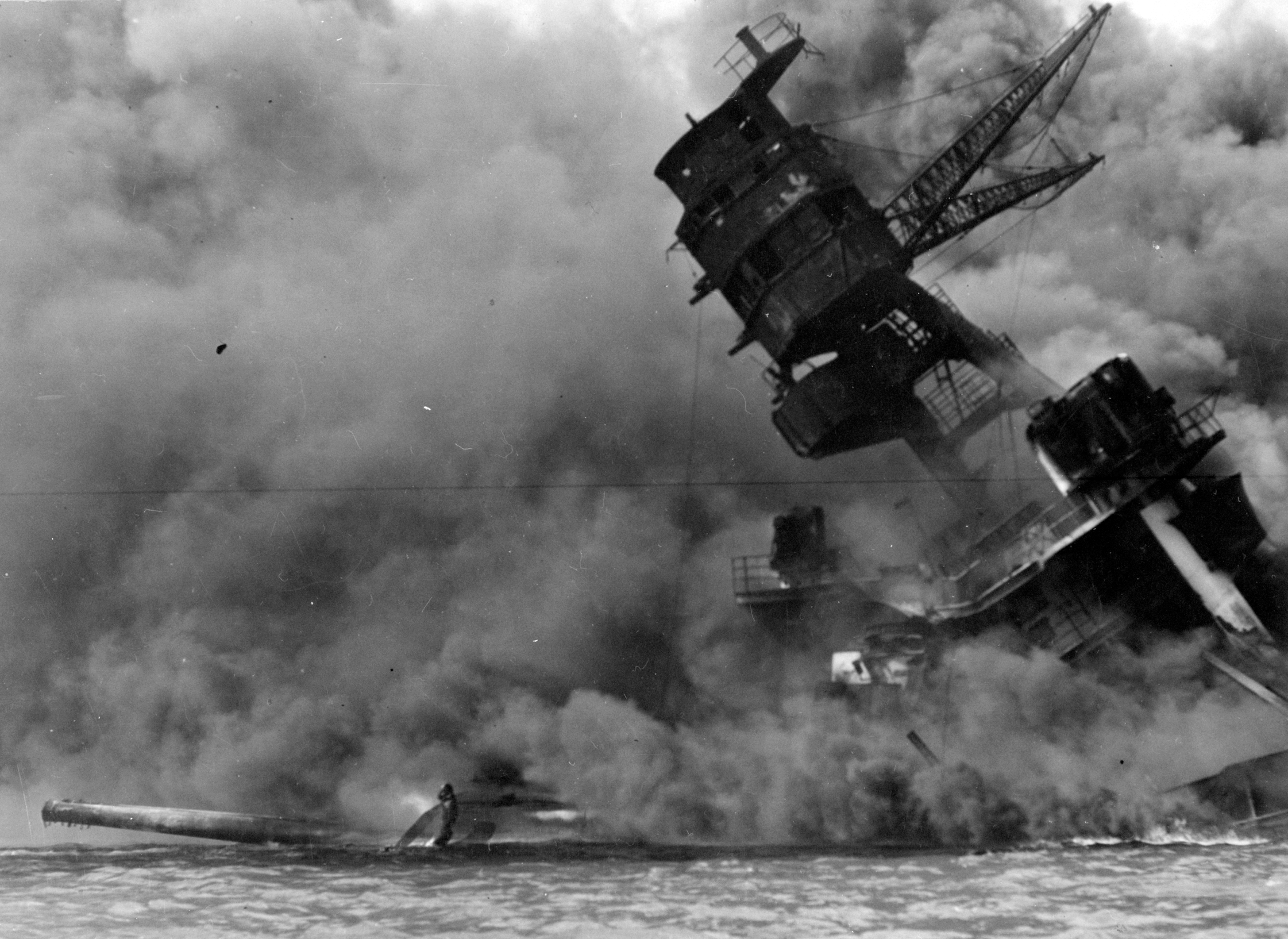
Given the solemn nature of the site, respectful behavior is paramount. Visitors are encouraged to dress appropriately and maintain a quiet, reflective demeanor throughout their visit. This isn’t merely an attraction; it’s a sacred space, a tomb, and a memorial to fallen heroes. Embracing this perspective enriches the experience significantly, aligning with responsible tourism practices that honor local culture and history.
The Visitor Experience: Beyond the Monument
The journey to the USS Arizona Memorial typically begins at the Pearl Harbor National Memorial Visitor Center. Here, visitors can explore two comprehensive museums: “Road to War” and “Attack Gallery.” These exhibits use artifacts, personal accounts, and interactive displays to tell the story of the attack, its causes, and its immediate aftermath. A powerful documentary film, screened before the boat trip to the memorial, provides essential historical context and prepares visitors for the emotional weight of what they are about to see.
The boat ride to the memorial is short, allowing time for quiet contemplation as the iconic white structure comes into view. Once aboard the memorial, the atmosphere is hushed. Looking down into the water, visitors can see remnants of the ship’s structure, including the barbettes of the lost turrets, and often, the names of the lost still clearly visible on the oil slick that gently rises to the surface. The Shrine Room, with its wall of names, provides a powerful and personal connection to the tragedy. Here, the weight of history and the sacrifice of those young lives become acutely real, making it an unforgettable and deeply moving experience for any traveler.
Exploring Pearl Harbor and Oahu: Beyond the Memorial
While the USS Arizona Memorial is undoubtedly the centerpiece of a visit to Pearl Harbor, the broader area offers a wealth of historical sites and cultural experiences that extend the narrative of World War II and provide a more comprehensive understanding of Oahu’s significance. Integrating these attractions into your itinerary transforms a single visit into a rich, multi-faceted travel experience, catering to various lifestyle preferences from history buffs to families.
Nearby Attractions and Cultural Experiences
The Pearl Harbor National Memorial campus includes several other significant historical sites that complement the USS Arizona Memorial. These “museums and memorials” offer different perspectives on the war and naval history:
- Battleship Missouri Memorial: Affectionately known as “Mighty Mo,” this iconic battleship hosted the formal surrender of Japan, officially ending World War II. Visitors can explore its decks, walk in the footsteps of history, and see the spot where the surrender document was signed. It offers a powerful contrast to the Arizona, symbolizing the war’s end and the dawn of peace.
- Pacific Aviation Museum Pearl Harbor: Located on Ford Island, this museum is housed in historic hangars that survived the 1941 attack. It features an impressive collection of vintage aircraft, interactive exhibits, and flight simulators, telling the story of aviation in the Pacific Ocean theater of war.
- USS Bowfin Submarine Museum & Park: Visitors can explore a real World War II submarine, nicknamed the “Pearl Harbor Avenger,” which sank 44 enemy ships. This provides a fascinating glimpse into the cramped living conditions and daring missions of submariners during the war.
- USS Utah Memorial and USS Oklahoma Memorial: While not as widely visited as the Arizona, these memorials honor the other battleships significantly damaged or sunk during the attack, providing a more complete picture of the devastation.
Beyond Pearl Harbor, Oahu itself is a vibrant destination offering a plethora of attractions. From the iconic beaches of Waikiki and hiking trails of Diamond Head to the regal history of Iolani Palace, the only official residence of royalty in the United States, there’s something for every traveler. Cultural enthusiasts can delve into Hawaiian history at the Bishop Museum or experience traditional Polynesian culture at the Polynesian Cultural Center. Adventure seekers might enjoy activities at Kualoa Ranch, famous as a filming location for Hollywood blockbusters, or explore the surfing mecca of the North Shore.

Accommodation and Lifestyle in Hawaii
Oahu’s status as a premier travel destination means visitors have an incredible range of accommodation options to suit every budget and lifestyle. From luxury resorts to boutique hotels and budget-friendly apartments, finding the perfect place to stay to complement your Pearl Harbor visit is easy.
For those seeking luxury and convenience, the resorts along Waikiki Beach offer unparalleled amenities. The Hilton Hawaiian Village Waikiki Beach Resort is a sprawling property with multiple pools, restaurants, and direct beach access. Other iconic options include the historic Moana Surfrider, A Westin Resort & Spa, Waikiki Beach, known as the “First Lady of Waikiki,” or the pink palace, The Royal Hawaiian, a Luxury Collection Resort, Waikiki. These hotels provide a luxurious base for exploring Honolulu and its surroundings, offering everything from exquisite suites to family-friendly amenities.
Further afield, for those desiring a more secluded, upscale experience, the Four Seasons Resort Oahu at Ko Olina on the island’s west side provides stunning ocean views, championship golf courses, and world-class spas. For budget-conscious travelers or those preferring a more local experience, numerous vacation rentals, boutique hotels, and guesthouses can be found throughout Honolulu and surrounding neighborhoods. These options often provide self-catering facilities, ideal for longer stays or family trips.
The lifestyle on Oahu perfectly blends urban sophistication with relaxed island charm. Visitors can indulge in world-class dining, explore high-end shopping at Ala Moana Center, or stroll through the historic downtown area, home to landmarks like the Aloha Tower. Beyond the city, the island offers endless opportunities for outdoor activities, from snorkeling in Hanauma Bay to exploring the rugged beauty of the Kaiwi Coast. A visit to the USS Arizona Memorial, while somber, is seamlessly integrated into this vibrant tapestry of Hawaiian travel, reminding us that even amidst paradise, history leaves an indelible mark. This journey of remembrance not only educates but also enriches, providing a profound understanding of global history and the enduring human spirit, making Hawaii a destination that offers far more than just beautiful beaches. It is a place where history, culture, and natural beauty intertwine, inviting a deep and meaningful travel experience.
LifeOutOfTheBox is a participant in the Amazon Services LLC Associates Program, an affiliate advertising program designed to provide a means for sites to earn advertising fees by advertising and linking to Amazon.com. Amazon, the Amazon logo, AmazonSupply, and the AmazonSupply logo are trademarks of Amazon.com, Inc. or its affiliates. As an Amazon Associate we earn affiliate commissions from qualifying purchases.