
California, often romanticized as the Golden State, a land of endless sunshine, innovation, and breathtaking natural beauty, draws millions of visitors annually. From the glittering shores of the Pacific Ocean to the majestic peaks of Yosemite National Park, and the vibrant cultural hubs of Los Angeles and San Francisco, the allure is undeniable. Tourists flock to experience its diverse offerings, from exploring Hollywood’s iconic landmarks to crossing the Golden Gate Bridge or immersing themselves in the magic of Disneyland. However, beneath this glamorous facade lies a profound and complex social challenge: the pervasive issue of homelessness. Understanding why so many individuals find themselves without stable housing in one of the world’s wealthiest economies is crucial for anyone seeking a comprehensive grasp of California’s contemporary landscape and local culture. For visitors and prospective residents alike, recognizing the multifaceted roots of this crisis provides a deeper, more empathetic perspective on the state’s unique character, moving beyond curated experiences to engage with its societal realities.
The Paradox of Prosperity: California’s Economic Double-Edged Sword
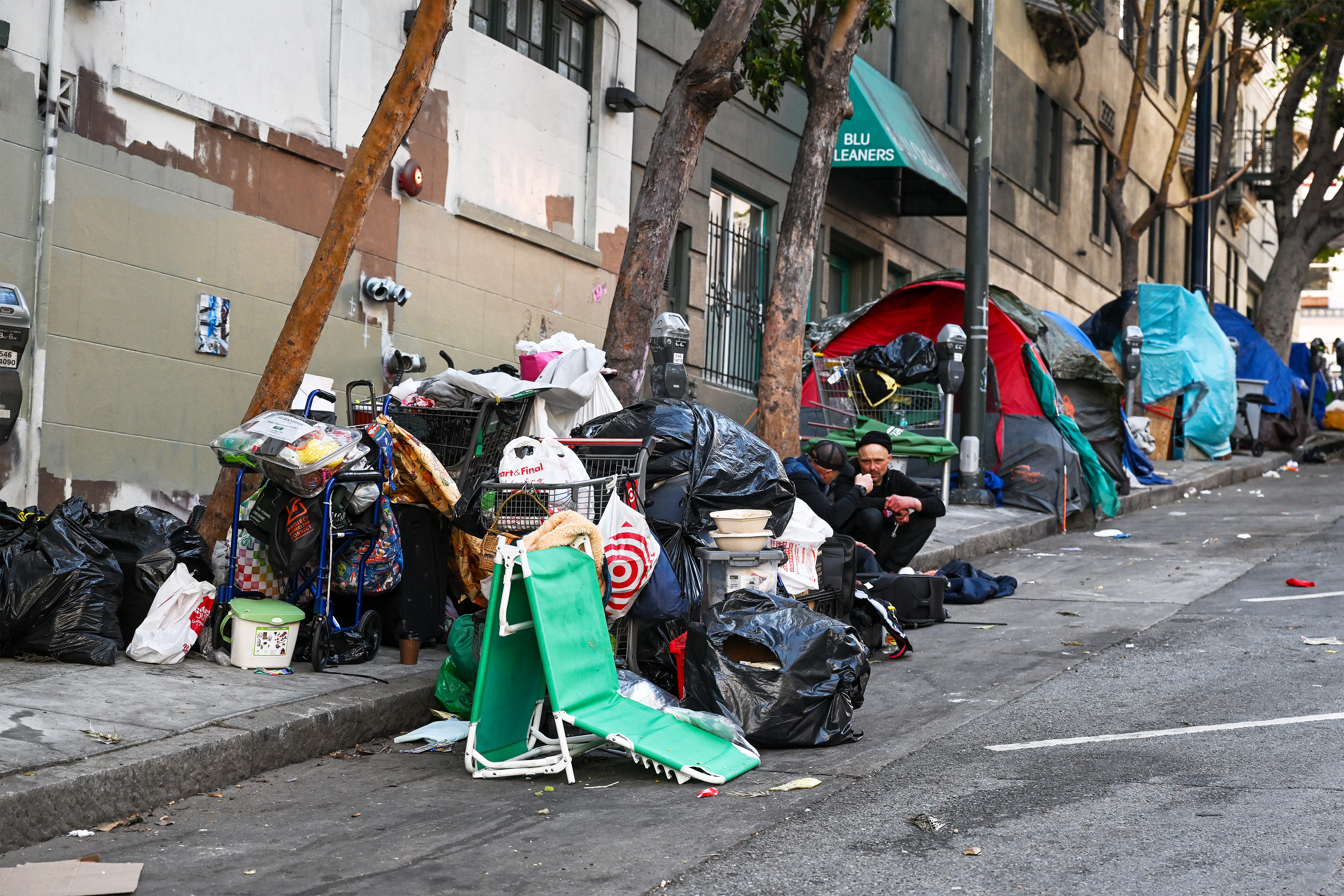
California’s economy is a global powerhouse, renowned for its technological innovation, agricultural bounty, and entertainment industry. Yet, this very prosperity often exacerbates the housing crisis, creating a stark dichotomy between wealth and poverty. The state’s economic magnetism, while attracting talent and investment, simultaneously inflates the cost of living to unsustainable levels for many.
The Housing Affordability Crisis
At the heart of California’s homelessness crisis is an acute shortage of affordable housing. Decades of underbuilding, coupled with restrictive zoning laws and a booming population, have driven housing costs sky-high. In major metropolitan areas like San Francisco, Los Angeles, San Diego, and Oakland, median rents and home prices are among the highest in the nation. For an individual or family to afford a modest two-bedroom apartment, they often need to earn several times the minimum wage. This immense pressure means that even a minor financial setback—a job loss, a medical emergency, or unexpected expenses—can push individuals and families who were once stable into precarious housing situations or outright homelessness. The gap between what people earn and what housing costs has widened dramatically, leaving a significant portion of the population vulnerable to displacement.
Wage Stagnation vs. Soaring Cost of Living
While California boasts impressive economic growth and a high median household income, these figures often mask significant income inequality. For many low-wage workers, particularly those in service industries that cater to tourism and the affluent, wages have not kept pace with the soaring cost of living. A person working full-time at minimum wage can barely afford rent in even the least expensive areas of the state, let alone its major cities. This disparity creates a constant struggle for survival for a substantial segment of the workforce, turning stable employment into a precarious existence where one missed paycheck can mean the difference between having a roof overhead and sleeping on the streets. The dream of economic mobility, for many, remains just that—a dream, increasingly out of reach as the cost of basic necessities escalates relentlessly.
Impact of Job Instability and the Gig Economy
The modern economy, particularly in innovation hubs like Silicon Valley, has seen a rise in contract work, temporary positions, and the gig economy. While offering flexibility for some, this often comes at the cost of job security, benefits, and predictable income. Many individuals working in these flexible roles lack access to employer-sponsored health insurance, paid sick leave, or retirement plans, leaving them without a safety net during periods of illness, economic downturns, or unexpected life events. A sudden downturn in demand for gig services, a prolonged illness, or even a vehicle breakdown for a rideshare driver can abruptly cut off income, making it impossible to meet rent payments and quickly leading to homelessness. This precarious employment landscape disproportionately affects those already on the economic margins, making it harder for them to build savings or maintain stable housing.
Systemic Failures and Social Safety Net Gaps
Beyond economic factors, systemic issues and inadequacies in social support systems contribute significantly to the proliferation of homelessness in California. These challenges include insufficient mental health services, a history of deinstitutionalization, and complex bureaucratic hurdles in accessing aid. Understanding these underlying social determinants is essential for comprehending the human dimension of the crisis and for developing effective, compassionate solutions.
Gaps in Mental Health and Substance Abuse Services
A significant portion of the homeless population struggles with mental illness, substance use disorders, or co-occurring conditions. While these issues are not always the cause of homelessness, they are frequently significant contributing factors and major impediments to exiting it. California has historically faced challenges in adequately funding and providing accessible mental health and substance abuse treatment services. A lack of inpatient beds, insufficient outpatient programs, and a shortage of qualified professionals mean that many individuals with severe needs do not receive the consistent care required to manage their conditions. Without proper support, individuals may struggle to maintain employment, manage finances, or uphold social relationships, making stable housing an almost insurmountable challenge. The streets often become the default “treatment” facility, perpetuating a cycle of illness and homelessness.
The Role of Deinstitutionalization
Historically, the deinstitutionalization movement of the mid-20th century, while intended to improve patient care by moving individuals with mental illnesses out of large state hospitals and into community-based settings, had an unintended consequence. Without adequate funding for robust community support, transitional housing, and accessible treatment programs, many individuals were discharged without the necessary infrastructure to succeed. This left a void that contributed to a growing number of people with severe mental illnesses living on the streets, a legacy that continues to impact California’s homeless population today. The current system still grapples with the aftermath, striving to build the comprehensive, integrated care models that were envisioned but never fully realized.
Navigating Support Systems and Bureaucracy
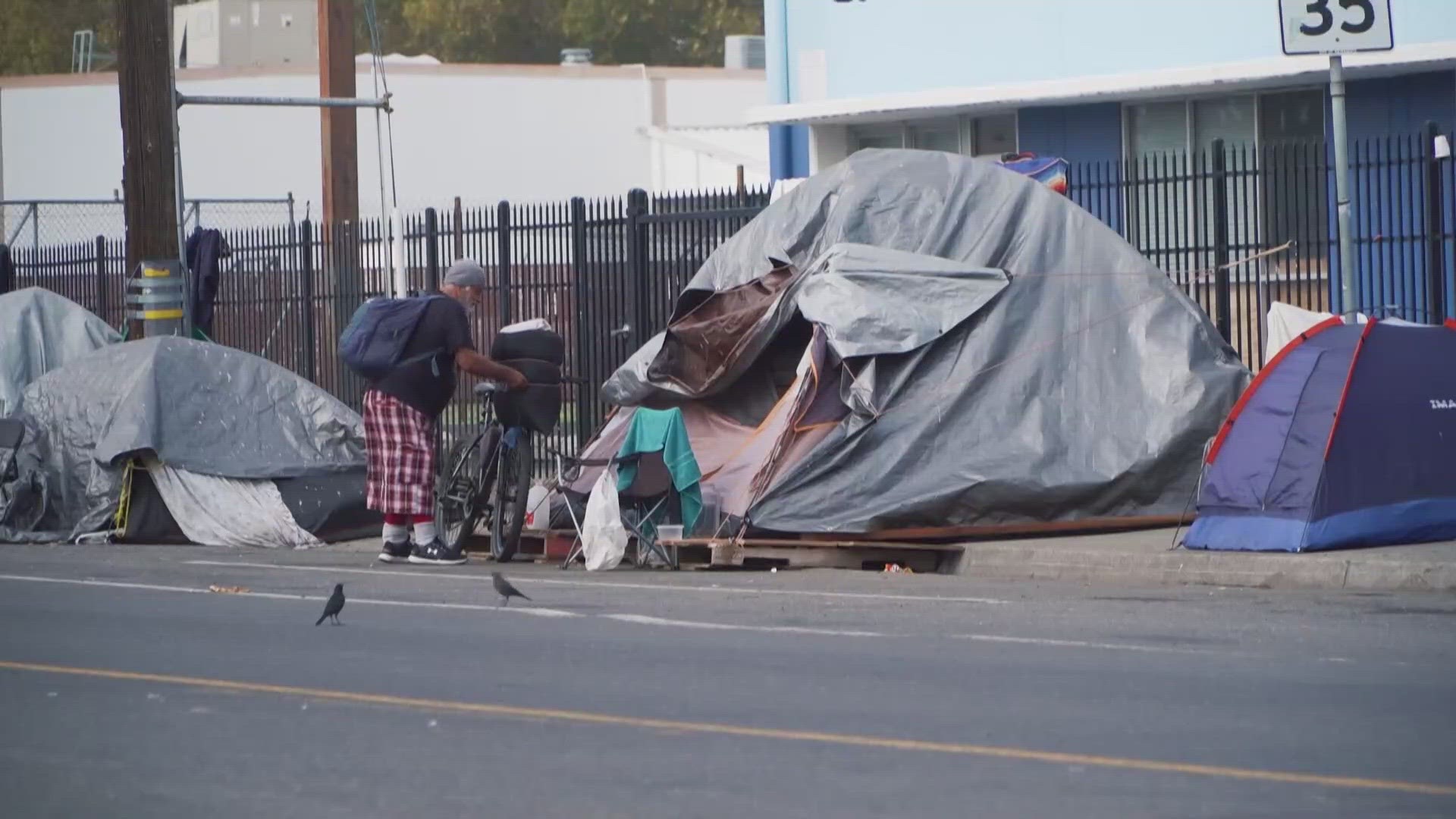
Even for those who seek help, the pathway to accessing social services, housing assistance, and medical care can be incredibly complex and fragmented. The bureaucratic hurdles, extensive paperwork, and often disjointed nature of various programs make it challenging for vulnerable individuals, especially those with cognitive impairments, mental health issues, or language barriers, to navigate the system successfully. Waiting lists for affordable housing vouchers can span years, emergency shelters are often overcrowded, and criteria for different aid programs can be difficult to meet. This complexity can deter individuals from seeking help or lead to them falling through the cracks, reinforcing a sense of hopelessness and making it harder to escape homelessness.
Environmental and Demographic Pressures
Beyond economic and systemic factors, certain environmental and demographic characteristics unique to California also play a role in shaping the homeless crisis. These include the state’s famously mild climate, patterns of migration, and the disproportionate impact on specific vulnerable populations.
California’s Mild Climate
The state’s generally mild weather, particularly in its southern regions and coastal cities, is often cited as a contributing factor to the high visibility of homelessness. While not a root cause, the absence of harsh winters common in other parts of the country means that living outdoors is, for some, a more survivable option than facing extreme cold. This factor can draw individuals experiencing homelessness from states with more severe climates, such as Nevada or Arizona, who seek refuge in California’s more temperate environment. While the intention might be to find greater comfort, it inadvertently contributes to the increasing concentration of unhoused individuals within the state’s urban centers.
Influx of Migrants and Mobility
California has historically been a destination for individuals seeking economic opportunity and a better life, both from within the United States and internationally. While migration is a testament to the state’s enduring appeal, not all who arrive succeed in establishing stable lives. Some migrants, lacking established support networks, financial resources, or familiarity with local systems, can quickly become vulnerable to homelessness when initial opportunities do not materialize or unforeseen difficulties arise. Additionally, the sheer mobility of the U.S. population means that some individuals experiencing homelessness in other states, perhaps from Oregon or across the country, eventually make their way to California in search of a fresh start, inadvertently adding to the state’s existing challenges.
Vulnerable Populations
Certain demographic groups are disproportionately affected by homelessness. Veterans, often grappling with service-related trauma, mental health issues, and difficulties transitioning to civilian life, represent a significant portion. Youth, especially those aging out of foster care or fleeing unstable home environments (including LGBTQ+ youth rejected by their families), are highly susceptible. Survivors of domestic violence, often forced to leave their homes with little to no resources, also face immense barriers to securing safe and stable housing. These specific vulnerabilities highlight the need for targeted interventions and specialized support services that address the unique circumstances of these populations, ensuring they have the necessary resources to escape and prevent homelessness.
Addressing the Crisis: Efforts and Outlook for the Future
The scale and complexity of homelessness in California demand a comprehensive and multi-pronged approach. Both state and local governments, alongside numerous non-profit organizations and community groups, are actively engaged in developing and implementing strategies to alleviate the crisis. For those interested in understanding California’s evolving social landscape, awareness of these efforts is key.
State and Local Initiatives
California has invested billions of dollars in recent years to combat homelessness. Initiatives like Project Homekey, launched during the COVID-19 pandemic, have successfully converted hotels, motels, and other underutilized buildings into permanent supportive housing. The “Housing First” model, which prioritizes providing immediate housing without preconditions, coupled with comprehensive support services, is increasingly being adopted across the state. Cities like Sacramento, San Francisco, and Los Angeles are experimenting with various strategies, from rapid re-housing programs and rental assistance to expanded shelter capacity and outreach efforts targeting unsheltered populations. These initiatives reflect a growing recognition that addressing homelessness requires not just temporary solutions but long-term, systemic changes that focus on stable housing and integrated care.
Community Engagement and Tourism’s Role
While the state tackles large-scale solutions, community-level engagement remains vital. Local charities, food banks, volunteer groups, and advocacy organizations play a crucial role in providing immediate aid, support, and a voice for the unhoused. For tourists, understanding this aspect of California’s local culture means recognizing the humanity of the situation and the efforts being made. Responsible tourism, in this context, involves acknowledging the social realities of the places visited, perhaps even supporting local businesses that employ or empower people experiencing homelessness, or contributing to reputable local non-profits. It’s about moving beyond mere observation to a more informed and compassionate engagement with the local environment.

A Path Forward
Solving California’s homelessness crisis is not a simple task, but the commitment to finding sustainable solutions is evident. It requires continued investment in affordable housing, expanded access to mental health and addiction services, improved coordination among social service agencies, and a fundamental shift in how society views and addresses the needs of its most vulnerable members. For anyone visiting or living in California, understanding the depth and breadth of this challenge, alongside the dedicated efforts to overcome it, offers a more complete and authentic picture of this complex and fascinating state. It’s a reminder that even in a land of dreams and innovation, societal well-being requires continuous attention and collective responsibility.
LifeOutOfTheBox is a participant in the Amazon Services LLC Associates Program, an affiliate advertising program designed to provide a means for sites to earn advertising fees by advertising and linking to Amazon.com. Amazon, the Amazon logo, AmazonSupply, and the AmazonSupply logo are trademarks of Amazon.com, Inc. or its affiliates. As an Amazon Associate we earn affiliate commissions from qualifying purchases.