
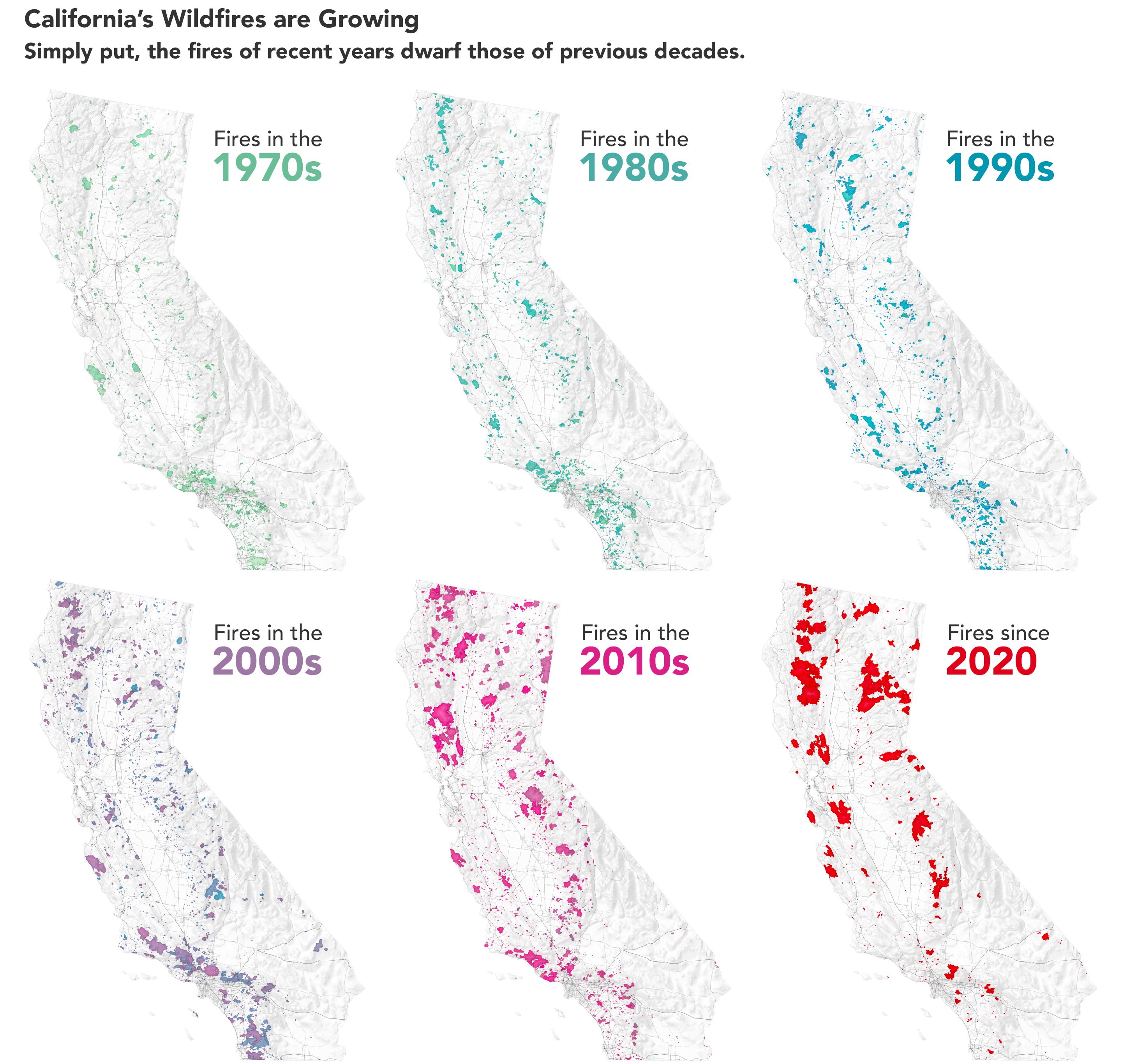
California, a state synonymous with sunshine, innovation, and breathtaking natural beauty, has also become increasingly associated with a darker, more ominous phenomenon: rampant wildfires. The image of smoke-filled skies and glowing infernos has become an all too familiar, and often tragic, backdrop to life in the Golden State. While wildfires are a natural part of many ecosystems, the frequency, intensity, and scale of fires in California in recent years are unprecedented and demand a deeper understanding of the complex factors at play. This isn’t merely a natural event; it’s a confluence of climatic shifts, human activity, and policy challenges that have created a persistent vulnerability.

The Complex Nexus of Factors
The recurring conflagrations in California are not attributable to a single cause but rather a multifaceted interplay of environmental, climatic, and anthropogenic elements. Understanding these interconnected forces is crucial to grasping the state’s ongoing struggle.
Climate Change: The Accelerant
Perhaps the most significant overarching factor is the undeniable impact of climate change. Rising global temperatures have a profound effect on California’s environment, creating a more conducive atmosphere for large-scale fires.
Intensified Drought Conditions
California has always experienced periods of drought, but climate change is exacerbating these cycles, making them longer, more severe, and more widespread. Warmer temperatures increase evaporation from soil and vegetation, drying out fuels and making them highly combustible. This means that even less ignition is required to start a fire, and when fires do start, they spread with remarkable speed and ferocity. The historic drought that gripped the state for much of the last decade, for example, left vast swaths of forests and brushland tinder-dry.
Longer Fire Seasons
The traditional fire season, once confined to the warmer, drier months, is now extending. Warmer winters mean less snowpack, which is a vital source of water for vegetation throughout the spring and summer. This leads to earlier drying of fuels and a prolonged period of high fire risk, stretching from late spring through autumn and even into early winter in some regions.
Increased Extreme Weather Events
Climate change is also linked to an increase in extreme weather events, including powerful windstorms. These winds, often referred to as “Diablo winds” in Northern California and “Santa Ana winds” in Southern California, can fan flames, rapidly spreading fires across vast distances and making them incredibly difficult to control. These winds, coupled with dry conditions, create the perfect storm for catastrophic fire behavior.
Fuel Accumulation: The Unburned Potential
Decades of effective fire suppression have inadvertently created a dangerous situation by allowing vast amounts of dead and dry vegetation to accumulate in California’s wildlands. This “fuel load” acts as a ready source of material for fires to consume, leading to more intense and destructive blazes.
Historical Fire Suppression Policies
For much of the 20th century, the prevailing policy was to suppress all wildfires as quickly as possible. While this approach aimed to protect lives and property, it disrupted natural fire cycles. Many of California’s ecosystems, particularly its forests and shrublands, evolved with frequent, low-intensity fires that cleared out underbrush and young trees, creating a more open landscape. By preventing these natural fires, we allowed dense stands of trees and thick layers of dead vegetation to build up, creating a tinderbox.
Forest Health and Density
The accumulation of fuel has led to unnaturally dense forests, making them more susceptible to insect infestations and disease. Stressed and weakened trees are more likely to die, adding further to the dead fuel load. This overstocking of vegetation also means that fires, when they do ignite, can spread more easily from tree to tree, climbing into the canopy and becoming “crown fires,” which are far more dangerous and destructive.
Human Activity: The Spark and the Spread
While natural ignitions like lightning do occur, a significant percentage of wildfires in California are caused by human activities, ranging from accidental sparks to intentional acts. Furthermore, the built environment’s encroachment into wildland areas, known as the Wildland-Urban Interface (WUI), dramatically increases the risk and impact of fires.
Ignition Sources
Many fires are sparked by human negligence. Common causes include:
- Electrical Equipment: Faulty power lines, sparks from damaged equipment, and downed wires are frequent culprits. This has led to intense scrutiny and legal action against utility companies like Pacific Gas and Electric (PG&E).
- Campfires and Debris Burning: Unattended campfires or improperly extinguished debris burns can easily escape control.
- Vehicles: Hot exhaust systems or dragging chains from vehicles can ignite dry vegetation.
- Arson: Unfortunately, intentional acts of arson also contribute to the wildfire problem.
- Equipment Use: Sparks from machinery, chainsaws, and other equipment used in or near wildlands.
The Wildland-Urban Interface (WUI)
The expansion of development into areas where wildlands and human communities meet is a critical factor. Homes and communities built in or adjacent to forests, chaparral, and grasslands are inherently at greater risk. This proximity means that even smaller fires can quickly threaten lives and property, leading to large-scale evacuations and significant destruction.
Infrastructure Vulnerability
California’s aging infrastructure, particularly its electrical grid, is not well-equipped to handle the challenges posed by extreme weather and dry conditions. This has led to controversial decisions by utility companies to implement Public Safety Power Shutoffs (PSPS), intentionally cutting electricity to vast areas during high fire risk periods to prevent their equipment from igniting fires. While intended as a safety measure, these shutoffs can disrupt communities and businesses.
Addressing the Challenge: A Multifaceted Approach
California is not standing idly by in the face of this crisis. A wide range of strategies are being employed and debated to mitigate the impact of wildfires, focusing on prevention, mitigation, and response.
Forest Management and Fuel Reduction
Restoring ecological balance to California’s forests is a cornerstone of long-term wildfire prevention. This involves a shift away from total suppression and towards more active forest management.
Prescribed Burns
Controlled or prescribed burns, conducted under carefully managed conditions, mimic natural fire cycles. These fires are designed to clear out excess vegetation, reduce fuel loads, and promote forest health. However, the practice is challenging due to air quality concerns, public perception, and the need for specific weather conditions.
Mechanical Thinning and Fuel Breaks
Mechanical thinning involves the removal of smaller trees, brush, and dead vegetation, often by logging or mulching. Creating fuel breaks, cleared areas of vegetation designed to slow or stop the spread of fires, is another important strategy, especially around communities at high risk.
Land Use Planning and Building Codes
The way California plans its communities and builds its structures significantly impacts wildfire resilience.
Stricter Building Codes
New construction in high-risk areas is increasingly subject to stricter building codes, requiring fire-resistant materials and designs. This includes features like ember-resistant vents, dual-paned windows, and fire-resistant roofing. Retrofitting existing homes with these measures is also being encouraged.
Community Preparedness and Evacuation Planning
Educating residents about wildfire risks and promoting preparedness measures are vital. This includes creating defensible space around homes, having an evacuation plan, and assembling emergency kits. Effective evacuation planning by emergency services is also critical to ensure the safety of residents during a fire event.
Infrastructure Modernization and Policy Reform
Addressing the role of utility infrastructure and policy is a significant ongoing effort.
Grid Modernization
Utility companies are investing in modernizing their electrical grids to reduce the risk of ignitions from their equipment. This includes undergrounding power lines in high-risk areas, hardening existing infrastructure against wind and debris, and implementing advanced wildfire detection and monitoring systems.
Policy and Legislative Action
California has seen a flurry of legislative action aimed at addressing wildfire issues. This includes reforms to wildfire liability laws, increased funding for forest management and fire prevention programs, and efforts to streamline the permitting process for forest restoration projects. The debate over how to best manage utility responsibility and accountability for past and future fires remains a contentious but crucial aspect of policy discussions.

The Future of Fire in California
The question of “Why California Always On Fire?” is complex, with no simple answers. It is a state grappling with the escalating consequences of a changing climate, the legacy of past land management practices, and the realities of human development in a fire-prone landscape. The path forward requires a sustained and collaborative effort, encompassing ecological restoration, innovative land-use planning, robust infrastructure investment, and a fundamental shift in how we coexist with fire. While the threat of wildfires will likely remain a part of California’s future, a comprehensive and adaptive strategy offers the best hope for mitigating their devastating impact and protecting the unique natural heritage and vibrant communities of the Golden State.
LifeOutOfTheBox is a participant in the Amazon Services LLC Associates Program, an affiliate advertising program designed to provide a means for sites to earn advertising fees by advertising and linking to Amazon.com. Amazon, the Amazon logo, AmazonSupply, and the AmazonSupply logo are trademarks of Amazon.com, Inc. or its affiliates. As an Amazon Associate we earn affiliate commissions from qualifying purchases.