
Applying for cash aid in California can be a crucial step for individuals and families facing economic hardship. Understanding the process, eligibility requirements, and available programs is essential to navigating this system effectively. This guide aims to provide a comprehensive overview of how to apply for cash assistance in the Golden State, covering the primary programs and the steps involved.
Understanding California’s Cash Aid Programs
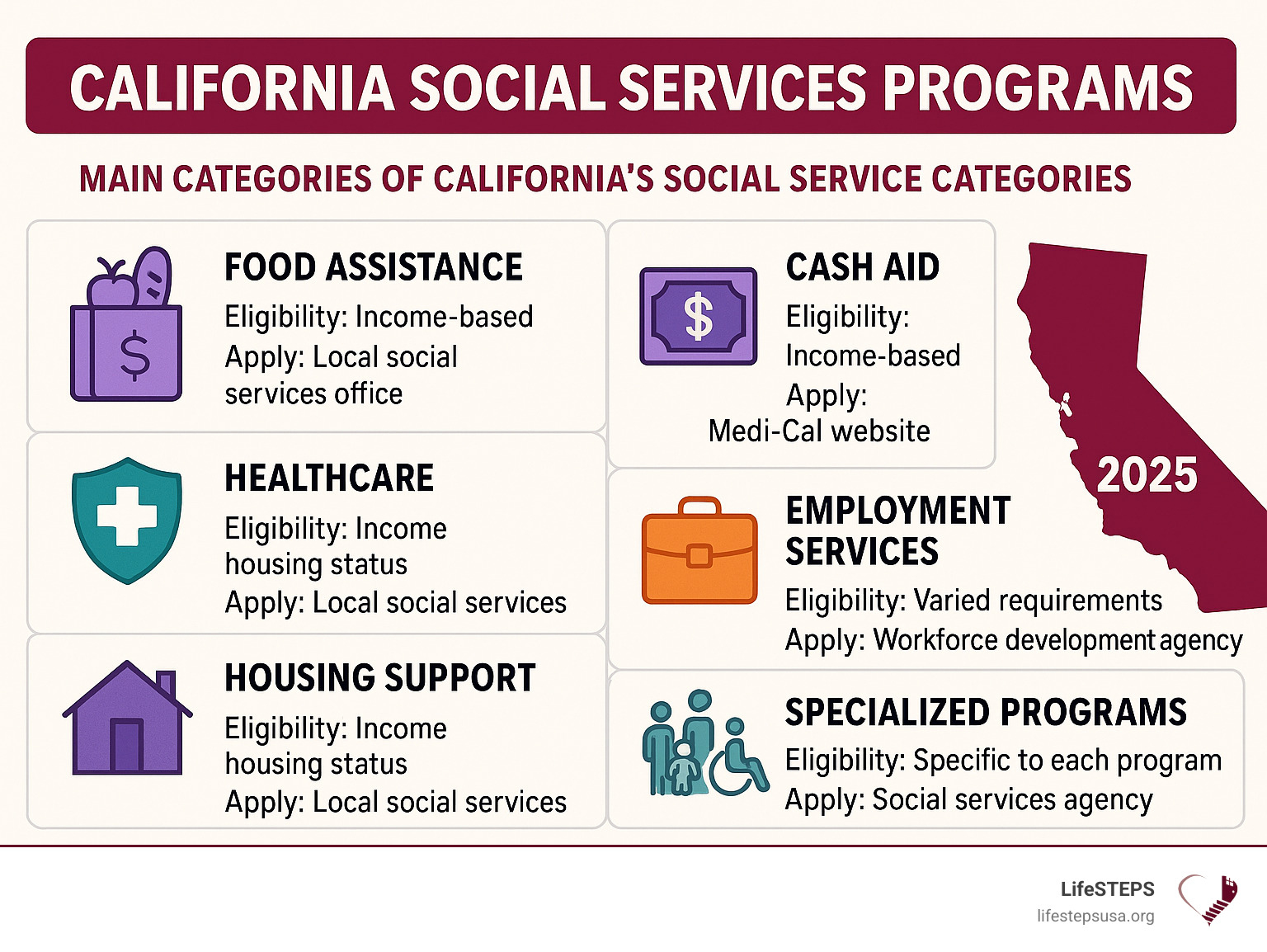
California offers several cash aid programs designed to support low-income individuals and families. The most prominent of these is the CalWORKs program, formerly known as AFDC (Aid to Families with Dependent Children). However, other forms of assistance might be available depending on specific circumstances, such as emergency aid or programs for specific populations.
CalWORKs: The Primary Cash Assistance Program
CalWORKs is California’s primary welfare-to-work program. It provides temporary cash assistance and support services to eligible families with children. The goal of CalWORKs is not only to provide immediate financial relief but also to help recipients become self-sufficient through employment, education, and job training.
Key Components of CalWORKs:
- Cash Assistance: Monthly payments to help cover basic needs like food, housing, and utilities. The amount of assistance is determined by the family’s income, size, and specific needs.
- Employment Services: Job search assistance, resume writing workshops, interview coaching, and referrals to job openings.
- Education and Training: Support for pursuing education or vocational training that can lead to better employment opportunities. This can include funding for community college courses, vocational schools, or adult education programs.
- Childcare Assistance: Subsidized childcare services to enable parents to work or participate in training activities.
- Other Support Services: This can include transportation assistance, mental health services, and substance abuse treatment, all aimed at removing barriers to employment and self-sufficiency.
Eligibility for CalWORKs:
Eligibility for CalWORKs is based on several factors, including:
- Income: Families must have an income below a certain threshold, which varies based on family size.
- Assets: There are limits on the value of assets (like savings accounts and vehicles) that a family can possess.
- Family Composition: The program is primarily for families with dependent children. Single parents, two-parent families where one parent is unemployed or underemployed, and families where a child is deprived of parental support due to the absence, disability, or death of a parent may be eligible.
- Work Requirements: Most adult recipients are required to participate in work activities unless they meet specific exemption criteria (e.g., having a disability, caring for a very young child, or being a pregnant woman in her third trimester).
Other Potential Cash Aid Avenues
While CalWORKs is the most common cash aid program, other avenues may exist for specific situations:
- Kin-GAP (Kinship Guardianship Assistance Program): This program provides cash assistance to relative caregivers (such as grandparents or aunts/uncles) who have assumed legal guardianship of a child and meet certain eligibility criteria. It’s designed to provide financial support to help these caregivers raise the children in their homes.
- IHSS (In-Home Supportive Services): While not strictly cash aid in the same vein as CalWORKs, IHSS provides services to eligible aged, blind, or disabled individuals who need assistance with activities of daily living so they can remain safely in their own homes. Some recipients may use their IHSS payments to hire family members as caregivers, which can function as a form of financial support.
- County-Specific Programs: Some individual counties within California may have their own local programs or initiatives offering emergency financial assistance for specific needs, though these are generally more limited in scope and duration.
The Application Process: Step-by-Step
Applying for cash aid in California, particularly for CalWORKs, involves a structured process. It’s crucial to be organized and prepared to ensure a smooth application.
Step 1: Gather Necessary Information and Documents
Before you begin your application, it’s highly recommended to gather as much of the following documentation as possible. Having these readily available will expedite the process.
- Identification: Social Security numbers for all household members applying, proof of identity (e.g., driver’s license, state ID, passport), and proof of residency in California (e.g., utility bills, lease agreement).
- Income Information: Pay stubs for the last 30-60 days for all working household members, unemployment benefits statements, self-employment records, or any other proof of income.
- Asset Information: Bank statements (checking and savings accounts), information on any stocks, bonds, or other investments, and details about any vehicles or real estate owned.
- Household Information: Birth certificates for all children, proof of pregnancy (if applicable), marriage certificates or divorce decrees, and immigration or citizenship documents.
- Medical Information: Information about any disabilities or medical conditions that may affect an individual’s ability to work.
- Housing Information: Rent receipts or mortgage statements.
Step 2: Locate Your Local County Social Services Office
CalWORKs is administered at the county level. Therefore, the first practical step is to identify and contact your local county social services agency. You can usually find this information on the California Department of Social Services (CDSS) website or by searching online for “[Your County Name] Social Services.”
Step 3: Choose Your Application Method
Most counties offer multiple ways to apply:
- Online Application: This is often the quickest and most convenient method. Many counties have online portals where you can create an account, fill out the application, and upload supporting documents. Look for links to “online applications” or “apply for benefits” on your county’s social services website.
- In-Person Application: You can visit your local social services office to pick up a paper application or complete one on-site. This can be beneficial if you need assistance or prefer to speak directly with a caseworker.
- Phone Application: In some cases, you may be able to start an application over the phone. Contact your local office to inquire about this option.
- Mail or Fax: Some counties may still accept applications via mail or fax, though this is generally the slowest method.
Step 4: Complete the Application Form

Whether you apply online, in person, or by mail, the application form will ask for detailed information about your household, income, assets, expenses, and circumstances. Be thorough, accurate, and honest in your responses. Incomplete or inaccurate information can lead to delays or denial of your application.
- Sections to Expect: The application typically includes sections on personal information, household composition, income, expenses, assets, work history, and specific needs (like childcare or disability).
- Honesty is Key: It’s crucial to report all income and assets, even if they seem small. Failure to do so can result in penalties, including repayment of benefits and ineligibility for future aid.
Step 5: Attend an Interview (If Required)
After submitting your application, you will likely be scheduled for an interview with a caseworker. This interview is an opportunity for the caseworker to:
- Review your application and clarify any information.
- Explain the program rules and your responsibilities.
- Assess your eligibility in detail.
- Discuss available services and next steps.
Be prepared to answer questions about your financial situation, family needs, and employment history. Bring copies of all the documents you gathered in Step 1 to the interview.
Step 6: Submit Verification Documents
During or after your interview, you will be asked to provide verification for the information you reported. This might include:
- Proof of identity and residency.
- Verification of income (pay stubs, employer letters, tax returns).
- Bank statements and asset statements.
- Birth certificates and Social Security cards.
- Proof of school enrollment or participation in training programs.
- Medical documentation if claiming disability.
Your caseworker will provide a list of required documents and deadlines for submission. It is imperative to meet these deadlines to avoid delays or denial.
Step 7: Await a Decision
Once all your documentation has been submitted and verified, your application will be processed. The county will review your case to determine your eligibility for CalWORKs or other applicable programs. You will receive a formal notification by mail or electronically, informing you of the decision and, if approved, the amount of aid you will receive and when it will begin.
Navigating the System: Tips for Success
Applying for cash aid can feel overwhelming, but a strategic approach can make the process more manageable.
Be Prepared and Organized
As emphasized throughout, having your documents organized and readily available is paramount. Keep copies of everything you submit. A binder or digital folder can be invaluable for tracking your application and all associated paperwork.
Communicate Clearly and Promptly
Respond to all communications from the social services agency in a timely manner. If you are unsure about a request or need clarification, do not hesitate to ask your caseworker. Keeping an open line of communication can prevent misunderstandings and delays.
Understand Your Rights and Responsibilities
Familiarize yourself with the rules and regulations of the program you are applying for. Knowing your rights and responsibilities as a recipient ensures you can fully benefit from the program and comply with its requirements. The caseworker should explain these to you during the interview process.
Seek Assistance When Needed
If you are struggling with the application process, understanding the forms, or gathering documents, don’t be afraid to ask for help. Many counties offer assistance through:
- County Social Workers: Your primary point of contact for questions and guidance.
- Community-Based Organizations: Numerous non-profits and community groups in California specialize in assisting individuals with benefit applications. They can provide free support, advocacy, and help navigate the complexities of the system.
- Legal Aid Societies: For complex issues or if you believe your rights are being violated, legal aid services may offer assistance.

Stay Informed About Program Changes
Government programs and eligibility requirements can change. Stay updated by visiting the California Department of Social Services (CDSS) website regularly or by asking your caseworker about any updates to program policies.
Applying for cash aid in California is a pathway to essential support for many residents. By understanding the programs available, meticulously following the application steps, and staying organized and communicative, individuals and families can successfully access the financial assistance they need to weather difficult times and work towards greater stability.
LifeOutOfTheBox is a participant in the Amazon Services LLC Associates Program, an affiliate advertising program designed to provide a means for sites to earn advertising fees by advertising and linking to Amazon.com. Amazon, the Amazon logo, AmazonSupply, and the AmazonSupply logo are trademarks of Amazon.com, Inc. or its affiliates. As an Amazon Associate we earn affiliate commissions from qualifying purchases.