
The recurring and often devastating wildfires that sweep across California have become a tragic hallmark of the state’s seasons. These infernos, fueled by a complex interplay of environmental and human factors, not only scar the landscape but also deeply impact the lives and livelihoods of residents and the tourism industry alike. Understanding the genesis of these fires is crucial for appreciating the challenges facing this iconic region and for developing strategies to mitigate their destructive potential. While the immediate causes can vary, a deep dive reveals a consistent pattern rooted in the state’s unique geography, climate, and human activities.
The Elemental Trio: Fuel, Weather, and Ignition
The fundamental ingredients for any wildfire are present in California in abundance: combustible material (fuel), favorable weather conditions, and an ignition source.
The Fuel Load: A Tinderbox Waiting to Ignite
California boasts a diverse and often dense vegetative landscape, from the chaparral-covered hillsides of Southern California to the vast coniferous forests of the Sierra Nevada. This vegetation, under normal conditions, contributes to the region’s breathtaking natural beauty, a significant draw for tourism. However, prolonged periods of drought, which have become increasingly frequent and severe due to climate change, dry out this vegetation, transforming it into highly flammable fuel.
Drought and Dead Vegetation
Decades of fire suppression policies have also inadvertently contributed to the fuel load. Historically, natural fires played a role in clearing out undergrowth and dead plant material. By suppressing all fires, regardless of size, land managers allowed dead trees, shrubs, and leaf litter to accumulate, creating unnaturally dense and dry fuel beds. When these fuel beds do ignite, the fires burn hotter, spread faster, and are more difficult to control. This accumulation of fuel is particularly evident in national forests such as the Sierra National Forest and the Los Padres National Forest, where years of growth have created a significant fire risk.
Invasive Species
The proliferation of certain invasive plant species also plays a role. For instance, species like cheatgrass in drier regions can create a continuous carpet of fine, highly flammable material that ignites easily and spreads fire rapidly. These species often outcompete native vegetation, altering the natural fire cycles and increasing the overall flammability of the landscape.
The Weather: The Perfect Storm
California’s climate, characterized by dry summers and mild, wet winters, creates a natural window for wildfires. However, specific weather patterns can exponentially increase the risk.
Santa Ana and Diablo Winds
The most notorious wind events are the Santa Ana winds in Southern California and the Diablo winds in Northern California. These are strong, dry, and often gusty offshore winds that occur typically in the fall and winter. They accelerate fire spread by fanning flames and carrying embers long distances, allowing fires to rapidly escape initial containment efforts. These winds can push flames with incredible speed through canyons and over ridges, turning small fires into conflagrations within hours. The impact on popular tourist destinations, such as those near the Santa Monica Mountains, can be devastating, leading to closures and evacuations.
High Temperatures and Low Humidity
Prolonged periods of high temperatures and extremely low humidity exacerbate the dryness of the vegetation. When combined with strong winds, these conditions create a hyper-flammable environment where fires can ignite from a seemingly minor spark and grow explosively. The peak of wildfire season often coincides with the hottest and driest months, a period when many visitors flock to California for its beaches, national parks, and outdoor activities.
Ignition: The Spark of Destruction
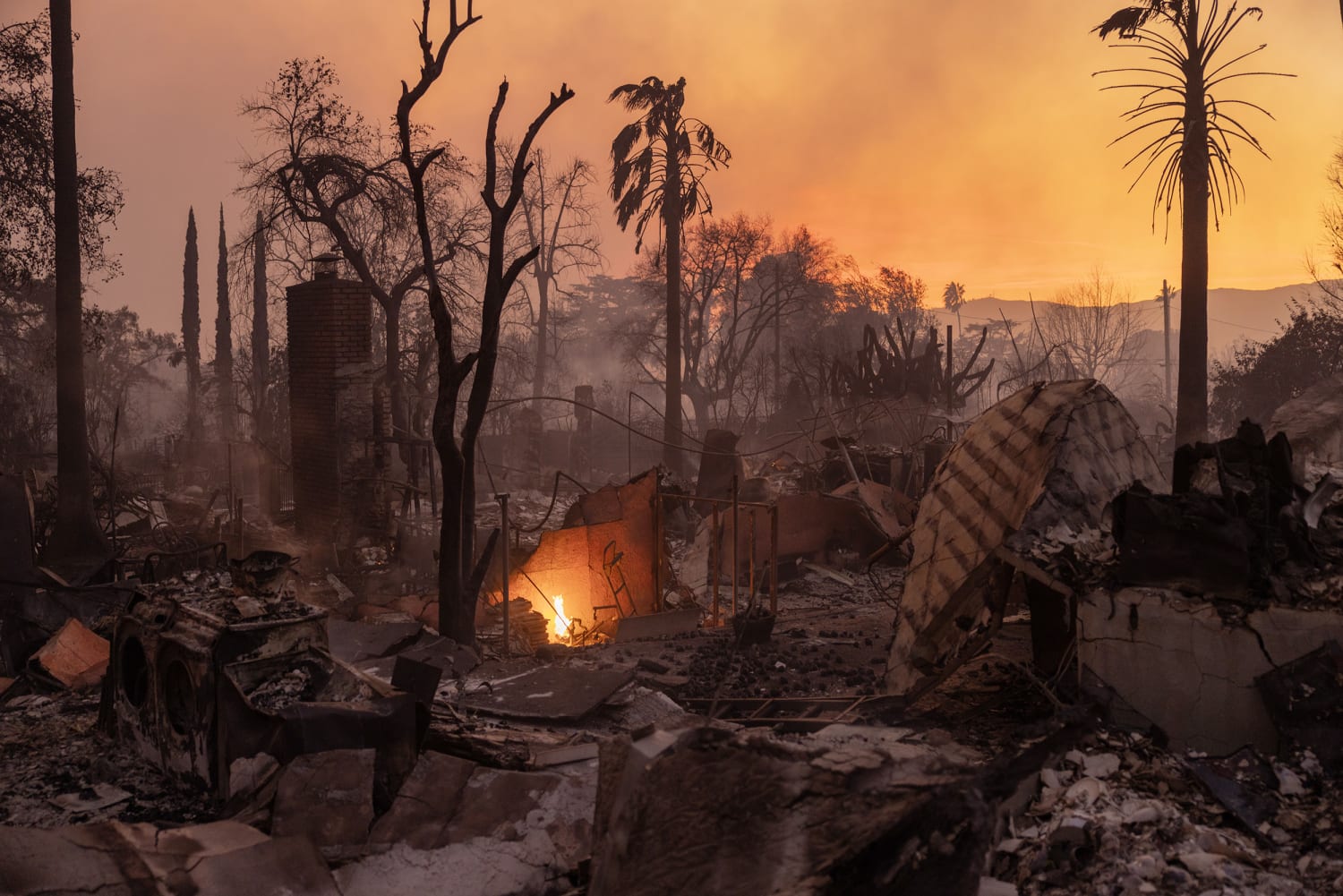
While natural ignitions, such as lightning strikes, do occur, a significant percentage of California wildfires are human-caused. These ignitions can be accidental or, in rare but tragic instances, intentional.
Utility Equipment and Infrastructure
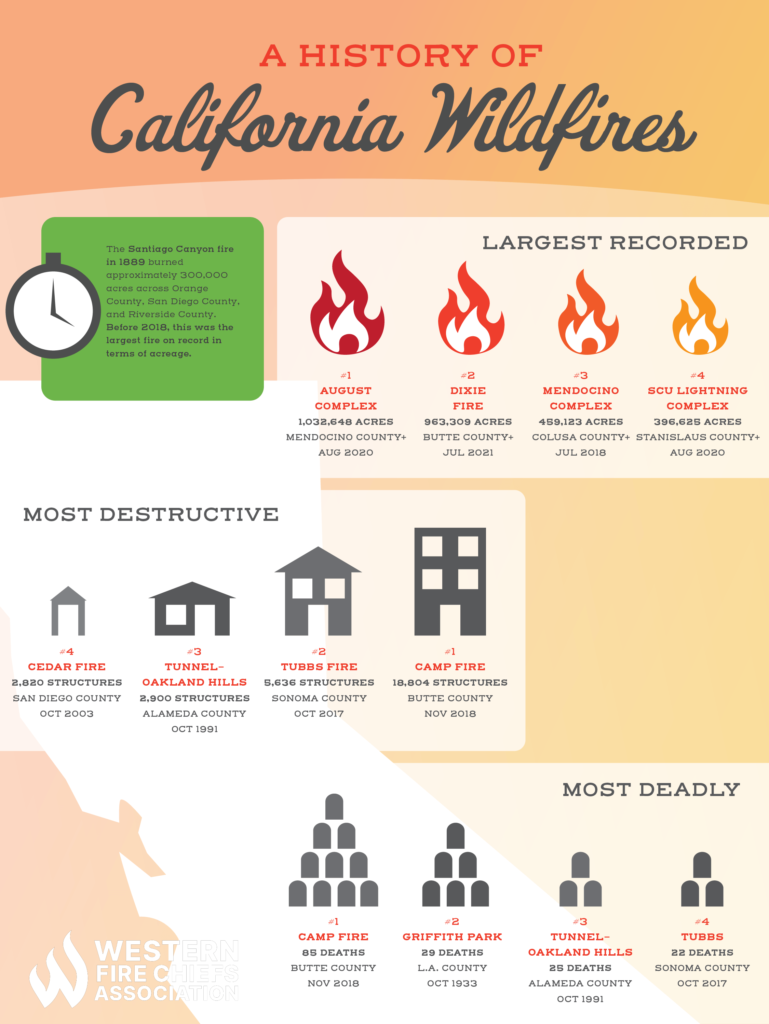
A leading cause of ignitions, particularly in recent years, has been electrical transmission equipment. Faulty power lines, sparks from damaged equipment, or falling power lines during high winds have been identified as the ignition source for some of the state’s most destructive fires, including the Camp Fire and the Dixie Fire. Utilities such as Pacific Gas and Electric (PG&E) and Southern California Edison have faced intense scrutiny and legal challenges for their role in these events. The preventative measures, such as de-energizing power lines during high-risk wind events (Public Safety Power Shutoffs or PSPS), have themselves become a point of contention, impacting businesses and residents.
Arson and Accidental Human Activity
Arson, though less common than other causes, is a serious concern. Intentional acts of setting fires not only destroy property and natural landscapes but also strain emergency resources. Accidental human activities also contribute to ignitions. This includes everything from unattended campfires and discarded cigarettes to sparks from vehicles and equipment operating in dry vegetation. Simple negligence can have catastrophic consequences in the fire-prone environment of California.
The Human Factor: Development and Human Impact
Beyond the immediate ignition sources, human presence and development patterns in California play a crucial role in the scale and impact of wildfires.
Wildland-Urban Interface (WUI) Expansion
The expansion of residential development into wildland areas, known as the Wildland-Urban Interface (WUI), is a significant contributor to the problem. Homes and communities built in or adjacent to fire-prone vegetation are inherently at higher risk. This encroaching development increases the likelihood of human-caused ignitions and places more structures and lives in danger. Areas like the foothills surrounding Los Angeles and the communities nestled in the Sierra Nevada mountain range are prime examples of WUI zones. The economic implications for tourism are substantial, as fires can force the closure of roads, national parks like Yosemite National Park, and entire towns, disrupting travel plans and revenue streams.
Land Management and Policy
The history of land management and policy in California has also shaped the fire landscape. As mentioned earlier, decades of fire suppression, while well-intentioned, led to the buildup of hazardous fuels. More recently, there’s been a growing recognition of the need for more active land management, including prescribed burns and mechanical thinning, to reduce fuel loads. However, implementing these strategies faces challenges, including public perception, environmental regulations, and the cost of such large-scale operations. Finding a balance between ecological preservation and fire risk reduction is an ongoing debate.
Climate Change: The Overarching Amplifier
While the factors above are critical, it is impossible to discuss the increased frequency and intensity of California wildfires without acknowledging the overarching influence of climate change.
Warming Temperatures and Prolonged Droughts
Global warming is leading to higher average temperatures and more frequent, prolonged droughts across the Western United States. Warmer temperatures accelerate the drying of vegetation, making it more susceptible to ignition. Extended drought periods deplete soil moisture and stress plant life, further increasing flammability. This creates a more volatile environment where fires are not only more likely to start but also burn with greater intensity and spread more rapidly. The shrinking snowpack in the Sierra Nevada, a crucial source of water for the state, is another consequence of warming temperatures that exacerbates drought conditions.

Shifting Weather Patterns
Climate change also contributes to shifts in weather patterns, potentially leading to more extreme events. While predicting the exact impact on specific wind events like the Santa Ana winds is complex, the general trend suggests a more volatile and unpredictable climate. This makes it harder for fire managers and communities to prepare for and respond to wildfire threats.
In conclusion, the starting point of a California wildfire is rarely a single event. It is the culmination of natural conditions, historical land management practices, human activities, and the accelerating impact of climate change. Each fire is a complex puzzle with numerous contributing pieces, and understanding these interconnections is vital for developing effective strategies to protect communities, preserve the state’s natural wonders, and ensure the continued allure of California as a premier travel destination.
LifeOutOfTheBox is a participant in the Amazon Services LLC Associates Program, an affiliate advertising program designed to provide a means for sites to earn advertising fees by advertising and linking to Amazon.com. Amazon, the Amazon logo, AmazonSupply, and the AmazonSupply logo are trademarks of Amazon.com, Inc. or its affiliates. As an Amazon Associate we earn affiliate commissions from qualifying purchases.