
The story of how Hawaii became a central part of the United States is not merely a tale of tropical beauty or modern tourism; it is a complex narrative of geopolitical strategy, economic ambition, and the transformation of a sovereign kingdom into a strategic landmark of the Pacific Ocean. For the American government in the late 19th century, the archipelago represented far more than idyllic beaches. It was the “Crossroads of the Pacific,” a vital location that promised to extend the influence of North America deep into the eastern hemisphere. Understanding why the United States coveted these islands requires a deep dive into the historical landmarks and strategic shifts that redefined the map of the world.
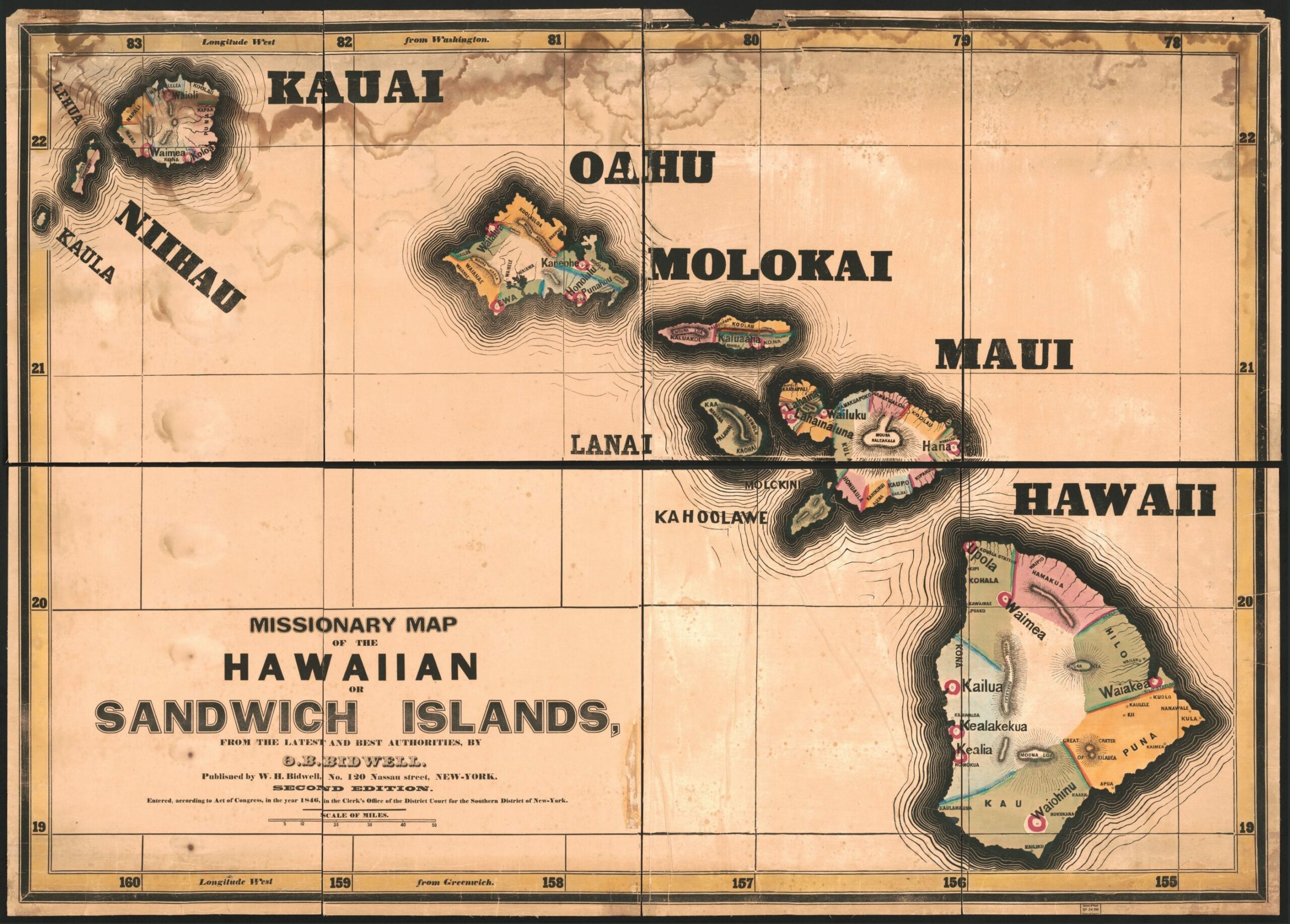
A Strategic Sentinel: The Geopolitical Allure of the Pacific
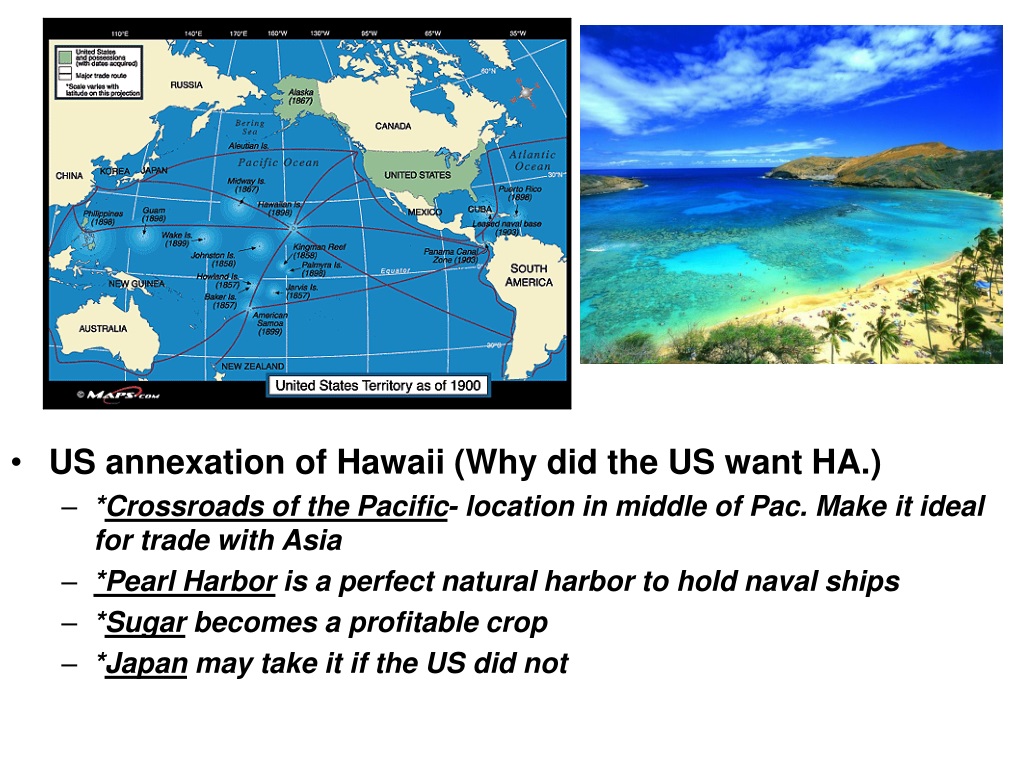
From a military and naval perspective, the Hawaiian Islands were viewed as the most important real estate in the Pacific Ocean. As the United States began to look beyond its continental borders, the necessity of a mid-ocean coaling station and a naval base became undeniable.
Pearl Harbor: The Jewel of the Navy
Long before it became a household name due to the events of World War II, Pearl Harbor was the primary reason the United States took an interest in the island of Oahu. The natural geography of the harbor provided a deep-water port that was shielded from the elements and easily defensible. In 1887, through a treaty renewal, the United States was granted exclusive rights to use Pearl Harbor as a coaling and repair station for its ships. This landmark site allowed the American navy to project power toward Asia, serving as a deterrent to other imperial powers like Great Britain or Japan who also had interests in the region.
The Bridge to the Orient
In the 19th century, the United States was fixated on opening trade routes to China and Japan. However, the distance between San Francisco and the Far East was too great for steamships of the era to traverse without refueling. Hawaii sat at the perfect midpoint. By controlling the islands, the United States secured a reliable path for merchant vessels. This maritime landmark effectively shortened the Pacific Ocean, making the lucrative markets of Asia accessible to American businessmen. The annexation of the Philippines following the Spanish-American War only heightened the need for Hawaii as a logistical stepping stone.
The Sweet Influence: Economic Landmarks and the Sugar Trade
While the military eyed the harbors, American entrepreneurs were focused on the fertile volcanic soil of the islands. The economic integration of Hawaii into the United States was driven largely by the “Sugar Kings”—wealthy plantation owners who fundamentally altered the islands’ landscape.
The Transformation of the Landscape
By the mid-1800s, vast swaths of Hawaii had been converted into massive sugar plantations. These agricultural landmarks changed the demographic and physical face of the islands. To sustain these operations, the United States and the Kingdom of Hawaii signed the Reciprocity Treaty of 1875. This agreement allowed Hawaiian sugar to enter the United States duty-free, creating an economic boom that tied the islands’ prosperity directly to American markets. However, this wealth came at a cost to the native population, as land was increasingly consolidated into the hands of a few American-descended businessmen.
The McKinley Tariff and the Push for Annexation
The economic relationship hit a crisis point with the passage of the McKinley Tariff in 1890. This United States federal law removed the duty-free status of Hawaiian sugar, causing the islands’ economy to spiral into a depression. The plantation owners realized that if Hawaii were part of the United States, their sugar would be considered domestic product and would once again be profitable. This economic incentive was the primary driver for the 1893 overthrow of the Hawaiian monarchy. The desire for profit turned a commercial interest into a political mission to make Hawaii a permanent landmark of the American empire.
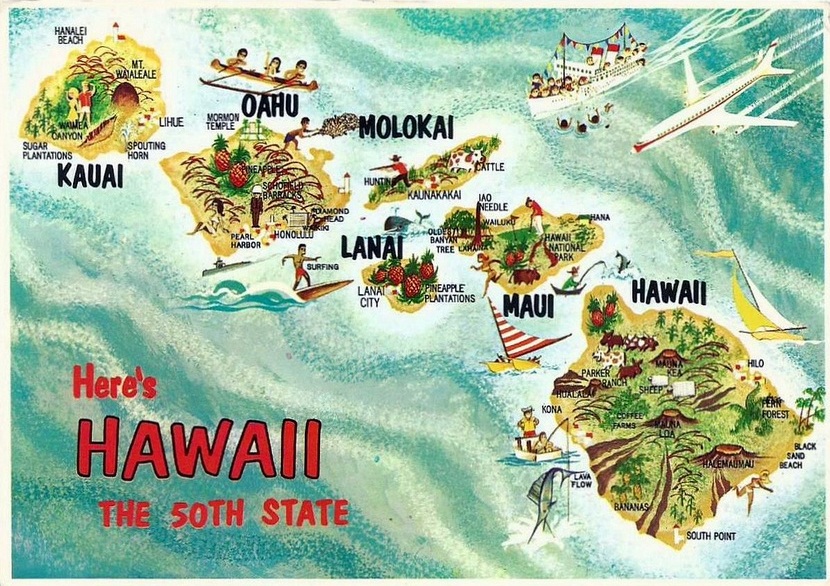
Political Icons: From Sovereignty to Annexation
The political struggle for Hawaii is etched into the very architecture of Honolulu. The transition from a sovereign nation to an American territory was marked by a clash of cultures and legal battles that reached the highest halls of power in Washington D.C.
Iolani Palace: A Symbol of Stolen Sovereignty
Iolani Palace, located in the heart of Honolulu, stands as a somber landmark of this era. It is the only royal palace on American soil and was the official residence of the Hawaiian monarchs. In 1893, Queen Liliuokalani attempted to introduce a new constitution that would restore power to the monarchy and the native people. In response, a group of American and European businessmen, backed by the United States Minister and a contingent of U.S. Marines, staged a coup. The Queen was placed under house arrest within the palace, and a provisional government was established. Iolani Palace remains today as a powerful architectural reminder of the kingdom that was lost in the pursuit of American expansion.
The Birth of a Territory and Manifest Destiny
The push for annexation was not immediately successful. President Grover Cleveland initially opposed the move, calling the overthrow an act of war against a friendly nation. However, the tide of “Manifest Destiny”—the belief that the United States was destined to expand across the continent and beyond—was too strong. When William McKinley became president, the political climate shifted. The onset of the Spanish-American War underscored the strategic value of Hawaii as a base for operations in the Philippines and Guam. In 1898, Hawaii was officially annexed by a joint resolution of Congress, cementing its status as an American landmark in the Pacific Ocean.
Environmental Landmarks: Nature as a Strategic Asset
Beyond the ports and the politics, the natural landmarks of Hawaii played a role in the United States’ desire for the islands. The unique geology of the archipelago offered natural fortifications and scientific opportunities that were unmatched anywhere else in North America.
Diamond Head and the Defense of Oahu
One of the most recognizable natural landmarks in the world, Diamond Head (known as Lēʻahi in Hawaiian), served as a primary defensive position for the United States military. Overlooking Waikiki and the Pacific Ocean, the volcanic crater was transformed into Fort Ruger in the early 20th century. Its high vantage point allowed for the installation of coastal artillery and observation posts. The United States wanted Hawaii not just for its water access, but for these natural “watchtowers” that could monitor any approaching threats from the sea.
Hawaii Volcanoes National Park and Scientific Interest
On the Big Island, the active volcanoes of Kilauea and Mauna Loa represented a different kind of asset. These landmarks, which now form the core of Hawaii Volcanoes National Park, were of immense interest to American scientists and geologists. By the time Hawaii was a territory, the United States recognized the value of these natural wonders for research and as a symbol of the nation’s diverse environmental heritage. The presence of these volcanoes also contributed to the islands’ reputation as a place of infinite natural power, further enticing American interest in permanent possession.
A Legacy of Landscapes and Landmarks
The reasons the United States wanted Hawaii are multifaceted, ranging from the tactical utility of Pearl Harbor to the economic potential of sugar and the natural grandeur of Diamond Head. What began as a series of commercial and maritime interests eventually evolved into a full-scale annexation that fundamentally changed the course of history for both the United States and the native Hawaiian people.
Today, Hawaii is celebrated as the 50th state, a premier travel destination, and a cultural melting pot. However, the landmarks that dot the islands—from the silent halls of Iolani Palace to the bustling military infrastructure in Honolulu—serve as permanent reminders of the era when the United States looked across the Pacific Ocean and saw its future in the Hawaiian Islands. The islands became a landmark of American ambition, a status they hold to this day as a vital link between the Western Hemisphere and the rest of the world. By securing Hawaii, the United States did not just gain a state; it gained a permanent seat at the table of global power in the Pacific.
LifeOutOfTheBox is a participant in the Amazon Services LLC Associates Program, an affiliate advertising program designed to provide a means for sites to earn advertising fees by advertising and linking to Amazon.com. Amazon, the Amazon logo, AmazonSupply, and the AmazonSupply logo are trademarks of Amazon.com, Inc. or its affiliates. As an Amazon Associate we earn affiliate commissions from qualifying purchases.