
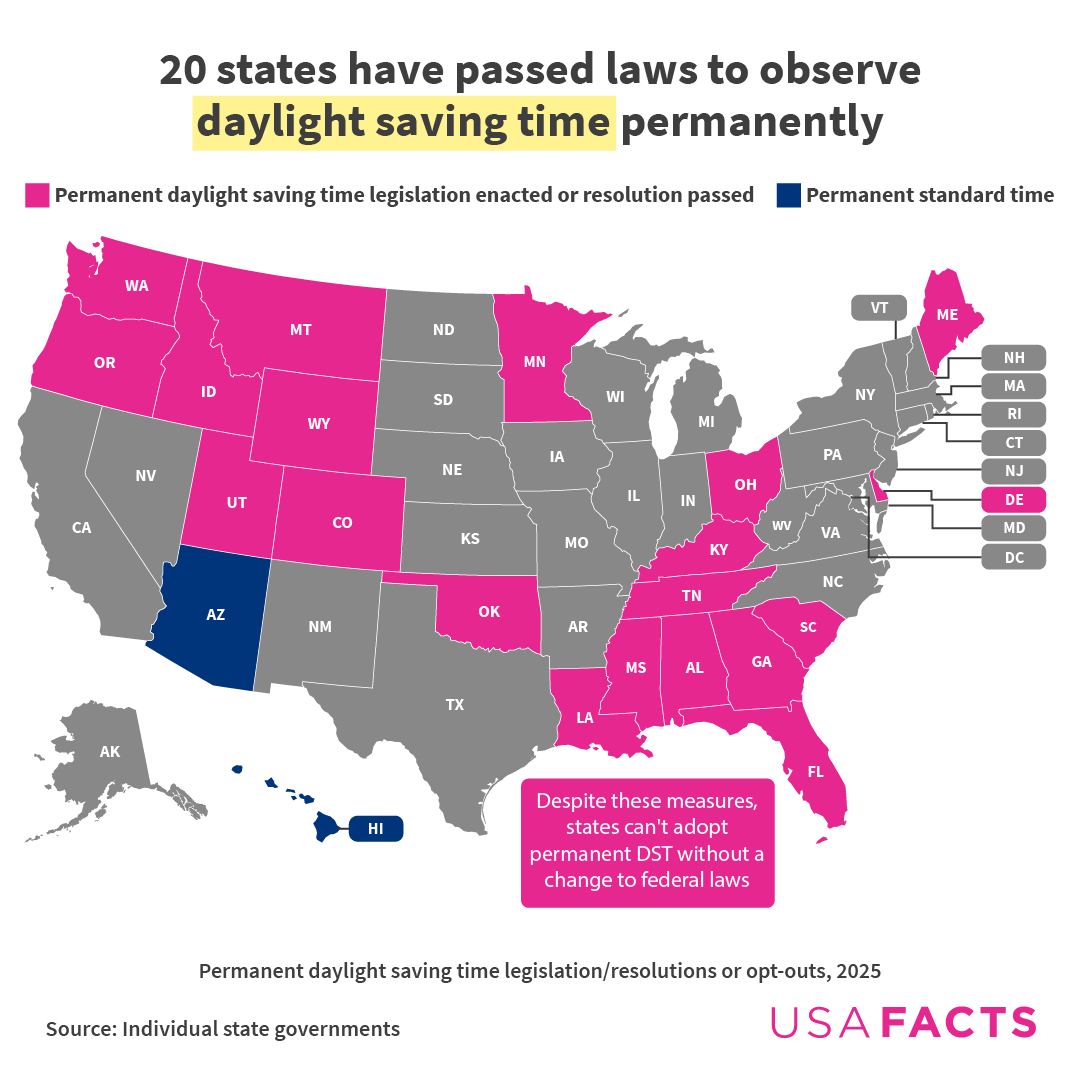
For travelers planning a visit to the Grand Canyon State, one of the most common curiosities, and sometimes sources of confusion, revolves around its unique stance on Daylight Saving Time (DST). While most of the United States “springs forward” and “falls back” annually, Arizona largely remains steadfast on Mountain Standard Time (MST) year-round. This peculiar exemption isn’t a historical oversight or a bureaucratic anomaly; rather, it’s a deeply practical decision rooted in the state’s intense climate, energy considerations, and a distinct local lifestyle that has evolved over decades. For tourists, understanding this unique aspect of Arizona’s timekeeping is not just a trivial fact; it’s a crucial piece of information that can significantly impact travel planning, daily activities, and the overall experience of immersing oneself in the local culture.
This article delves into the historical, geographical, and cultural reasons behind Arizona’s decision to opt out of DST, offering invaluable insights and tips for visitors navigating the nuances of time in the desert landscape.
A Legacy Forged in Sunlight: The Historical Context
The story of Arizona’s relationship with Daylight Saving Time is one of deliberate choice, shaped by a blend of federal policy and local pragmatism. To understand why the state stands apart, one must first appreciate the broader context of DST in the United States.
The Uniform Time Act and Early Exemptions
Daylight Saving Time was first widely adopted in the United States during World War I and World War II as a measure to conserve energy. However, it wasn’t until the passage of the Uniform Time Act of 1966 that DST became standardized across the nation. This federal law mandated that states either observe DST or opt out entirely, but it did not allow for partial observance. For states choosing to opt out, they would remain on their standard time year-round.
Arizona, with its unique climate, quickly recognized that the logic behind DST did not apply to its specific conditions. The concept of “saving daylight” typically aims to extend daylight into the evening, allowing people to enjoy more outdoor activities or reduce the need for artificial lighting after work or school. In temperate climates, this can mean more pleasant evenings. In Arizona, however, particularly during the brutal summer months, extending daylight further into the evening primarily means extending the hottest part of the day, making outdoor activities less appealing and potentially increasing energy consumption for cooling.
Early Experiments and Public Sentiment
Arizona initially experimented with DST in 1967, aligning with the newly enacted Uniform Time Act. However, the experience was largely negative for residents. The extended daylight pushed the hottest parts of the day even later, forcing people to run air conditioning for longer periods and making evening outdoor activities uncomfortable or even dangerous. Imagine the sun beating down intensely past 8 PM in Phoenix or Tucson in July; this was the reality.
Public outcry was swift and decisive. Farmers, whose work schedules were dictated by natural light, found their routines disrupted. Parents struggled with children having to go to bed when the sun was still high in the sky. Businesses, particularly those reliant on tourism and outdoor activities, saw little benefit and increased operational costs due to extended air conditioning needs. As a result, in 1968, the state legislature officially opted out of Daylight Saving Time, a decision that has largely remained unchallenged since. This swift reversal cemented a preference for a consistent time schedule dictated by the local environment rather than a national standard.
The Desert’s Logic: Climate as the Primary Driver
The primary and most compelling reason for Arizona’s DST exemption lies squarely in its extreme desert climate. This natural factor fundamentally alters the cost-benefit analysis of “saving daylight.”
Battling the Intense Arizona Sun
During the summer months, temperatures in much of Arizona routinely soar well above 100°F (38°C), often peaking in the late afternoon. If Arizona were to observe DST, the sun would rise and set one hour later. This would push the hottest part of the day further into the evening, delaying the natural cooling process.
For tourists, this means that outdoor activities would become even more challenging or dangerous later in the day. Imagine trying to hike in the desert heat at 7 PM when the sun is still high and intense, rather than enjoying a slightly cooler twilight. By sticking to Mountain Standard Time year-round, sunrise occurs earlier, allowing residents and visitors to get an earlier start on their day, engage in outdoor activities before the worst of the heat sets in, and enjoy a slightly earlier sunset that ushers in cooler temperatures for evening relaxation. This subtle shift significantly improves the quality of life and the feasibility of outdoor exploration during the peak travel season.
Energy Conservation Debunked
One of the original justifications for Daylight Saving Time was energy conservation, particularly in lighting. The idea was that by shifting daylight to the evening, people would use less artificial light. However, in Arizona’s scorching climate, this logic is inverted.
While people might use less electricity for lighting in the evening, they would undoubtedly use far more for air conditioning. Pushing the hottest part of the day later means delaying the onset of cooler evening temperatures, necessitating longer periods of air conditioning use in homes, businesses, and hotels. Studies and local experience have shown that any minimal energy savings from reduced lighting would be overwhelmingly offset by increased cooling demands. For tourists planning their itinerary, this means understanding that Arizona’s time choice is a practical measure to manage energy costs and enhance comfort, making it a sustainable approach to tourism in a hot climate.
Navigating Arizona’s Unique Time Zone for Tourists
For first-time visitors, Arizona’s time zone situation can be a source of genuine confusion. However, once understood, it’s quite straightforward and offers a consistent schedule throughout the year, removing the annual DST disruption.
Practical Implications for Visitors
When planning a trip to Arizona, tourists must remember that the state observes Mountain Standard Time year-round. This means:
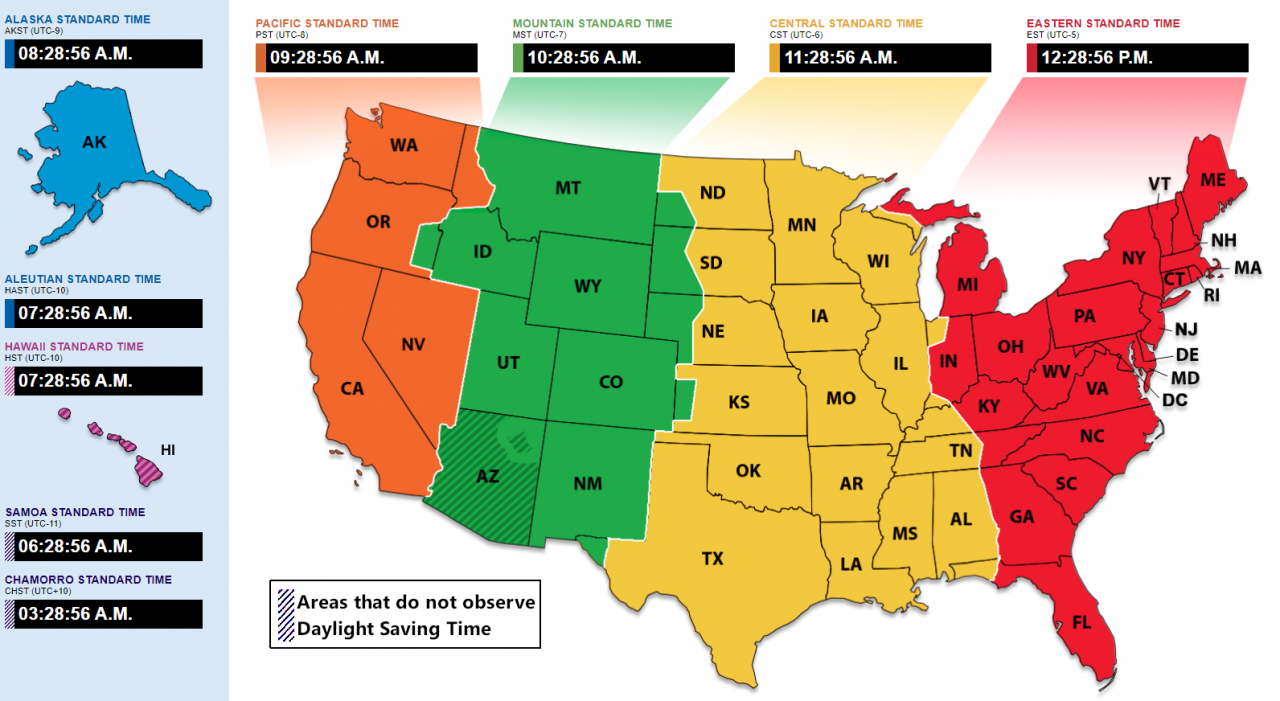
- During Standard Time (Winter): From roughly November to March, Arizona is on the same time as Mountain Standard Time states like Colorado or Utah.
- During Daylight Saving Time (Summer): From roughly March to November, Arizona effectively becomes an hour behind other Mountain Standard Time states that observe DST. It will be on the same time as Pacific Daylight Time (California, Nevada, etc.).
This means if you’re flying into Phoenix in July from Denver (which observes MDT), you’ll set your clock back an hour. If you’re coming from Los Angeles (which observes PDT), you won’t change your clock at all. Always double-check flight times, tour schedules, and reservations with the local time in Arizona to avoid any missed connections or appointments. Your phone or smartwatch will typically adjust automatically, but it’s wise to be aware of the shift, especially when communicating with people in other states.
Understanding Navajo Nation’s Exception
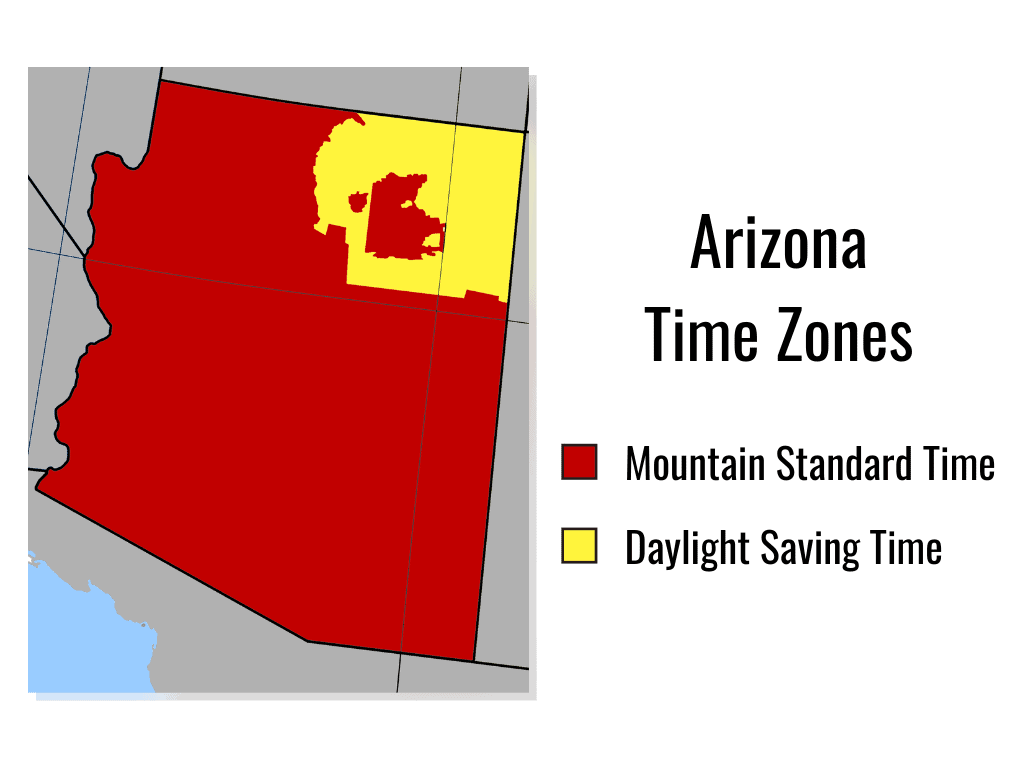
Adding another layer of complexity, but one essential for tourists exploring the northeastern parts of the state, is the exception of the Navajo Nation. The Navajo Nation, a sovereign territory that covers a vast area stretching across parts of Arizona, Utah, and New Mexico, does observe Daylight Saving Time.
This means that if you are driving through Arizona and enter the Navajo Nation (e.g., to visit Monument Valley or Antelope Canyon), you will need to adjust your clock forward an hour during DST months. Crucially, the Hopi Reservation, which is entirely surrounded by the Navajo Nation within Arizona, does not observe DST. This creates a fascinating “time island” within a “time zone within a time zone,” where you might cross four time zones (MST, MDT, MST, MDT) in a relatively short drive. For tourists, this specific detail is paramount for scheduling tours, respecting local customs, and simply arriving on time for any booked activities within these tribal lands.
Experiencing Arizona’s Culture Through Its Time
The decision to forego DST is not just a regulatory quirk; it’s an integral part of Arizona’s identity and significantly shapes local culture and the rhythm of daily life.
A Rhythm Dictated by Nature
By staying on Mountain Standard Time year-round, Arizona’s daily rhythm is more closely aligned with the natural cycles of sunrise and sunset. This means that locals generally start their days earlier in the summer to beat the heat, with businesses often opening their doors at 7 AM or 8 AM. Outdoor activities like hiking, cycling, or golfing are typically scheduled for the early morning hours, before the sun becomes too intense. Lunch might be an extended affair during the hottest part of the day, with a return to activity in the cooler late afternoon or evening.
For tourists, embracing this natural rhythm means planning your days accordingly. Schedule your scenic drives or visits to outdoor attractions like the Grand Canyon or Sedona for the early morning. Enjoy long, leisurely brunches or indoor museum visits during the midday heat. Then, as the sun begins to descend, venture out again for beautiful sunsets, evening strolls, or vibrant nightlife in cities like Scottsdale or Tempe. This alignment with natural light also means that children often find it easier to maintain consistent sleep schedules, contributing to a more relaxed and predictable family travel experience.
Embracing the Perpetual Mountain Standard Time
The consistency of Mountain Standard Time year-round is, for many, a welcome feature of Arizona life. It removes the biannual confusion and disruption associated with changing clocks. For tourists, once the initial understanding of “no DST” is grasped, it simplifies planning considerably. There’s no need to wonder if a tour operator or restaurant has factored in the time change; it’s always MST.
This consistency fosters a unique aspect of Arizona’s local culture – a steady, predictable pace influenced by the desert’s power. It encourages an appreciation for the early morning light and the prolonged, often spectacular, sunsets, which are not artificially shifted but occur as nature dictates. This deep connection to the natural environment through its timekeeping is an authentic part of the Arizona experience, offering a stable reference point for visitors exploring its diverse landscapes and vibrant communities.
In conclusion, Arizona’s decision to forgo Daylight Saving Time is a thoughtful adaptation to its unique environment, shaped by historical precedent, climatic realities, and a commitment to local comfort and energy efficiency. For tourists, understanding this distinctive aspect is more than just a trivial fact; it’s a practical tip that enhances travel planning, ensures seamless transitions, and offers a deeper appreciation for the local culture and the rhythms of life in the desert. Embrace the consistent time, plan your activities around the sun’s natural cycle, and you’ll unlock an even richer and more authentic Arizona adventure.
LifeOutOfTheBox is a participant in the Amazon Services LLC Associates Program, an affiliate advertising program designed to provide a means for sites to earn advertising fees by advertising and linking to Amazon.com. Amazon, the Amazon logo, AmazonSupply, and the AmazonSupply logo are trademarks of Amazon.com, Inc. or its affiliates. As an Amazon Associate we earn affiliate commissions from qualifying purchases.