
The golden state, a land of sunshine, innovation, and breathtaking landscapes, is facing a stark reality: a persistent and deepening water crisis. While the image of flowing fountains and lush vineyards might come to mind when thinking of California, the truth is far more complex. The question “Why Does California Have No Water?” isn’t about a complete absence of water, but rather a severe and chronic shortage that impacts its residents, its iconic industries, and its very future. This isn’t a sudden natural disaster, but the culmination of decades of intricate factors, blending natural cycles with human behavior and policy.

The California water story is a fascinating, and at times, alarming case study. It’s a narrative woven from the threads of a naturally arid climate, a booming population, an insatiable agricultural sector, aging infrastructure, and the looming shadow of climate change. Understanding this multifaceted challenge requires delving into the state’s unique geography, its historical relationship with water, and the delicate balance it constantly tries to maintain.
The Arid Heart and the Thirsty Population
California’s geography is a primary driver of its water scarcity. The state stretches over diverse climatic zones, but much of its vast expanse, particularly the southern regions, exists in a naturally arid or semi-arid environment. The vast majority of the state’s precipitation falls in the northern mountains, primarily as snow, which then needs to be transported thousands of miles to serve the water-hungry southern areas.
The Snowpack Dependency
A critical element of California’s water supply is its mountain snowpack, particularly in the Sierra Nevada mountain range. This snowpack acts as a natural reservoir, accumulating snow during the winter months and then gradually melting throughout the spring and summer, providing a steady release of water. However, this system is increasingly vulnerable. Rising global temperatures mean that more precipitation is falling as rain instead of snow, and the snow that does fall is melting earlier in the year. This disrupts the natural timing of water availability, leading to less water when it’s needed most during the dry summer months.
The Population Boom
California is the most populous state in the United States, with over 39 million residents. This massive population, concentrated heavily in urban centers like Los Angeles and San Francisco, places an enormous demand on the state’s water resources for drinking, sanitation, and daily life. While per capita water usage has decreased significantly over the years due to conservation efforts and technological advancements, the sheer number of people means that the aggregate demand remains substantial.
The Agricultural Engine and its Thirst
Beyond the needs of its residents, California is an agricultural powerhouse. The state produces over a third of the nation’s vegetables and two-thirds of its fruits and nuts. This vital industry, responsible for feeding much of the United States, is incredibly water-intensive. Many of the state’s most valuable crops, such as almonds, pistachios, and alfalfa, require significant amounts of water to grow.
The Central Valley Dilemma
The heart of California’s agricultural bounty lies in the fertile Central Valley. This vast agricultural region relies heavily on irrigation, drawing water from rivers, aqueducts, and groundwater sources. The intense competition for water between agriculture and urban areas is a constant source of tension and a major challenge in water management. Farmers often face difficult decisions about which crops to plant and how to manage their water resources efficiently, while urban dwellers grapple with mandatory conservation measures.
Groundwater Over-reliance
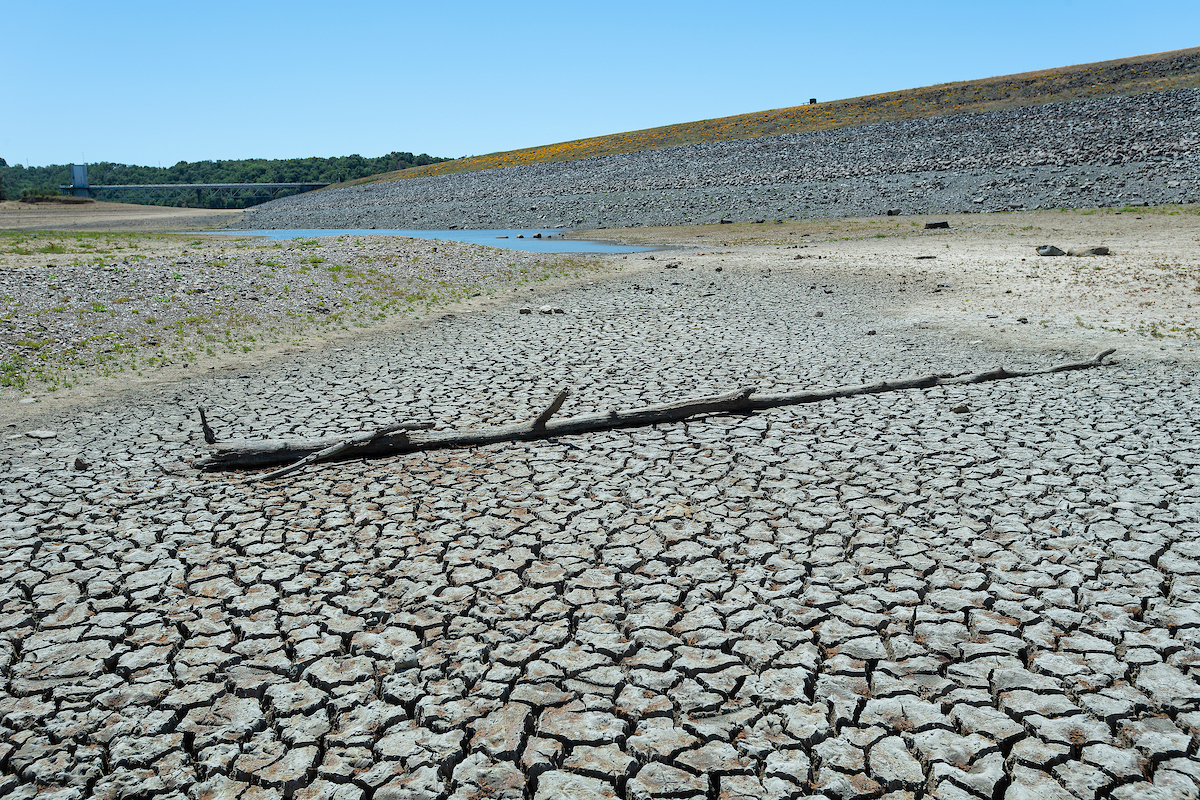
In times of surface water shortages, there’s an increased reliance on groundwater. Historically, California has pumped vast amounts of groundwater to supplement its water supply. However, this has led to significant problems, including land subsidence (sinking of the ground), which can damage infrastructure and reduce the land’s capacity to store water in the future. The Sustainable Groundwater Management Act (SGMA) of 2014 aims to address this issue by requiring local agencies to develop and implement sustainable groundwater management plans, but the challenges of enforcement and implementation are considerable.
Infrastructure, Policy, and the Climate Change Factor
The physical infrastructure and the policies governing water management in California play a crucial role in its water story. Decades of development have created a complex system of dams, reservoirs, and aqueducts designed to capture and transport water across the state. However, this infrastructure is aging, and its capacity is often strained, especially during prolonged droughts.
Aging Infrastructure and Limited Storage
California has a vast network of water infrastructure, including iconic projects like the California Aqueduct. This system, while impressive, was largely built in the mid-20th century. Many of the dams and canals are in need of repair and upgrades. Furthermore, the state’s water storage capacity, while significant, is often insufficient to capture enough water during wet years to reliably meet demand during extended dry periods. Efforts to build new large-scale storage projects have faced significant environmental and political hurdles.
Policy Challenges and Water Rights
Water rights in California are incredibly complex, stemming from a mix of riparian rights (rights tied to owning land adjacent to a water source) and prior appropriation rights (first in time, first in right). This convoluted system can make equitable distribution and efficient management challenging. The ongoing debates surrounding water allocation, environmental protections for rivers and endangered species, and the needs of different user groups are intricate and often contentious.
The Unseen Hand of Climate Change
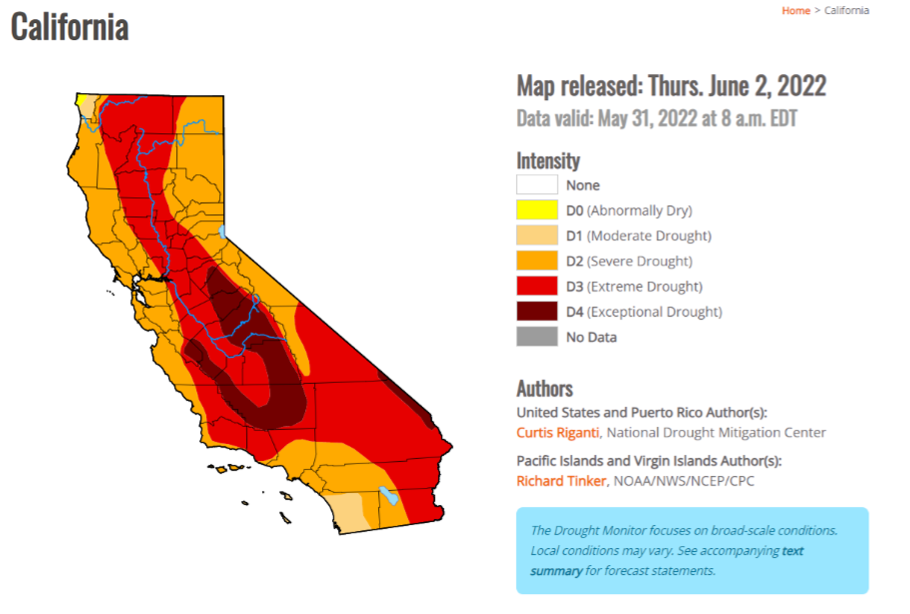
Perhaps the most significant looming threat to California’s water future is climate change. As mentioned earlier, warmer temperatures are altering the snowpack, increasing evaporation from reservoirs, and contributing to more frequent and intense droughts. Climate change also exacerbates extreme weather events, leading to periods of intense rainfall and flooding interspersed with prolonged dry spells. This unpredictability makes long-term water planning incredibly difficult.
Innovative Solutions and Future Outlook
Despite the daunting challenges, California is also a leader in innovation and a hub for developing solutions to water scarcity. These efforts include:
- Water Recycling and Desalination: Advanced technologies for treating wastewater to potable standards and for desalinating seawater are becoming increasingly important sources of water for coastal communities.
- Conservation and Efficiency: Ongoing public awareness campaigns and strict regulations have led to significant reductions in urban water use. Further gains are expected through more efficient irrigation techniques in agriculture and wider adoption of water-saving appliances and landscaping.
- Stormwater Capture: Capturing rainwater during storms and allowing it to infiltrate the ground can help replenish local groundwater basins and reduce reliance on imported water.
- Water Markets and Transfers: Facilitating voluntary water transfers between users can help allocate water to where it is most needed, though these markets require careful regulation to prevent negative impacts.
The question “Why Does California Have No Water?” is not a simple one with a singular answer. It’s a story of natural limitations, exponential growth, economic imperatives, and the profound impact of a changing global climate. While the challenges are immense, the state’s commitment to innovation, conservation, and finding sustainable solutions offers a glimmer of hope for a more water-secure future. The journey is ongoing, and the continuous adaptation of its water management strategies will be crucial for California to thrive.
LifeOutOfTheBox is a participant in the Amazon Services LLC Associates Program, an affiliate advertising program designed to provide a means for sites to earn advertising fees by advertising and linking to Amazon.com. Amazon, the Amazon logo, AmazonSupply, and the AmazonSupply logo are trademarks of Amazon.com, Inc. or its affiliates. As an Amazon Associate we earn affiliate commissions from qualifying purchases.