
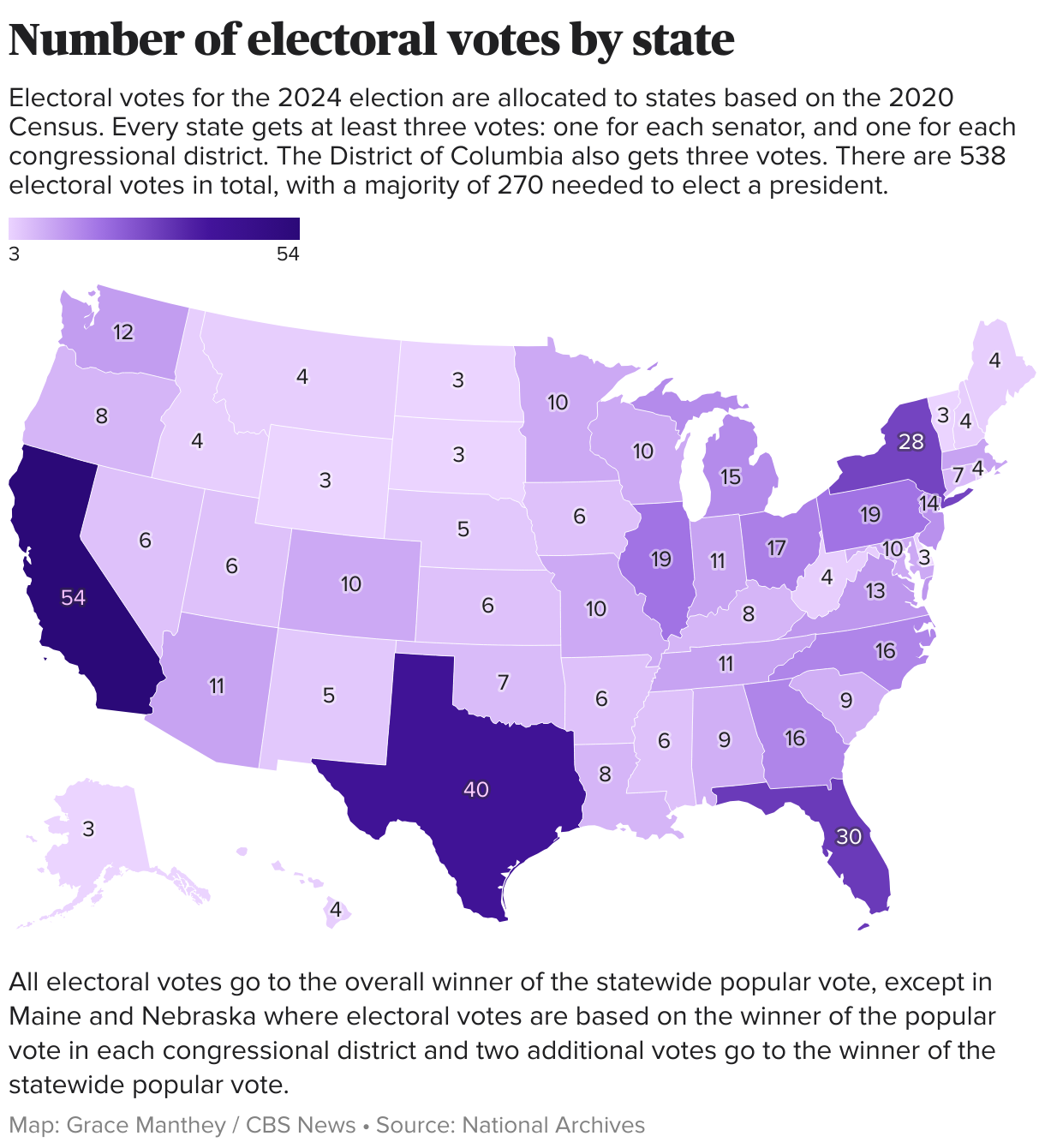
California, often referred to as the Golden State, stands as a behemoth in the United States political landscape, primarily due to its outsized number of electoral votes. With 54 electoral votes as of the 2020 Census — a number that dwarfs every other state — California plays an undeniably critical role in presidential elections. For those familiar with the mechanics of the Electoral College, the connection between population and electoral power is clear: more people mean more votes. But delving deeper reveals a fascinating story of growth, economic dynamism, and cultural influence that explains why this particular state has accumulated such significant demographic and political weight.
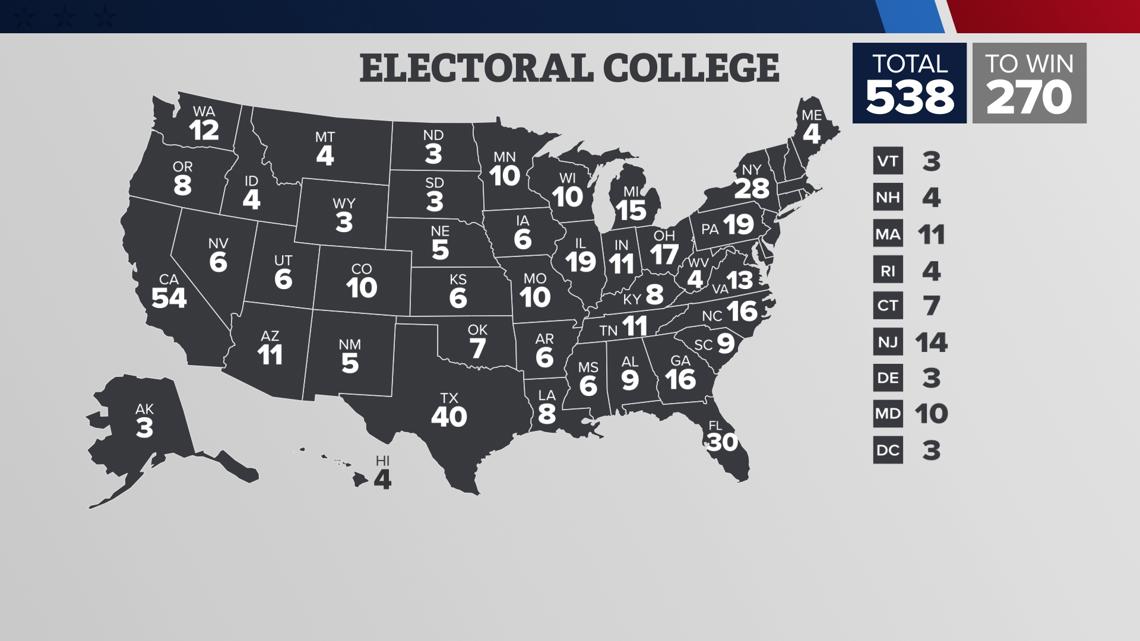
The sheer scale of California’s population is the most direct answer to why it commands so many electoral votes. Home to nearly 40 million people, it is by far the most populous state, boasting more residents than the next two largest states combined, Texas and Florida. This vast population is not merely a number; it represents a melting pot of cultures, industries, and lifestyles that have collectively shaped the state’s identity and its profound impact on both national politics and global trends. Understanding the journey of California’s demographic ascent provides crucial context to its electoral prominence.
The Foundation of Electoral Power: Population
The Electoral College system, established by the Founding Fathers, dictates that a state’s number of electoral votes is determined by the sum of its congressional representation — its two senators (common to all states) plus its number of representatives in the House of Representatives, which is based on population as measured by the decennial census. For California, its two senators are augmented by a massive 52 congressional districts, each representing a segment of its vast citizenry. This allocation mechanism directly translates population density and growth into political clout, making demographic shifts in states like California matters of national significance.
A Deep Dive into California’s Demographic Landscape
California’s population is not just large; it is incredibly diverse, both ethnically and socio-economically. This diversity is a hallmark of the state, enriching its cultural fabric and contributing to its dynamic nature. The state is a global leader in immigration, drawing people from every corner of the world seeking opportunity and a better life. Its proximity to Mexico has historically made it a primary destination for immigrants from Latin America, while its robust economy and technological advancements continue to attract professionals and families from Asia, Europe, and beyond.
This rich tapestry of backgrounds is evident in its major urban centers. Los Angeles, the state’s largest city and one of the largest in the world, is a mosaic of neighborhoods, each with distinct cultural influences. From the vibrant Latin American communities to the bustling Asian enclaves, Los Angeles epitomizes global connectivity. Similarly, San Francisco boasts a long history as a gateway for immigrants, particularly from Asia, creating a unique blend of traditions and innovations. This demographic vitality not only fuels California’s electoral strength but also creates a vibrant, multi-faceted society that is a draw for travelers and residents alike, offering an unparalleled range of experiences, cuisines, and cultural events.
Historical Growth and Migration Patterns
The journey to becoming the most populous state began relatively late in United States history. In 1850, when California was admitted to the Union, its population was barely over 90,000. However, the discovery of gold sparked the legendary Gold Rush, triggering an immediate and dramatic influx of people from around the world. This initial boom set a precedent for rapid growth that would continue for well over a century.
Throughout the 20th century, California experienced several waves of migration. The early 1900s saw an agricultural boom, drawing migrants seeking farming opportunities. The Great Depression and Dust Bowl era of the 1930s prompted hundreds of thousands of “Okies” and “Arkies” to head west, immortalized in works like John Steinbeck’s “The Grapes of Wrath.” World War II brought another massive surge as defense industries sprouted across the state, particularly in urban areas like Los Angeles and San Diego, creating jobs and opportunities that continued into the post-war era.
The mid to late 20th century cemented California’s status as a demographic powerhouse. The allure of its mild climate, abundant natural beauty, and burgeoning industries — from aerospace to entertainment in Hollywood, and eventually technology in Silicon Valley — made it an irresistible destination. This sustained period of robust in-migration, combined with natural population growth, propelled California past New York as the most populous state in the early 1960s, a position it has held ever since. While growth has slowed in recent decades, and some residents have moved to more affordable states, the sheer momentum of its historical expansion ensures its continued electoral dominance.
California’s Economic Magnetism and Lifestyle Appeal
Beyond just numbers, the character of California’s population is intrinsically linked to its economic vibrancy and diverse lifestyle offerings. The state isn’t just a place people move to; it’s a place people move for, driven by the promise of innovation, opportunity, and a quality of life unmatched in many other regions. These factors contribute significantly to sustaining its large populace, which in turn reinforces its electoral standing.
Innovation, Industry, and Job Opportunities
California’s economy is an engine of innovation and job creation, attracting talent and investment globally. Silicon Valley, located in the San Francisco Bay Area, is the undisputed global hub for technology and venture capital, home to countless startups and tech giants. This industry alone creates hundreds of thousands of high-paying jobs, drawing skilled workers from across the United States and internationally.
But California’s economic prowess extends far beyond tech. Hollywood in Los Angeles remains the epicenter of the global entertainment industry, generating massive revenue and employment in film, television, and music. The state also boasts a robust agricultural sector, particularly in the Central Valley, producing a significant portion of the nation’s fruits, vegetables, and nuts. Furthermore, biotechnology, aerospace, tourism, and manufacturing all contribute to a diversified and resilient economy. This multifaceted economic landscape provides a wide array of job opportunities across various skill levels, ensuring a continuous stream of residents and making the state an attractive place for long-term settlement. The presence of such diverse and thriving industries naturally supports a large workforce and, by extension, a substantial population base.
Diverse Lifestyles and Cultural Richness
California’s appeal is not solely economic; it’s also deeply rooted in its lifestyle offerings. The state is a microcosm of global cultures, offering an unparalleled diversity of experiences. From the cosmopolitan glamour of Beverly Hills to the laid-back surf culture of Malibu and Santa Monica, the artistic enclaves of San Francisco, the wine country charm of Napa Valley, or the desert resorts of Palm Springs, there is truly a lifestyle for everyone.
The state’s geographic diversity contributes immensely to this appeal. Residents and visitors can ski in the Sierra Nevada mountains around Lake Tahoe, hike in the majestic forests of Yosemite National Park or Redwood National Park, explore the giant trees of Sequoia National Park, relax on pristine Pacific Ocean beaches, or marvel at the stark beauty of Death Valley National Park. These natural attractions, combined with world-class cities, a vibrant arts scene, and a renowned culinary landscape, create an irresistible draw. This blend of economic opportunity and a high quality of life makes California a magnet for people seeking not just employment, but a fulfilling and diverse lifestyle. This constant influx of people, whether temporary visitors or permanent residents, contributes to the state’s perpetual demographic influence.
The Ripple Effect: From Demographics to Destination
The vast population that gives California its electoral strength also makes it an unparalleled travel destination and a hub for the hospitality industry. The synergy between its populous nature and its attractiveness as a place to visit is undeniable, creating a self-reinforcing cycle of growth and vitality.
Supporting a Thriving Tourism and Hospitality Sector
With nearly 40 million residents, California has an enormous domestic market for its own attractions, but it also draws tens of millions of visitors from other states and countries each year. This massive influx of people sustains a colossal tourism and hospitality sector, encompassing everything from theme parks like Disneyland in Anaheim to luxury hotels along the coast and boutique accommodations in its wine regions. The demand for various types of accommodation — including resorts, hotels, apartments, and villas — is consistently high, supporting a robust industry that creates jobs and further boosts the state’s economy.
The scale of tourism infrastructure required to cater to such a large internal and external audience is immense. Major cities like Los Angeles, San Francisco, and San Diego are replete with iconic landmarks such as the Golden Gate Bridge, world-class museums, diverse dining scenes, and entertainment venues. This density of attractions and services not only caters to visitors but also provides an enhanced quality of life for residents, further solidifying the state’s appeal as a place to live. The diverse preferences of its large population also foster a rich local culture and varied food scenes, making every corner of California a potential destination for unique activities and experiences.
The Golden State’s Enduring Allure
California’s enduring allure lies in its ability to continuously reinvent itself while retaining its iconic status. It’s a place where innovation meets tradition, where pristine natural landscapes coexist with bustling metropolitan areas, and where a multitude of cultures blend seamlessly. This dynamic environment is precisely what attracts and retains the massive population that, in turn, dictates its electoral power.
Whether it’s the pursuit of the American Dream, the quest for a career in cutting-edge industries, the desire for a healthier outdoor lifestyle, or simply the search for inspiration, California offers something for everyone. This pervasive sense of opportunity and vibrancy ensures that despite challenges like housing costs or natural disasters, people continue to see California as a desirable place to live, work, and visit. The magnetic pull of the Golden State is a self-perpetuating force, driving its demographic growth and, consequently, its electoral influence.
Understanding the Electoral College System
While the focus has been on California’s population, it’s essential to briefly reiterate how the Electoral College works to understand the full weight of the state’s 54 votes.
How Electoral Votes Are Allocated
The Electoral College is a process, not a place. Its purpose is to elect the president and vice president of the United States. Each state is allocated a number of electors equal to its total number of representatives in Congress (House members plus senators). So, for California, that’s 52 House members + 2 Senators = 54 electoral votes. This number is reapportioned every ten years following the national census conducted by the United States Census Bureau.
After the 2020 Census, California lost one congressional seat for the first time in its history, decreasing its electoral votes from 55 to 54. This reduction, while significant, still left California far ahead of any other state. The overwhelming majority of states use a “winner-take-all” system, where the presidential candidate who wins the popular vote in that state receives all of its electoral votes. This system amplifies the importance of large states like California, even if it is often considered a “safe” state for one political party.
California’s Role in the National Political Narrative
Given its immense electoral vote count, California’s political leanings have a profound impact on national elections. While it has consistently voted for Democratic presidential candidates for decades, its sheer size means that candidates from both parties invest significant resources in the state, if not to win its electoral votes, then to raise campaign funds, energize their base, and influence the national political conversation. The policy innovations and social trends that emerge from California often diffuse across the United States, reflecting the values and priorities of its diverse and populous electorate.
Furthermore, California’s large delegation in the House of Representatives gives it substantial power in Congress, allowing its representatives to champion legislation and influence national policy across a wide range of issues, from environmental protection to technology regulation. The state capitol in Sacramento often sets legislative trends that are observed, and sometimes adopted, by other states and even by the federal government in Washington D.C..

The Future of California’s Electoral Influence
While California saw a slight reduction in electoral votes after the 2020 Census, its position as the most populous state and thus the holder of the most electoral votes remains unchallenged for the foreseeable future. Demographic trends show that while growth has slowed, the state continues to attract residents, albeit at a different pace than previous decades. The challenges of affordability, particularly housing, have led some to relocate to neighboring states like Nevada or Arizona or other fast-growing states like Texas and Florida. However, the foundational strengths of California — its dynamic economy, innovative spirit, diverse culture, and unparalleled natural beauty — continue to exert a powerful pull.
The Golden State will undoubtedly remain a crucial player in presidential elections and a dominant force in national politics for decades to come. Its journey from a sparsely populated frontier territory to an economic and cultural titan, housing nearly one in eight Americans, is a testament to its enduring appeal and its capacity for reinvention. The story of why California has so many electoral votes is not just about numbers; it’s a narrative woven from the threads of history, migration, economic opportunity, and a vibrant lifestyle that collectively define this unique and influential state on the North American continent.
LifeOutOfTheBox is a participant in the Amazon Services LLC Associates Program, an affiliate advertising program designed to provide a means for sites to earn advertising fees by advertising and linking to Amazon.com. Amazon, the Amazon logo, AmazonSupply, and the AmazonSupply logo are trademarks of Amazon.com, Inc. or its affiliates. As an Amazon Associate we earn affiliate commissions from qualifying purchases.