
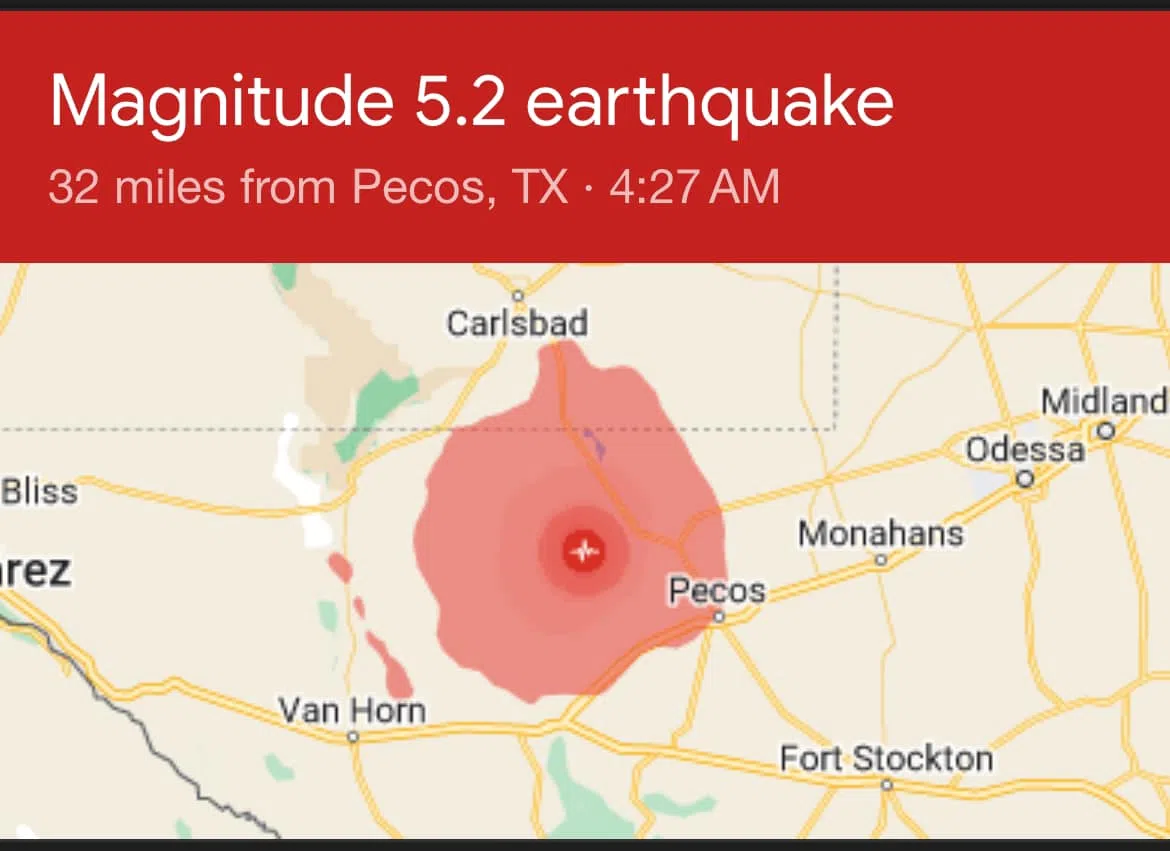
The vast, seemingly tranquil expanse of West Texas is often associated with wide-open spaces, dramatic desert landscapes, and a rugged frontier spirit. Travelers drawn to this region typically seek out its unique geological formations, national parks, and the allure of its historic towns. However, beneath the surface of this iconic landscape lies a less publicized, yet increasingly recognized, phenomenon: earthquakes. While not as seismically active as regions like California, West Texas experiences a notable number of tremors, prompting curiosity among both residents and visitors. Understanding the reasons behind these seismic events adds another layer of appreciation for the dynamic geological forces shaping this remarkable corner of the United States.

Understanding the Geological Context of West Texas
The geological tapestry of West Texas is a complex interplay of ancient sedimentary basins, mountain ranges, and vast plains. The region is characterized by its proximity to the Marfa Basin, the Permian Basin, and the Ouachita Mountains to the east, all of which have played significant roles in shaping the underlying rock structures. These structures are primarily composed of thick layers of sedimentary rock, remnants of ancient seas that once covered the area millions of years ago.
Tectonic Plates and Fault Lines
While West Texas is not situated directly on a major plate boundary like the San Andreas Fault in California, it is influenced by stresses within the North American tectonic plate. These regional stresses can manifest as minor movements along existing fault lines. A fault is a fracture or zone of fractures between two blocks of rock, where the blocks have slid past each other. In West Texas, many of these faults are ancient, having formed during past tectonic events. Over time, these old fault lines can become reactivated by subtle shifts in stress, leading to earthquakes.
The Role of Ancient Geological Structures
The geological history of the region is key to understanding its seismicity. The Permian Basin, for instance, is a vast sedimentary basin that has undergone significant geological activity over hundreds of millions of years. This includes periods of subsidence, uplift, and the formation of numerous faults. These ancient structural weaknesses in the Earth’s crust provide pathways for seismic energy to be released when stresses build up. Even though the primary tectonic forces might be distant, they can be transmitted through the Earth’s crust and trigger movement along these pre-existing planes of weakness.
Induced Seismicity: A Growing Factor
While natural geological processes contribute to seismic activity in West Texas, a significant and increasingly recognized factor is induced seismicity. This refers to earthquakes that are caused by human activities. In recent decades, the Permian Basin, in particular, has become a hub for oil and gas extraction. These activities, while economically vital, can alter subsurface pressures and fluid distributions, thereby triggering earthquakes.
Wastewater Injection Wells
One of the primary drivers of induced seismicity in West Texas is the disposal of wastewater generated from oil and gas operations. This wastewater, often highly saline and containing trace amounts of chemicals, is typically injected deep underground into porous rock formations, known as wastewater injection wells. The immense volume of fluid injected at high pressures can lubricate existing faults, reducing the friction that holds them in place. When the pressure exceeds the frictional strength of the rock along a fault, it can slip, causing an earthquake. The sheer scale of injection operations in the Permian Basin means that even minor increases in fluid pressure can have significant consequences.
Hydraulic Fracturing (Fracking)
Another human activity that can contribute to induced seismicity is hydraulic fracturing, commonly known as fracking. This process involves injecting a mixture of water, sand, and chemicals at high pressure into rock formations to create or widen fractures, thereby releasing oil and natural gas. While fracking itself typically generates very small seismic events (microearthquakes) that are not felt by humans, the injection of wastewater associated with these operations is a more significant concern for larger, felt earthquakes. The combined effect of fluid injection and the overall disturbance of subsurface rock structures can play a role in the seismic landscape of West Texas.
Other Human Activities

While less common than wastewater injection, other human activities can also contribute to induced seismicity. These can include the construction of large reservoirs, mining operations, and even the underground storage of carbon dioxide. The principle remains the same: altering the natural stress regime or fluid balance within the Earth’s crust can lead to the release of seismic energy. In the context of West Texas, the dominant human influence on seismicity is overwhelmingly linked to oil and gas extraction activities.
Monitoring and Mitigation Efforts
Recognizing the increasing frequency of seismic events, researchers and regulatory bodies are actively monitoring earthquake activity in West Texas and exploring mitigation strategies. Understanding the interplay between natural and induced seismicity is crucial for developing effective approaches to minimize risks.
Seismic Networks and Data Analysis
Geologists and seismologists utilize dense networks of seismic sensors to detect, locate, and analyze earthquakes. These networks provide invaluable data on the frequency, magnitude, and depth of tremors across the region. By correlating seismic events with the locations of injection wells and other industrial activities, scientists can identify patterns and determine the likely causes of specific earthquakes. Advanced data analysis techniques help differentiate between natural tectonic events and those induced by human actions. Organizations like the University of Texas at El Paso and the Texas Bureau of Economic Geology are at the forefront of this research, providing critical insights into the seismic behavior of the Permian Basin.
Regulatory Frameworks and Best Practices
In response to concerns about induced seismicity, regulatory agencies, such as the Railroad Commission of Texas, are working to implement and enforce regulations aimed at managing the risks associated with fluid injection. These regulations may include setting limits on injection pressures, monitoring fluid levels, and requiring operators to cease or reduce injection activities in areas experiencing increased seismic activity. Industry best practices, such as careful site selection for injection wells, the use of advanced monitoring technologies, and prompt reporting of seismic events, are also vital in mitigating potential hazards. The goal is to balance the economic benefits of energy production with the imperative to protect public safety and the environment.
Future Research and Collaboration
The study of induced seismicity is an ongoing and evolving field. Continued research is needed to refine our understanding of the complex subsurface processes that lead to earthquakes. This includes improving models of fluid flow and rock mechanics, developing more sophisticated methods for distinguishing between natural and induced events, and assessing the long-term seismic hazard in regions like West Texas. Collaboration between industry, academia, and government is essential to ensure that scientific findings inform effective policy and operational decisions, safeguarding the region’s future.
Experiencing West Texas: A Deeper Appreciation
For travelers visiting West Texas, understanding the geological forces at play, including the phenomenon of earthquakes, can enrich their experience. It highlights the dynamic nature of the Earth’s crust and the interconnectedness of human activities with the natural world.
Embracing the Landscape’s Resilience
The geological resilience of West Texas is evident in its enduring landscapes, from the rugged beauty of Big Bend National Park to the vast plains that stretch to the horizon. Earthquakes, while potentially disruptive, are a natural part of this geological narrative. Acknowledging their presence fosters a deeper respect for the powerful forces that have shaped and continue to shape this unique region. Visitors can still enjoy the array of attractions, from hiking trails to stargazing opportunities, with the knowledge that the land beneath their feet is alive and dynamic.
Connecting with the Local Environment
Learning about the causes of earthquakes in West Texas can inspire a more informed appreciation for the local environment and its challenges. It underscores the importance of sustainable practices and responsible resource management. Travelers who engage with this aspect of the region’s geology may find themselves more attuned to the delicate balance between human endeavors and the natural world, adding a layer of thoughtful engagement to their journeys. The stark beauty of the landscape takes on new meaning when understood through the lens of its deep geological history and ongoing transformations.
LifeOutOfTheBox is a participant in the Amazon Services LLC Associates Program, an affiliate advertising program designed to provide a means for sites to earn advertising fees by advertising and linking to Amazon.com. Amazon, the Amazon logo, AmazonSupply, and the AmazonSupply logo are trademarks of Amazon.com, Inc. or its affiliates. As an Amazon Associate we earn affiliate commissions from qualifying purchases.