
Securing your vehicle’s title is an indispensable step for anyone establishing a life in the Sunshine State, whether you’re a new resident, a long-term visitor, or simply acquiring a new car. A clear and valid car title is more than just a piece of paper; it’s proof of ownership, essential for driving legally, selling your vehicle, or even obtaining insurance and financing. Navigating the administrative landscape can seem daunting, but understanding the process of obtaining your car title in Florida is crucial for a smooth and worry-free transition into your Florida lifestyle. This comprehensive guide will walk you through everything you need to know, from understanding the requirements to navigating the application process, ensuring your mobility and peace of mind in this vibrant state.
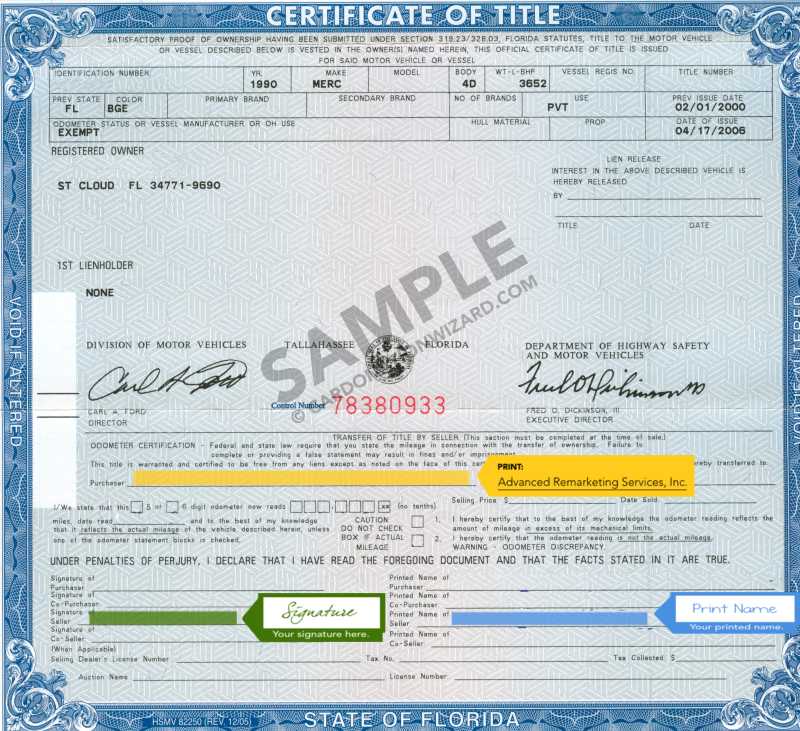
Understanding the Florida Car Titling Process
The process of titling a vehicle in Florida is managed by the Florida Highway Safety and Motor Vehicles (FLHSMV), but the actual transactions are conducted through your local County Tax Collector’s Office. Unlike some states where the Department of Motor Vehicles (DMV) handles everything, Florida decentralizes these services, making local offices your primary point of contact. This setup is designed to make services more accessible to residents across the state, from Miami to Jacksonville.
When Do You Need a Florida Title?
You’ll need to obtain a Florida title in several common scenarios that are integral to daily life and personal finance in the state:
- New Residents: If you’re moving to Florida and bringing a vehicle from another state, you must transfer your out-of-state title to a Florida title. This is often done concurrently with obtaining your Florida driver’s license and vehicle registration.
- Purchasing a Vehicle: Whether you buy a new or used car from a dealership or a private seller within Florida, the title must be transferred into your name. Dealerships typically handle this for you, but private sales require you to manage the process directly.
- Gifting or Inheriting a Vehicle: If a vehicle is gifted to you or inherited, the title must be transferred to reflect your new ownership.
- Vehicles with Significant Damage: If a vehicle is declared a total loss by an insurance company, it will often be issued a Salvage Title or a Rebuilt Title in Florida after repairs, impacting its resale value and insurance options.
The sooner you address the titling process, the quicker you can fully integrate your vehicle into your new Florida lifestyle, ensuring compliance and avoiding potential legal complications.
Key Documents Required
Gathering the correct documentation is the cornerstone of a smooth titling experience. Missing even one piece of paper can lead to delays. While requirements can vary slightly depending on your specific situation, the core documents generally include:
- Proof of Ownership: This is typically the original title certificate (for out-of-state vehicles or private sales). For new vehicles purchased from a dealer, it might be a Manufacturer’s Certificate of Origin (MCO).
- Proof of Identity: A valid government-issued photo ID, such as a Florida driver’s license, passport, or out-of-state driver’s license.
- Application for Certificate of Title With/Without Registration (Form HSMV 82040): This is the primary application form you will need to complete.
- VIN Verification: For vehicles coming from out of state, a physical inspection of the vehicle’s VIN (Vehicle Identification Number) is required. This can be done by a Florida law enforcement officer, a licensed dealer, or by having an authorized motor vehicle inspection station complete Form HSMV 82042 (Vehicle Identification Number and Odometer Verification).
- Proof of Florida Insurance: You must have valid personal injury protection (PIP) and property damage liability (PDL) insurance from a Florida-licensed company.
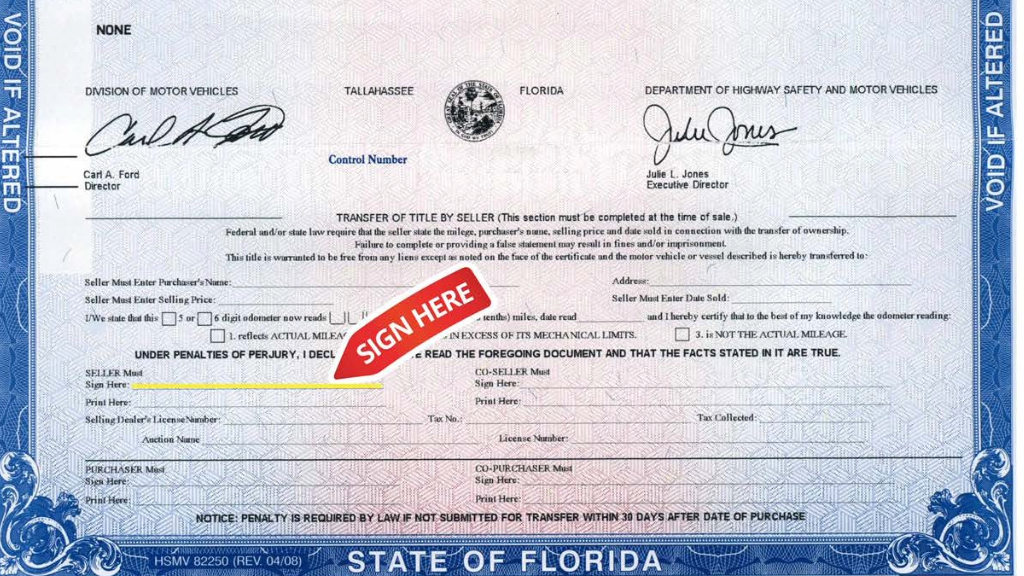
- Odometer Disclosure Statement: Required for vehicles less than 10 years old. This is often included on the title certificate itself.
- Bill of Sale: While not always strictly required for titling, it is highly recommended, especially for private sales, as it verifies the purchase price for sales tax calculations.
Preparing these documents in advance can significantly streamline your visit to the County Tax Collector’s Office.
Step-by-Step Guide to Titling Your Vehicle
The process for getting your car title in Florida is methodical. Following these steps will ensure you cover all necessary bases for a successful application.
Gather Your Documentation
As outlined above, this initial phase is critical. Double-check that you have all original documents and any required copies. For out-of-state vehicles, ensure your VIN Verification is completed prior to your visit. Make sure your Florida insurance policy is active and you have proof of it.
Completing the Application
The core of your application is Form HSMV 82040, the “Application for Certificate of Title With/Without Registration.” This form requires detailed information about you (the applicant) and the vehicle. Take your time to fill it out accurately to avoid errors that could cause delays. You’ll need to provide:
- Your personal information (name, address, Florida driver’s license number).
- Vehicle details (make, model, year, VIN, odometer reading).
- Information about any liens on the vehicle.
- The purchase price, which is used to calculate sales tax.
Visiting the County Tax Collector’s Office
Once your documents are in order and your application is completed, you’ll need to visit a local County Tax Collector’s Office in person. It’s advisable to check their website or call ahead for operating hours, required appointments, and any specific local procedures. Some offices allow you to make appointments online, which can save considerable waiting time. When you go, be prepared for potential queues, especially during peak hours.
Fees and Payment
Titling a vehicle in Florida involves several fees:
- Title Fee: A standard fee for issuing the certificate of title.
- Sales Tax: Florida levies 6% sales tax on the purchase price of the vehicle, unless you can prove you’ve paid comparable sales tax in another state. This is a significant cost, so be prepared.
- Initial Registration Fee: For new Florida residents or first-time registrations, there’s an initial registration fee (often referred to as a “new plate fee” or “initial license plate fee”).
- Registration Fees: Annual fees based on the vehicle’s weight and type.
- Lien Recording Fee: If there is a lien on your vehicle (e.g., you have a car loan), there will be a fee to record that lien.
Payment methods typically include cash, check, or credit/debit card, but always confirm with your specific County Tax Collector’s Office beforehand.
Special Considerations for Florida Residents
Certain situations can add layers of complexity to the titling process. Being aware of these can help you prepare accordingly.
Out-of-State Vehicles
For new Florida residents bringing a vehicle from another state, the process requires special attention. You’ll need your out-of-state title, proof of Florida insurance, and the crucial VIN Verification (Form HSMV 82042) completed before you visit the County Tax Collector’s Office. The process is essentially a transfer of ownership and state-of-origin, ensuring your vehicle meets Florida’s standards and is properly documented for your new Florida life.
Leased Vehicles
If you lease a vehicle, the titling process is usually handled by the leasing company, as they are the legal owner. However, you will still be responsible for registering the vehicle in your name in Florida. You’ll need a Power of Attorney from the leasing company, along with the lease agreement and proof of Florida insurance. Confirm with your leasing company exactly what documentation they will provide and what you are responsible for.
Vehicles with Liens
Many vehicles are purchased with a loan, meaning there’s a lienholder (the bank or finance company) on the title. When transferring an out-of-state title with a lien to Florida, you may need to have your lienholder send the original title directly to the FLHSMV or the County Tax Collector’s Office. It’s essential to communicate with your lienholder in advance to understand their specific procedures for state-to-state title transfers. A Florida title will then be issued showing the lienholder.
Lost or Damaged Titles
Should your Florida title be lost, stolen, or damaged, you can apply for a duplicate title. This requires completing Form HSMV 82101, “Application for Duplicate Title,” providing proof of identity, and paying a fee. It’s a fairly straightforward process designed to restore your essential proof of ownership.
Beyond the Title: Vehicle Registration in Florida
While obtaining your car title confirms legal ownership, vehicle registration is what allows you to legally operate your car on Florida roads. The two processes are closely linked and often completed simultaneously.
Combining Title and Registration
For new Florida residents or those purchasing a vehicle, it is standard practice to apply for both the title and registration at the same time at the County Tax Collector’s Office. This streamlines the process, allowing you to walk out with your license plate and registration certificate, fulfilling both legal requirements in one visit. Your title will typically be mailed to you later, or directly to your lienholder if applicable.
Renewing Your Registration
Once your vehicle is titled and registered, you’ll need to renew your registration annually or biennially (depending on your preference for personal automobiles). Florida makes this convenient, often allowing renewals online, by mail, or in person. You’ll need proof of current Florida insurance and your registration certificate. Ensuring your registration is current is as vital to your daily mobility in Florida as having a valid title.
Ensuring a Smooth Transition to Florida Lifestyle
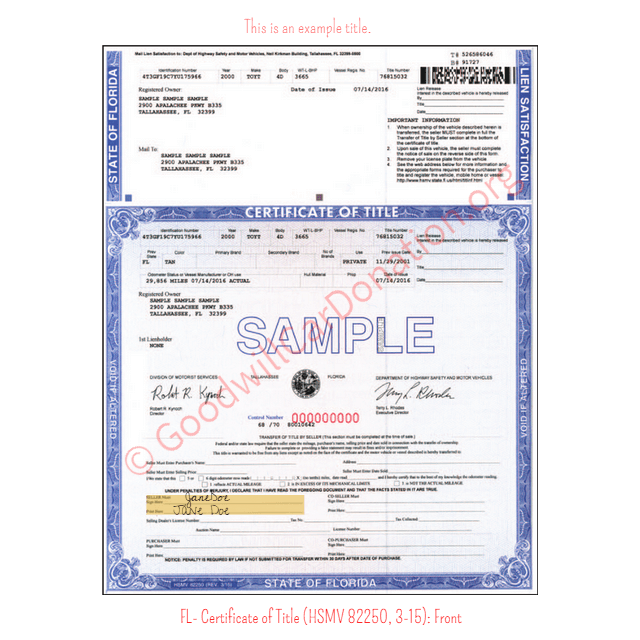
Successfully titling your car is a foundational step in integrating into the Florida way of life. It grants you the freedom and peace of mind to navigate the state’s expansive highways, explore its vibrant cities, and enjoy its natural beauty without the worry of legal complications. By meticulously preparing your documents, understanding the financial obligations, and leveraging the resources available through the FLHSMV and your local County Tax Collector’s Office, you can ensure a smooth transition and fully embrace the personal mobility that defines much of the Florida lifestyle. Taking the time to get this right from the outset allows you to focus on enjoying all that Florida has to offer.
LifeOutOfTheBox is a participant in the Amazon Services LLC Associates Program, an affiliate advertising program designed to provide a means for sites to earn advertising fees by advertising and linking to Amazon.com. Amazon, the Amazon logo, AmazonSupply, and the AmazonSupply logo are trademarks of Amazon.com, Inc. or its affiliates. As an Amazon Associate we earn affiliate commissions from qualifying purchases.