
For countless travelers, California conjures images of endless sunshine, pristine beaches, and a reliably pleasant climate perfect for year-round exploration. While other coastal regions of North America, particularly those bordering the Atlantic Ocean and Gulf of Mexico, brace for hurricane season annually, the Golden State remains remarkably free from these destructive tropical cyclones. This unique meteorological phenomenon isn’t a mere stroke of luck but a complex interplay of oceanic and atmospheric conditions that create a natural shield, making California a consistently safe and appealing destination for tourism. Understanding these factors provides valuable insight for any visitor planning their itinerary, assuring them of a largely stable weather environment.

The Pacific’s Protective Shield: Oceanic Conditions
The primary reason behind California’s hurricane immunity lies deep within the Pacific Ocean itself, specifically the properties of its waters along the North American coast. Tropical cyclones thrive on warm ocean temperatures, typically requiring waters of at least 80°F (26.5°C) to form and sustain their immense power. The Eastern Pacific Ocean, particularly off the coast of California, simply doesn’t meet this crucial criterion.
Cold Water Currents
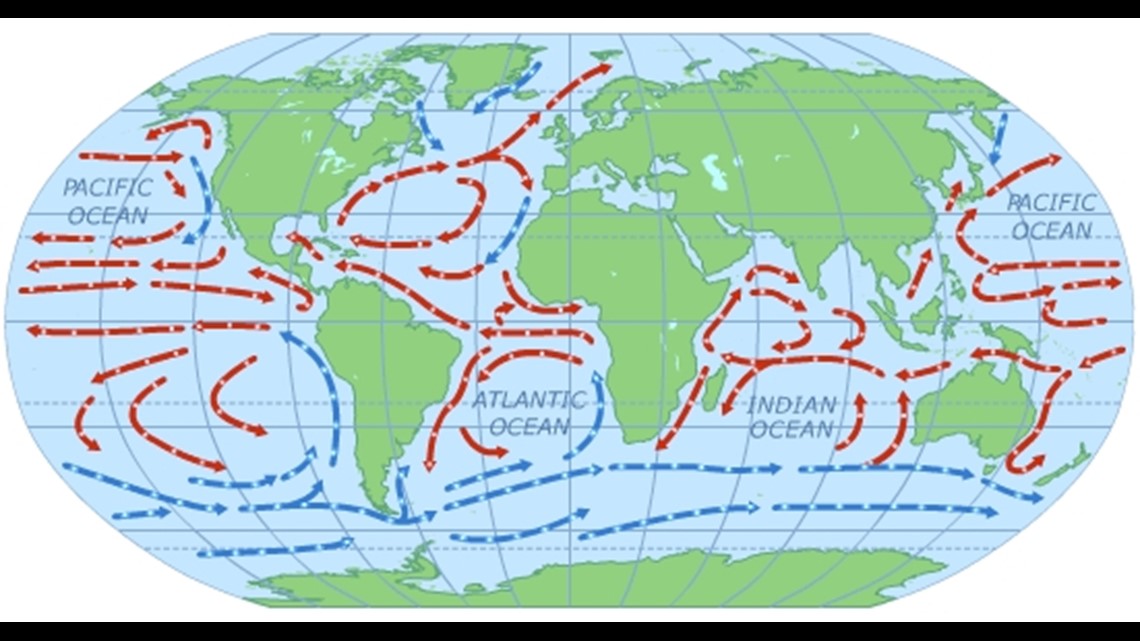
A dominant feature influencing California’s coastal climate is the California Current. This cold, southward-flowing current originates from the frigid waters of the North Pacific and effectively acts as a natural air conditioner for the state’s coastline. As it moves down the coast, it keeps sea surface temperatures significantly lower than those found in hurricane-prone regions. Even during the peak of summer, coastal waters rarely exceed the mid-60s Fahrenheit (around 18-20°C) – far below the threshold required for hurricane development. For tourists seeking relief from intense heat, these cooler coastal waters offer a refreshing contrast, albeit one that makes swimming in the Pacific a brisk experience. This consistent coolness contributes to the famed coastal fog often experienced in cities like San Francisco and Los Angeles, a unique atmospheric condition that adds to the charm of a California visit.
Eastern Pacific’s Ocean Temperature Gradient
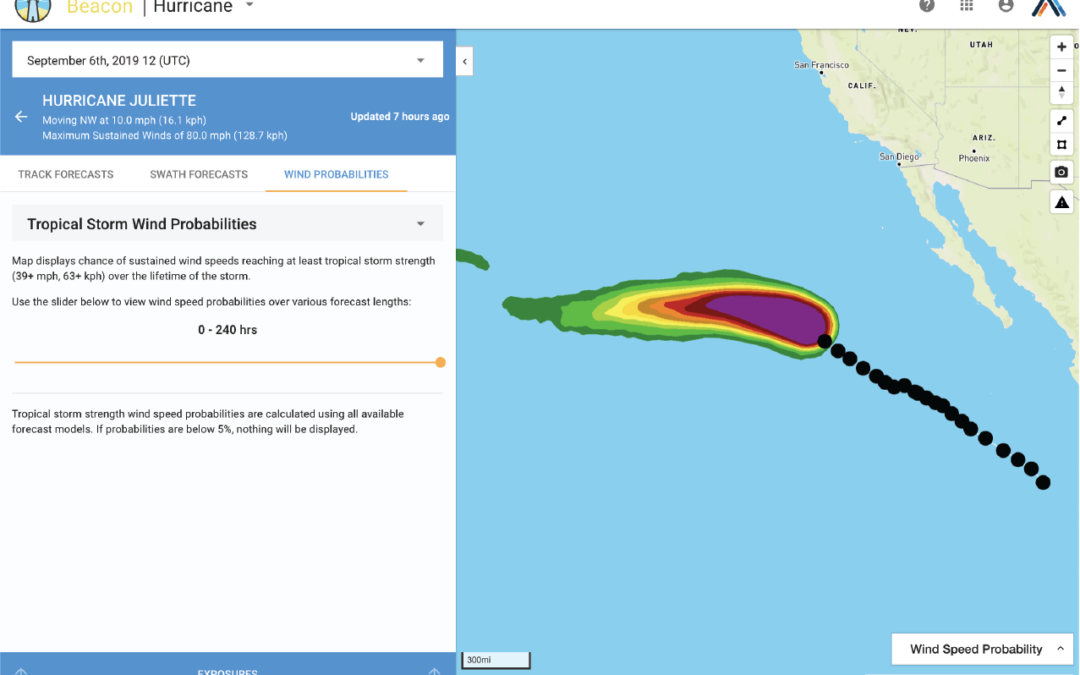
While tropical storms and hurricanes do form in the Eastern Pacific Basin – often off the coast of Mexico and Central America – their path almost invariably takes them westward, away from the California coast. As these systems move north, they encounter progressively colder waters associated with the California Current. This sharp temperature gradient effectively starves the storms of the energy they need to persist. Lacking warm water to fuel their convection, hurricanes rapidly weaken, dissipating into tropical depressions or mere rain events long before they could pose a direct threat to major tourist hubs like San Diego or Santa Barbara. This predictable pattern allows tourists to plan their visits without the anxiety of a looming hurricane season, making California a reliable choice for summer and fall travel.
Atmospheric Guardians: Wind Shear and Air Patterns
Beyond the influence of cold ocean waters, atmospheric conditions high above the Pacific also play a critical role in diverting or dismantling potential hurricanes heading towards California. These atmospheric phenomena act as additional barriers, ensuring the state’s continued protection.
The Role of Vertical Wind Shear
One of the most significant atmospheric deterrents is strong vertical wind shear. Wind shear refers to the change in wind speed or direction with altitude. In the Eastern Pacific, particularly at latitudes approaching California, there is frequently a significant difference in wind speed and direction between the lower and upper levels of the atmosphere. This wind shear effectively “shears” the tops off developing tropical cyclones, disrupting their vertical structure and preventing them from organizing into powerful, symmetrical storms. A hurricane needs a stable, vertically aligned column of air to effectively draw moisture and heat upwards and maintain its formidable eyewall. Strong wind shear tears this structure apart, causing the storm to weaken and often fall apart. For tourists, this means that even if a tropical disturbance were to track somewhat northward, the atmospheric conditions would likely mitigate its impact long before it reached the golden coastline, preserving the tranquil atmosphere vacationers expect.
High-Pressure Systems and Steering Currents
Another key atmospheric factor is the prevailing steering currents, which are largely dictated by semi-permanent high-pressure systems. The vast North Pacific High, a persistent area of high pressure, typically sits off the coast of California during the summer and early autumn months. This high-pressure system generates clockwise winds that effectively steer any nascent tropical cyclones in the Eastern Pacific away from the coast, pushing them westward into the open Pacific Ocean. While the exact position and strength of this high can vary, its general presence reliably protects the California coast. This predictable weather pattern ensures that the vast majority of tropical systems remain a distant phenomenon, allowing tourism to flourish without the constant threat of hurricane disruption that plagues other regions.
The Rare Exceptions and Tropical Storms
While direct hurricane landfalls in California are practically non-existent, it’s important for tourists to understand that the state is not entirely immune to the remnants of tropical systems or, more rarely, tropical storms. The distinction is crucial for appreciating the state’s unique weather profile.
What’s the Difference?
A hurricane is a powerful tropical cyclone with sustained winds of 74 mph (119 km/h) or higher. A tropical storm has sustained winds between 39 mph (63 km/h) and 73 mph (118 km/h). California has never recorded a hurricane landfall in its history. However, on exceedingly rare occasions, weakened tropical storms or depressions have made it close enough to the coast or even made landfall. These are typically systems that have traveled far north, encountered cold water and wind shear, and significantly diminished in strength. Their primary impact is usually heavy rainfall, localized flooding, and enhanced surf, rather than the catastrophic winds and storm surges associated with hurricanes. One notable example was Hurricane Hilary in 2023, which weakened to a tropical storm before making landfall in Baja California, Mexico, and brought significant rainfall to parts of Southern California, including Palm Springs and Death Valley. This event, while historic, showcased the extreme rarity of even a tropical storm reaching the state, let alone a full-fledged hurricane. Even during such events, the National Hurricane Center closely monitors these systems, providing timely updates to ensure public safety, including for visitors.
The Effects on California Tourism
For most tourists, the possibility of a direct hurricane impact on California is negligible. Even the rare tropical storm remnants are typically well-forecasted, allowing ample time for adjustments to travel plans. The primary impacts might include temporary closures of beaches due to high surf, flash flood warnings in desert regions, or heavy rain that could affect outdoor activities in mountainous areas or national parks like Yosemite or Sequoia. However, the general experience of California tourism remains largely unaffected by tropical cyclones. This offers a significant advantage to travelers, providing peace of mind when booking trips, especially during the peak hurricane season months that plague other popular destinations. The state’s diverse geography and microclimates mean that even during an unusual rain event in one area, other regions often remain sunny and accessible.
Planning Your California Trip: Weather Wisdom for Tourists
Understanding California’s unique meteorological protection against hurricanes empowers tourists to plan their visits with confidence. The state’s consistent, favorable weather patterns are a major draw, contributing to its status as a world-class destination.
Best Times to Visit
Given the near-absence of tropical cyclone threats, visitors can confidently plan trips to California virtually any time of year. Summer and early fall (June through October) are particularly popular for coastal and beach activities, offering warm temperatures and abundant sunshine. While these months correspond to hurricane season elsewhere, in California, they represent prime travel time. The stable weather allows for uninterrupted enjoyment of attractions ranging from the beaches of Malibu to the vineyards of Napa Valley. Spring and late fall also offer pleasant temperatures and fewer crowds, ideal for exploring cities like Sacramento or hiking in the state’s numerous state parks without the concern of severe weather.
Understanding Coastal Fog and Microclimates
While hurricanes are not a concern, tourists should be aware of California’s other weather peculiarities. The coastal regions, particularly in summer, frequently experience morning and evening fog due to the cool California Current interacting with warmer inland air. This “June Gloom” or “May Gray” often burns off by midday, revealing clear skies. Inland areas, such as the Central Valley or desert regions like Palm Springs, can experience extreme heat during summer. California’s microclimates mean that weather can vary dramatically over short distances. Tourists should pack layers and check local forecasts for specific destinations, understanding that a cool morning in Monterey might turn into a warm afternoon just a few miles inland.
Safety During Unusual Weather Events
Even in a state largely free from hurricanes, it’s always prudent for travelers to stay informed about local weather advisories. During the rare instances of heavy rainfall from a dissipating tropical system or intense winter storms, flash flood warnings can be issued, particularly for canyon areas, desert washes, and burn scar regions from past wildfires. Visitors planning excursions into remote areas or mountains should always check current conditions and heed any warnings. While the hurricane threat remains non-existent, understanding California’s unique, albeit generally benign, weather patterns ensures a smooth and enjoyable travel experience. The state’s natural defenses against tropical cyclones solidify its reputation as a safe and reliable destination, allowing visitors to focus on exploring its diverse landscapes and vibrant culture without the specter of severe storm disruption.
LifeOutOfTheBox is a participant in the Amazon Services LLC Associates Program, an affiliate advertising program designed to provide a means for sites to earn advertising fees by advertising and linking to Amazon.com. Amazon, the Amazon logo, AmazonSupply, and the AmazonSupply logo are trademarks of Amazon.com, Inc. or its affiliates. As an Amazon Associate we earn affiliate commissions from qualifying purchases.