
California, a land celebrated for its breathtaking landscapes, vibrant culture, and endless opportunities for exploration, often finds itself shrouded in the somber haze of wildfires. From the iconic beaches of Malibu to the towering redwoods of Northern California and the majestic peaks of Yosemite National Park, this diverse state offers an unparalleled array of experiences for travelers. Yet, beneath this allure lies an undeniable reality: the persistent threat of wildfires. These blazes have become an increasingly common, and often devastating, feature of the Californian landscape, prompting visitors and residents alike to ponder the fundamental question: why is California always on fire?
Understanding this complex phenomenon requires delving into a confluence of natural conditions, human influences, and the changing global climate. While the sight of orange skies and the smell of smoke are undeniably disruptive to travel plans and local lifestyles, grasping the underlying causes can offer crucial insights for responsible tourism and a deeper appreciation of this state’s delicate ecosystem. This article will explore the multifaceted reasons behind California’s fiery reputation, examining the environmental factors that create a tinderbox, the human activities that often ignite the flames, and the profound impact these events have on everything from luxury travel experiences to the preservation of natural landmarks. We’ll also touch upon the innovative strategies being employed to mitigate these challenges, ensuring that California remains a premier destination for years to come.
The Perfect Storm: Natural Conditions Fueling the Flames
California’s unique geography and climate conspire to create an environment exceptionally prone to wildfires. It’s a delicate balance of stunning natural beauty and inherent ecological risk, a factor that travelers should always consider when planning their California adventures.
Mediterranean Climate: Hot, Dry Summers and Arid Vegetation
At the heart of California’s wildfire susceptibility is its distinctive Mediterranean climate. Characterized by long, hot, and extremely dry summers, this climate type is ideal for drying out vast expanses of vegetation. Unlike many other regions, California receives the majority of its precipitation during the cooler winter months, leading to lush growth that then spends the entire summer baking under intense sun and high temperatures. This prolonged dry season transforms chaparral, brush, and forests into highly combustible fuel sources, primed for ignition. The state’s diverse ecosystems, from the dense forests of the Sierra Nevada to the scrublands of Southern California, are all subject to this natural cycle of growth and desiccation. For those enjoying outdoor activities like hiking or camping, understanding this inherent dryness is paramount for safety.
The Role of Drought Cycles
Compounding the effects of the Mediterranean climate are recurrent and often severe drought cycles. California has experienced several prolonged periods of drought in recent decades, exacerbating the dryness of vegetation and turning once-resilient landscapes into veritable tinderboxes. When rainfall is scarce for multiple years, trees and plants become stressed, making them more vulnerable to disease and insect infestations, which further increases their flammability. The lack of moisture also dries out the deeper soil layers, preventing new growth from establishing and accelerating the desiccation of existing plant life. These drought conditions significantly extend the fire season, pushing it beyond the traditional summer months into late fall and even early winter, challenging the resilience of even the most well-prepared communities and emergency services. Travelers planning extended stays or even short trips need to be aware of the prevailing drought conditions and their potential impact on local resources and fire risk.
Unforgiving Winds: Santa Ana and Diablo
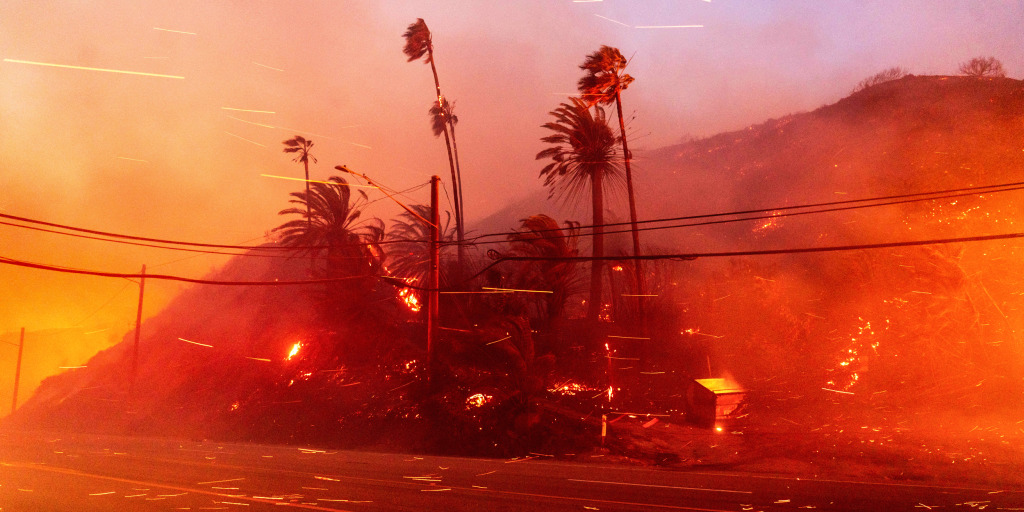
While dry vegetation sets the stage, powerful winds often act as the accelerant, transforming small ignitions into raging infernos. In Southern California, the infamous Santa Ana winds are a primary culprit. These hot, dry winds originate in the desert interior, gather speed as they descend through mountain passes, and sweep towards the coast, often reaching gale force. They strip moisture from everything in their path, rapidly drying out vegetation and pushing flames at terrifying speeds. Similarly, in Northern California, the Diablo winds produce a similar effect, channeling through valleys and hills, fanning wildfires across vast areas. These wind events are particularly dangerous because they make fire suppression efforts incredibly challenging, forcing evacuations and causing widespread damage in a short amount of time. Tourists staying at resorts or hotels in wind-prone areas may experience sudden changes in air quality or travel advisories, highlighting the need for vigilance and flexibility in their plans.
The Human Element: Igniting the Spark
While natural conditions create a landscape ripe for burning, the vast majority of wildfires in California are, unfortunately, ignited by human activity. This aspect underscores the critical role of awareness and responsible behavior for both residents and visitors alike in safeguarding the state’s natural treasures and communities.
Accidental Ignitions: Power Lines, Campfires, and Equipment
Many catastrophic fires can be traced back to accidental human causes. Faulty electrical equipment, particularly aging power lines, is a significant contributor. Strong winds can cause lines to sway, make contact, or even break, sending sparks into dry vegetation below. The resulting fires can spread with astonishing speed, especially in remote, rugged terrain. Additionally, recreational activities, while integral to California’s vibrant tourism industry, also carry risks. Unattended campfires, carelessly discarded cigarettes, and sparks from off-road vehicles or construction equipment can quickly escalate into major blazes. Even seemingly innocuous activities like using fireworks or target shooting have been known to cause devastating fires. The lesson for travelers is clear: extreme caution is necessary when engaging in any activity that could produce a spark, especially during dry conditions. Many national parks and wilderness areas implement strict fire restrictions during peak fire season, which should always be heeded.
Arson and Negligence
While less common than accidental ignitions, acts of arson represent a deliberate and malicious cause of wildfires, posing an immense challenge to law enforcement and fire agencies. These intentional fires place lives, homes, and critical infrastructure at severe risk, further straining resources dedicated to prevention and suppression. Beyond outright arson, a broader category of negligence, often resulting from a lack of awareness or disregard for fire safety regulations, also contributes significantly. This can range from property owners failing to clear defensible space around their homes to individuals ignoring burn bans or operating machinery in dry conditions without proper precautions. For visitors enjoying California’s diverse lifestyle offerings, from budget travel camping trips to stays at luxury villas, understanding and adhering to local fire safety guidelines is not just a recommendation but a shared responsibility to protect the state’s natural and built environments.
The Wildland-Urban Interface: A Growing Challenge
Perhaps one of the most pressing human factors contributing to California’s wildfire crisis is the expansion of housing and communities into the wildland-urban interface (WUI). This is the zone where developed areas directly abut or intermingle with wildland vegetation. As the population grows and more people seek to live amidst nature, homes are increasingly built in high-risk areas. This trend creates a dangerous dynamic: not only are more structures directly exposed to wildfires, but the increased human presence in these areas also raises the likelihood of accidental ignitions. Firefighters are then forced to divert resources from tackling the blaze itself to protecting structures, often at great personal risk. The WUI also introduces new complexities to fire management, as prescribed burns and other fuel reduction strategies become harder to implement safely near populated areas. For those considering accommodation options in scenic, secluded locations, understanding the WUI and its associated risks is crucial for making informed choices about safety and preparedness.

The Far-Reaching Impact on Travel, Tourism, and Lifestyle
The constant threat and periodic reality of wildfires in California have profound and multifaceted impacts, extending far beyond the immediate burn zones. For a state heavily reliant on its tourism industry and known for its diverse lifestyle offerings, these events pose significant challenges to travelers, businesses, and residents alike.
Disruptions to Iconic Destinations and Outdoor Experiences
Wildfires frequently force the closure of popular tourist attractions, national parks, and wilderness areas, disrupting countless travel plans. Yosemite National Park, Sequoia National Park, and sections of the Pacific Coast Highway are just a few examples of landmarks that have periodically been closed or had access restricted due to fire activity or lingering smoke. Hiking trails become impassable, camping sites are evacuated, and scenic drives are rerouted, leading to disappointment for visitors who have often planned their travel for months, if not years. The long-term effects can also be significant, as natural landscapes take years, even decades, to recover from severe burns, altering the very beauty that draws visitors in the first place. This can impact specific destinations like the Napa Valley wine region, where both vineyards and related tourist businesses, including boutique hotels and resorts, feel the immediate and residual effects.
Navigating Smoke, Air Quality, and Safety Concerns
Even if a fire is not directly threatening a particular area, the resulting smoke can travel hundreds of miles, significantly impacting air quality across major metropolitan areas like Los Angeles, San Francisco, and San Diego. This can pose serious health risks, particularly for individuals with respiratory conditions, and prompts advisories against outdoor activities. For travelers, poor air quality can diminish the enjoyment of sightseeing, outdoor adventures, and even simply relaxing by a pool at a luxury hotel. Beyond air quality, safety is a paramount concern. Travelers must remain vigilant, monitoring local news, official fire alerts, and travel advisories. Sudden evacuations can disrupt stays at apartments or villas, force changes to flight schedules, and potentially strand visitors. Reputable hotels and resorts often have emergency plans in place, but individual preparedness is key. Checking booking policies regarding cancellations and changes during fire season is also a wise precaution.

Economic Repercussions and Community Resilience
The economic fallout from wildfires is immense. Local businesses, from small shops in mountain towns to major resorts and vineyards in areas like Sonoma County, experience significant losses due to closures, canceled reservations, and reduced visitor numbers. This impacts employment, tax revenues, and the overall economic health of affected regions. The cost of fire suppression, emergency response, and long-term recovery efforts places a massive strain on state and local budgets. However, amidst these challenges, Californian communities often demonstrate remarkable resilience. Local residents and businesses, often aided by non-profit organizations and government assistance, work tirelessly to rebuild and restore. Many areas, once ravaged by fire, implement sustainable rebuilding practices and enhance fire-resistant landscaping, becoming models of community adaptation. Travelers wishing to support these regions can often find opportunities to contribute to recovery efforts or simply by choosing to visit during safer periods and patronizing local establishments, helping them rebound. Long-term stay options in such areas can also contribute to local economic recovery.
Mitigation and the Future: Towards a Safer California
While the scale of California’s wildfire challenge is daunting, significant efforts are underway to mitigate the risks and adapt to a future shaped by a changing climate. These strategies, embracing innovation and community involvement, aim to protect both lives and the state’s invaluable natural and cultural heritage.
Proactive Fire Management Strategies and Technologies
A critical shift in wildfire management is moving from purely reactive suppression to more proactive prevention. This includes a renewed focus on forest health through controlled, or prescribed, burns. These intentional, low-intensity fires reduce hazardous fuel loads like dead leaves, branches, and undergrowth, mimicking natural fire cycles and preventing future catastrophic blazes. Mechanical thinning and vegetation management around communities also create “defensible space,” providing critical buffers between wildlands and homes. Technology plays an increasingly vital role, with advanced satellite monitoring, drone surveillance, and AI-powered predictive modeling helping fire agencies anticipate fire behavior and deploy resources more effectively. Early warning systems, often integrated with public alert systems, provide residents and visitors with crucial time to evacuate. For those interested in local culture and conservation, learning about these efforts offers a deeper appreciation of California’s commitment to protecting its future.
Building Resilience: Infrastructure, Education, and Community Preparedness
Beyond managing the land, efforts are also focused on hardening infrastructure and empowering communities. Utility companies are investing billions in upgrading power grids, burying power lines in high-risk areas, and implementing public safety power shutoffs during extreme wind events to prevent ignitions. Building codes are being updated to require fire-resistant materials and designs for new construction, particularly in the wildland-urban interface. Education campaigns are paramount, teaching residents and visitors about wildfire risks, the importance of creating defensible space, and safe practices for outdoor activities. Community preparedness programs, including local fire councils and evacuation drills, are strengthening the ability of neighborhoods to respond effectively when fires strike. Many hotels and resorts, especially those nestled in scenic, fire-prone areas, are also adopting enhanced fire safety protocols, investing in on-site water storage, and training staff for emergency response, adding an extra layer of security for guests. Understanding these proactive measures can provide peace of mind when choosing accommodation in California.
Responsible Tourism and Future Travel Planning
For travelers, adapting to California’s wildfire reality means embracing responsible tourism practices and flexible travel planning. This includes staying informed about current fire conditions and air quality advisories, especially during the peak fire season (typically late summer through fall). Opting for eco-friendly experiences that support sustainable land management practices can also contribute positively. When visiting natural areas, always adhere to fire restrictions, such as campfire bans, and ensure all potential ignition sources are properly secured or extinguished. Choosing hotels and accommodations that are actively involved in community resilience efforts or have robust safety plans can also be a way to support responsible practices. Despite the challenges, California’s allure remains undeniable. By understanding the causes of wildfires and supporting the ongoing efforts to mitigate them, visitors can continue to enjoy the state’s unparalleled beauty and diverse attractions responsibly, contributing to a safer and more sustainable future for this extraordinary destination. Whether you’re seeking adventure travel in the wilderness or a relaxing stay in a coastal city, informed choices are key to a fulfilling and safe California experience.
LifeOutOfTheBox is a participant in the Amazon Services LLC Associates Program, an affiliate advertising program designed to provide a means for sites to earn advertising fees by advertising and linking to Amazon.com. Amazon, the Amazon logo, AmazonSupply, and the AmazonSupply logo are trademarks of Amazon.com, Inc. or its affiliates. As an Amazon Associate we earn affiliate commissions from qualifying purchases.