
California, often hailed as the Golden State, is a land of unparalleled beauty and diverse experiences, attracting millions of travelers annually with its sun-drenched beaches, majestic national parks, vibrant cities, and world-renowned culinary scene. From the iconic glamour of Hollywood and the bustling energy of Los Angeles to the historic charm of San Francisco and the serene vineyards of Napa Valley, its allure is undeniable. However, beneath this shimmering facade lies a recurring and increasingly severe challenge: wildfires. Each year, headlines worldwide are dominated by images of orange skies and smoke-filled landscapes, prompting a pressing question for both residents and aspiring visitors: why is California on fire, and what does this mean for the future of travel and lifestyle in this iconic destination?
Understanding the root causes of California’s wildfire crisis is crucial, as it’s a complex interplay of natural conditions, human actions, and a rapidly changing global climate. This phenomenon not only threatens homes and natural habitats but also casts a long shadow over its tourism industry, impacting everything from hotel bookings and travel itineraries to the very perception of a dream vacation.
The Complex Tapestry of Wildfire Causes
The fires that plague California are not merely isolated incidents but the culmination of multiple interacting factors, some deeply embedded in the state’s geography and others exacerbated by contemporary challenges.
A Mediterranean Climate and Arid Landscapes
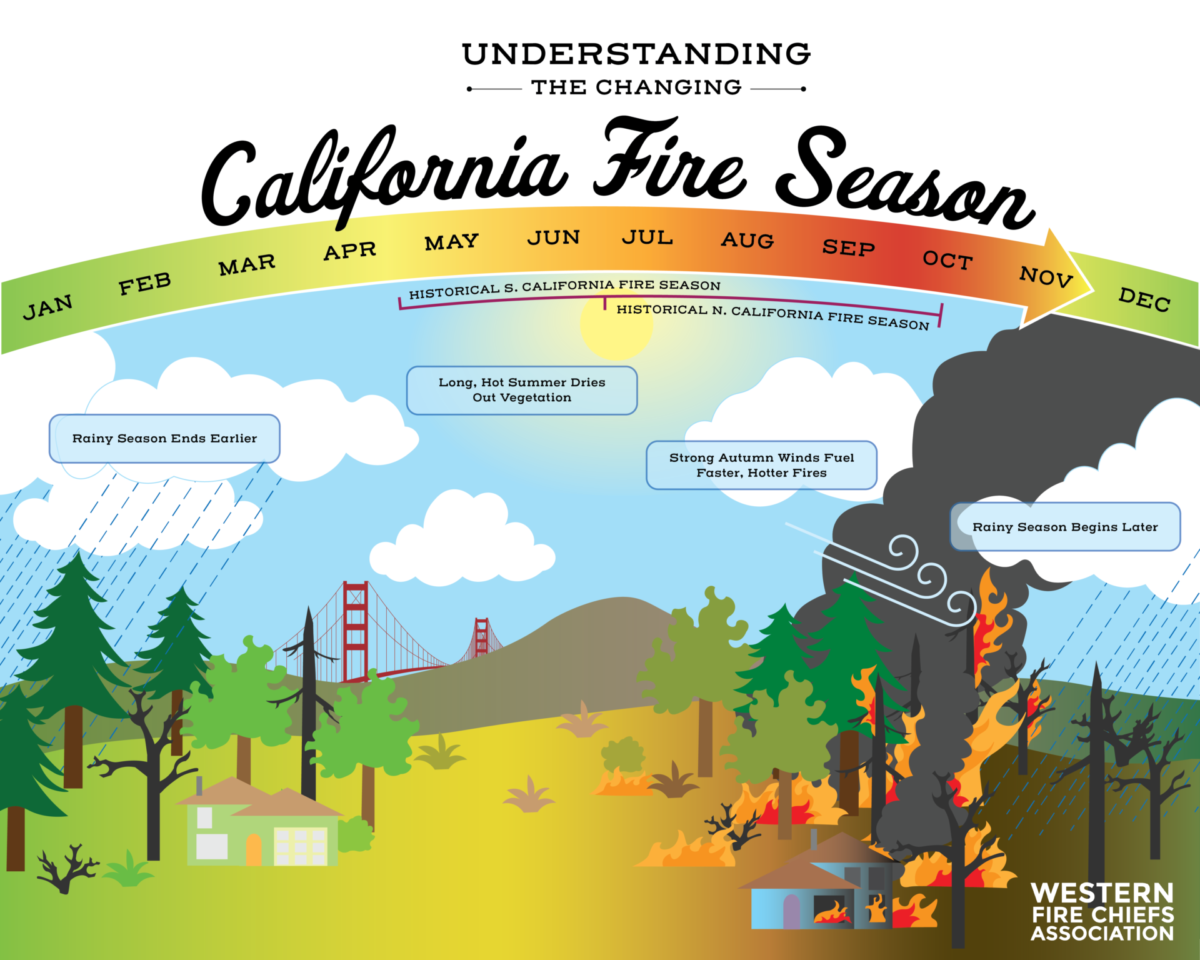
California’s geography is a primary determinant of its fire susceptibility. The state boasts a Mediterranean climate characterized by hot, dry summers and mild, wet winters. While these conditions create an ideal environment for thriving agriculture and comfortable living for much of the year, they also foster a cycle that primes the landscape for ignition. During the long, dry summers, vegetation – ranging from dense chaparral in the south to vast forests in the Sierra Nevada mountain range – becomes exceedingly dry, turning into highly flammable kindling.
Adding to this natural predisposition are the notorious Santa Ana winds in Southern California and Diablo winds in the north. These strong, dry winds, typically occurring in the fall, sweep down from inland deserts, rapidly spreading embers and fanning small fires into raging infernos with terrifying speed. Areas like the hills surrounding Malibu or the forests near Lake Tahoe are particularly vulnerable to these wind-driven events, which can quickly overwhelm firefighting efforts. The natural ecosystem, in many ways, has adapted to fire over millennia, with some native plant species even requiring fire for seed germination. However, the frequency and intensity of modern fires far exceed this natural cycle.

Human Footprint and Infrastructure
While natural factors set the stage, human activity is overwhelmingly responsible for igniting the vast majority of wildfires. A staggering percentage of fires in California are human-caused, stemming from a variety of sources, both accidental and intentional. Faulty electrical infrastructure, particularly aging power lines, has been implicated in some of the state’s most destructive blazes. Downed power lines, especially during periods of high winds, can easily spark dry vegetation, leading to catastrophic consequences for communities and natural landmarks alike. Utility companies are investing heavily in grid hardening and preventative shutdowns during high-risk weather, but the challenge remains immense given the vast network of infrastructure spanning rugged terrain.
Beyond infrastructure, human carelessness is a significant contributor. Unattended campfires, discarded cigarettes, sparks from agricultural equipment, vehicle accidents, and even fireworks or target practice can all trigger devastating fires. Arson, though a smaller percentage of total ignitions, also plays a tragic role, intentionally inflicting damage on communities and the environment. The continuous expansion of human populations into wildland-urban interface (WUI) areas further exacerbates the problem. As more homes, resorts, and businesses are built closer to natural landscapes, the risk of ignition increases, as does the potential for damage to property and loss of life, making evacuation logistics for guests at boutique hotels or large family resorts incredibly complex.

Climate Change as an Accelerant
Perhaps the most significant and concerning factor in the escalating wildfire crisis is climate change. Global warming is intensifying the natural conditions that make California susceptible to fire. Rising global temperatures lead to hotter and longer dry seasons, making vegetation even drier and more flammable for extended periods. Droughts, which have become more frequent and severe, deplete water reserves and stress ecosystems, making them more vulnerable to fire. Forests weakened by drought and insect infestations become prime fuel for intense, fast-moving fires.
The increase in extreme heat events further contributes to the problem, creating perfect conditions for ignition and rapid spread. While California has always experienced wildfires, climate change is changing their character – making them larger, more frequent, more intense, and extending the traditional fire season almost year-round. This “new normal” profoundly impacts the lifestyle of Californians and presents ongoing challenges for anyone planning to visit the state for leisure or business, requiring constant vigilance regarding air quality and regional safety advisories.
The Devastating Impact on Travel and Tourism
California’s tourism industry is a cornerstone of its economy, drawing visitors to its diverse attractions. Wildfires, however, pose a direct and significant threat to this vital sector, impacting destinations, accommodation providers, and the overall travel experience.
Disrupted Destinations and Air Quality
When wildfires rage, the immediate impact on travel is stark. Roads are closed, evacuation orders are issued, and entire regions become inaccessible. This directly affects popular tourist spots, particularly those nestled in or near natural areas. Iconic destinations like Yosemite National Park, Big Sur, the Redwood National Park along the Pacific Coast Highway, and even parts of Wine Country in Napa and Sonoma have faced closures or severe disruptions. These closures not only prevent visitors from experiencing these natural wonders but also cut off access to adjacent towns and their economies, which heavily rely on tourism.
Beyond direct closures, pervasive smoke is a major deterrent. Smoke plumes can travel hundreds of miles, causing unhealthy air quality in major urban centers like San Francisco, Sacramento, and Los Angeles. This leads to cancelled outdoor activities, affecting everything from beach days and hiking trails to al fresco dining experiences. Travelers seeking a relaxing vacation at a luxury resort might find their plans compromised if the air quality index is poor, leading to disappointment and last-minute cancellations. The experience of breathing acrid air and witnessing a hazy, orange sky significantly detracts from the idyllic image of a California getaway.
Accommodation and Business Challenges
The ripple effect of wildfires is profoundly felt by the accommodation sector. Hotels, resorts, vacation rentals, and campsites in affected and even nearby areas experience a dramatic drop in bookings. Travelers, understandably concerned about safety and air quality, often opt to reschedule or cancel their trips altogether. This leads to significant financial losses for properties, from small, family-run bed and breakfasts to large corporate resorts. Some establishments, like a charming Santa Barbara boutique hotel or a resort in Palm Springs, might find their peak season decimated by a nearby fire.
Beyond cancellations, many hotels and apartments are pressed into service to house evacuees or first responders, shifting their operational focus from tourism to community support. While commendable, this also changes the nature of their business and revenue streams. For businesses that rely on foot traffic, like local restaurants, souvenir shops, and tour operators in towns close to natural attractions, wildfires can be devastating. Loss of income, inability to operate, and potential damage to property can lead to layoffs, business closures, and a slow, arduous recovery process for entire communities. The booking and review landscape also shifts, as travelers prioritize safety and flexibility, often seeking accommodation with robust cancellation policies or considering long-term stays in unaffected regions if displaced.
Iconic Landmarks Under Threat
California is home to some of the world’s most breathtaking natural landmarks and historical sites, many of which are directly threatened by wildfires. Yosemite National Park, with its towering sequoias and granite cliffs, has repeatedly faced the peril of encroaching flames. The ancient trees of Redwood National Park, some thousands of years old, are vulnerable, as are the unique ecosystems of Joshua Tree National Park and Death Valley National Park. These natural treasures, vital for biodiversity and global tourism, represent irreplaceable losses when damaged.
Beyond natural wonders, historical structures and cultural sites can also fall victim to fires. Missions, historic ranches, and quaint towns with unique architecture contribute to California’s local culture and heritage, making them popular tourist destinations. The loss of such landmarks is not just an economic blow but a profound cultural one, erasing parts of the state’s identity that attract visitors seeking authentic experiences. Protecting these landmarks requires extensive resources and strategic planning, influencing how areas are managed for both conservation and tourism.
Adapting and Traveling Responsibly in the Golden State
Despite the challenges, California’s spirit of resilience and innovation ensures it remains a captivating destination. Travelers, however, must adapt to this “new normal” by adopting responsible and informed travel practices.
Prioritizing Safety and Information
For anyone planning a trip to California, especially during the fire season (typically late summer through fall, but increasingly unpredictable), prioritizing safety and staying informed is paramount. Before and during travel, regularly check official sources for wildfire updates, evacuation orders, and air quality advisories. Websites from CAL FIRE, the National Weather Service, and local county emergency services offer real-time information. Many areas also use public alert systems that travelers can sign up for. Understanding the status of specific destinations, national parks, and even road conditions (like sections of the Pacific Coast Highway) is crucial for safe itinerary planning.
Consider travel insurance that covers wildfire-related cancellations or disruptions. When booking accommodation, inquire about the property’s wildfire safety protocols and cancellation policies. Staying in well-established hotels or resorts in urban centers like San Diego, San Jose, or Anaheim (home to Disneyland) might offer greater peace of mind during peak fire season compared to more remote, wildland-adjacent properties, though even urban areas can be affected by smoke.
Supporting Local Communities and Sustainable Tourism
Responsible tourism during and after wildfire events means consciously supporting affected communities. If a region has experienced fires but is open for business and safe to visit, spending money at local shops, restaurants, and hotels can significantly aid in their recovery. Choose boutique hotels or family-run resorts that are integral to the local economy. Opt for activities that promote sustainable practices and respect the natural environment.
Consider visiting California during the off-season or exploring less fire-prone regions, especially during peak wildfire months. This not only helps distribute tourism traffic but also offers unique experiences away from the summer crowds. Engaging with local culture and activities, from exploring art galleries in Laguna Beach to tasting regional cuisine in a revitalized town, contributes directly to the resilience and continued vibrancy of these communities.
Future of California Travel: Resilience and Prevention
The ongoing wildfire crisis has spurred significant efforts in prevention and mitigation across California. This includes substantial investments in forest management, prescribed burns, defensible space around homes, and early detection technologies. From a travel and accommodation perspective, developers and property owners are increasingly incorporating fire-resistant materials and landscaping into new constructions and renovations, enhancing guest safety and property resilience. Luxury resorts in vulnerable areas are often at the forefront of these innovations.
The future of travel in California will undoubtedly involve a greater emphasis on understanding and adapting to fire risks. It will highlight the importance of eco-tourism that respects and helps protect the state’s natural beauty. For destinations, it means finding a balance between accessibility and preservation. For travelers, it means embracing flexibility, staying informed, and engaging in tourism that actively supports the long-term health and recovery of this extraordinary state. California’s allure is undeniable, and by understanding its challenges and adapting our approach to travel, we can continue to experience its magic responsibly for generations to come.
In conclusion, California is on fire due to a confluence of natural environmental conditions, human activities, and the accelerating effects of climate change. This complex issue profoundly impacts its vital travel and tourism sectors, affecting destinations, hotels, and the very lifestyle that draws people to its shores. However, through informed decisions, responsible travel practices, and a collective commitment to prevention and recovery, the Golden State can continue to thrive as a premier global destination, offering unforgettable experiences amidst its enduring beauty.
LifeOutOfTheBox is a participant in the Amazon Services LLC Associates Program, an affiliate advertising program designed to provide a means for sites to earn advertising fees by advertising and linking to Amazon.com. Amazon, the Amazon logo, AmazonSupply, and the AmazonSupply logo are trademarks of Amazon.com, Inc. or its affiliates. As an Amazon Associate we earn affiliate commissions from qualifying purchases.