
The scheduling of television programs is a complex art, often driven by a confluence of factors aimed at maximizing viewership, aligning with network strategies, and catering to audience preferences. When a beloved show like Chicago Fire is programmed to air before another equally popular series, Chicago Med, within the same franchise, it prompts a natural curiosity among dedicated fans. This seemingly simple scheduling decision is, in fact, a carefully orchestrated move that speaks volumes about broadcast television’s landscape, the interconnectedness of storytelling, and the strategic power of building a loyal audience.

The Strategic Allure of Franchise Programming
Networks like NBC, the home of the One Chicago universe, understand the immense value of creating and nurturing successful franchises. The concept of a shared universe, where characters and storylines can, and often do, intersect, has proven to be a powerful engine for sustained viewership. Programming shows from the same franchise back-to-back or in close proximity on the same night is a deliberate strategy to capitalize on this built-in synergy.
Building Viewer Habit and Retention
One of the primary reasons for this programming choice is to cultivate viewer habit. By presenting Chicago Fire immediately followed by Chicago Med, the network encourages viewers to stay tuned to the channel for an extended period. This creates a predictable viewing pattern, making it more likely that audiences will commit to watching both shows regularly. Instead of viewers having to remember to tune in at different times for different shows, they can settle in for an entire evening of their favorite characters and compelling dramas. This “appointment viewing” is crucial in an era where streaming services offer endless on-demand options. The linear television experience, when executed strategically, can still command significant attention.
Leveraging Cross-Promotional Opportunities
The shared universe of Chicago Fire, Chicago Med, and their sibling series, Chicago P.D., provides a fertile ground for cross-promotion. When episodes are aired sequentially, characters from one show can make guest appearances in another, or storylines can be woven across multiple episodes. This not only adds depth and excitement to the narratives but also serves as a constant reminder to viewers of the other shows within the franchise. A compelling cliffhanger in Chicago Fire might directly lead into a plot point being addressed in Chicago Med, enticing viewers to continue watching to see how the situation unfolds. This interconnectedness fosters a sense of a larger, ongoing story, making viewers feel more invested in the entire universe.
Maximizing Audience Overlap and Demographic Appeal
The target demographics for these shows often share significant overlap. Both Chicago Fire and Chicago Med tend to attract viewers who enjoy procedural dramas, character-driven narratives, and a blend of action and emotional resonance. By scheduling them together, the network maximizes the chances of appealing to this shared audience. Viewers who are drawn to the firefighting and rescue heroics of Firehouse 51 are likely to also appreciate the medical emergencies and life-saving efforts of Gaffney Chicago Medical Center. This strategic placement ensures that the network is not just airing two popular shows but is effectively creating an “event” night for a specific segment of the television audience.
The Art of Lead-In and Lead-Out
In television scheduling, the concept of “lead-in” and “lead-out” is paramount. A lead-in show is the program that airs immediately before another, with the hope that its audience will continue watching the subsequent program. Conversely, a lead-out show is the program that follows another, hoping to benefit from the audience that has just finished watching. In the case of Chicago Fire airing before Chicago Med, Chicago Fire acts as the crucial lead-in.
Chicago Fire as a Powerful Lead-In
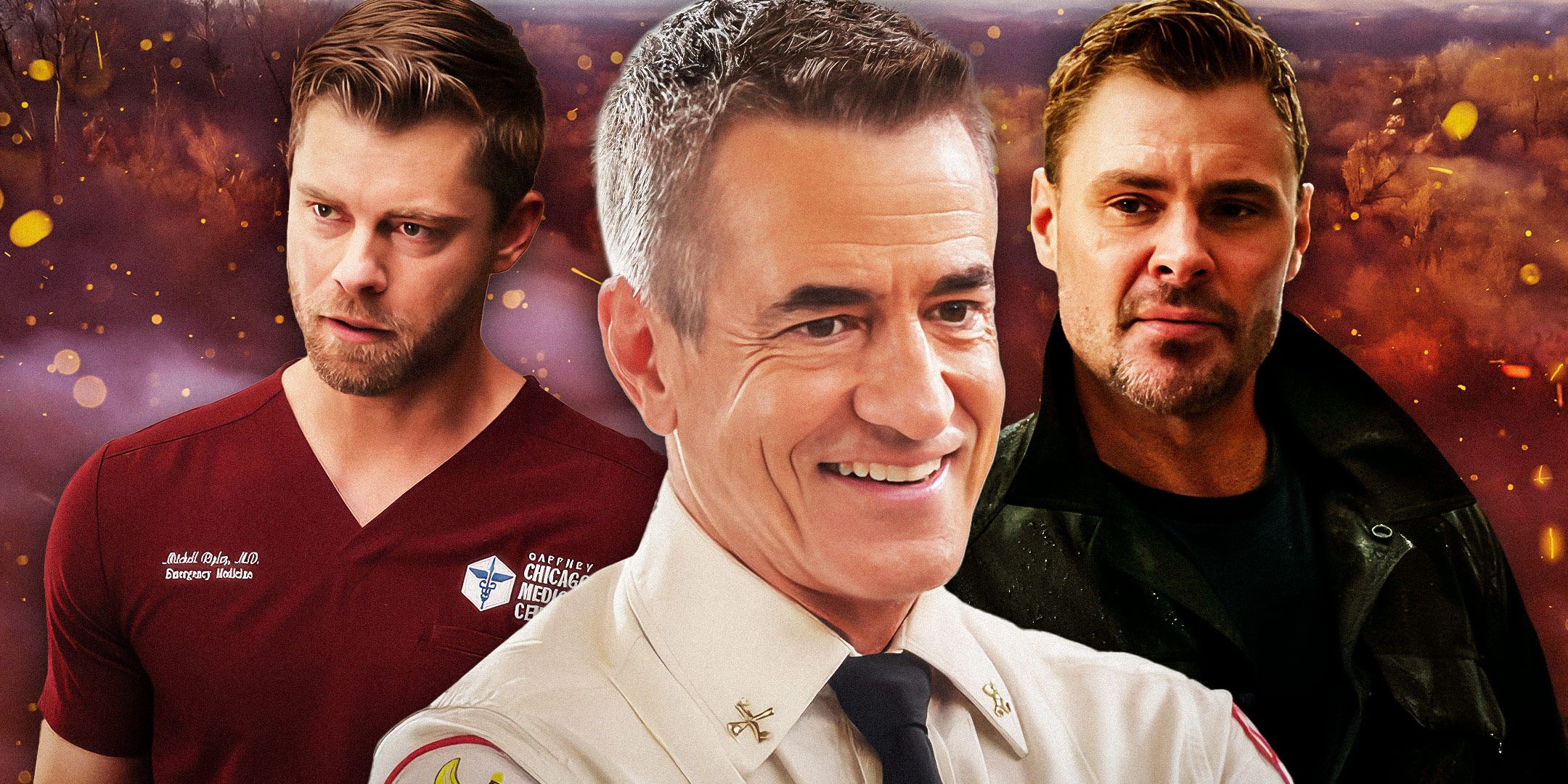
Chicago Fire, often the originating series of the One Chicago franchise, has a long-standing and dedicated fan base. Its established popularity and consistent viewership make it an ideal show to lead into another. The network is essentially leveraging the established audience of Chicago Fire to give Chicago Med a robust initial viewership. Viewers who are passionate about the firefighters and their personal lives are likely to have at least some interest in the medical professionals who often tend to their injuries or are involved in broader community crises. This creates a natural flow of viewers from one dramatic scenario to another.
The Synergy of Consecutive Episodes
The immediate transition from Chicago Fire to Chicago Med on the same night enhances the perceived value of the viewing experience. Rather than spreading these popular shows across different nights of the week, which could lead to audience fragmentation, the back-to-back scheduling consolidates their impact. This also allows for a more cohesive narrative flow, as events in one episode might have direct repercussions or connections to the next, even if they are in different shows. This is a testament to the success of the writing teams in creating interconnected plotlines that keep viewers engaged.
Audience Preferences and Viewing Habits
Beyond the network’s strategic decisions, audience preferences play a significant role in shaping programming schedules. Understanding how and when viewers want to consume content is key to successful broadcasting. The back-to-back scheduling of Chicago Fire and Chicago Med aligns with certain established viewing habits.
The Appeal of a Thematic Night
For many viewers, an entire evening dedicated to a specific genre or franchise is an attractive proposition. The One Chicago franchise offers a consistent level of quality and thematic coherence that appeals to a devoted audience. By placing Chicago Fire and Chicago Med together, the network is catering to viewers who enjoy a full evening of action, drama, and compelling character arcs within a familiar world. This can be particularly appealing for those who prefer not to juggle multiple channels or streaming services throughout the week.
The Impact of “Binge-Watching” Culture
While NBC operates on a linear broadcast model, the rise of “binge-watching” culture has undeniably influenced viewing habits. Even for live television, there’s an expectation of sustained engagement. Programming two popular shows back-to-back satisfies this desire for extended viewing sessions. It offers a concentrated dose of entertainment that can feel more fulfilling than fragmented viewing across different nights. The network is essentially offering a mini-binge experience within the live broadcast schedule, encouraging viewers to settle in and enjoy a consistent flow of content.

Conclusion: A Calculated Combination for Success
The decision to air Chicago Fire before Chicago Med tonight, or on any given night, is far from arbitrary. It is a well-considered strategy rooted in the fundamental principles of broadcast television: audience retention, franchise building, and leveraging the inherent appeal of interconnected storytelling. By placing these two cornerstone shows of the One Chicago universe together, NBC not only maximizes viewership potential but also reinforces the shared universe’s strength and appeal. It’s a testament to the enduring power of well-crafted television and the strategic brilliance required to keep audiences engaged week after week. For fans, it means a seamless transition from the adrenaline-pumping world of firefighters to the critical care of doctors, offering a complete and satisfying evening of dramatic television.
LifeOutOfTheBox is a participant in the Amazon Services LLC Associates Program, an affiliate advertising program designed to provide a means for sites to earn advertising fees by advertising and linking to Amazon.com. Amazon, the Amazon logo, AmazonSupply, and the AmazonSupply logo are trademarks of Amazon.com, Inc. or its affiliates. As an Amazon Associate we earn affiliate commissions from qualifying purchases.