
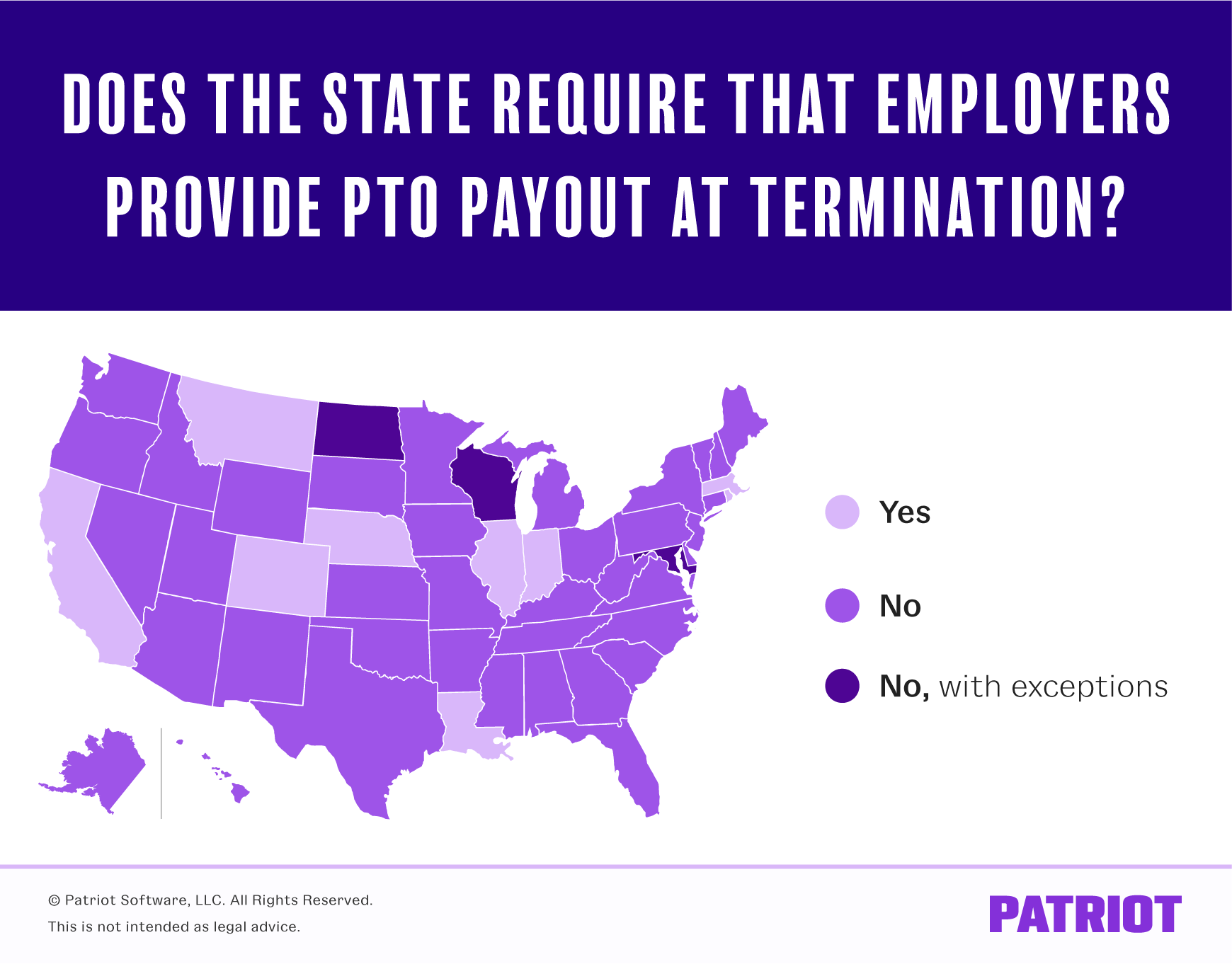
Navigating the complexities of employment law can be a formidable task, particularly when considering career transitions or establishing a business presence in a dynamic state like California. For individuals planning a move, considering a long-term “business stay” for work, or simply managing their professional life within the Golden State, understanding local labor codes is paramount. One question frequently arises regarding the financial implications of ending employment: Does California mandate the payout of accrued Paid Time Off (PTO) upon termination? The answer is a resounding yes for most forms of PTO, and grasping the nuances of this requirement is crucial for both employees and employers. This insight is not just a legal technicality; it’s a vital component of financial planning, career management, and responsible business operation in one of the world’s largest economies.
Understanding California’s Unique Labor Landscape
California stands out among U.S. states for its robust employee protections, often setting precedents that other jurisdictions eventually adopt. The state’s labor laws are designed to safeguard workers’ rights, and this philosophy extends directly to how accrued leave is treated at the end of employment. For anyone considering relocating to California for work, or for businesses contemplating expansion into its vibrant markets, a deep dive into these regulations is not merely advisable but essential for strategic financial and operational planning.
The Fundamental Rule: Accrued PTO as Wages
Under California Labor Code Section 227.3, accrued vacation time is considered a form of earned wages. This is the cornerstone of the state’s policy on PTO payouts. Once an employee earns vacation time, it cannot be forfeited, even if they are terminated, resign, or otherwise leave their position. This means that any unused, accrued vacation time must be paid out to the employee at their final rate of pay when their employment ends. This isn’t just a courtesy; it’s a legal obligation for employers.
The implication for employees is clear: your accrued vacation time holds monetary value that you are entitled to receive. For individuals managing their financial lifestyle, this provides a predictable asset, especially when navigating the gap between jobs or funding a post-employment travel experience. For employers, this dictates a mandatory financial liability that must be accounted for in budgeting and operational costs, particularly when restructuring or managing workforce reductions. The state’s stance is unequivocal: vacation is earned compensation, not a privilege that can be rescinded.
Vacation Time vs. Sick Leave: A Crucial Distinction
While California’s robust labor laws protect accrued vacation, it’s important to differentiate between various types of paid leave. The rules for sick leave are distinct from those governing vacation time. Generally, employers are not required to pay out accrued, unused sick leave upon termination in California. The state’s paid sick leave law (the Healthy Workplaces, Healthy Families Act of 2014) mandates that employees accrue sick leave, and employers must allow them to use it for specific purposes. However, unlike vacation time, sick leave is typically not considered an accrued wage that must be cashed out.
This distinction is vital for financial planning. When an individual plans their departure from an employer, they should understand that only their vacation balance will generally convert to a payout. Employers, too, must accurately track and categorize different types of PTO to ensure compliance. Misclassifying leave types or failing to understand this distinction can lead to significant legal penalties and disputes, impacting a business’s operational stability and financial health within California’s strict regulatory environment.
Implications for Business Travelers and Relocating Professionals
For professionals engaged in long-term “business stays” in California – whether as an executive relocated for a multi-year project, a digital nomad establishing a temporary base, or someone considering a permanent career move – these labor laws have direct financial and lifestyle implications. Understanding your rights regarding PTO payout can influence career decisions, budgeting, and even the timeline of a planned relocation or post-employment travels.
Financial Planning for Career Transitions in the Golden State
The guaranteed payout of accrued vacation time provides a critical financial cushion for individuals undergoing career transitions. This sum can be substantial, offering funds for relocation expenses, covering living costs during a job search, or even financing a well-deserved sabbatical or travel adventure before starting a new role. For someone moving to [California](https://lifeoutofthebox.com/california] without a guaranteed next position, or an existing resident contemplating a career change, factoring in this potential payout is a smart financial strategy. It represents a liquid asset that can significantly mitigate the financial stress often associated with job changes.
Effective financial planning means understanding your total compensation package, not just your base salary. Accrued PTO, particularly in California, is a tangible asset that should be included in your personal financial balance sheet. Being aware of this entitlement empowers employees to make more informed decisions about their career trajectory and lifestyle choices.
Considerations for Employers Establishing a Presence in California
Businesses considering expanding into California or sending employees for extended “business stays” must factor these labor code requirements into their operational and human resources strategies. The obligation to pay out accrued vacation time upon termination is a non-negotiable cost. Companies must ensure their PTO policies are compliant with California law, accurately track accruals, and allocate funds for potential payouts.
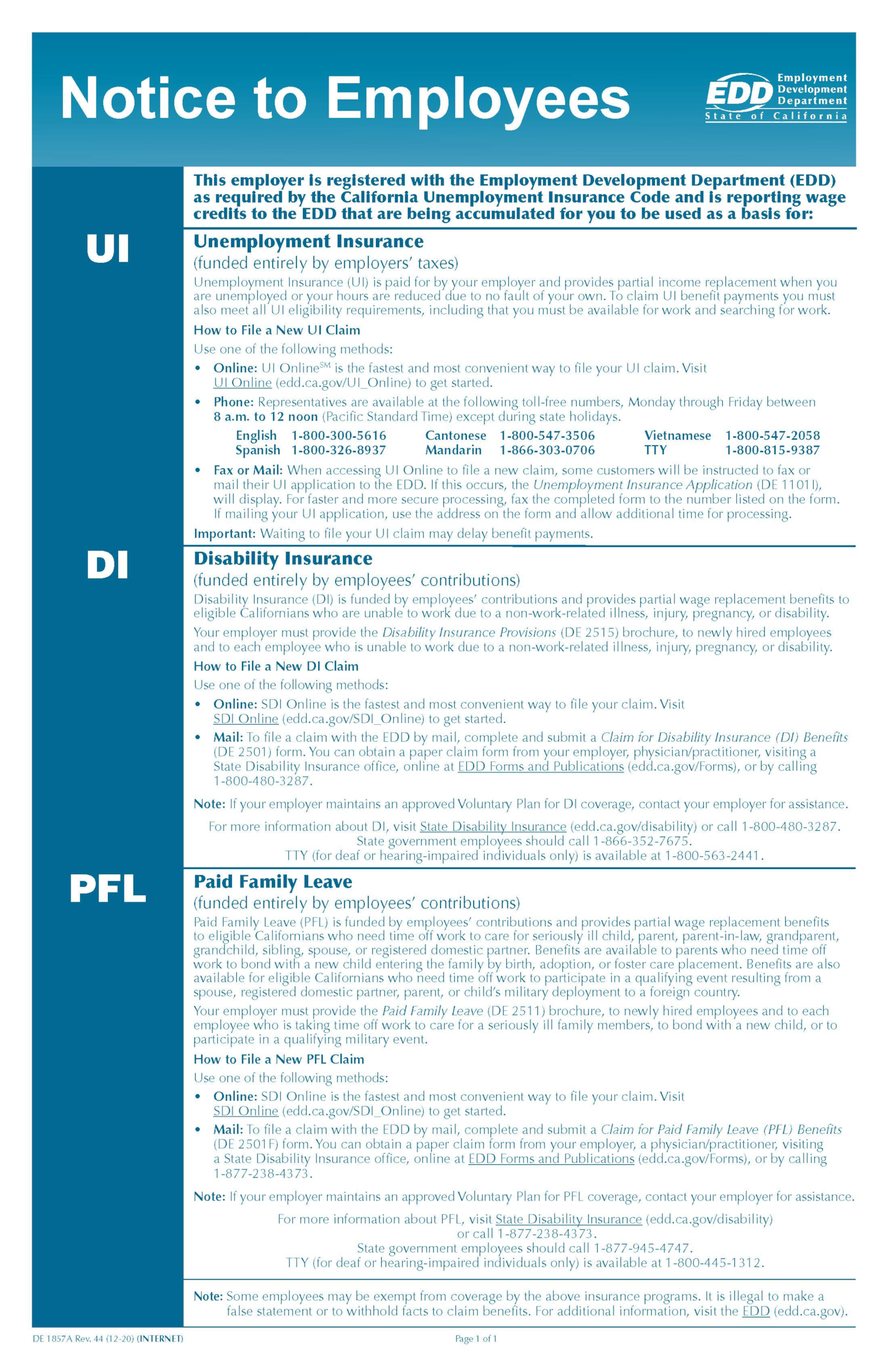
Failure to comply can result in significant penalties, including waiting time penalties (where an employee’s daily wage continues to accrue for up to 30 days if final wages are not paid on time), interest on unpaid wages, and legal fees. For a business, especially a new one in the state, these unforeseen costs can severely impact profitability and reputation. Therefore, proactive engagement with California labor law experts and meticulous HR practices are not just good business sense but a prerequisite for sustainable operation.
Navigating the Nuances: Employer Policies and Exceptions
While the general rule in California is clear regarding vacation payout, the specifics can sometimes be nuanced by employer policies, though these policies must always conform to state law. Understanding how these policies interact with legal mandates is key for both sides.
“Use-It-or-Lose-It” Policies: Are They Valid in California?
A common practice in some other states, “use-it-or-lose-it” policies for vacation time are generally illegal in California. Because vacation is considered an earned wage, employers cannot legally strip employees of their accrued vacation time, regardless of whether it’s used within a specific period. However, employers can implement a “reasonable cap” on the amount of vacation time an employee can accrue. Once an employee reaches this cap, they stop accruing new vacation time until they use some of their banked hours, bringing their balance below the cap. This allows employers to manage their financial liability while still respecting the non-forfeitable nature of earned vacation time.
It’s crucial for employees to understand their company’s specific accrual cap. If you’re approaching the cap, it’s wise to plan some time off to ensure you continue accruing vacation days. For employers, establishing a reasonable and clearly communicated accrual cap is a legitimate way to manage liabilities without violating California law.
Final Paycheck Requirements and Timing
California also has strict rules regarding the timing of final paychecks, which includes the payout of accrued vacation time. If an employer terminates an employee, all final wages, including accrued vacation, must be paid immediately on the last day of employment. If an employee resigns and provides at least 72 hours’ notice, their final wages are due on their last day. If they resign without 72 hours’ notice, the final wages are due within 72 hours of their notice of resignation.
These deadlines are not flexible, and non-compliance can lead to significant “waiting time penalties,” where the employee’s daily wage continues to accrue for up to 30 days. This regulation underscores the importance of efficient HR processes and clear communication during an employee’s departure, whether voluntary or involuntary. For individuals leaving employment, being aware of these timelines can help manage financial expectations during a transition period.
Best Practices for Employees and Employers
Navigating California’s employment laws effectively requires proactive measures from both employees and employers. Adhering to best practices can prevent misunderstandings, ensure compliance, and foster a more transparent and fair work environment, essential for a thriving professional lifestyle in the state.
Documenting PTO Accrual and Usage
For employees, regularly checking pay stubs and HR portals for accurate documentation of PTO accrual and usage is a critical best practice. Maintain your own records of hours worked, time off taken, and any communication regarding PTO balances. In the event of a discrepancy or dispute, clear records can be invaluable. Understanding your current balance empowers you to plan vacation time effectively or anticipate a potential payout.
For employers, maintaining meticulous, transparent, and easily accessible records of each employee’s PTO accrual, usage, and cap limits is non-negotiable. Regular audits of these records can help identify and rectify errors before they become compliance issues. Clear communication of PTO policies, including accrual rates, caps, and payout rules, is also vital to prevent disputes and ensure employees are fully informed of their entitlements.

Seeking Professional Guidance
Given the complexities and specific nuances of California labor law, both employees and employers are strongly advised to seek professional legal or HR guidance when questions arise, particularly concerning termination and final wage payouts. An attorney specializing in California employment law can provide tailored advice, help interpret specific situations, and ensure full compliance.
For employees, understanding your rights thoroughly can protect your financial interests during a career transition. For employers, expert advice can prevent costly legal battles and reputational damage, ensuring that business operations in California remain smooth and compliant. Whether you’re planning a long-term “business stay,” considering a new career path, or managing a workforce, informed decision-making based on expert counsel is an investment in your financial well-being and professional future in the Golden State.
LifeOutOfTheBox is a participant in the Amazon Services LLC Associates Program, an affiliate advertising program designed to provide a means for sites to earn advertising fees by advertising and linking to Amazon.com. Amazon, the Amazon logo, AmazonSupply, and the AmazonSupply logo are trademarks of Amazon.com, Inc. or its affiliates. As an Amazon Associate we earn affiliate commissions from qualifying purchases.