
Colorado, often lauded for its breathtaking mountain vistas and vibrant outdoor lifestyle, has increasingly been recognized for its progressive political leanings. While the state boasts a diverse population and a complex socio-economic fabric, a confluence of historical, demographic, and cultural factors contributes to its decidedly liberal tilt. Understanding this phenomenon requires looking beyond simple party affiliation and delving into the unique characteristics that shape the Centennial State’s identity.
Historical Roots and Shifting Demographics
Colorado’s political landscape has not always been so decidedly progressive. Historically, the state has seen periods of both progressive and conservative influence, often tied to its economic drivers. However, several key shifts have fundamentally altered its trajectory.
The Legacy of Progressive Movements
Early in its history, Colorado was a hotbed for progressive movements, particularly those focused on labor rights and social reform. The late 19th and early 20th centuries saw significant union activity and advocacy for worker protections, laying a groundwork for a more socially conscious populace. This historical context, though often overshadowed by later narratives, provided an early cultural imprint of valuing collective well-being and challenging established power structures. The legacy of figures who championed these causes, even if not explicitly tied to modern liberalism, fostered a receptive environment for future progressive policies.
Influx of New Residents and Economic Diversification
A significant driver of Colorado’s liberal shift is the continuous influx of new residents, many of whom are drawn by the state’s booming economy and attractive lifestyle. The burgeoning tech sector, particularly in areas like the [Denver] metropolitan area and the [Boulder] region, has attracted a highly educated and often more liberal-minded workforce. These professionals frequently relocate from more liberal states, bringing their political ideologies with them.
Furthermore, the state’s diversification beyond traditional industries like mining and agriculture has introduced new economic philosophies and demographic groups. The growth of industries focused on renewable energy, technology, and creative arts often correlates with more progressive values regarding environmental stewardship, social equity, and individual freedoms. This demographic transformation has steadily reshaped the state’s political leanings, moving it away from a more traditionally conservative Western identity.
Urbanization and Population Centers
The concentration of population in urban and surrounding suburban areas plays a crucial role in Colorado’s liberal bent. Cities like [Denver], [Boulder], [Fort Collins], and [Colorado Springs] (though [Colorado Springs] has historically leaned more conservative) are centers of diversity, cultural exchange, and progressive thought. Urban environments tend to foster greater exposure to a wider range of ideas and experiences, which can lead to more liberal viewpoints on social issues.
These urban centers are also hubs for higher education and cultural institutions, which are often associated with more liberal attitudes. The presence of major universities like the [University of Colorado Boulder], [University of Denver], and [Colorado State University] contributes to a highly educated populace that is often more engaged with and supportive of progressive policies.
Social and Cultural Factors
Beyond demographics and economics, a unique blend of social and cultural elements contributes to Colorado’s liberal identity. The state’s embrace of an outdoor lifestyle, its emphasis on personal freedom, and its relatively young population all play a part.
The “Colorado Lifestyle” and Environmentalism
The iconic “Colorado lifestyle” is inextricably linked to its natural beauty and abundant outdoor recreational opportunities. This deep connection with nature fosters a strong sense of environmental consciousness. Many Coloradans are passionate about preserving their natural heritage, supporting policies aimed at conservation, clean energy, and protecting public lands. This environmental advocacy aligns closely with progressive platforms that prioritize sustainability and combat climate change.

The emphasis on outdoor activities also promotes a culture of health and wellness, which often extends to a broader interest in social well-being and preventative measures. This can translate into support for accessible healthcare, robust public health initiatives, and social safety nets, all of which are hallmarks of liberal ideology.
Emphasis on Personal Freedom and Individual Rights
Colorado has a long-standing reputation for valuing personal freedom and individual liberties. This can manifest in various ways, from a generally relaxed attitude towards social norms to a strong belief in personal autonomy. While this emphasis on freedom can resonate across the political spectrum, in contemporary Colorado, it often translates into support for progressive stances on issues such as LGBTQ+ rights, reproductive freedom, and criminal justice reform. The libertarian streak that can be found in some parts of the state often intersects with progressive ideals when it comes to safeguarding individual liberties against perceived government overreach.
A Young and Mobile Population
Colorado tends to attract and retain a younger demographic, particularly in its urban centers. Younger generations, on average, tend to hold more liberal views on a range of social and economic issues. This demographic trend, coupled with the state’s appeal to those seeking active and progressive lifestyles, creates a political environment that is more inclined towards liberal policies and social change. The mobility of this population means that the state is constantly being influenced by new ideas and perspectives from across the nation and beyond.
Political Landscape and Policy Innovations
Colorado’s liberal leanings are not just an abstract concept; they are reflected in its political landscape and its willingness to pioneer progressive policies.
Progressive Policy Milestones
Colorado has been at the forefront of implementing several groundbreaking progressive policies. Perhaps most notably, the state was among the first to legalize recreational marijuana, a move that has since become a model for other states and has significant implications for criminal justice reform and revenue generation. This bold policy decision signaled a willingness to challenge federal prohibition and embrace more individualistic approaches to drug policy.
Beyond marijuana legalization, Colorado has also enacted policies aimed at expanding healthcare access, strengthening environmental protections, and addressing climate change. The state has seen significant advancements in renewable energy initiatives and has implemented robust regulations to combat air and water pollution. These policy innovations demonstrate a commitment to progressive ideals at the state level, often pushing the boundaries of what is politically feasible.
The Role of Ballot Initiatives
Colorado’s political system allows for direct citizen involvement through ballot initiatives and referendums. This mechanism has been instrumental in driving progressive change, enabling citizens to bypass legislative gridlock and enact policies they deem important. Many key progressive victories, including aspects of environmental regulation and social justice reforms, have been achieved through the ballot box. This participatory approach empowers voters and allows for the direct expression of public will, often reflecting the state’s liberal inclinations.
Shifting Electoral Trends
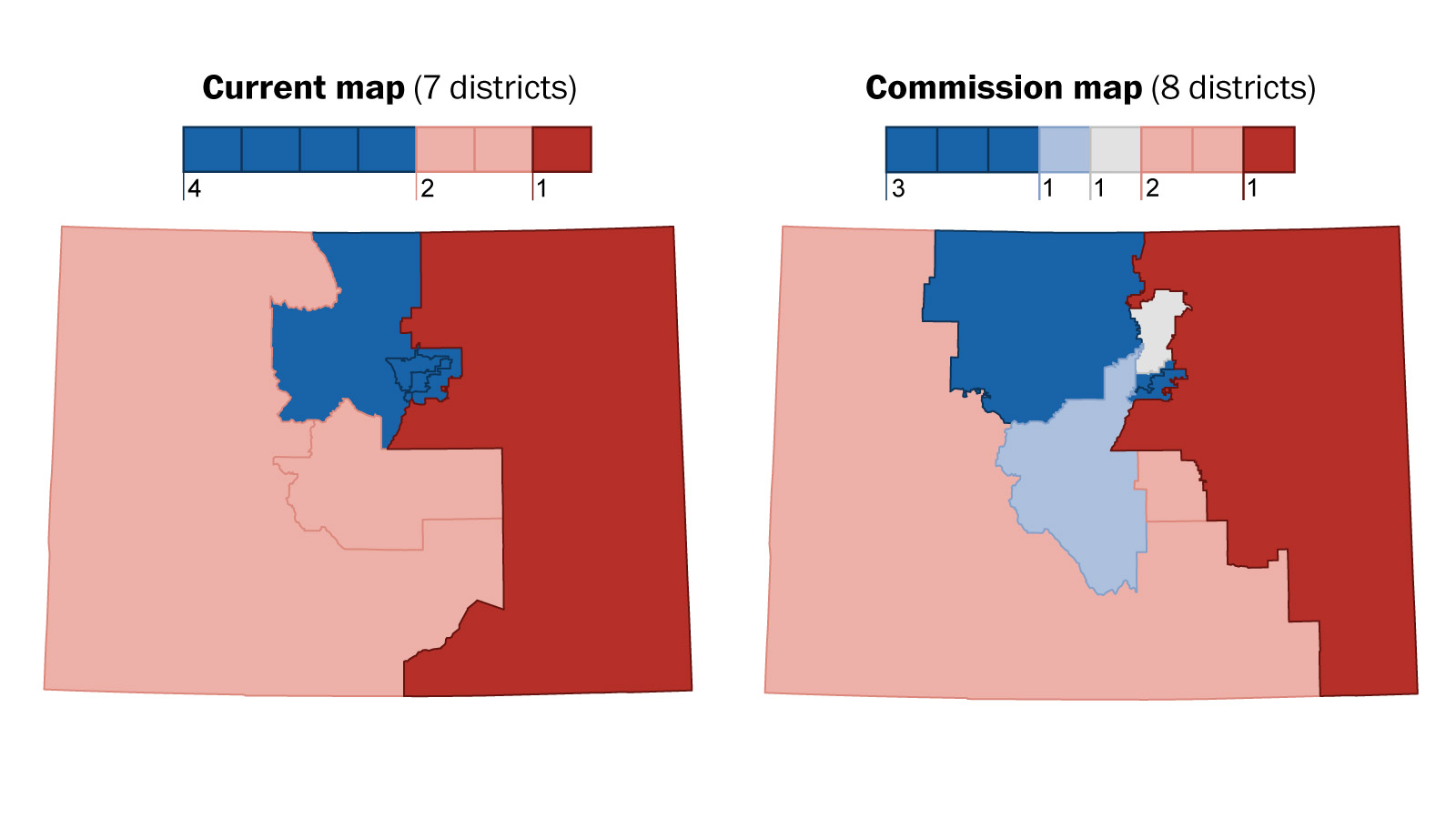
In recent decades, Colorado has consistently voted for Democratic presidential candidates and has seen a significant increase in Democratic representation in its congressional delegation and state legislature. While the state still has pockets of conservative strongholds, the overall electoral trend indicates a decisive move towards the Democratic Party and its progressive agenda. This shift is evident in both statewide and local elections, solidifying Colorado’s position as a reliably liberal state.
Conclusion: A Developing Progressive Identity
Colorado’s liberal identity is a complex tapestry woven from historical threads, demographic shifts, cultural values, and innovative policymaking. It is a state that embraces its natural beauty, champions personal freedom, and is willing to experiment with progressive solutions to societal challenges. As the state continues to grow and evolve, its progressive character is likely to remain a defining feature of its political and social landscape, making it a compelling case study in the evolution of modern American liberalism.
LifeOutOfTheBox is a participant in the Amazon Services LLC Associates Program, an affiliate advertising program designed to provide a means for sites to earn advertising fees by advertising and linking to Amazon.com. Amazon, the Amazon logo, AmazonSupply, and the AmazonSupply logo are trademarks of Amazon.com, Inc. or its affiliates. As an Amazon Associate we earn affiliate commissions from qualifying purchases.