
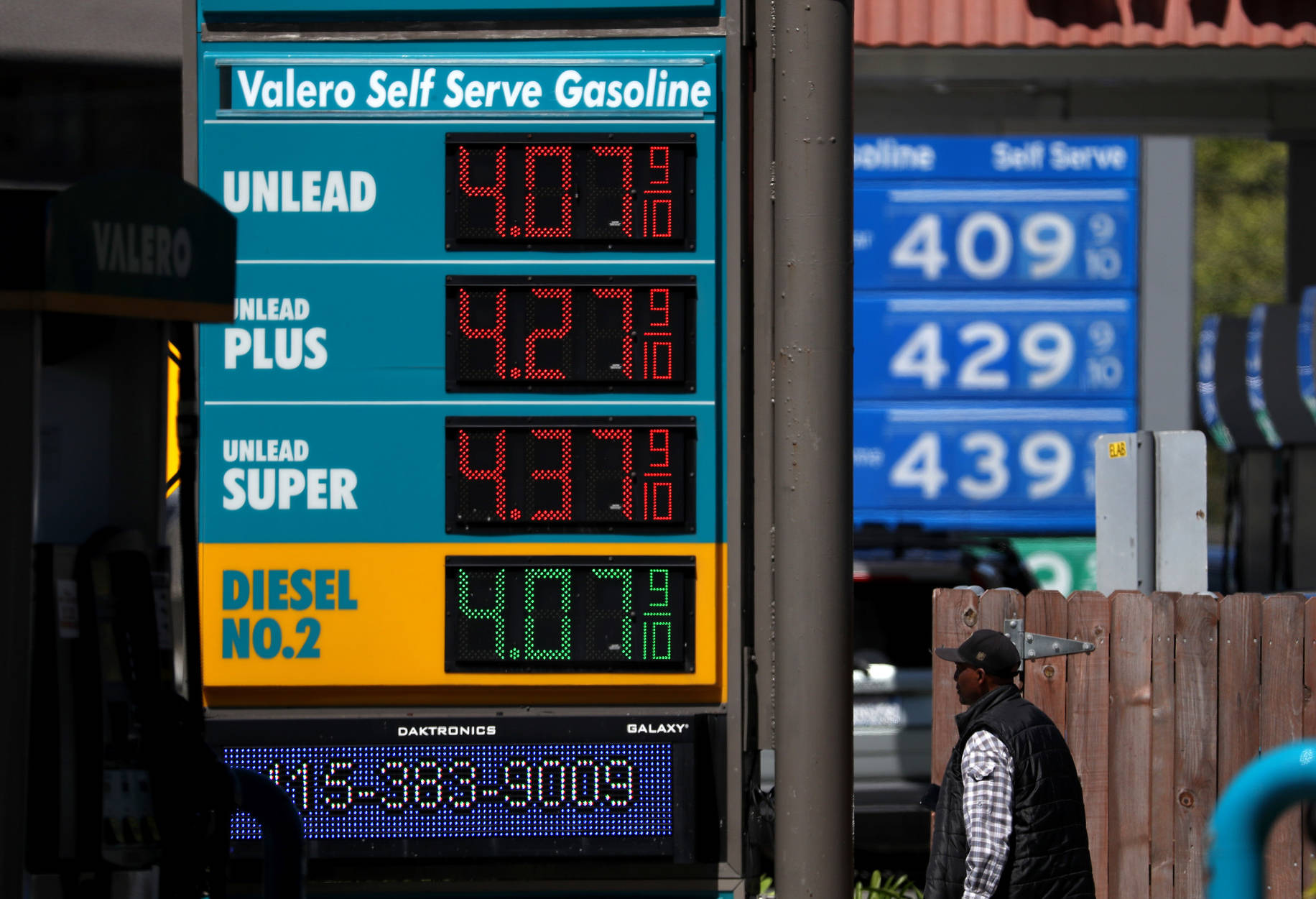
California, the Golden State, beckons with its sun-drenched beaches, towering redwoods, vibrant cities, and breathtaking national parks. From the iconic vistas of the Pacific Coast Highway to the bustling streets of Los Angeles and the tech hubs of San Francisco, it’s a dream destination for travelers worldwide. However, one stark reality often catches visitors and residents alike by surprise: the consistently high price of gasoline. While the allure of California remains undeniable, understanding the factors behind its premium fuel costs is crucial for anyone planning a road trip, budgeting for a long-term stay, or simply navigating daily life in this diverse state. This article delves into the complex web of reasons why filling up your tank in California often means reaching deeper into your wallet, examining the unique economic, environmental, and logistical elements at play, and how they impact travel, tourism, and the overall lifestyle experience.
The Golden State’s Unique Fuel Landscape: A Traveler’s Perspective
The price of gasoline is a multifaceted equation, but in California, several distinct variables contribute to its elevated status compared to the rest of the United States. These factors aren’t isolated; rather, they interact to create a unique market dynamic that travelers and residents must contend with. For those planning an epic California road trip, from the desert landscapes of Death Valley to the majestic forests of Yosemite National Park, understanding these price drivers is key to budgeting and maximizing your experience.
High Taxes: Fueling State Initiatives and Infrastructure
One of the most significant contributors to California’s high gas prices is its formidable tax burden. The state imposes a combination of excise taxes, sales taxes, and carbon taxes that collectively add a substantial amount to every gallon purchased. These taxes are earmarked for various state initiatives, most notably infrastructure projects, public transportation, and environmental programs.
The state excise tax on gasoline in California is among the highest in the nation, funding critical road maintenance, bridge repairs, and improvements to the state’s vast transportation network. For tourists traversing the state, whether exploring the wine regions of Napa Valley or cruising through San Diego, these taxes directly contribute to the quality of the roads they drive on, ensuring a smoother and safer journey. However, they also mean a higher upfront cost at the pump.

Beyond the excise tax, California also applies a sales tax to gasoline, a practice not universal across all states. This further inflates the final price. Moreover, the state’s pioneering Cap-and-Trade program, designed to reduce greenhouse gas emissions, adds another layer of cost. Fuel suppliers must purchase allowances for the carbon emissions associated with their products, and these costs are invariably passed down to consumers. While these taxes support laudable goals — from maintaining the integrity of Highway 1 to investing in sustainable energy solutions — they undeniably make gasoline in California more expensive. For the budget-conscious traveler, factoring in these added costs is essential when planning accommodations and activities across the state.
Environmental Regulations: A Pledged Commitment to Clean Air
California’s dedication to environmental protection is unparalleled in the United States, and these stringent regulations have a direct impact on gasoline prices. To combat smog and improve air quality, particularly in densely populated areas like the Bay Area and Southern California, the state mandates a unique blend of gasoline known as CARB (California Air Resources Board) gasoline.
This specialized fuel blend is formulated to burn cleaner and produce fewer harmful emissions than conventional gasoline sold elsewhere. Producing CARB gasoline is a more complex and costly process for refineries, requiring specific additives and processing techniques. Refineries must invest heavily in specialized equipment and adhere to strict quality controls, increasing their operational expenses. This higher production cost is then passed on to consumers at the pump.
Furthermore, California’s independent regulatory framework means that its fuel market is largely isolated from the rest of the country. While other states can often draw from a national supply chain of conventional gasoline, California must produce its own specialized fuel or import it at an even higher cost. This isolation exacerbates price fluctuations; if one of the state’s refineries experiences an outage or maintenance issue, the limited supply of CARB gasoline can quickly drive prices upwards, sometimes dramatically. For eco-conscious travelers, the knowledge that their higher fuel costs contribute to cleaner air might offer some solace, but the economic reality remains.
Geographical Isolation and Refinery Capacity: Supply Chain Challenges
The logistical challenges of supplying California with fuel also play a significant role in its high prices. As mentioned, the state is largely an “energy island” due to its unique fuel requirements. While it has several major refineries, their combined capacity is specifically tailored to produce CARB gasoline.
The state’s geographic location, bordered by the Pacific Ocean to the west and mountain ranges like the Sierra Nevada to the east, means that importing large quantities of finished conventional gasoline from other states is not a viable option. Transporting fuel across vast distances, especially over mountain passes, adds substantial shipping costs. Instead, California primarily relies on crude oil transported via pipelines or tankers, which is then refined within the state.
Any disruption in this localized supply chain can have an outsized impact. A fire, a power outage, or scheduled maintenance at one of California’s relatively few refineries can instantly reduce the supply of its specialized fuel, leading to immediate price spikes. Because there’s no easy way to divert fuel from other states, the market reacts swiftly to any perceived or actual shortage. This inherent vulnerability in the supply chain contributes to greater price volatility and consistently higher baseline prices compared to regions with more integrated national fuel markets. When you’re planning a trip to a secluded resort in Lake Tahoe or a remote cabin near Big Bear Lake, these supply chain intricacies translate directly into higher costs for your journey.

Navigating California’s Roads: Impacts on Travel and Tourism
For a state so intrinsically linked with road trips, scenic drives, and sprawling urban exploration, the cost of gasoline has a profound impact on how visitors experience California. Tourism is a cornerstone of the state’s economy, supporting countless hotels, attractions, and local businesses. Understanding how fuel prices shape travel decisions is crucial for both visitors and the industry itself.
Budgeting for the Golden State Adventure
High gas prices undeniably add a significant line item to any travel budget in California. For families embarking on a road trip to Disneyland or groups exploring the natural wonders of the Redwood National Park, fuel costs can easily rival or even exceed accommodation expenses, especially for longer journeys. This necessitates careful planning. Travelers often find themselves researching gas prices along their route using apps or online tools, sometimes even adjusting itineraries to factor in more affordable fueling stops.
The cost impact extends beyond just the direct expense of fuel. Higher transportation costs for goods and services can subtly increase the price of everything from restaurant meals in Santa Monica to souvenirs in Hollywood, indirectly affecting a traveler’s overall expenditure. Budget-conscious tourists might opt for less luxurious accommodations or fewer paid attractions to offset fuel costs, impacting local tourism revenue. Savvy travelers might prioritize booking hotels that offer complimentary shuttle services, or choosing locations within walking distance of key attractions to minimize driving.
Exploring Alternative Transportation and Sustainable Travel
The persistent pinch at the pump is also driving a shift towards alternative transportation methods and more sustainable travel practices within California. In major cities like Los Angeles, San Francisco, and San Diego, visitors are increasingly utilizing robust public transportation networks, ride-sharing services, and even electric scooters or bicycles to explore urban areas. This trend aligns perfectly with the growing global emphasis on eco-friendly travel and offers a different perspective on exploring these iconic destinations.
For longer distances, high gas prices encourage travelers to consider intercity buses or trains, offering a more relaxed journey without the constant worry of fuel stops. The rise of electric vehicle rentals is also noticeable, particularly for those who can plan their routes around charging stations. Many hotels and resorts, recognizing this shift, are investing in EV charging infrastructure as a sought-after amenity, catering to a new generation of environmentally conscious travelers. This movement towards greener travel not only helps mitigate fuel costs but also enhances the overall sustainability goals of the state’s tourism industry, encouraging visitors to immerse themselves more deeply in local culture rather than just passing through by car.
The Ripple Effect: From Road Trips to Local Experiences
The impact of high gas prices permeates beyond individual travel budgets, creating a ripple effect throughout California’s tourism landscape. While iconic long-distance road trips along Route 66 or through the Wine Country remain popular, some travelers might opt for shorter, more concentrated trips. This could mean focusing on a specific region, such as only exploring Southern California’s beaches and theme parks, or dedicating an entire trip to the cultural offerings of San Francisco without venturing too far beyond the Golden Gate Bridge.
Local tour operators and excursion companies also feel the pinch, as their operational costs increase, potentially leading to higher tour prices. This can influence tourist spending patterns, with some opting for free attractions like state parks or hiking trails instead of higher-priced guided experiences. On the positive side, this can foster a deeper engagement with local communities and encourage exploration of lesser-known gems that are accessible via public transport or within closer proximity to major hubs. Hotels and resorts, especially those in remote or popular driving destinations, often highlight amenities like complimentary parking or robust loyalty programs to help offset the overall cost of a stay, acknowledging that fuel expenses are a significant consideration for their guests.
Lifestyle and Long-Term Considerations in California
For residents, the high cost of gasoline is not just a travel expense; it’s an ingrained part of the cost of living and a significant factor in daily lifestyle decisions. From commuting to work to weekend excursions, fuel prices influence everything from residential choices to vehicle preferences, pushing many towards innovative solutions and long-term planning.
Daily Commutes and the Cost of Living
In a state known for its vast distances and car-centric culture, the daily commute can be a substantial financial burden for California residents. Many live in more affordable areas and commute to urban centers like Sacramento or Oakland for work, making fuel a recurring and unavoidable expense. This directly impacts disposable income, influencing household budgets for everything from housing and groceries to entertainment and leisure activities.
The cumulative effect of high gas prices contributes to California’s overall high cost of living, which is already among the highest in the United States. Families might find themselves making conscious decisions about where to live based on proximity to work or public transit, even if it means higher housing costs in denser urban areas. For those who choose to live further out, the trade-off is often longer, more expensive commutes. This economic reality has fueled greater demand for remote work options and encouraged the growth of carpooling and public transportation use, particularly in the state’s metropolitan regions.
The Shift Towards Electric Vehicles and Future Travel
Perhaps the most significant long-term impact of California’s high gas prices is the accelerated shift towards electric vehicles (EVs). The state has been a pioneer in EV adoption, driven by strong environmental policies, consumer rebates, and, crucially, the economic incentive of avoiding expensive gasoline. For many California residents, the higher upfront cost of an EV is increasingly offset by significantly lower “fueling” costs over the vehicle’s lifetime.
The extensive network of charging stations, coupled with innovations in battery technology and increasing vehicle ranges, makes EVs a viable and attractive option for daily commutes and even longer road trips within the state. This trend signals a fundamental change in how Californians will travel in the future. As EV adoption grows, the demand for traditional gasoline may eventually decrease, potentially influencing market dynamics. For visitors, this means that while gas cars will likely remain dominant for some time, planning travel with an EV is becoming increasingly feasible, with many accommodations, from luxury resorts to boutique hotels, now offering charging facilities as a standard amenity. This also supports the state’s broader goals for a cleaner, more sustainable future, making the Golden State an even more appealing destination for environmentally conscious travelers.
Maximizing Your California Experience Despite High Costs
Despite the higher cost of gasoline, California remains an unparalleled destination offering a wealth of experiences. The key to maximizing your visit or living there lies in smart planning and adaptability. For travelers, this means researching gas prices, considering public transport in cities like [San Francisco](https://lifeoutofthebox.com/san-francisco], [Los Angeles](https://lifeoutofthebox.com/los-angeles], or San Diego, exploring carpooling options, or even renting an EV. Many iconic attractions like the Santa Monica Pier are easily accessible without extensive driving once you’re in the area.
For residents, strategic choices about where to live, how to commute, and embracing fuel-efficient or electric vehicles can significantly mitigate the financial impact. The state’s commitment to public transportation, while continuously expanding, provides viable alternatives for many. Ultimately, the unique blend of taxes, environmental regulations, and supply chain intricacies that drive up gas prices in California are interwoven with the very fabric of what makes the state so progressive and appealing. By understanding these factors, both visitors and residents can better navigate the landscape, budget effectively, and continue to enjoy the boundless beauty and vibrant lifestyle that California so generously offers.
LifeOutOfTheBox is a participant in the Amazon Services LLC Associates Program, an affiliate advertising program designed to provide a means for sites to earn advertising fees by advertising and linking to Amazon.com. Amazon, the Amazon logo, AmazonSupply, and the AmazonSupply logo are trademarks of Amazon.com, Inc. or its affiliates. As an Amazon Associate we earn affiliate commissions from qualifying purchases.