
For any traveler navigating the East Coast of the United_States, the I-95 is more than just a highway; it is the primary lifeline connecting the north to the south. When a major section of this interstate shuts down in Jacksonville, it sends ripples through the entire Florida tourism ecosystem. Whether you are a road-tripper heading toward the sun-drenched shores of Miami or a business traveler catching a flight from Jacksonville International Airport, understanding the “why” behind a closure is essential for managing your itinerary and maintaining your peace of mind.
The Strategic Importance of I-95 for Florida Travel
The I-95 corridor serves as the backbone of automotive travel in the Sunshine State. In Jacksonville, the highway acts as a massive funnel for visitors entering from Georgia and moving toward major destinations like Orlando, Daytona Beach, and Fort Lauderdale. Because Jacksonville is the largest city by land area in the contiguous United States, a closure on this thoroughfare isn’t just a minor inconvenience—it is a significant logistical hurdle.

A Gateway to the South
Travelers often begin their Florida adventures by crossing the state line from Savannah or Charleston. As they approach Duval County, the interstate weaves through a complex network of bridges and interchanges. This section of the road is crucial for those staying at the Hyatt Regency Jacksonville Riverfront or heading to the Jacksonville Cruise Terminal. When the road is blocked, the flow of commerce and leisure travel effectively halts, forcing thousands of vehicles into the city’s secondary streets.
Impact on Regional Connectivity
Beyond the city limits, I-95 connects local residents and tourists to iconic landmarks such as the Castillo de San Marcos in nearby St Augustine. A closure today could mean a delay for families trying to reach the Jacksonville Zoo and Gardens or sports fans heading to EverBank Stadium for a Jacksonville Jaguars game. The highway’s reliability is a cornerstone of the regional travel experience.
Common Reasons for Road Closures in Jacksonville
While every closure has its specific circumstances, most disruptions on I-95 in Jacksonville fall into a few predictable categories. Understanding these can help travelers anticipate delays and plan accordingly.
Infrastructure Maintenance and Bridge Repairs
The St Johns River is the defining geographical feature of Jacksonville, and the interstate relies heavily on massive bridges to cross it. The Fuller Warren Bridge, a landmark in its own right, undergoes frequent inspections and maintenance to ensure the safety of the millions of travelers who cross it annually. Occasionally, the Florida Department of Transportation (FDOT) must close lanes or entire segments for emergency repairs or scheduled expansions. These projects are vital for the long-term viability of Florida travel, even if they cause short-term headaches.
Weather-Related Hazards
Florida is known for its dramatic weather patterns. During the Atlantic hurricane season, heavy rains can lead to localized flooding on low-lying sections of the interstate. Furthermore, intense summer afternoon thunderstorms can cause visibility issues or accidents that necessitate a temporary shutdown. Travelers heading toward Jacksonville Beach or Atlantic Beach should always check local weather reports, as the proximity to the Atlantic Ocean can lead to rapid changes in driving conditions.
Significant Traffic Incidents
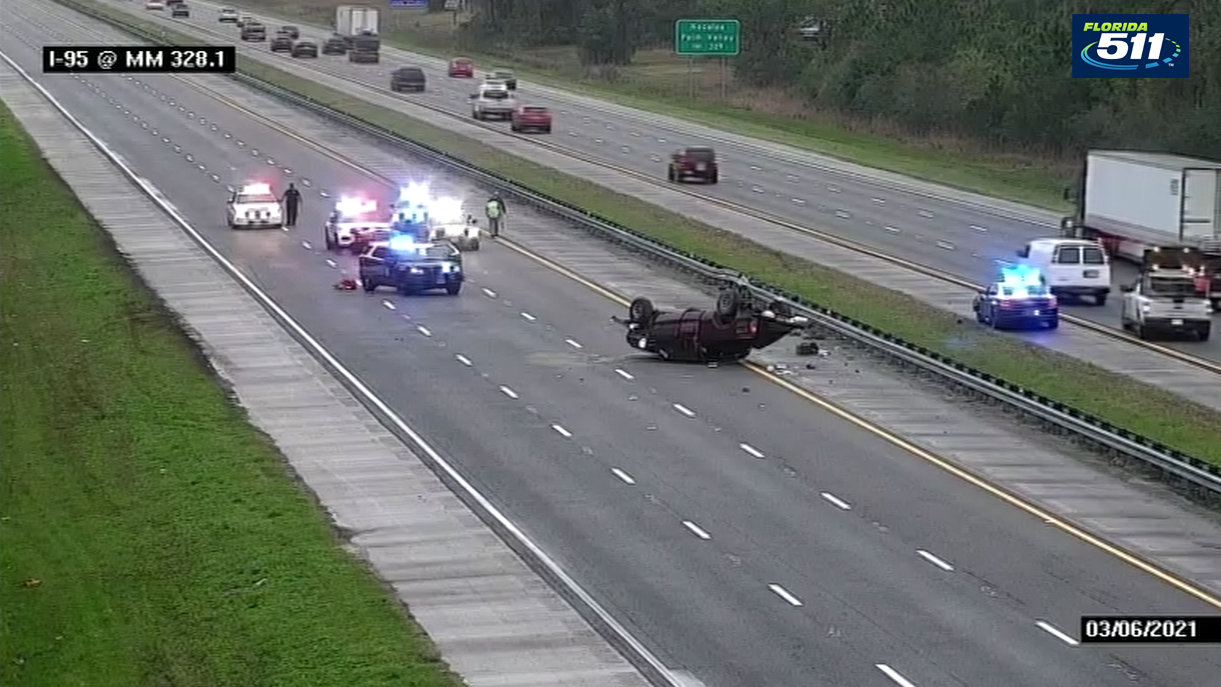
Due to the high volume of semi-trucks and passenger vehicles, accidents are a common cause of unexpected closures. The Florida Highway Patrol often has to cordon off large sections of the interstate to clear debris or investigate incidents. This is especially true near the “Big I” interchange, where I-95 meets I-10, a critical junction for those traveling west toward Tallahassee or New Orleans.
Navigating Detours and Alternate Routes
When I-95 is closed, the savvy traveler looks for alternatives that offer more than just a way around the traffic; they look for a scenic detour that adds value to their trip.

The I-295 Beltway
The most common alternative is the I-295 beltway, which circles the perimeter of Jacksonville. While it adds mileage to the journey, it often saves time during a total interstate closure. The eastern bypass takes travelers near the University of North Florida and the upscale shopping at St Johns Town Center. This route is particularly convenient for those staying at the Omni Jacksonville Hotel who need to loop back into the city from the south.
Historic US-1 and Philips Highway
For those who prefer a slower pace and a glimpse into the Florida of yesteryear, US-1 (locally known in parts as Philips Highway) runs parallel to I-95. Traveling this route allows you to see the historic neighborhoods of San Marco and Riverside. These areas are home to stunning architecture, local boutiques, and the Cummer Museum of Art and Gardens. Taking this detour might turn a stressful traffic delay into an afternoon of cultural exploration.
Coastal Route A1A
If the closure is significant and you have extra time, jumping over to A1A is the ultimate travel hack. This coastal highway offers breathtaking views of the ocean and passes through charming communities like Neptune Beach and Ponte Vedra Beach. You can stop for lunch at a seaside cafe or stretch your legs at Kathryn Abbey Hanna Park before rejoining the main flow of traffic further north or south.
Managing Your Travel Itinerary During Disruptions
A road closure today doesn’t have to ruin your plans if you are prepared. Travel management is about flexibility and utilizing the resources available to you.
Airport and Rail Considerations
If your journey involves Jacksonville International Airport, a closure on I-95 can be particularly nerve-wracking. The airport is located on the north side of the city, and many travelers approach it from the south or downtown. In these instances, leaving at least two hours earlier than planned is a standard recommendation. Similarly, those taking the Amtrak from the Jacksonville Station should monitor traffic, as the station is located off Clifford Lane, which can become congested when the interstate overflows.
Utilizing Travel Technology
Modern travelers have an array of tools at their disposal. The FL511 system, managed by the Florida Department of Transportation, provides real-time updates on road closures, crashes, and construction. Apps like Waze and Google Maps are indispensable for finding the fastest detours through the city’s residential grids. Additionally, following local news outlets like First Coast News on social media can provide immediate insights into the expected duration of a closure.
Exploring Local Stops
If you find yourself stuck in Jacksonville due to a closure, embrace the opportunity to explore. The city has a burgeoning coffee scene and several historic parks. A quick stop at Memorial Park in the Riverside district offers a peaceful break from the car. If you are near the downtown core, a stroll along the Jacksonville Riverwalk provides excellent views of the skyline and the Main Street Bridge.
The Long-Term Vision for Jacksonville’s Highways
The reason I-95 is frequently under construction or subject to closures is often due to the city’s growth. Jacksonville is one of the fastest-growing regions in the United States, and the infrastructure must evolve to keep up.
Future Improvements
Projects like the I-10 and I-95 Operational Improvements project aim to reduce congestion and improve safety at one of the busiest interchanges in the South. These improvements will eventually make travel to Amelia Island and Fernandina Beach much smoother for tourists. While the closures today are a challenge, they are part of a larger effort to enhance the travel experience in Florida for decades to come.
Sustainable Travel Options
As the city grows, there is also a push for more sustainable travel options. The Jacksonville Transportation Authority (JTA) is exploring expanded rapid transit and bike-friendly corridors. For the visitor, this means that in the future, the reliance on I-95 might decrease as multi-modal transportation becomes more accessible.
Travel is as much about the journey as it is about the destination. While a closed highway in Jacksonville presents a temporary obstacle, it also offers a chance to see a different side of Florida. By understanding the infrastructure, knowing your alternate routes, and staying informed, you can navigate the I-95 corridor like a seasoned professional. Whether you are passing through on your way to Key West or spending a week enjoying the local hospitality at a resort in Ponte Vedra, being prepared for the unexpected is the hallmark of a great traveler.
LifeOutOfTheBox is a participant in the Amazon Services LLC Associates Program, an affiliate advertising program designed to provide a means for sites to earn advertising fees by advertising and linking to Amazon.com. Amazon, the Amazon logo, AmazonSupply, and the AmazonSupply logo are trademarks of Amazon.com, Inc. or its affiliates. As an Amazon Associate we earn affiliate commissions from qualifying purchases.