
Death Valley, California stands as an enigmatic titan within the American landscape, a place whose very name evokes images of extreme desolation, unforgiving heat, and a perilous beauty that challenges the human spirit. Nestled in the Mojave Desert, this iconic destination has captivated explorers, scientists, and travelers for centuries. But why such a grim moniker for a place that is today a cherished National Park and a testament to natural resilience? The answer lies steeped in a dramatic history of human struggle against an unrelenting environment, a narrative that cemented its reputation as one of the most challenging locales on Earth.

The story behind the name is not merely a linguistic curiosity but a profound reflection of the harrowing experiences endured by early pioneers. It speaks to the raw, untamed nature of the American West and the indomitable will of those who sought to conquer it. For any traveler planning an adventure to California, understanding the origins of this name is crucial to appreciating the profound significance and unique allure of Death Valley. It transforms a simple place name into a living monument of history, reminding us of the delicate balance between human ambition and the formidable power of nature.
A Land of Extremes: Unveiling Death Valley’s Harsh Reality
Before delving into the historical incident that christened this remarkable region, it’s essential to grasp the sheer geographic and climatic intensity that defines Death Valley. This is not just a hot desert; it is a place of record-breaking extremes, a geological marvel that simultaneously awes and intimidates. Its unique position and topography conspire to create a microclimate unlike almost anywhere else on the planet, shaping not only its physical appearance but also the very narratives born from its depths. Understanding these fundamental characteristics is key to comprehending why its early visitors bestowed upon it such a foreboding name.
The Geographic Majesty and Menace
Death Valley is a sprawling graben, a sunken block of land between two mountain ranges, the Amargosa Range to the east and the towering Panamint Range to the west. This geological formation creates a rain shadow effect, trapping moisture on the western side against the Sierra Nevada mountains, leaving the valley floor exceptionally dry. The sheer scale of its landscape is breathtaking, from the shimmering salt flats of Badwater Basin – the lowest point in North America at 282 feet (86 meters) below sea level – to the undulating Mesquite Flat Sand Dunes that shift with the desert winds.
These extreme elevation changes, combined with a total lack of permanent surface water, contribute significantly to the valley’s formidable nature. Expansive salt pans, such as those found at Badwater Basin and the peculiar formations of Devil’s Golf Course, speak to ancient lakebeds that have long since evaporated, leaving behind a stark, mineral-rich landscape. The sheer expanse and lack of distinguishing features made navigation incredibly challenging for early travelers, often leading to disorientation and despair in a time before modern mapping and GPS technologies. The surrounding mountains, while visually stunning, offered no respite, merely trapping the heat and magnifying the sense of isolation, creating a truly grand yet terrifying natural environment.
A Climate Like No Other
The climate of Death Valley is legendary for its extremes. It holds the record for the hottest air temperature ever recorded on Earth, a scorching 134°F (56.7°C) at Furnace Creek in July 1913. Summer temperatures routinely exceed 120°F (49°C), making it a truly inhospitable environment for any extended period of exposure. The extreme aridity, with an average annual rainfall of less than 2 inches (5 cm), further exacerbates the challenges. The combination of intense solar radiation, minimal cloud cover, and geographic confinement within deep valleys creates a superheated oven effect.
This oppressive heat and lack of water are not just uncomfortable; they are genuinely life-threatening. Dehydration can set in rapidly, leading to heatstroke and exhaustion. Early travelers, unaccustomed to such conditions and often ill-equipped, faced an existential threat every moment they spent traversing the valley. The absence of shade, the relentless glare from the sun-baked earth, and the feeling of the very air searing their lungs contributed profoundly to the impression of a place where life itself struggled to cling on, a sentiment that undoubtedly influenced its naming. This climatic reality is the fundamental backdrop against which the valley’s dramatic history unfolds, making the stories of survival all the more compelling for those interested in unique travel experiences and challenging destinations.
The Fateful Winter of 1849: The Origin of a Grim Name
The name “Death Valley” is not a modern marketing ploy or an exaggeration; it is a direct legacy of a pivotal and tragic event in the winter of 1849. This period marked a crucial chapter in American expansion, driven by the siren call of the California Gold Rush. Thousands of prospectors, eager to strike it rich, embarked on arduous journeys across the vast and largely uncharted western territories of the United States. It was within this frenetic context that a particular group of pioneers, seeking a shortcut, stumbled into the very heart of the forbidding desert, forever etching its grim identity into the annals of history.
The Lost ’49ers and Their Treacherous Journey
In late 1849, a group of gold prospectors, later known as the Lost ’49ers, found themselves dangerously off course. They were part of a larger wagon train heading to the newly discovered gold fields of California, having split from the main party near Utah in an attempt to find a supposed shortcut that would bypass the perceived longer route through Nevada. This ill-fated decision led them directly into the vast, uncharted, and incredibly hostile terrain of what would become Death Valley.
Their expedition began in an era where maps were rudimentary, and reliable information about the interior West was scarce. Believing they were taking a faster route, they descended into the deep, arid basin. As days turned into weeks, their supplies dwindled, and the brutal landscape took its toll. Wagons became stuck, animals perished from exhaustion and lack of water, and the party became increasingly disoriented. The extreme conditions, the vastness of the barren land, and the relentless search for water and a passable route pushed them to their absolute limits. This experience highlights the extreme risks and lack of guidance faced by early travelers venturing into unknown territories, making their tale a poignant example of the challenges inherent in frontier exploration.
Survival Against All Odds
The ordeal of the Lost ’49ers was a testament to both human suffering and remarkable resilience. Faced with starvation, extreme thirst, and the physical and mental strain of the desert, some members of the group perished. Others were forced to abandon their possessions, butcher their oxen for food, and crawl on hands and knees across the treacherous salt flats. The group eventually split further, with some seeking help while others continued their desperate search for an exit.
Against staggering odds, a few managed to find a way out, notably a small party led by William Lewis Manly and John Rogers, who undertook a harrowing journey to Los Angeles to secure supplies and return to rescue the remaining members. When they finally returned to guide the last survivors out of the valley in January 1850, the relief was palpable, but the memory of their harrowing experience was deeply ingrained. As they looked back at the desolate basin from the relative safety of the Panamint Range on their arduous exit, one member of the party reportedly uttered the now-famous words, “Goodbye, Death Valley!” This exclamation, born of immense suffering and profound relief, forever branded the valley with its evocative and haunting name. It wasn’t just a place where some died; it was a place that felt like death itself, a formidable obstacle that demanded an almost superhuman effort to overcome. This historical anecdote serves as a potent reminder for contemporary travelers to always prioritize safety and preparation when exploring extreme environments.
Beyond the Name: Life, History, and Transformation
While the name “Death Valley” conjures images of desolation, the reality of this remarkable place extends far beyond its infamous moniker. It is a land of surprising ecological diversity, rich human history, and profound geological significance. From ancient indigenous cultures that thrived in its folds to the boom-and-bust cycles of mining, Death Valley has witnessed centuries of human interaction and natural evolution, ultimately transforming from a place of dread into a protected sanctuary.
Indigenous Roots and Early Inhabitants

Long before the arrival of the gold-seeking ’49ers, Death Valley was home to the Timbisha Shoshone people for thousands of years. Far from being a “dead” valley, it was a homeland where these resilient people developed sophisticated strategies to survive and thrive amidst the challenging environment. They utilized seasonal camps, moving between the valley floor during cooler months and higher mountain elevations during the scorching summers, harvesting mesquite beans, pine nuts, and other desert plants, and hunting bighorn sheep and other animals.
Their deep knowledge of the land, its water sources, and its flora and fauna allowed them to sustain a vibrant culture that endured for millennia. Their presence is a powerful testament that life not only can exist but can flourish in Death Valley, demonstrating a profound connection to nature and an ability to adapt where others saw only hardship. Today, the Timbisha Shoshone still maintain a strong cultural presence within the National Park, sharing their heritage and insights with visitors, offering a unique perspective on the valley’s true identity.
A Mining Boom and Human Ingenuity
Following the initial influx of prospectors, Death Valley experienced subsequent waves of human activity, primarily driven by mining. The discovery of borax in the 1880s sparked a significant, albeit short-lived, industrial boom. Companies like the Pacific Coast Borax Company established operations, notably the Harmony Borax Works, which became famous for its iconic “20 Mule Team” wagons used to transport borax 165 miles to the nearest railhead.
This era showcased another facet of human ingenuity and endurance, as workers and engineers devised methods to extract valuable minerals and transport them out of the remote valley. While harsh, the mining camps created small, temporary communities, illustrating that where there was perceived economic opportunity, humans would adapt even to the most extreme conditions. Traces of this industrial past, including abandoned mines and equipment, remain throughout the park, offering a glimpse into the tough lives of these early industrial pioneers and their contribution to the American economy.
From Despair to Designated Sanctuary
The transformation of Death Valley from a place of dread to a revered natural sanctuary began in 1933 when it was designated a National Monument by President Herbert Hoover. This designation recognized its exceptional scientific, geological, and scenic values, signaling a shift in perception from a barren wasteland to a unique natural treasure deserving of protection. In 1994, with the passage of the California Desert Protection Act, the monument was expanded and upgraded to Death Valley National Park, encompassing an even larger area and reinforcing its status as a vital component of the United States’ conservation efforts.
Today, Death Valley National Park is a beacon for conservation, research, and responsible tourism. It protects diverse ecosystems, from salt flats to snow-capped peaks, and serves as a living laboratory for studying desert adaptations. This transformation underscores a broader societal shift in valuing extreme natural environments not just for their resources but for their intrinsic beauty, biodiversity, and the lessons they offer about endurance and adaptation. The park’s mission now is to preserve its unique characteristics while providing visitors with safe and enriching experiences, inviting them to confront and appreciate its challenging yet magnificent landscapes.
Experiencing Death Valley Today: A Destination of Unique Beauty
Far from being a place to merely avoid, Death Valley has evolved into a compelling destination, attracting over a million visitors annually who seek to witness its extraordinary landscapes and challenge their perceptions of beauty. Modern amenities and thoughtful infrastructure now make it accessible, allowing travelers to experience its stark grandeur safely and comfortably. For those looking for unforgettable travel experiences, Death Valley offers a unique blend of adventure, history, and unparalleled natural wonders.
Must-See Attractions and Activities
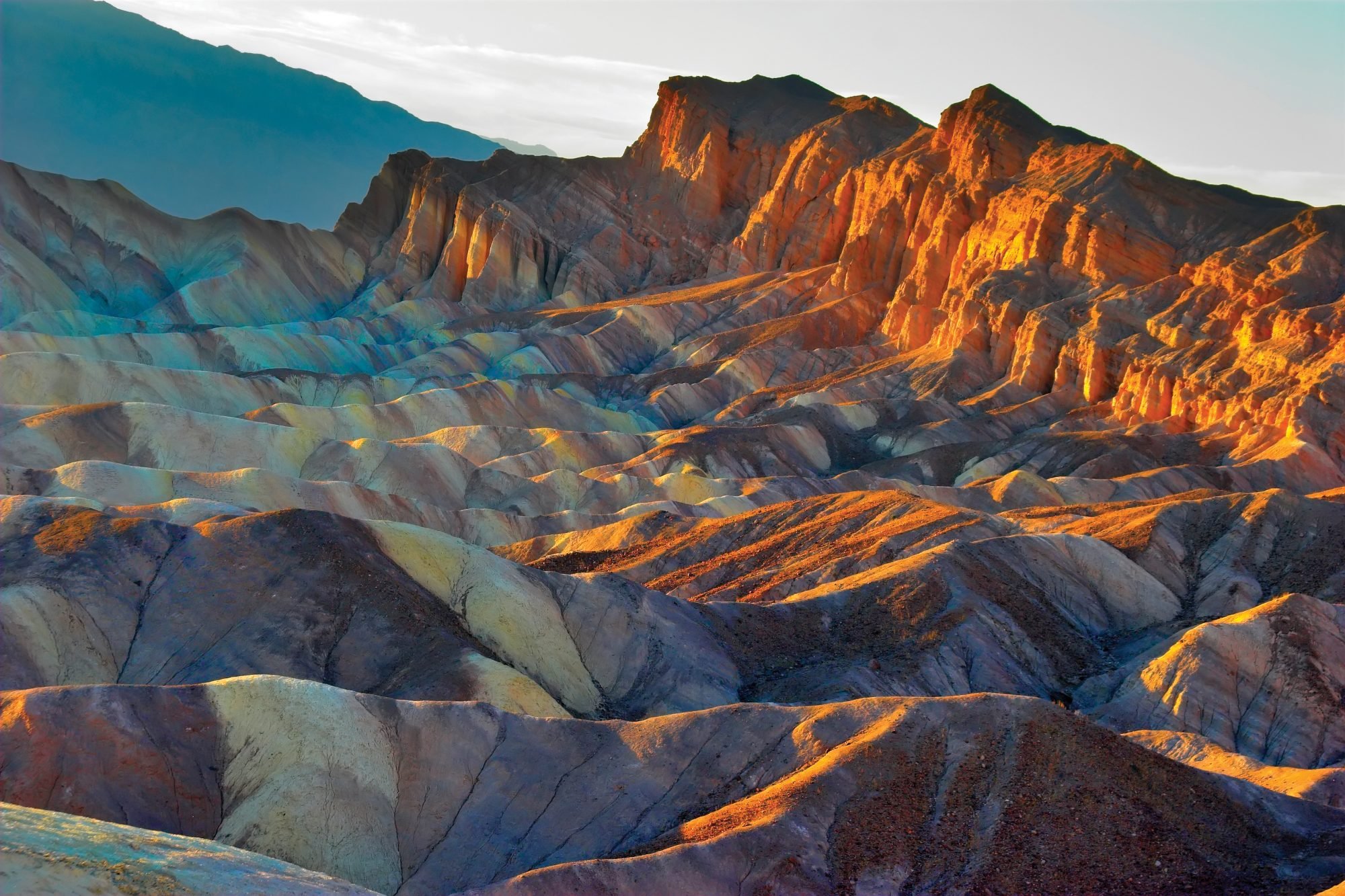
Death Valley National Park is replete with iconic landmarks and breathtaking vistas that offer diverse experiences. Zabriskie Point provides panoramic views of an eroded badland landscape, particularly stunning at sunrise or sunset as the light plays across its golden ripples. A drive along Artist Drive leads to the vibrant hues of Artist’s Palette, where volcanic minerals paint the hillsides in shades of green, pink, and purple. The surreal cracked mud formations of Devil’s Golf Course offer a stark reminder of the valley’s geological forces.
Beyond these well-known spots, visitors can explore the vast Mesquite Flat Sand Dunes, hike through canyons like Golden Canyon, or venture off-road to discover remote wonders like Racetrack Playa with its mysterious moving rocks. Stargazing in Death Valley is a world-class experience, as its remote location and clear desert skies offer some of the darkest nightscapes in the United States, perfect for astronomy enthusiasts. These attractions cater to a wide range of interests, from casual sightseeing to challenging hikes, making it a versatile destination for any travel itinerary.
Planning Your Visit: Essential Tips for Safe Exploration
Visiting Death Valley requires careful planning, especially given its extreme conditions. The best time to visit is from late fall to early spring (October to April) when temperatures are more moderate, making outdoor activities enjoyable. Summer visits are possible but demand extreme caution, with many activities restricted to early mornings or late evenings.
Hydration is paramount: visitors should carry and consume copious amounts of water, far more than they think they need. Wearing light-colored, loose-fitting clothing, wide-brimmed hats, and sunscreen is essential. Vehicles should be in good repair, with full tanks of gas, and visitors should always inform someone of their travel plans, especially when venturing into remote areas. Stick to marked trails, respect wildlife, and pack out everything you pack in to help preserve this fragile ecosystem. Detailed guides and safety tips are available at the park’s visitor centers, ensuring a safe and memorable experience.
Accommodation Options and Comfort in the Desert
Despite its remote and challenging nature, Death Valley offers a range of comfortable accommodation options, transforming the perception of desert travel. The primary hub for amenities is Furnace Creek, home to The Oasis at Death Valley. This includes the historic and luxurious The Inn at Death Valley, offering upscale resort experiences with spring-fed pools and fine dining, and The Ranch at Death Valley, a more family-friendly option with modern conveniences, a general store, and casual dining.
Other options include Stovepipe Wells Village Hotel, providing a rustic yet comfortable stay closer to the sand dunes, and Panamint Springs Resort on the western edge of the park. Additionally, numerous campgrounds like Texas Spring Campground are available for those who prefer an immersive outdoor experience. These accommodations allow visitors to refresh and recharge after a day of exploration, proving that even in a place named for death, comfort and hospitality can be found, enabling a deeper appreciation for this extraordinary landmark and its surrounding natural beauty.
Conclusion
The name “Death Valley” is a powerful echo of a harrowing past, a testament to the immense struggles faced by early pioneers against one of the planet’s most extreme environments. It serves as a permanent reminder of the Lost ’49ers’ desperate journey and the unforgiving nature of the Mojave Desert. Yet, understanding its origin only deepens our appreciation for this remarkable destination. Today, Death Valley, California stands not as a symbol of insurmountable danger, but as a vibrant National Park — a place of stunning beauty, rich history, and profound ecological significance.
It challenges us to confront our perceptions of desolation, revealing unexpected life, resilient cultures, and breathtaking landscapes beneath its formidable exterior. For any traveler, exploring Death Valley is an opportunity to connect with a powerful chapter of human endeavor and natural majesty. It is a destination that demands respect, rewards preparation, and leaves an indelible mark on all who venture into its depths, transforming a grim name into a truly unforgettable experience.
LifeOutOfTheBox is a participant in the Amazon Services LLC Associates Program, an affiliate advertising program designed to provide a means for sites to earn advertising fees by advertising and linking to Amazon.com. Amazon, the Amazon logo, AmazonSupply, and the AmazonSupply logo are trademarks of Amazon.com, Inc. or its affiliates. As an Amazon Associate we earn affiliate commissions from qualifying purchases.