
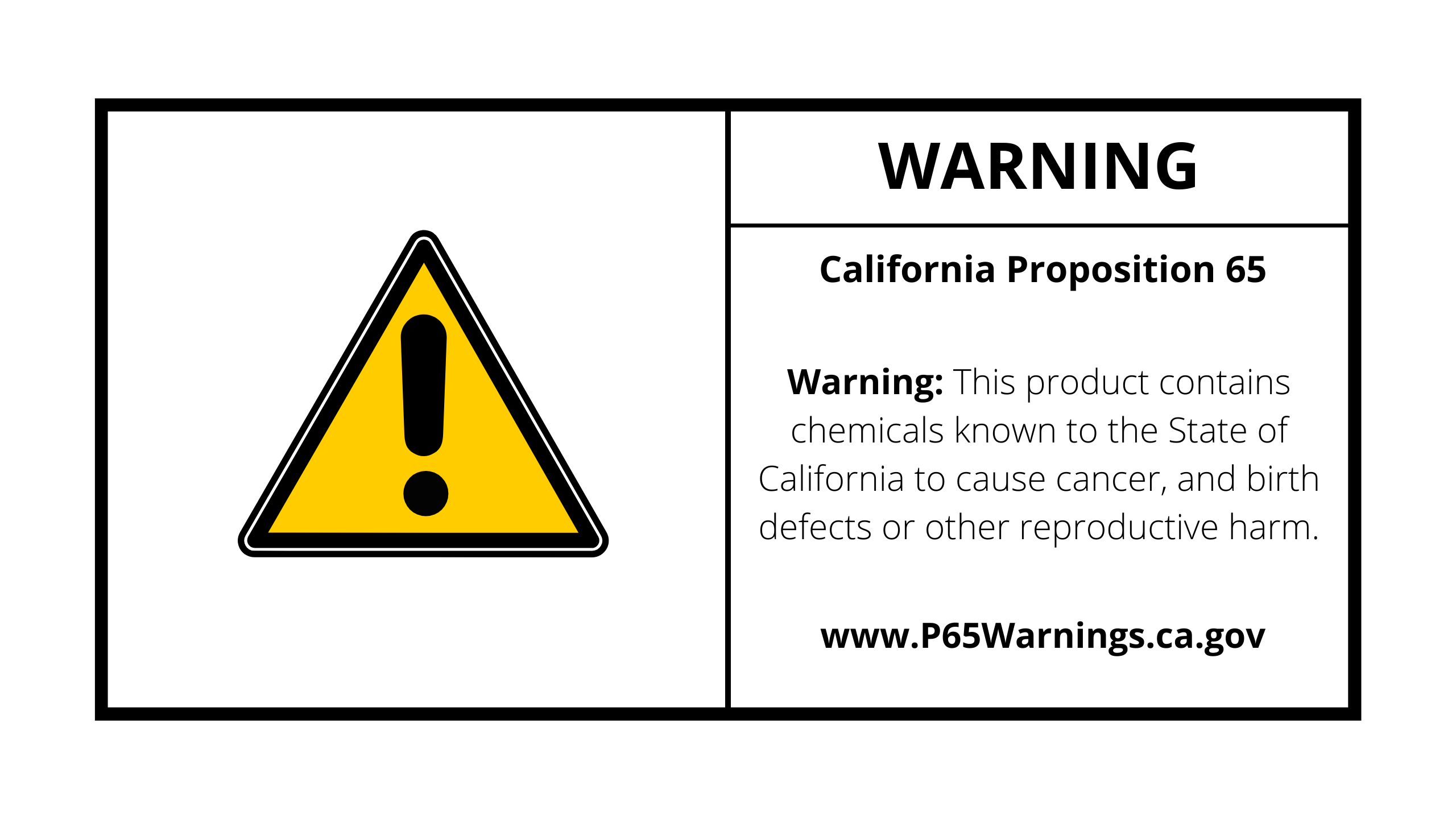
For anyone visiting or residing in California, the ubiquitous sight of a “Proposition 65 Warning” sign can be a source of confusion, curiosity, and sometimes, even alarm. From your morning coffee shop to a new piece of furniture, and even in public parks, these warnings are seemingly everywhere. Yet, outside the Golden State, they are virtually nonexistent. This unique regulatory landscape often leaves visitors wondering: why is Proposition 65 exclusive to California, and what does it truly mean for those exploring its vibrant cities and natural wonders?
Understanding Proposition 65 is key to deciphering a distinctive aspect of California’s local culture and regulatory environment. It’s a powerful “right-to-know” law that reflects the state’s deep-seated commitment to public health and environmental protection. For tourists, recognizing its purpose and scope can transform a potential moment of apprehension into an appreciation for California’s pioneering approach to consumer safety and transparency.
Understanding California’s Proposition 65
At its heart, Proposition 65 is more than just a warning label; it’s a testament to California’s proactive stance on environmental health. Enacted over three decades ago, this legislation has fundamentally reshaped how businesses operate within the state and how consumers interact with products and environments.
A Legacy of Environmental Health Concerns
Proposition 65, officially known as the Safe Drinking Water and Toxic Enforcement Act of 1986, was born out of growing public concern over exposure to toxic chemicals. In the mid-1980s, amidst increasing awareness of environmental pollution and its potential health impacts, California voters overwhelmingly approved the initiative. Its primary goal was to protect the state’s drinking water sources from contamination by chemicals known to cause cancer, birth defects, or other reproductive harm. Beyond water, it also mandated that businesses warn individuals about exposure to such chemicals.
The legislative intent was clear: empower Californians with information about potential chemical exposures so they could make informed decisions. This foundational principle explains why the warnings are so broad in their application, designed to catch a wide net of potential exposures rather than target specific “dangerous” products. It reflects a preventative approach, aiming to minimize unknown risks by maximizing disclosure. This commitment to transparency is a hallmark of California’s regulatory philosophy and sets it apart from many other states.
What P65 Warnings Actually Mean
A common misconception among those unfamiliar with Proposition 65 is that a warning sign indicates immediate danger or that a product is inherently unsafe. This is rarely the case. In reality, a Proposition 65 warning means that a business has identified, or has been notified about, the presence of one or more chemicals from a comprehensive state-maintained list, and that exposure to these chemicals could occur. The list, managed by the California Office of Environmental Health Hazard Assessment (OEHHA), currently contains over 900 chemicals.
Crucially, the warning itself does not imply that the product violates any federal safety standards set by bodies like the FDA or EPA. Instead, it serves as a “right to know” disclosure, offering transparency rather than condemning a product or location. For instance, coffee shops issue Proposition 65 warnings because the roasting process naturally produces acrylamide, a chemical on the list. This doesn’t mean coffee is suddenly dangerous, but rather that consumers are being informed about a component of the product. Understanding this distinction is vital for anyone encountering these warnings, especially tourists who might misinterpret them as critical safety alerts.
The Scope and Impact of Proposition 65
The expansive nature of Proposition 65 is perhaps its most defining characteristic, leading to its ubiquitous presence throughout California. Its reach extends far beyond consumer products, influencing almost every facet of daily life and commerce within the state.
Widespread Application Across Industries
The sheer breadth of industries and locations affected by Proposition 65 is staggering. You’ll find warnings in:
- Restaurants and Food Establishments: Due to naturally occurring chemicals in food (like the acrylamide in coffee) or chemicals formed during cooking processes.
- Retail Stores: On products ranging from electronics and furniture to apparel and household goods, if they contain listed chemicals.
- Workplaces and Public Spaces: Including parking garages (due to vehicle exhaust), construction sites, hotels, and even schools.
- Automotive Products: Warning about components like brake dust, battery acid, or exhaust fumes.
- Homes: Products used or present in residential settings, from paint to certain cleaning supplies.
This widespread application is why Proposition 65 signs become such a common sight for anyone visiting California. Businesses are compelled to provide these warnings if there’s any detectable amount of a listed chemical, even if that amount is far below levels considered harmful by federal standards. The rationale is to inform consumers about potential exposures, however minimal, allowing them to decide whether to avoid or limit contact. This broad mandate ensures that the “right to know” is extensively implemented, making California a unique environment for consumers.
The ‘Safe Harbor’ Levels and Burden of Proof
A critical component of Proposition 65’s enforcement mechanism lies in its “safe harbor” levels and the burden of proof placed on businesses. The OEHHA establishes specific “safe harbor” levels for many of the listed chemicals, known as No Significant Risk Levels (NSRLs) for carcinogens and Maximum Allowable Dose Levels (MADLs) for reproductive toxicants. If exposure to a chemical is below these levels, a warning is not required.
However, proving that exposure falls below these safe harbor levels is the responsibility of the business. This can be an expensive and complex undertaking, requiring extensive testing and scientific analysis. For many companies, especially small and medium-sized enterprises, it’s often more practical and cost-effective to simply provide a warning than to embark on costly litigation or testing to demonstrate compliance with safe harbor thresholds. This “better safe than sorry” approach among businesses contributes significantly to the proliferation of Proposition 65 warnings, as it acts as a legal shield against potential lawsuits. This mechanism, unique to California, dramatically differentiates its regulatory environment from other states.
Why California Stands Alone: A Regulatory Anomaly
The exclusivity of Proposition 65 to California stems from its origins as a state-specific ballot initiative and its distinct enforcement structure, which contrasts sharply with federal regulations and practices in other states.
A State-Specific Initiative, Not Federal Law
The most fundamental reason Proposition 65 warnings are only seen in California is that it is a state law, not a federal one. Unlike regulations promulgated by federal agencies such as the FDA (Food and Drug Administration) or the EPA (Environmental Protection Agency), which apply nationwide, Proposition 65 was conceived and enacted solely within the legislative framework of California.
While other states have their own environmental and consumer protection laws, none replicate the comprehensive chemical listing and mandatory warning requirements of Proposition 65. Federal laws generally focus on setting maximum permissible levels of contaminants or requiring specific hazard warnings for certain product categories, but they do not demand the same blanket disclosure for a vast and ever-growing list of chemicals at any detectable level. This state-level autonomy allowed California to forge its own path in public health disclosure, driven by the specific concerns and political will of its electorate. The initiative process, which allowed citizens to bypass the legislature and directly create law, was instrumental in establishing this unique regulatory framework.
Unique Enforcement Mechanisms and Public Advocacy
Another key factor behind Proposition 65’s California-only presence and widespread application is its unique enforcement mechanism. Beyond the state Attorney General and district attorneys, Proposition 65 includes a “citizen suit” provision. This allows any private citizen, group, or attorney to sue businesses for alleged violations of the warning requirements. If successful, these private enforcers can collect a portion of the penalties assessed, creating a significant financial incentive for vigilant monitoring and enforcement.
This robust private enforcement system has led to thousands of lawsuits and settlement agreements over the years, compelling businesses to comply rigorously with Proposition 65. In other states, such comprehensive private enforcement mechanisms for environmental health disclosures are rare. The combination of a broad chemical list, the burden of proof on businesses, and incentivized private enforcement creates a powerful regulatory ecosystem found nowhere else in the United States. This distinct legal landscape makes it highly advantageous for businesses in California to err on the side of caution by providing warnings, even if the risk is minimal, thus ensuring the omnipresence of the P65 signs.
Navigating P65 Warnings as a Tourist
For those traveling to California, encountering Proposition 65 warnings can be an unusual experience. Understanding how to interpret these warnings can enhance your visit, allowing you to appreciate California’s unique regulatory environment without unnecessary worry.
Practical Tips for Visitors to California
As a tourist, it’s important to approach Proposition 65 warnings with a balanced perspective. Here are some practical tips:
- Don’t Be Overly Alarmed: Remember, a P65 warning primarily signifies disclosure. It doesn’t necessarily mean a product or place is dangerous or exceeds federal safety standards. Many exposures are at levels far below those considered harmful by scientific consensus.
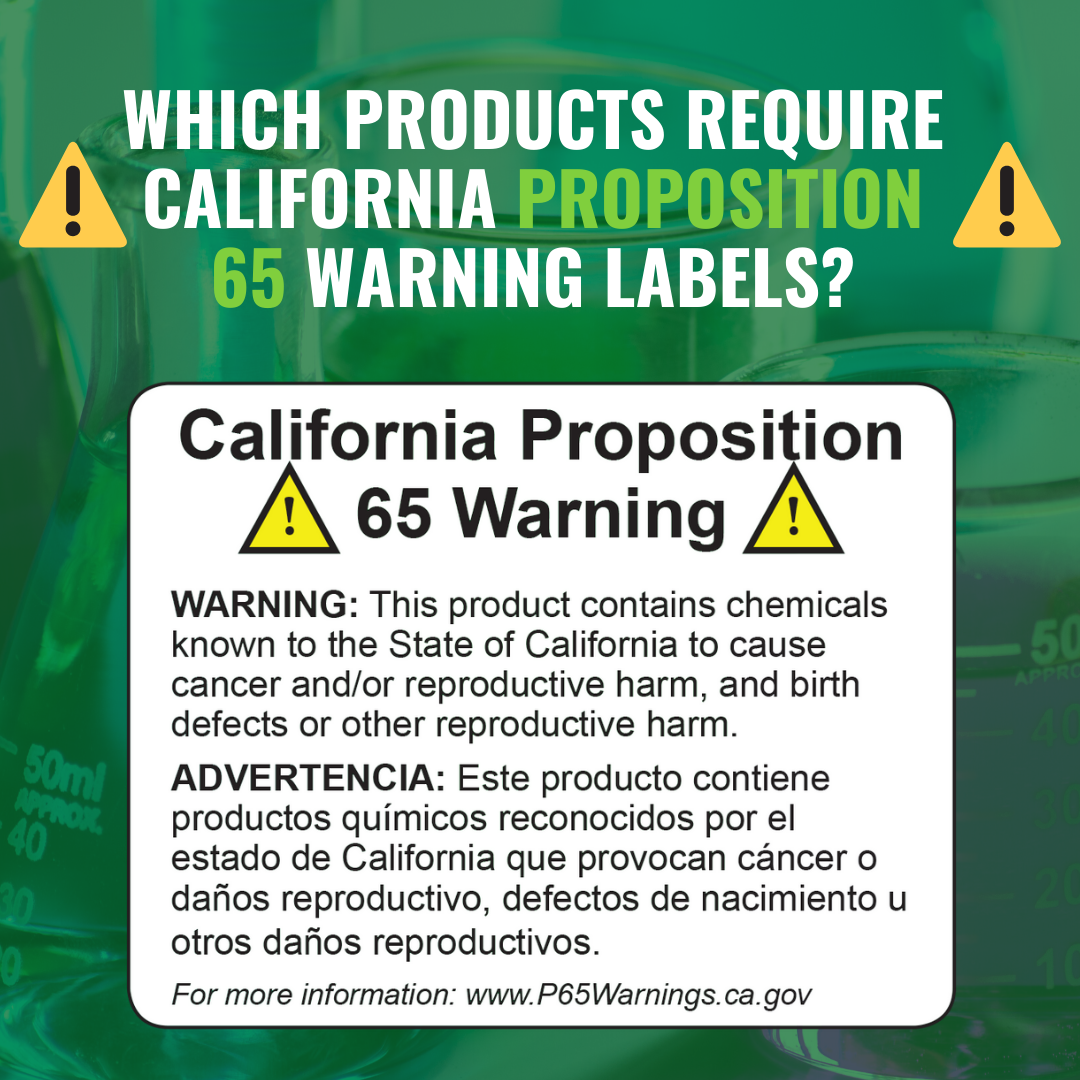
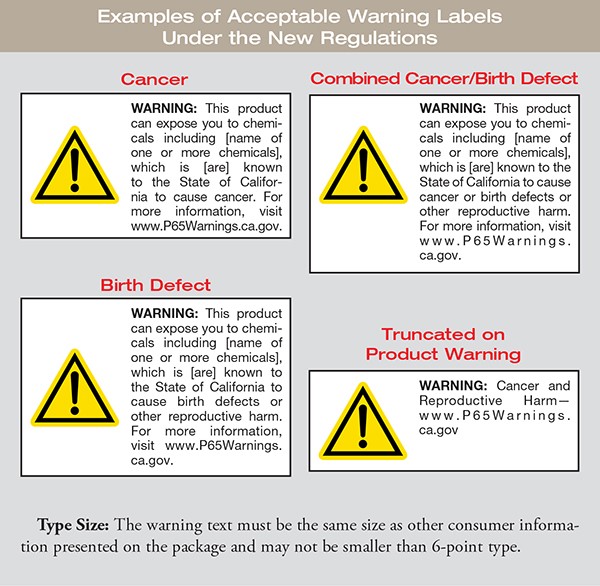
- Read the Specifics (If Available): Sometimes, warnings will specify the chemical and the potential harm (e.g., “Warning: This product contains lead, a chemical known to the State of California to cause cancer and birth defects or other reproductive harm”). If you have specific health concerns, this information can help you make an informed decision.
- Consider the Context: A warning in a parking garage for vehicle exhaust is different from one on a food item. Use common sense.
- Make Informed Choices: If a warning makes you uncomfortable, you have the choice to seek an alternative product or avoid a particular exposure. However, for many common items or locations, avoiding the warning entirely might be impractical.
- Embrace It as Part of the Experience: The warnings are a unique part of the California experience, reflecting the state’s pioneering approach to consumer information. Seeing them can be a reminder of the state’s deep commitment to public health.
Ultimately, Proposition 65 is designed to empower you with information. By understanding its purpose, you can enjoy your California trip without letting these ubiquitous signs overshadow the beauty and excitement of your travels.
The Broader Context of California’s Health Culture
The prevalence of Proposition 65 warnings is not an isolated phenomenon but rather an embodiment of California’s broader culture of environmental awareness and health consciousness. The state has long been a leader in environmental protection, sustainable practices, and advocating for consumer rights. From pioneering stricter vehicle emission standards to championing renewable energy and promoting organic farming, California’s progressive stance on environmental and public health issues is deeply ingrained in its identity.
Proposition 65 fits seamlessly into this narrative. It reflects a societal value that prioritizes the “right to know” and aims to hold businesses accountable for informing consumers about potential risks, even if those risks are minimal or theoretical. For tourists, encountering these warnings offers a glimpse into this distinct aspect of California’s local culture. It’s a state where environmental activism and consumer advocacy have a strong voice, influencing everything from policy to daily commerce. Understanding this cultural context can provide a richer appreciation for the unique characteristics that define California and its commitment to a healthier future.
In conclusion, Proposition 65 warnings are uniquely Californian due to their origin as a state-level ballot initiative, their broad scope encompassing hundreds of chemicals, and their robust enforcement mechanisms, including citizen lawsuits. While seemingly alarming at first glance, they are fundamentally about transparency and consumer information rather than indicating imminent danger. For anyone visiting the Golden State, these warnings are a part of the local landscape, offering insight into California’s deep-seated commitment to public health and environmental disclosure. By understanding their true meaning, tourists can navigate their visit confidently, appreciating California’s distinctive approach to consumer safety and enjoying all that the state has to offer.
LifeOutOfTheBox is a participant in the Amazon Services LLC Associates Program, an affiliate advertising program designed to provide a means for sites to earn advertising fees by advertising and linking to Amazon.com. Amazon, the Amazon logo, AmazonSupply, and the AmazonSupply logo are trademarks of Amazon.com, Inc. or its affiliates. As an Amazon Associate we earn affiliate commissions from qualifying purchases.