
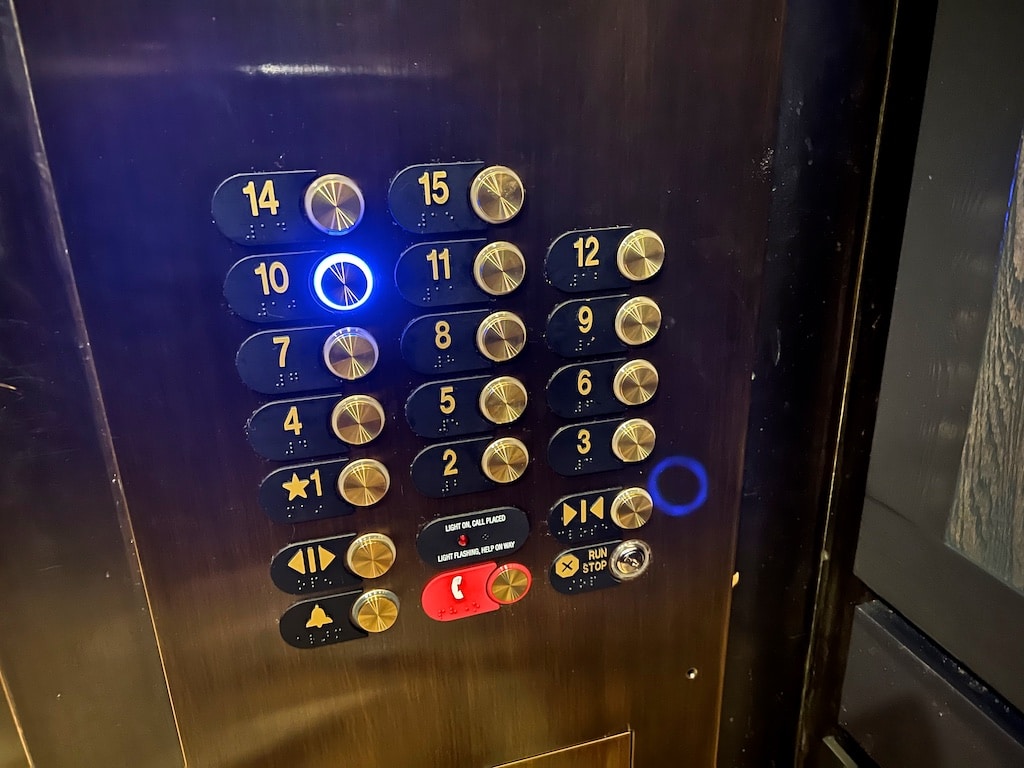
Step into the elevator of a soaring skyscraper in New York City or a luxury high-rise in Chicago, and you might notice a curious architectural anomaly. As your eyes scan the glowing buttons, they jump seamlessly from 12 to 14. To the uninitiated, it might seem like a simple wiring error or a quirk of the builder. However, in the world of global hospitality and property management, the “missing” 13th floor is a calculated, multi-million-dollar decision rooted in psychology, tradition, and guest comfort.
The omission of the 13th floor is one of the most enduring superstitions in the modern corporate world. Despite our advancements in science and engineering, the hospitality industry—ranging from boutique stays in London to massive resorts in Las Vegas—continues to honor an ancient fear. This practice is not merely about luck; it is a fundamental aspect of guest-centric design.
The Psychology of Triskaidekaphobia in the Hotel Industry
The technical term for the fear of the number 13 is “triskaidekaphobia.” While it may sound like an obscure phobia, its impact on the bottom line of the hotel industry is very real. Hotel developers and management groups, such as Marriott and Hilton, are in the business of providing comfort and “home away from home” experiences. Anything that disrupts a guest’s peace of mind is viewed as a barrier to service excellence.
Defining Triskaidekaphobia and Its Influence
Triskaidekaphobia is a deep-seated cultural phenomenon in Western society. For many, the number 13 is synonymous with bad luck, misfortune, or even paranormal activity. When a guest checks into a prestigious establishment like The Ritz-Carlton, they expect a seamless, relaxing experience. If that guest is assigned a room on the 13th floor, a flicker of unease might color their entire stay.
From a management perspective, if 10% of the population feels even a slight discomfort with the number 13, that represents a significant portion of the market that might request a room change or leave a negative review. To avoid these operational friction points, many developers choose to skip the number entirely during the planning phase.
Impact on Guest Satisfaction and Booking Rates
Data from the Otis Elevator Company, one of the world’s leading manufacturers of vertical transport systems, suggests that as many as 85% of elevator panels in high-rise buildings omit the number 13. In the competitive landscape of United States hospitality, where online reviews can dictate a hotel’s success, removing the 13th floor is a form of risk management.
Hoteliers know that a “lucky” floor can be marketed as a premium experience, whereas an “unlucky” floor is a liability. If a guest at Caesars Palace believes their gambling luck is tied to their room number, the hotel has a vested interest in ensuring that number is perceived positively.
Historical and Cultural Roots of the Missing Floor
The avoidance of the 13th floor is not a modern marketing gimmick; it is an evolution of historical narratives that have permeated Western culture for centuries. Understanding why a hotel in Paris might skip the number requires a look back at ancient mythology and religious history.
Western Traditions and the Number 13
One of the most frequently cited origins of this superstition is the biblical account of the Last Supper, where 13 people sat at the table—the 13th guest being Judas Iscariot, who betrayed Jesus. Another historical thread leads to the Knights Templar. On Friday the 13th in October 1307, France witnessed the mass arrest and subsequent execution of the order’s members, forever cementing the date and the number in the European psyche as a harbinger of doom.
As hotels transitioned from small inns to massive architectural marvels during the industrial era, these superstitions moved with them. When the first skyscrapers began to rise in New York, architects realized that the 13th floor was often harder to rent as office space or hotel suites. The logical solution was to simply rebrand the floor.
Asian Variations: Tetraphobia and the Floor 4
Interestingly, the “missing floor” phenomenon is not exclusive to the West, though the number changes based on the region. In many parts of Asia, particularly in China, Japan, and South Korea, the number 4 is considered extremely unlucky because its pronunciation is similar to the word for “death.”
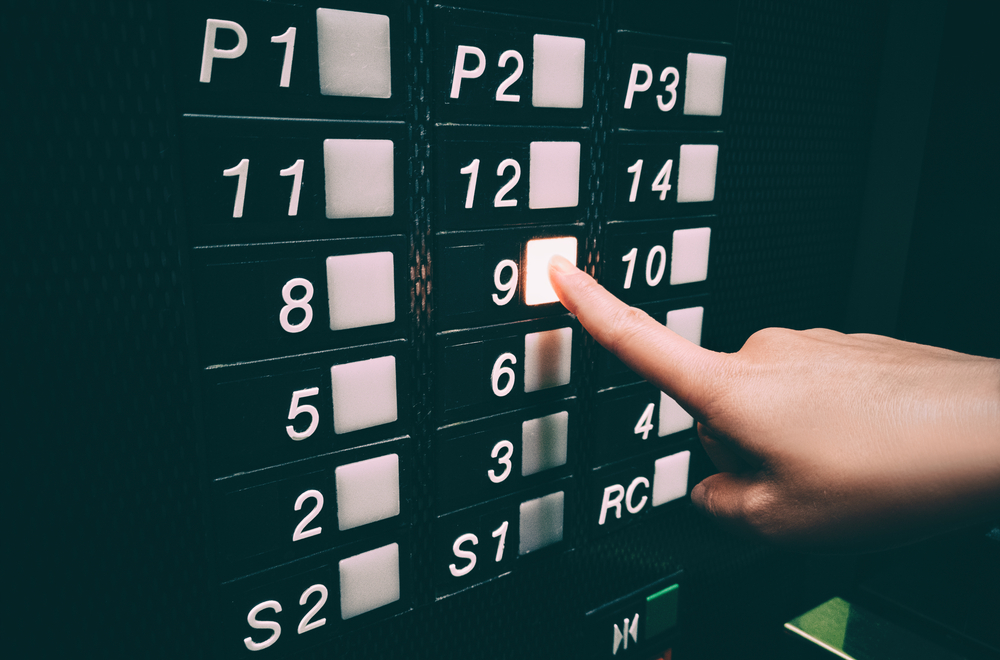
Travelers visiting Hong Kong or Shanghai will often find elevators that skip the 4th, 14th, 24th, and 34th floors. Some international hotels, aiming to please both Western and Eastern guests, might skip both 4 and 13. For example, a luxury hotel in Singapore might jump from floor 3 to 5 and floor 12 to 15 to ensure total cultural sensitivity.
How Modern Hotels Manage Floor Numbering
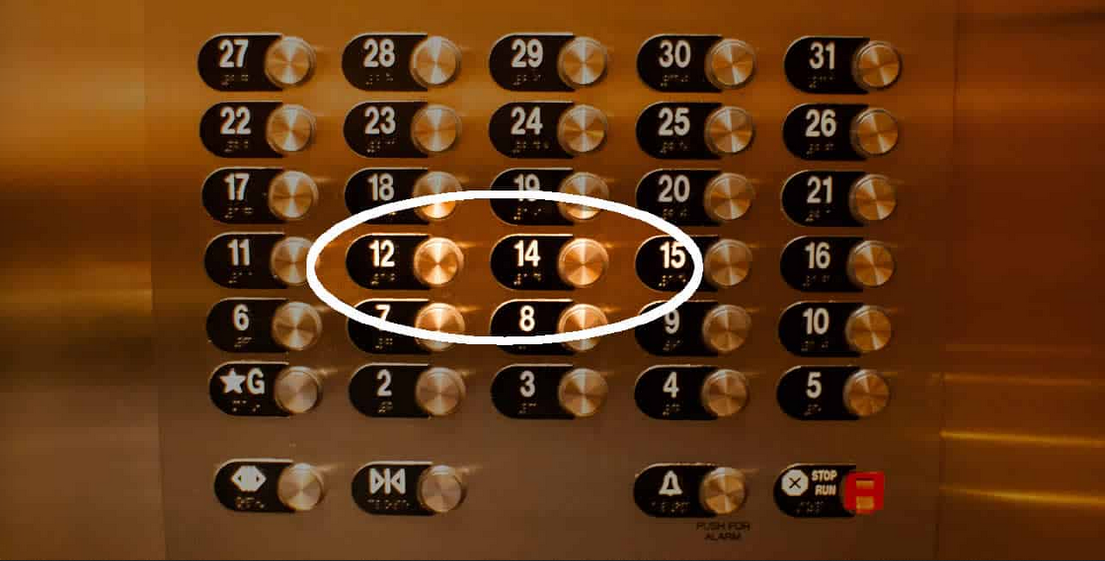
If a hotel skips the 13th floor, it does not mean the physical space doesn’t exist. The building still has a 13th level of concrete and steel. The question then becomes: what do hotels do with that “invisible” space?
The Jump from 12 to 14
The most common solution is the direct jump. The floor physically located above the 12th is simply labeled “14.” This is the standard practice for many major chains, including Hyatt and InterContinental Hotels Group. To the guest, the transition is invisible. The stairs, the room numbers, and the elevator buttons all follow the “12, 14, 15” sequence.
Architecturally, this requires careful coordination during the construction of the building’s core. Fire departments and emergency services in cities like Miami or San Francisco must be aware of the floor numbering discrepancies to ensure safety protocols are followed correctly during a crisis.
Creative Labeling: M, Mezzanine, or Mechanical Floors
Another strategy used by luxury resorts and historic hotels is to designate the 13th floor for non-guest use. This is a practical way to utilize the space while respecting the superstition.
- Mechanical Floors: Many high-rise hotels use the 13th floor to house HVAC systems, elevator machinery, or water tanks. Since guests never see these areas, the floor doesn’t need a public-facing number.
- The “M” Floor: Some buildings use “M” to stand for “Mezzanine” or simply the letter M (which is the 13th letter of the alphabet).
- Storage or Staff Areas: At older properties like The Waldorf Astoria New York, certain floors might be dedicated to laundry services, employee breakrooms, or administrative offices.
Global Perspectives: Notable Hotels and Regional Differences
While the practice is widespread, it is not universal. Different cities and brands have different approaches to how they handle their vertical layout.
Iconic Examples in New York and Las Vegas
In Las Vegas, where luck is the primary currency, many hotels are strict about omitting the 13th floor. Iconic properties like The Venetian Las Vegas and Wynn Las Vegas have designed their towers to avoid any association with the number. Given that many guests are there specifically to gamble, even a hint of bad luck could discourage spending on the casino floor.
In contrast, some modern hotels in New York City have begun to embrace the 13th floor as a way to stand out or appear more grounded and logical. However, legendary landmarks like the Empire State Building (which houses some hotel-style suites and offices) have historically navigated these numbering quirks based on the era of their construction.
International Standards in London and Dubai
In Europe, particularly in London, the tradition is slightly less rigid than in the United States, but it still exists in older, prestigious buildings. A hotel like The Savoy has its own unique layout quirks that reflect decades of history.
In the United Arab Emirates, specifically in Dubai, the focus is often on record-breaking heights and ultra-modernity. The Burj Al Arab and other architectural wonders often follow international numbering standards, but because these hotels cater to a global elite, they are hyper-aware of various cultural taboos, including those from Western Europe and East Asia.
Does This Practice Still Matter Today?
As we move further into the 21st century, the hospitality industry is seeing a slight shift in how it handles architectural superstitions. The rise of “lifestyle” hotel brands and a more data-driven approach to construction are changing the landscape.
The Rise of Modern, Logic-Based Numbering
Newer hotel brands that target younger travelers, such as those found in Berlin or Tokyo, are increasingly likely to include the 13th floor. These brands often pride themselves on transparency and a modern, minimalist aesthetic. To them, skipping a number feels dated or unnecessary.
Furthermore, some guests actually seek out “unlucky” rooms as a novelty. In cities with a vibrant alternative scene, such as Portland or Austin, a boutique hotel might even lean into the mystery, branding their 13th floor with a gothic or supernatural theme.
Designing for the Global Traveler
Ultimately, the decision to include or exclude the 13th floor comes down to the hotel’s target demographic. If a hotel in Toronto expects 90% of its guests to be local business travelers, it might follow standard North American conventions. However, if a resort in Bali or Thailand caters to an international mix of tourists, the management must balance many different cultural beliefs.
In the end, the “missing” 13th floor is a testament to the fact that hotels are not just buildings; they are experiences designed for human beings. As long as guests carry their cultures and superstitions with them, the hospitality industry will continue to adapt its architecture to meet those invisible needs. Whether you are staying at a Holiday Inn or a villa in Italy, the layout of the building is a silent conversation between the architect and your own peace of mind.
LifeOutOfTheBox is a participant in the Amazon Services LLC Associates Program, an affiliate advertising program designed to provide a means for sites to earn advertising fees by advertising and linking to Amazon.com. Amazon, the Amazon logo, AmazonSupply, and the AmazonSupply logo are trademarks of Amazon.com, Inc. or its affiliates. As an Amazon Associate we earn affiliate commissions from qualifying purchases.