
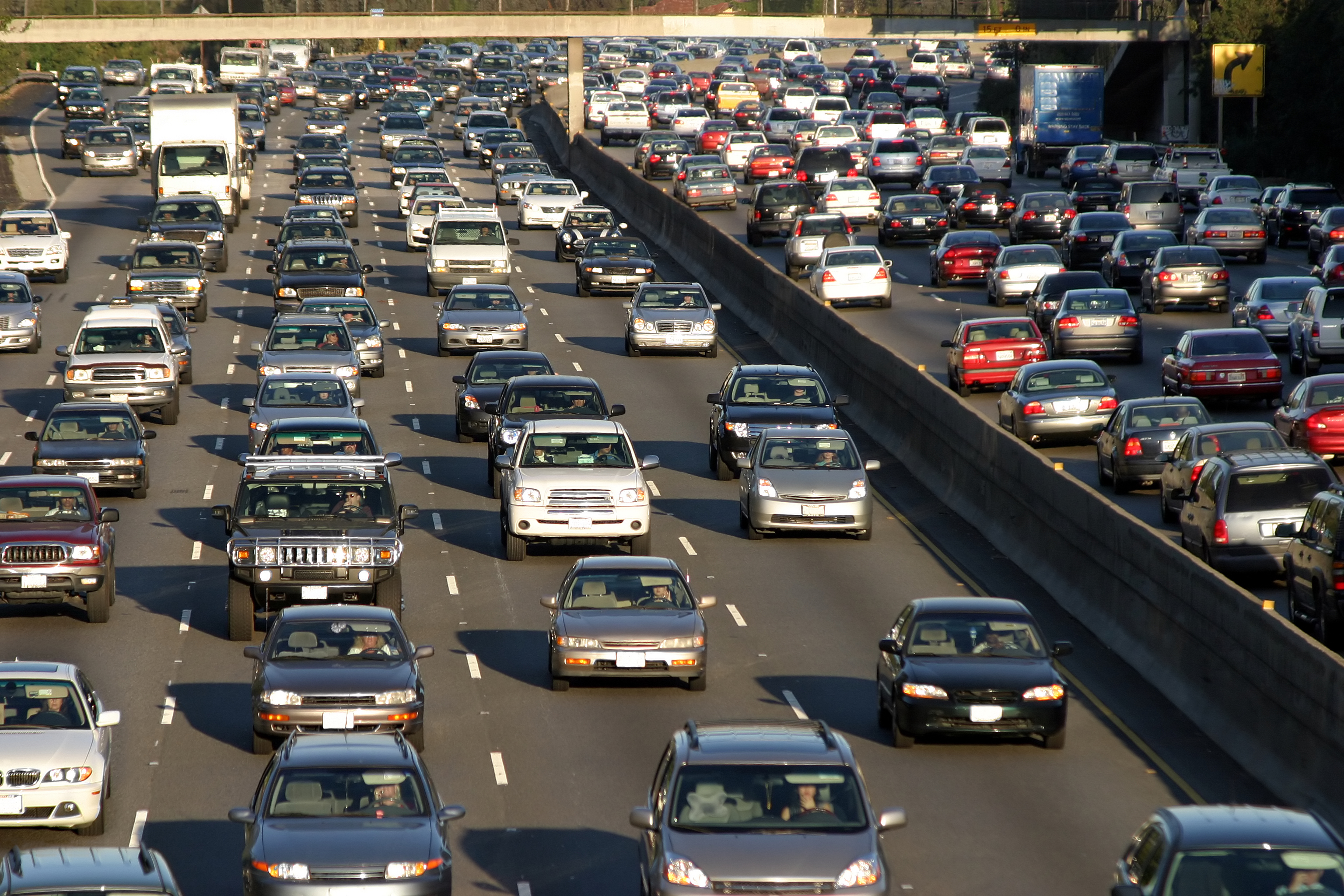
The gridlock in Los Angeles is more than just a commute-time nuisance; it is a fundamental element of the city’s identity. For visitors and residents alike, the sprawling highways of California often feel like a parking lot. Understanding why the traffic is so relentless requires looking at the history of urban planning, the geography of the basin, and the cultural reliance on the personal vehicle.
The Myth of Efficient Infrastructure and Urban Sprawl
The primary reason for the persistent congestion in Los Angeles lies in its unique geographic and historical development. Unlike older cities such as New York City or London, which were built around centralized transit hubs and high-density urban cores, the City of Angels expanded horizontally.

The Legacy of the Pacific Electric Railway
Decades ago, the region actually boasted one of the most extensive trolley systems in the world, known as the Pacific Electric Railway. As the automotive industry grew in influence, these tracks were dismantled in favor of concrete freeways. By the mid-20th century, the city had committed itself to an automobile-centric model of growth. This decision solidified a landscape of decentralized neighborhoods where distances between home, work, and leisure destinations were too vast to be traversed by anything other than a car.
Induced Demand and Freeway Expansion
The phenomenon known as “induced demand” explains why adding more lanes to the 405 Freeway rarely solves the problem. When road capacity increases, it often encourages more people to choose driving as their primary mode of transportation, thereby filling the new lanes until congestion returns to its original state. Because Los Angeles is locked in by mountain ranges like the Santa Monica Mountains, there is limited physical space to widen existing arteries, creating a structural bottleneck that cannot be engineered away.
Geography as a Physical Constraint
The topographical features of the region force millions of commuters through specific corridors. When looking at a map of the city, one notices that the layout is dictated by a series of valleys and coastal plains.
The Canyons and Mountain Passes
To move from the San Fernando Valley to the Westside, drivers are funneled through a handful of mountain passes. These natural choke points act as funnels, concentrating traffic flow into a small number of lanes. If a single incident occurs—a stalled car or a minor collision—the impact ripples across the entire network, causing hours of delays that are felt as far away as Downtown Los Angeles.
Coastal Bottlenecks
Similarly, the proximity to the Pacific Ocean creates linear transit requirements along the coastline. Whether traveling toward Santa Monica or navigating the Pacific Coast Highway, the geographic limitations prevent the creation of a true “grid” system. Without the ability to distribute traffic across a wide, uniform pattern, the concentration remains perpetually high on the main veins of the region.
The Cultural Shift Toward Public Transit
While the city is famous for its car culture, there is a growing movement toward alternative modes of transportation. For those visiting or living in the area, the reality of traffic is slowly changing the way they interact with local neighborhoods.
The Expansion of the Metro System
The Los Angeles County Metropolitan Transportation Authority has been aggressively expanding its light rail and subway lines. Connectivity between Hollywood and Long Beach or Pasadena is significantly more feasible than it was twenty years ago. However, the cultural shift remains slow. The sheer vastness of the Southern California region means that even with an expanding train network, the “last mile” problem—getting from the train station to one’s final destination—often necessitates a car, a ride-share, or a bike.
Navigating the City as a Tourist
For visitors, the best strategy to avoid the frustration of gridlock is to plan trips around proximity rather than volume. By staying in a specific, walkable neighborhood like Beverly Hills or Venice Beach, travelers can experience the local culture without needing to cross the city during peak hours. If one must travel across town, utilizing off-peak hours—typically between 10:00 AM and 2:00 PM—is essential. Attempting to traverse Interstate 10 during the traditional rush hour is a rite of passage, but one that is best avoided by anyone looking to maximize their time enjoying the sights.
Future Outlook and Urban Solutions
The discourse regarding traffic in Los Angeles is evolving. The city is increasingly focusing on “Transit-Oriented Development,” which involves building high-density residential and commercial spaces directly around public transit stops.
The Role of Technology and Remote Work
The widespread adoption of remote and hybrid work models following 2020 has provided the first measurable relief to traffic in decades. While the morning and evening peaks remain, the mid-day “slump” in traffic intensity is less pronounced. Furthermore, the use of predictive AI in traffic management systems is helping the city coordinate traffic light timing more effectively than ever before, smoothing out the flow on arterial surface streets.

Changing the Perception of the Commute
Perhaps the most significant change is psychological. Long-time residents have learned to treat the time spent in the car as an opportunity for podcasts, audiobooks, or simply enjoying the views of the San Gabriel Mountains. For the visitor, accepting the traffic as a backdrop of the California experience is the key to maintaining a stress-free trip. By staying informed about the flow of the city, utilizing local transit where possible, and strategically planning itineraries, the infamous congestion of Los Angeles becomes just another interesting facet of a complex, vibrant global city.
Ultimately, the traffic in this metropolis is a byproduct of its massive scale, its rugged terrain, and the sheer number of opportunities available within its borders. It is a city that never stops moving, even when the cars themselves are standing still.
LifeOutOfTheBox is a participant in the Amazon Services LLC Associates Program, an affiliate advertising program designed to provide a means for sites to earn advertising fees by advertising and linking to Amazon.com. Amazon, the Amazon logo, AmazonSupply, and the AmazonSupply logo are trademarks of Amazon.com, Inc. or its affiliates. As an Amazon Associate we earn affiliate commissions from qualifying purchases.