
The vibrant city of New Orleans, often affectionately referred to as “The Big Easy,” holds a unique place in the tapestry of American culture. This iconic nickname, evocative and intriguing, hints at a deeper narrative about the city’s identity, its people, and the indelible atmosphere that permeates its historic streets. For many travelers, the moniker perfectly encapsulates the city’s laid-back charm, its rich musical heritage, and a lifestyle that seems to defy the hurried pace of modern existence. But where did this famous nickname originate, and what facets of New Orleans life does it truly reflect? Understanding “The Big Easy” is to understand the very soul of this captivating destination.
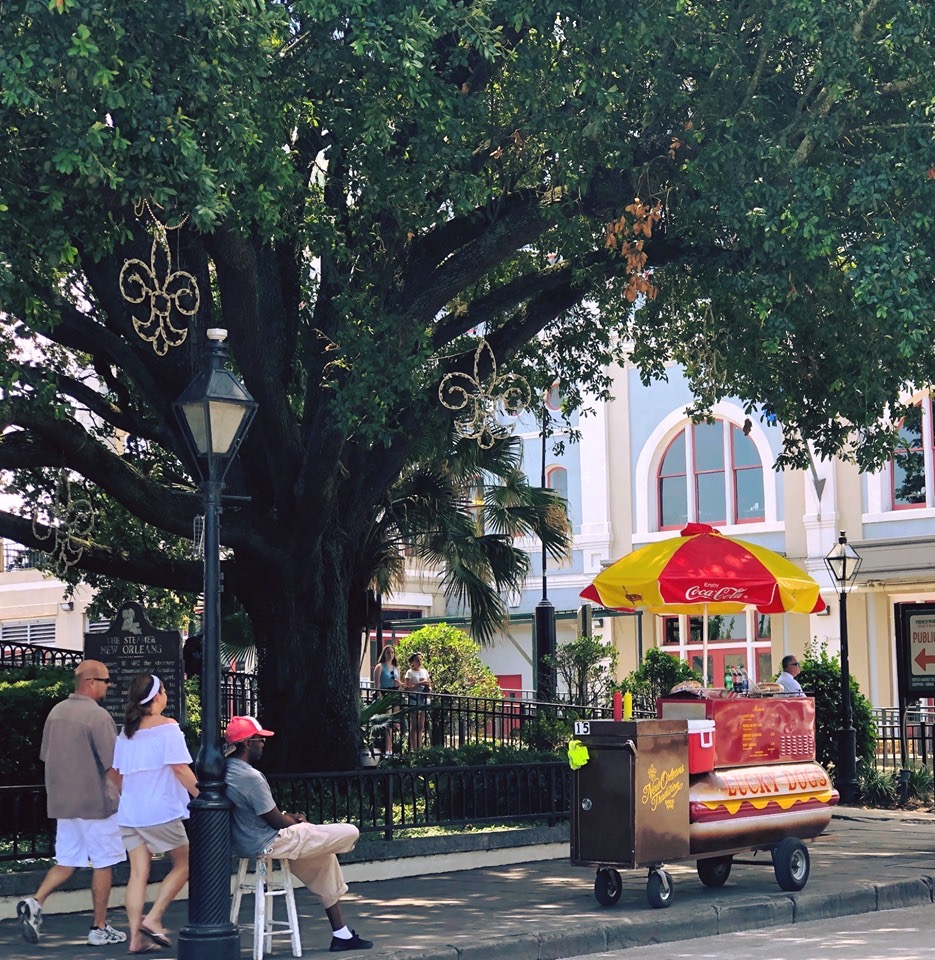
When considering New Orleans as a travel destination, the phrase immediately conjures images of unhurried strolls through the French Quarter, the impromptu sound of jazz spilling from dimly lit clubs, and long, leisurely meals savored with good company. It suggests a place where worries melt away, where the focus shifts from deadlines to delight, and where every moment is an opportunity for celebration. This reputation is not merely anecdotal; it’s deeply embedded in the city’s history, its unique geography, and the resilient spirit of its diverse inhabitants. From its distinctive architecture to its world-renowned cuisine, New Orleans embodies an ease of living and an openness to experience that truly earns it the title. This article will delve into the multifaceted reasons behind the enduring nickname, exploring its origins, its cultural significance, and what it means for those who choose to visit or call New Orleans home.
The Origins of a Laid-Back Legend
The nickname “The Big Easy” is believed to have gained widespread popularity in the 1960s, though its exact genesis is often debated. Many credit the crime novelist James Conaway, whose 1970 novel The Big Easy brought the term into the mainstream. Another popular theory attributes its rise to a columnist named Betty Guillaud, who began using it in the New Orleans States-Item newspaper in the 1970s. Guillaud reportedly coined the phrase while drawing a contrast between the relatively slow, easygoing pace of life and inexpensive living in New Orleans compared to the bustling, high-stakes atmosphere of New York City, famously dubbed “The Big Apple.” Regardless of its precise origin, the nickname resonated deeply with both locals and outsiders, quickly becoming an inseparable part of the city’s identity.
At its core, “The Big Easy” speaks to a certain laissez-faire attitude that has long characterized New Orleans. This isn’t to say the city lacks ambition or drive, but rather that it prioritizes enjoyment, community, and cultural richness over relentless productivity or material accumulation. The city’s subtropical climate, its history as a melting pot of French, Spanish, African, and Caribbean cultures, and its unique position as a port city all contributed to an environment where diverse influences blended harmoniously, fostering a relaxed yet vibrant atmosphere. The slow flow of the Mississippi River itself seems to set the rhythm for the city’s heartbeat, encouraging residents and visitors alike to slow down, breathe deeply, and savor the moment.
A Rhythmic Pace of Life
One of the most immediate impressions visitors get of New Orleans is its distinctive rhythm. Unlike the frantic rush of many other major cities, time in New Orleans seems to expand. Mornings might start with a leisurely coffee and beignets at Cafe Du Monde, followed by an unhurried exploration of historic districts like the Garden District, admired from a comfortable streetcar or on foot. Even business transactions often unfold with a more personal, unhurried touch. This unhurried pace is not a sign of laziness but a conscious choice to prioritize human connection, celebration, and the simple pleasures of life. The city’s famous Mardi Gras parades, while grand and elaborate, are fundamentally about communal joy and letting loose, an embodiment of the “easy” spirit.
For those planning their travels, understanding this pace is crucial for a truly authentic New Orleans experience. Don’t expect to rush from one attraction to another like a checklist. Instead, allow for spontaneity. Wander aimlessly down a street, listen to a street musician for a while, strike up a conversation with a local, or linger over a meal. This is where the magic of “The Big Easy” truly reveals itself. The city encourages you to shed the pressures of your daily routine and immerse yourself in its unique charm, making it an ideal destination for relaxation and cultural immersion. Accommodation options range from luxury hotels like The Roosevelt Hotel with its grand history to charming boutique hotels nestled in historic buildings, each offering a distinct ambiance that complements the city’s unhurried allure. Many hotels feature picturesque courtyards, swimming pools, and amenities designed for comfortable, leisurely stays.
Affordability and Accessibility (Historically)
Another significant aspect tied to the “easy” in “The Big Easy” was the historical affordability of living and visiting the city, especially when compared to other major American urban centers. While New Orleans has seen its share of economic shifts and rising costs, particularly in popular tourist areas, its reputation for offering a rich lifestyle without an exorbitant price tag was once a defining characteristic. This affordability made it an attractive hub for artists, musicians, and free spirits seeking a place where they could pursue their passions without the intense financial pressures found elsewhere.
The accessibility wasn’t just financial; it was also social. New Orleans has historically been a city where people from all walks of life could find a place. Its diverse neighborhoods, from the stately homes of Uptown to the vibrant communities of the Bywater, offered a range of living experiences. For tourists, this translated into a wide array of options, from charming bed and breakfasts to well-appointed resorts, making it possible to enjoy the city’s unique charm on various budgets. The city’s public transportation, including its iconic streetcars, also makes navigating the city relatively easy and inexpensive, allowing visitors to explore different landmarks and attractions without the stress of constant driving or expensive taxis. This mix of relative affordability and inherent accessibility contributes significantly to the city’s “easy” reputation, inviting a broader demographic to partake in its unique offerings and fostering a more inclusive tourism environment.
A Symphony of Culture and Cuisine
Beyond its laid-back pace and historical affordability, the heart of “The Big Easy” truly pulsates with an unparalleled cultural vibrancy and a culinary scene that is a destination in itself. New Orleans isn’t just easy to live in; it’s easy to fall in love with, largely due to its sensory richness. The city’s music, its festivals, its distinct Creole and Cajun cuisines, and its unique celebrations create an atmosphere of constant, effortless enjoyment. This cultural abundance means there’s always something to see, hear, taste, or experience, all without the need for rigid planning or a hurried schedule.
The emphasis on local culture and traditions is paramount. New Orleans has carefully preserved its unique heritage, making it a living museum of influences from around the world. From the spiritual practices rooted in Voodoo to the vibrant brass bands parading through the streets, the city encourages engagement with its past and present. For travelers seeking authentic experiences, New Orleans offers a wealth of activities that immerse them directly into this rich tapestry, from cooking classes focused on Creole dishes to intimate jazz club performances. The “easy” here refers to the effortless flow of cultural expression and the open invitation to participate and celebrate.
The Birthplace of Jazz and Mardi Gras Magic
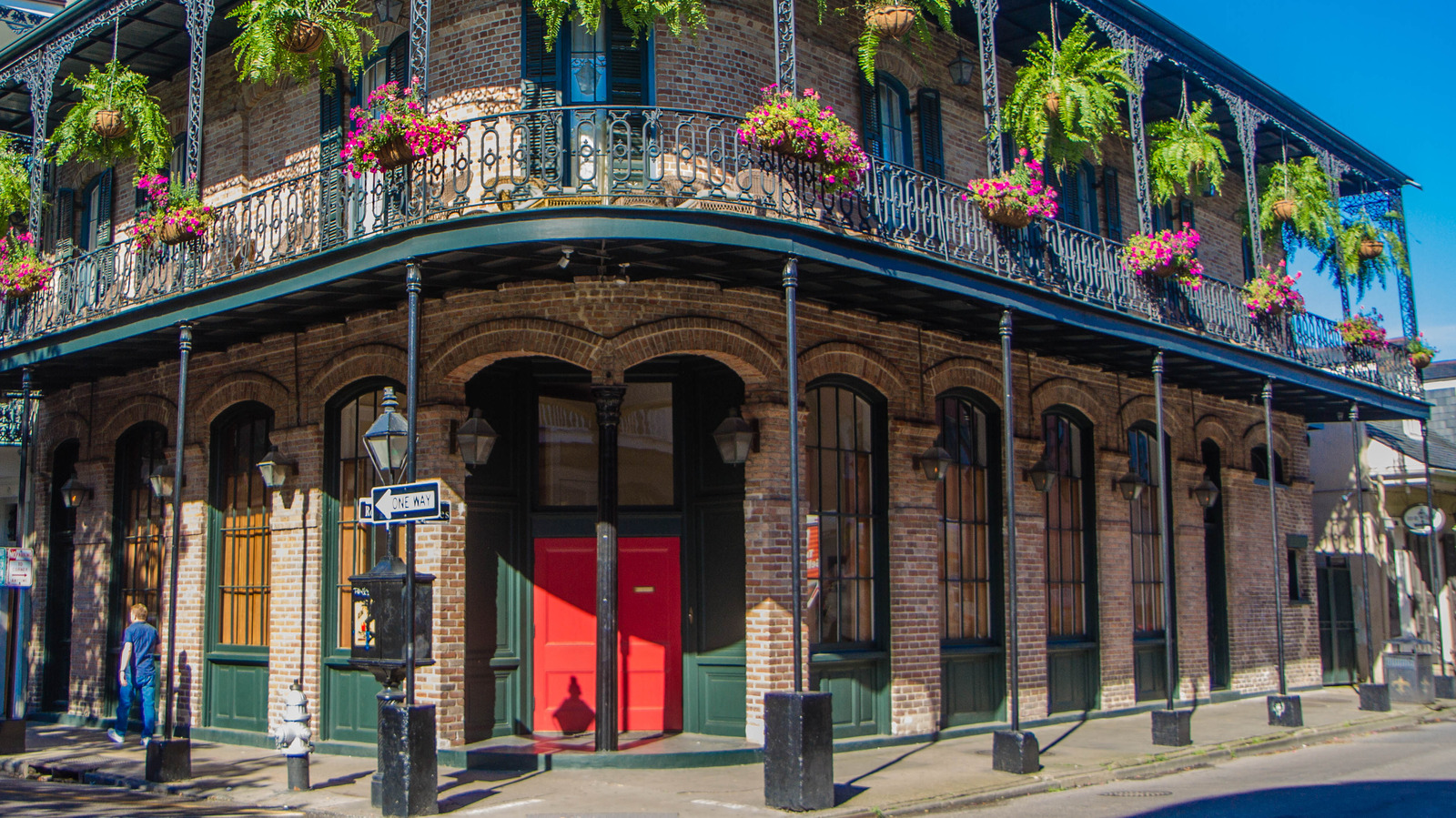
Perhaps no two elements define the cultural ease of New Orleans more than its status as the birthplace of jazz music and the sheer spectacle of Mardi Gras. Jazz, with its improvisational nature and soulful melodies, perfectly mirrors the city’s spontaneous and expressive spirit. Strolling down Bourbon Street or through the more intimate venues of Frenchmen Street, the sound of music is ever-present, an ambient soundtrack that invites you to relax and tap your feet. There’s no pressure to be a connoisseur; simply enjoying the music as it washes over you is the New Orleans way.
Mardi Gras, or “Fat Tuesday,” is the epitome of the city’s joyous abandonment. It’s a period where the city collectively embraces exuberance, parades, elaborate costumes, and a spirit of communal revelry. While visitors might plan their trip around this famous festival, the underlying sentiment of celebration and finding joy in everyday life is a constant throughout the year. Even outside of Mardi Gras, New Orleans hosts countless other festivals, from the New Orleans Jazz & Heritage Festival to the French Quarter Festival, each a testament to the city’s commitment to music, food, and community. These events are easy to participate in, easy to enjoy, and fundamentally contribute to the city’s reputation as a place where life is lived to the fullest, without excessive complications. Many accommodations offer special packages during these times, but it is always advisable to book early, especially for prime locations near the parade routes. Whether you opt for a luxurious suite in the Central Business District or a charming guesthouse in Marigny, you’ll find yourself effortlessly immersed in the celebratory atmosphere.
Culinary Delights: A Feast for the Senses
The culinary landscape of New Orleans is a powerful expression of its “Big Easy” philosophy. Food here is not just sustenance; it’s a fundamental part of the culture, a shared heritage, and a source of immense pleasure. The city’s kitchens churn out legendary dishes like gumbo, jambalaya, etouffee, po’boys, and beignets, each telling a story of diverse influences and generations of culinary tradition. Eating in New Orleans is an immersive experience, often stretching out over hours, accompanied by lively conversation and perhaps a perfectly crafted Hurricane cocktail.
The “easy” in the culinary context comes from the sheer availability of incredible food at every turn, from upscale dining establishments to casual street vendors. There’s no pretense; just good food made with passion and served with hospitality. For those interested in culinary tourism, New Orleans offers endless opportunities, from exploring the stalls of the French Market to taking cooking classes at the New Orleans School of Cooking. The city makes it easy to indulge your palate, making every meal a memorable part of your travel experience. From a morning coffee and chicory at a corner cafe to a late-night dessert, the city’s culinary scene caters to every whim with effortless charm. This accessible yet sophisticated food scene is a testament to the city’s welcoming nature and its commitment to savoring life’s simple, delicious pleasures.
The Enduring Spirit of New Orleans
The nickname “The Big Easy” also speaks to the resilience and unique character of the people of New Orleans. This is a city that has faced numerous challenges, from natural disasters like Hurricane Katrina to economic downturns, yet its spirit remains unbroken, its culture vibrant, and its people unwavering in their commitment to their city and its traditions. The “easy” here isn’t about being carefree in the face of adversity, but about an innate ability to find joy, community, and strength amidst difficulties. It’s an ease of spirit, a deep-seated optimism, and a collective resolve to celebrate life, no matter what.
This enduring spirit is palpable in every facet of New Orleans life. It’s in the way neighborhoods come together, the spontaneous second line parades that emerge for any occasion, and the unwavering dedication to preserving the city’s historic landmarks like St. Louis Cathedral overlooking Jackson Square. These are not just tourist sights but cherished symbols of the city’s enduring identity. For travelers seeking more than just sightseeing, this deep sense of community and resilience offers a profound insight into the human spirit.
Resilience in the Face of Adversity
The strength and resilience of New Orleans residents are legendary. After devastating events, the city consistently demonstrates its “easy” ability to rebuild, restore, and, most importantly, re-embrace its joyous identity. This resilience isn’t just about physical reconstruction but about the preservation of its culture, its music, and its unique way of life. It’s an inspiring testament to the power of community and cultural pride. This facet of “The Big Easy” speaks volumes about the city’s intrinsic character – it is a place that weathers storms, both literal and figurative, with a persistent smile and a song in its heart.
For tourism, this means that New Orleans offers a profound narrative beyond just attractions. It offers a story of perseverance, creativity, and the human capacity for joy. Visitors often find themselves drawn not just to the party atmosphere but to the genuine warmth and welcoming nature of the people. This spirit is reflected in various tourism initiatives aimed at showcasing the city’s recovery and ongoing revitalization, particularly in areas like the Lower Ninth Ward. Many accommodation providers and local businesses actively participate in community support, ensuring that a visit to New Orleans also contributes to its continuous flourishing.
Embracing the “Easy” for Travelers
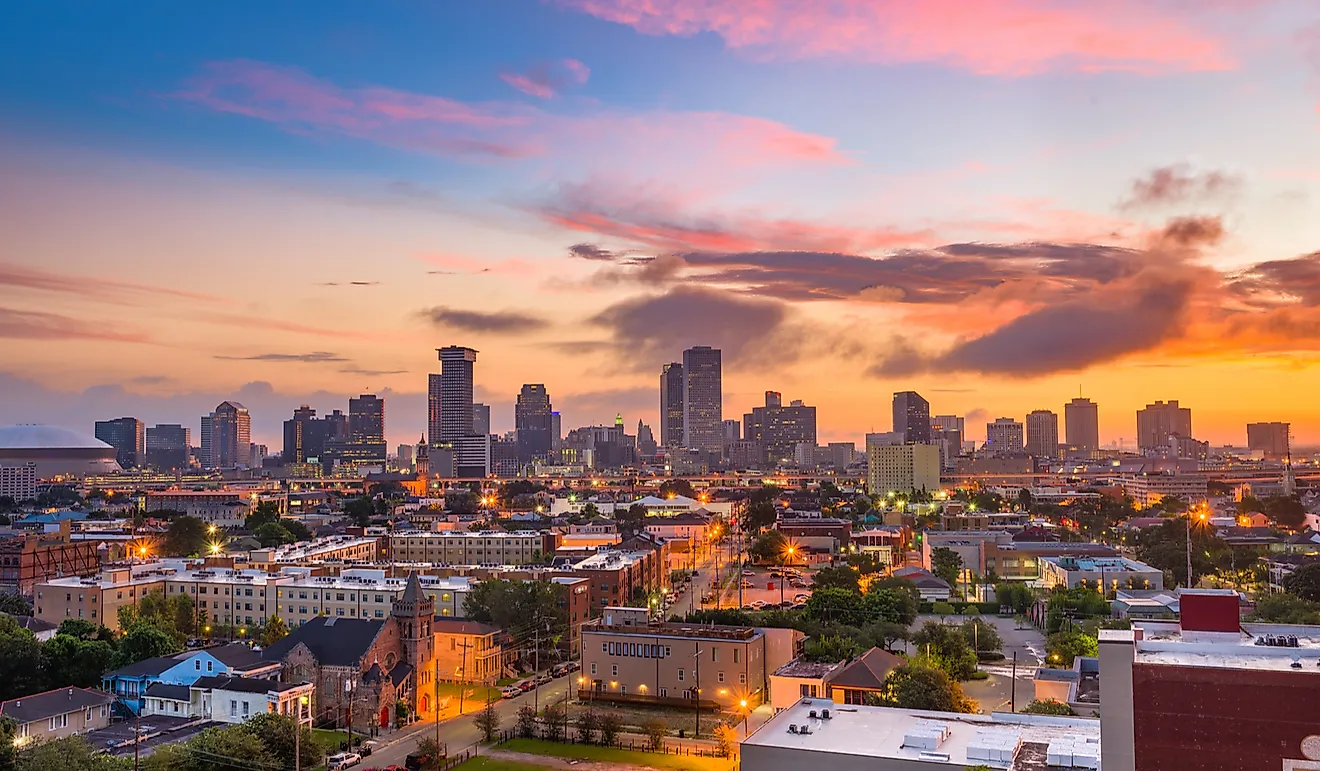
For anyone considering a trip to New Orleans, embracing the “Big Easy” philosophy is key to an unforgettable journey. It’s about letting go of preconceived notions, allowing for spontaneous discovery, and immersing yourself in the moment. Whether you’re exploring the voodoo shops of the French Quarter, taking a swamp tour through the bayous, or simply enjoying a Hurricane on a balcony overlooking Bourbon Street, the city encourages an unhurried appreciation of its distinct charms.
Travel guides often emphasize the vibrant nightlife and unique attractions, but the true “easy” experience is found in the pauses between the activities – the quiet moments in a hidden courtyard, the lingering taste of a perfectly seasoned Creole dish, or the soulful notes of a distant trumpet. Booking hotels in New Orleans is made easy with numerous options available, from historic suites in renovated mansions to modern apartments and villas offering all desired amenities. Many accommodations receive glowing reviews for their distinctive character and welcoming atmosphere, which further enhances the “easy” feeling of a stay. This is a city that invites you to relax, indulge, and simply be. So, when planning your next adventure, consider New Orleans – a place where the living is easy, the music flows freely, and every moment is an invitation to celebrate life in its grandest, most effortless form. The “Big Easy” is more than a name; it’s a promise of an experience unlike any other.
LifeOutOfTheBox is a participant in the Amazon Services LLC Associates Program, an affiliate advertising program designed to provide a means for sites to earn advertising fees by advertising and linking to Amazon.com. Amazon, the Amazon logo, AmazonSupply, and the AmazonSupply logo are trademarks of Amazon.com, Inc. or its affiliates. As an Amazon Associate we earn affiliate commissions from qualifying purchases.