
The prospect of snow in Florida is a topic that captures the imagination of residents and visitors alike. Known worldwide as the Sunshine State, this region of the United States is more often associated with swaying palm trees, white-sand beaches, and a tropical climate that persists while the rest of the continent shivers. However, for those planning a winter getaway, the question of whether they might encounter a winter wonderland in the subtropics is both a matter of curiosity and practical preparation. While the chances of significant accumulation are statistically low, the intersection of tourism and the rare Florida cold snap creates a unique seasonal experience that differs significantly from the traditional summer holiday.

The Reality of Winter Tourism in the Sunshine State
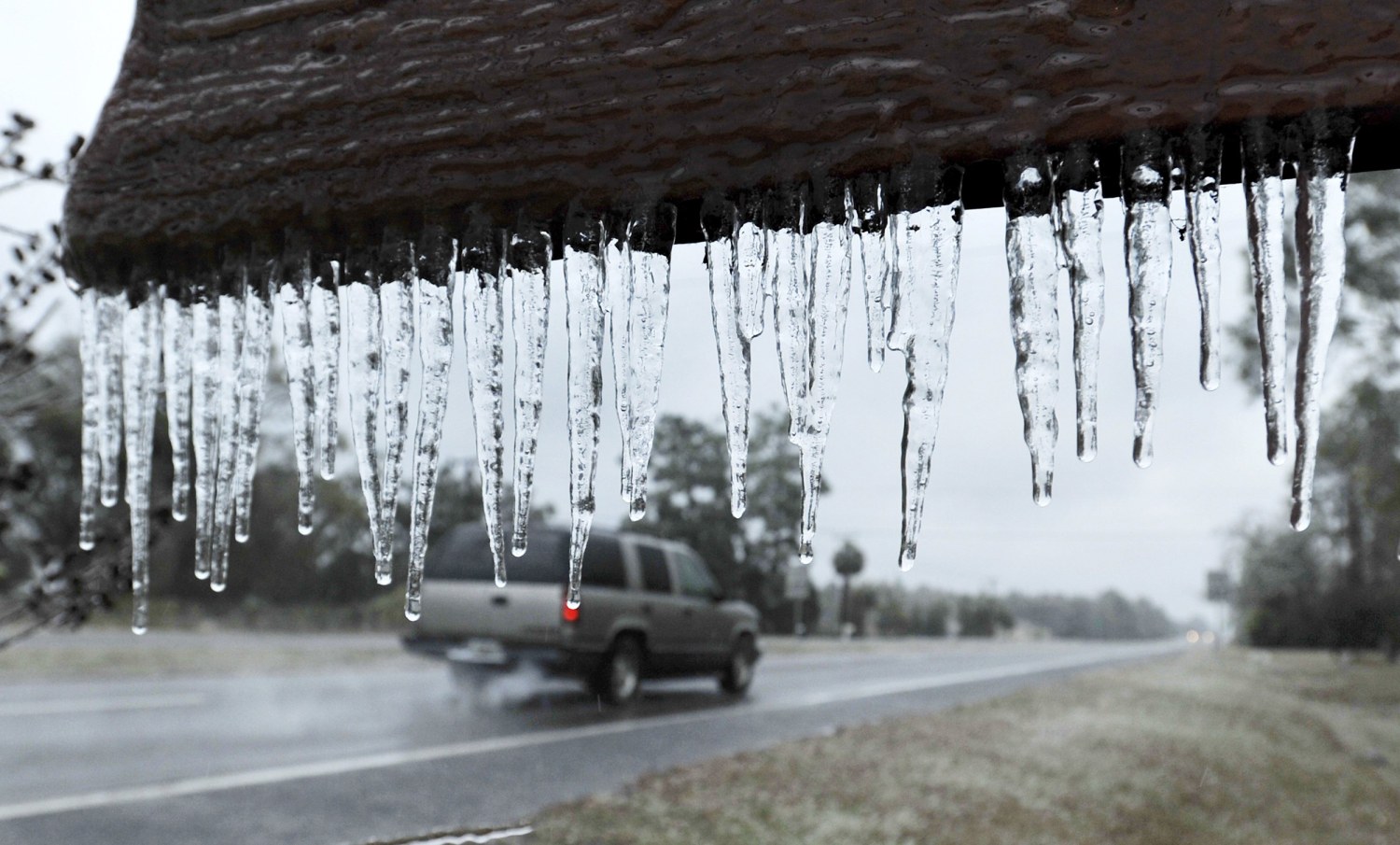
To understand if Florida will get snow, one must look at the diverse geography of the state. The experience of a tourist in Tallahassee is vastly different from one in Key West. Northern regions, particularly the Panhandle, are the most likely candidates for “frozen precipitation,” which can range from a light dusting of snow to sleet or freezing rain.
Historical Occurrences and Northern Exposure
In the rare instances where snow does fall, it is typically confined to the northern tier of the state. Historically, cities like Pensacola and Jacksonville have seen flurries when massive cold fronts dip down from Canada and cross the borders of Georgia and Alabama. One of the most significant events in modern history occurred in 1977, when snow fell as far south as Miami and Homestead, a phenomenon that remains a legend in local culture. For the modern tourist, however, “snow” in Florida is more often a meteorological anomaly than a reliable attraction.
The Contrast of Central and South Florida
In Orlando and Tampa, the arrival of winter is marked not by snow, but by a refreshing drop in humidity and crisp, cool mornings. While the northern reaches might occasionally see a stray flake, Central Florida tourism thrives on the “endless summer” vibe, even when temperatures dip into the 40s Fahrenheit. Further south, in Fort Lauderdale and the Florida Keys, the concept of snow is virtually non-existent, making these areas the ultimate sanctuary for those fleeing the harsh winters of the north.
Essential Tips for Visiting Florida in the Winter
While the likelihood of needing a snow shovel is nearly zero, tourists must still prepare for “Florida cold.” The humidity that makes the summer heat feel more intense also makes the winter chill feel sharper. Understanding how to navigate the local infrastructure and climate during these months is essential for a comfortable trip.
Packing for Variable Temperatures
The most important tip for winter tourism in Florida is layering. A single day can start at 40 degrees in Gainesville and reach 75 degrees by mid-afternoon. Travelers should pack light jackets, sweaters, and long pants, even if their primary destination is a beach in Clearwater or Sarasota. If a rare cold snap is forecasted, bringing a heavier coat is advisable, as many outdoor attractions do not have heated waiting areas.
Navigating Local Infrastructure
Florida is not built for ice. On the off chance that sleet or a light dusting of snow occurs in Tallahassee or Jacksonville, the state may close major highways like Interstate 10 or Interstate 75 to prevent accidents. Visitors should keep a close eye on local news if a “polar vortex” is mentioned. Additionally, many older hotels and smaller rentals in areas like Daytona Beach may prioritize air conditioning over heating systems, so it is always wise to confirm the heating capabilities of your accommodation if traveling between December and February.
Unique Winter Activities and Seasonal Attractions

While you might not be able to go skiing, the “winter” season in Florida offers activities that are impossible to experience during the sweltering summer months. From wildlife migrations to festive transformations of famous landmarks, the cooler weather opens up a new side of the state.
Manatee Spottings and Natural Wonders
One of the most profound tourism experiences in winter is visiting the natural springs. As the waters of the Gulf of Mexico and the Atlantic Ocean cool down, hundreds of manatees migrate to the constant 72-degree waters of Crystal River and Blue Spring State Park. This is the peak season for eco-tourism, allowing visitors to see these gentle giants in record numbers. Similarly, Weeki Wachee Springs State Park remains a popular destination, offering clear-water kayaking that is much more pleasant without the summer’s oppressive heat.
Exploring the Great Outdoors
Winter is arguably the best time to visit Everglades National Park. During the summer, the mosquitos and humidity can make the trails challenging for many travelers. In the dry winter season, the insect population drops significantly, and wildlife—including alligators and various bird species—congregates around the remaining water holes, providing unparalleled viewing opportunities. This is also the ideal time for hiking in Biscayne National Park or taking a boat trip to the remote Dry Tortugas National Park.
World-Class Theme Parks and Holiday Magic
For many, winter tourism in Florida centers around the major theme parks. Walt Disney World and Universal Orlando Resort undergo massive transformations. While you won’t find real snow on the ground, these parks use “snoap” (a soapy substance that mimics the look of falling snow) to create a winter atmosphere on Main Street USA. In Tampa, Busch Gardens Tampa Bay hosts seasonal events that take advantage of the cooler evening air, making the roller coaster rides even more exhilarating.
Cultural Festivals and Historic Winter Charms
The cultural fabric of Florida changes during the winter, with many cities hosting festivals that celebrate the season without the need for sub-zero temperatures. These events provide a deeper look into the local lifestyle and the history of the region.
The Nights of Lights in St. Augustine
One of the most prestigious winter events in the United States is the Nights of Lights in St. Augustine. From November through January, the nation’s oldest city is draped in millions of tiny white lights, reflecting off the Matanzas River. This architectural showcase highlights the Spanish Colonial history of the city and creates a romantic, festive atmosphere that draws tourists from across the globe. Walking through the historic district with a hot cocoa in hand is the closest one can get to a “traditional” northern winter feeling in the subtropics.
Coastal Escapes and Space Coast Wonders
Along the coast, Kennedy Space Center offers a different type of winter appeal. The clear, dry winter skies often provide the best visibility for rocket launches, which are a major draw for tourism in Cape Canaveral. Meanwhile, on the west coast, Naples and St. Petersburg become hubs for art festivals and outdoor markets. The local culture shifts towards “al fresco” dining, where visitors can enjoy meals on the sidewalk without the threat of a sudden afternoon thunderstorm, which is so common in the summer.
The “Snowbird” Lifestyle
No discussion of Florida in winter is complete without mentioning the “snowbirds.” This term refers to the seasonal residents who move south for the winter. This influx of people creates a vibrant, bustling atmosphere in cities like West Palm Beach and Jupiter. For a tourist, this means that restaurants are lively, shops are fully stocked with new collections, and the social calendar is packed with polo matches, boat shows, and car exhibitions.
Why a “Snow-Free” Florida is a Tourist’s Best Bet
Ultimately, while the question “Will Florida get snow?” might be answered with a “probably not,” the lack of frozen precipitation is exactly what makes the state such a premier winter destination. The “winter” here is less about survival and more about celebration. It is a season where the sun still shines, but the heat is tempered, allowing for a broader range of activities.
Whether you are exploring the historic streets of Pensacola, watching a launch at the Kennedy Space Center, or diving into the springs at Crystal River, the Florida winter provides a unique tourism experience. It is a time when the natural beauty of the state is most accessible, the wildlife is most visible, and the local culture is at its most festive. So, while you may not need your skis, you will certainly find plenty of reasons to visit Florida during the cooler months. The absence of snow is not a lack of winter—it is simply a different, more tropical way to experience the season.
LifeOutOfTheBox is a participant in the Amazon Services LLC Associates Program, an affiliate advertising program designed to provide a means for sites to earn advertising fees by advertising and linking to Amazon.com. Amazon, the Amazon logo, AmazonSupply, and the AmazonSupply logo are trademarks of Amazon.com, Inc. or its affiliates. As an Amazon Associate we earn affiliate commissions from qualifying purchases.