
Planning a trip to the Big Island of Hawaii is an exhilarating prospect, but because the island is geographically vast—nearly twice the size of all the other Hawaiian Islands combined—choosing the right arrival point is critical to the success of your vacation. Unlike smaller islands where a single airport serves the entire population, the Big Island utilizes two primary airports situated on opposite sides of the island. Understanding the distinctions between these two gateways will help you optimize your travel time and ensure you land closer to your chosen home base.
Kona International Airport: The Gateway to the West Coast
For the vast majority of travelers, Kona International Airport, officially known as Ellison Onizuka Kona International Airport at Keahole, is the primary destination. Located on the sun-drenched western side of the island, this airport serves as the hub for most trans-pacific flights and inter-island travel.
Why Choose Kona?
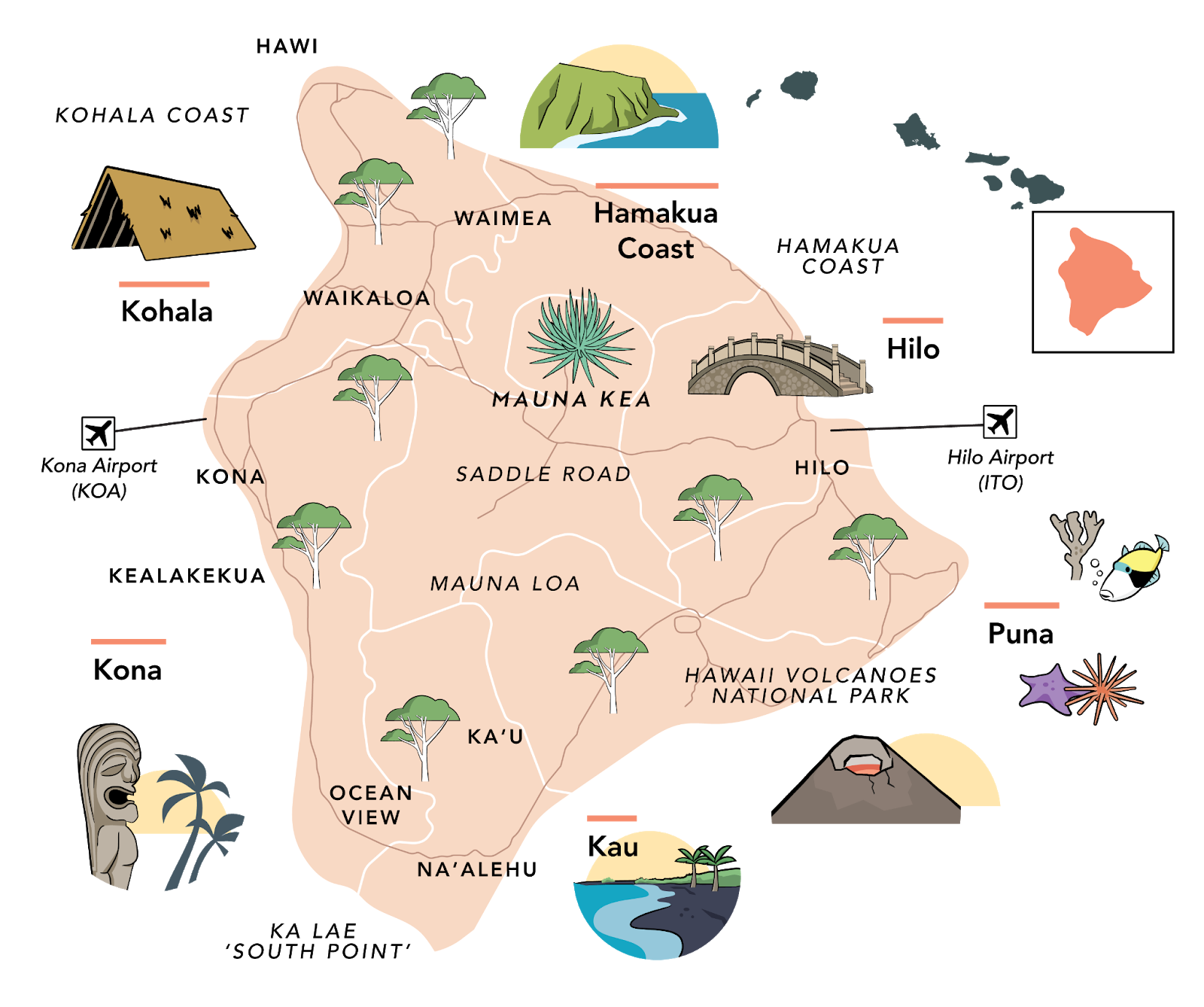
The primary reason to fly into Kona is its proximity to the island’s most popular resort destinations. If your itinerary involves staying at the luxurious properties along the Kohala Coast, landing here saves you hours of driving time. The airport is an open-air facility that perfectly encapsulates the laid-back, tropical aesthetic of the islands, allowing visitors to feel the balmy ocean breeze the moment they step off the aircraft.
Proximity to Beaches and Resorts
Landing at Kona places you within a short drive of the most iconic white-sand beaches on the island, such as Hapuna Beach. Furthermore, major hotel chains and world-class resorts, including the Mauna Lani and the Fairmont Orchid, are easily accessible from this hub. Renting a car at Kona International Airport is highly recommended, as the airport offers a streamlined rental facility that allows travelers to head north or south along the coast to begin their adventure immediately.
Hilo International Airport: The Lush Eastern Entryway
While Kona caters to the resort and beach crowd, Hilo International Airport serves as the gateway to the windward side of the island. Hilo is the seat of the county government and is characterized by its tropical rainforest environment, dramatic waterfalls, and proximity to volcanic wonders.
Why Choose Hilo?
Choosing to fly into Hilo is a strategic decision for travelers who prioritize nature, hiking, and botanical exploration over swimming pools and poolside service. The town of Hilo offers a more authentic, local vibe, where the architecture reflects the rich history of the island’s plantation era. If your primary objective is to spend significant time exploring Hawaii Volcanoes National Park, Hilo is geographically the more convenient airport.

Access to Volcanic Wonders
By flying into Hilo, you significantly reduce your travel time to the Kilauea caldera and the lush botanical gardens found in the Hamakua Coast. Travelers who fly into Hilo often find it easier to visit Akaka Falls State Park and the Liliuokalani Gardens during their stay. While international flights are less frequent here compared to Kona, Hilo is well-serviced by inter-island carriers, making it an excellent option for those island-hopping from Oahu or Maui.
Strategic Trip Planning: The Open-Jaw Ticket
One of the most effective strategies for visiting the Big Island is to utilize an “open-jaw” flight itinerary. This approach involves flying into one airport and out of the other, effectively allowing you to traverse the entire island without the need for a tedious “out-and-back” drive.
The Benefits of a Loop Itinerary
If you start your journey by landing at Kona International Airport, you can spend the first half of your trip relaxing in the luxury resorts and snorkeling in the clear waters of Kealakekua Bay. As you work your way across the island, you can explore the rugged terrain of Waimea and the dramatic landscapes of the Saddle Road. Ending your trip in Hilo allows you to visit the national parks and the historic sites of the east side before catching your return flight from Hilo International Airport. This approach minimizes backtracking and maximizes the amount of time you can spend exploring the island’s diverse ecosystems.
Logistics and Rental Car Considerations
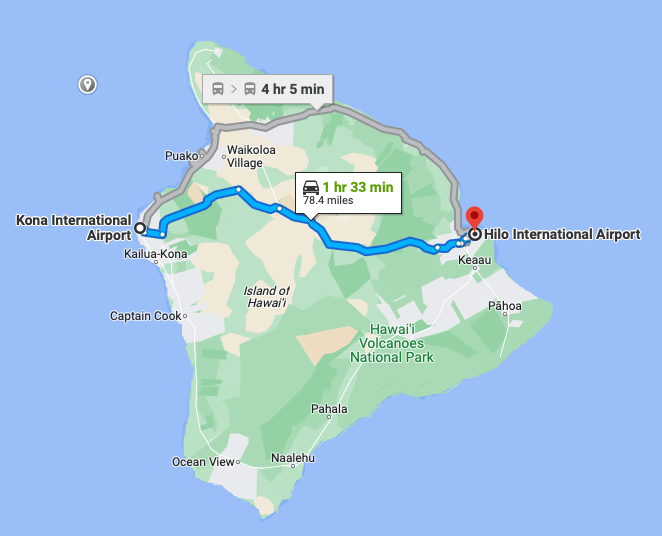
When planning an open-jaw itinerary, it is essential to check with your car rental agency regarding drop-off fees. Most major rental companies operating at both Kona and Hilo airports allow for one-way rentals, though they may incur an additional charge. Given the size of the Big Island, this expense is often outweighed by the time saved and the reduction in fuel costs that would otherwise be spent driving in circles. Always confirm your flight times in relation to your rental drop-off, as the drive between the two airports can take anywhere from 90 minutes to two hours depending on the route and weather conditions.
Seasonal Considerations and Travel Tips
The Big Island’s climate varies significantly between the east and west sides, and this often dictates which airport is best for a specific season.
Rainfall and Accessibility
The Hilo side is historically one of the wettest places in the United States, which is exactly what gives it such lush, vibrant greenery. If you are traveling during the winter months when rainfall is more frequent, you might prefer landing in Kona for a better chance at sunny, dry weather upon arrival. Conversely, if you are visiting in the summer, both sides offer beautiful conditions, though the Hilo side provides a cooler, more temperate environment that can be a welcome escape from the intense heat of the western coastline.
Navigating Airport Amenities
Both airports are relatively easy to navigate compared to major mainland hubs, but they offer vastly different experiences. Kona is designed to handle a larger influx of tourists, with more dining options and retail shops located within the open-air terminals. Hilo’s airport is quieter and more compact, offering a stress-free departure experience. Regardless of which airport you choose, be sure to arrive at least two hours before your scheduled departure, as agricultural inspection stations are mandatory when departing the island to ensure the protection of the local ecosystem.
Ultimately, whether you land at Kona International Airport or Hilo International Airport, you are embarking on an unforgettable journey. The Big Island is a place of stark contrasts—from frozen lava fields to tropical jungles—and choosing the right airport is the first step in crafting a seamless and immersive travel experience. By matching your entry point to your desired activities, you ensure that every moment of your Hawaiian getaway is spent exploring the beauty of the islands rather than navigating the roads between them.
LifeOutOfTheBox is a participant in the Amazon Services LLC Associates Program, an affiliate advertising program designed to provide a means for sites to earn advertising fees by advertising and linking to Amazon.com. Amazon, the Amazon logo, AmazonSupply, and the AmazonSupply logo are trademarks of Amazon.com, Inc. or its affiliates. As an Amazon Associate we earn affiliate commissions from qualifying purchases.