
Florida, often dubbed the Sunshine State, beckons millions of travelers each winter with its promise of warmth, vibrant culture, and endless opportunities for escape. As the days grow shorter and temperatures plummet in much of North America, the allure of Florida’s mild climate becomes irresistible. However, the perennial question that surfaces as autumn gives way to winter is: will Florida live up to its reputation, or could 2024 bring a surprisingly cold winter? Understanding the climatic predictions and their potential impact on your travel plans, accommodation choices, and overall lifestyle experience is crucial for a successful winter getaway. This article delves into the forecasts, explores what a “cold” Florida winter truly means, and guides you on how to best prepare for your escape to the peninsula, ensuring your trip is memorable regardless of the mercury’s fluctuations.

Understanding Florida’s Winter Climate and Predictions
Florida’s winter climate is famously temperate, a stark contrast to the icy grip felt across much of the northern hemisphere. Yet, it’s not immune to colder snaps, and certain meteorological phenomena can significantly influence its seasonal outlook. For winter 2024, the primary factor under scrutiny is the potential strength and impact of El Niño.
The El Niño Factor and Historical Precedents
El Niño refers to a climate pattern characterized by warmer-than-average sea surface temperatures in the central and eastern tropical Pacific Ocean. Its counterpart, La Niña, represents cooler-than-average conditions. These oceanic phenomena exert a significant influence on global weather patterns, including those in Florida. Historically, a strong El Niño pattern often correlates with a cooler and wetter winter for much of the Sunshine State, particularly across its southern half.
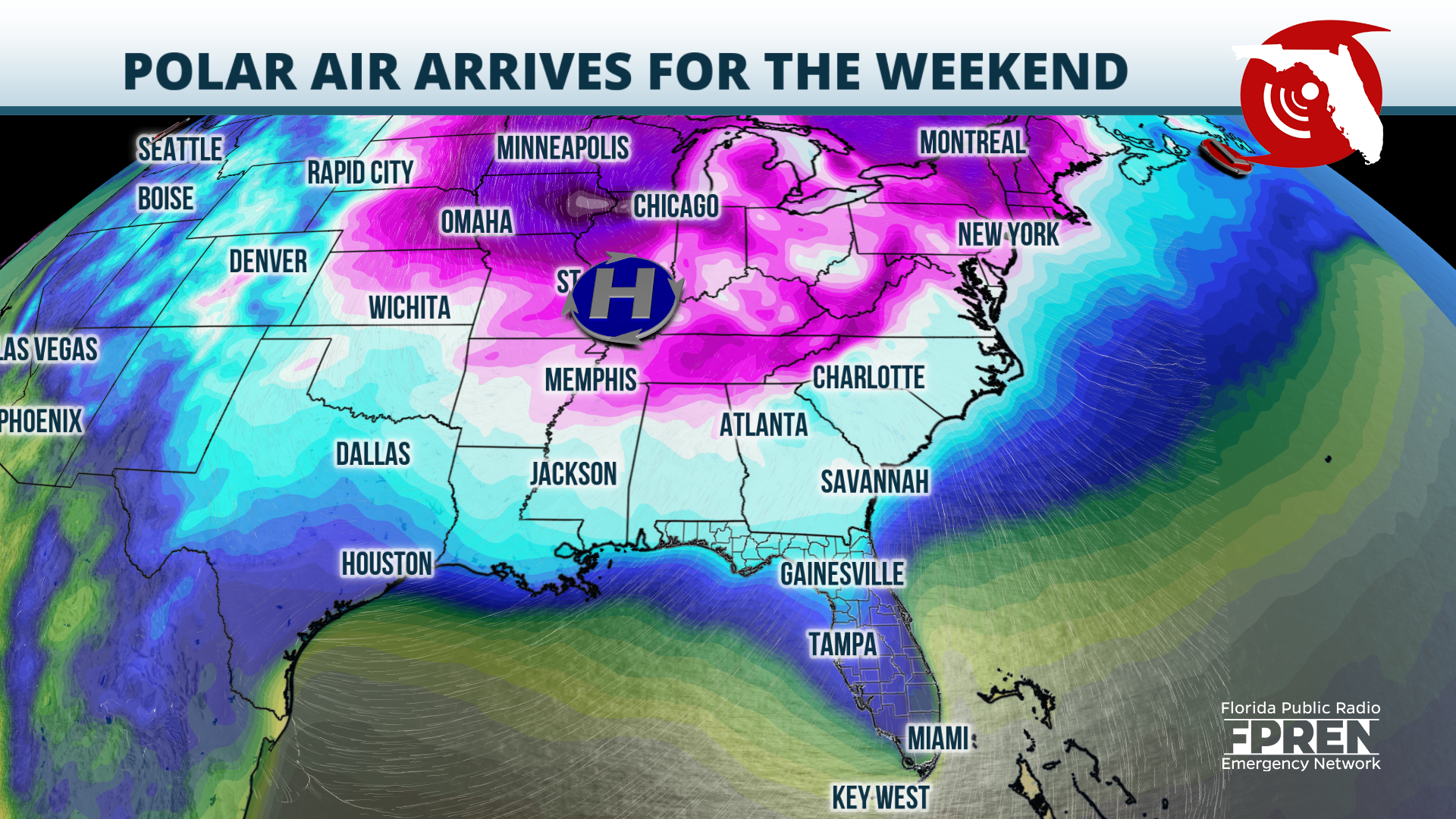
When El Niño is active, it typically shifts the jet stream further south over the United States, drawing more moisture and cooler air masses into Florida. This usually translates into increased rainfall and a higher likelihood of cold fronts pushing through the state. However, it’s essential to clarify what “cooler” means in a Florida context. While residents and long-term visitors might consider a consistent run of 50-60°F (10-15°C) days and nights in the 30s-40s°F (0-10°C) to be “cold,” this is still significantly milder than the freezing temperatures and snow experienced elsewhere.
Forecasting agencies, such as the National Oceanic and Atmospheric Administration (NOAA) and its Climate Prediction Center, continuously monitor these patterns. For winter 2024, there is a strong consensus that El Niño conditions are either present or highly likely to develop and persist through the season. This increases the probability of Florida experiencing temperatures that are slightly below average and rainfall that is above average. While this doesn’t guarantee a “cold” winter in the traditional sense, it does suggest visitors might encounter more days requiring a light jacket or sweater, and perhaps fewer uninterrupted days of intense sunshine ideal for sunbathing.
Regional Climate Variations
Florida is a geographically diverse state, stretching over 400 miles from its northern border to the southernmost tip of the Florida Keys. Consequently, the impact of any cold weather system varies significantly across its regions.
The Florida Panhandle, including cities like Pensacola and Tallahassee, is generally the coolest part of the state. Its proximity to mainland cold fronts means it experiences more pronounced temperature drops and a greater chance of freezing conditions. If winter 2024 trends colder, this region will feel it most acutely.
Central Florida, home to Orlando and Tampa, typically enjoys milder winters. While cold fronts can bring temperatures down into the 40s°F (4-9°C), especially at night, daytime highs usually rebound into the 60s°F (15-20°C). Even with an El Niño influence, prolonged freezing weather is uncommon, though overnight frosts are possible in outlying areas.
South Florida, encompassing vibrant cities like Miami, Fort Lauderdale, and the tropical paradise of Key West, remains the warmest region. Here, even during a “cold” winter, temperatures rarely dip below 50°F (10°C) during the day, with night-time lows perhaps reaching the 40s°F (4-9°C) on occasion. Freezing temperatures are exceedingly rare. This makes South Florida a reliably warmer option for those seeking maximum warmth, even in a potentially cooler year. Travelers planning their destinations should consider these regional differences carefully, aligning their desired level of warmth with the geographical realities of the state.
Impact on Travel, Tourism, and Lifestyle
The prospect of a cooler winter in Florida naturally raises questions for travelers, affecting everything from packing lists to activity choices and overall holiday experiences. The state’s robust tourism infrastructure, however, is well-equipped to adapt.
The Snowbird Migration and Beach Expectations
Each winter, Florida experiences the “snowbird” migration, as millions from colder climates flock south seeking sunshine and warmth. For many, the quintessential Florida winter involves lounging on pristine beaches, soaking up the sun, and swimming in the Atlantic or Gulf waters. If winter 2024 proves cooler, this might necessitate a slight adjustment to beach expectations.
While beaches like South Beach in Miami, or the shores of Sarasota and Naples, will still be beautiful, continuous sunbathing might be less comfortable on days with brisk winds or temperatures in the 60s°F (15-20°C). Swimming in the ocean could feel chilly, though heated resort pools often offer a pleasant alternative. Visitors should plan for more walks along the shore, shell collecting, or simply enjoying the ocean views bundled in a light sweater, rather than expecting every day to be a full-on beach day. For destinations like Key West, which often boasts the warmest temperatures, the impact might be minimal, perhaps just a slightly cooler evening breeze at the Key West Historic Seaport.
Theme Park Adventures and Outdoor Activities
Central Florida is synonymous with theme parks, drawing millions to Walt Disney World Resort and Universal Orlando Resort in Orlando. Cooler temperatures often bring advantages to theme park visitors: lower humidity, fewer crowds (especially on cooler days), and a more comfortable experience for walking extended distances. However, water parks (like Disney’s Typhoon Lagoon or Universal’s Volcano Bay) may have reduced operating hours or even temporary closures on particularly cold days. Attractions involving water rides might also be less appealing.
For other outdoor activities, a cooler winter can be a blessing. Golfing, hiking, biking, and exploring natural areas like Everglades National Park or Big Cypress National Preserve become far more pleasant without the intense heat and humidity of summer. Wildlife viewing, particularly of manatees gathering in warmer spring waters, is also at its peak during cooler months. Activities such as fishing, kayaking, or paddleboarding remain viable, perhaps just requiring an extra layer of clothing.
Cultural Immersion and Local Experiences
A cooler forecast might encourage travelers to explore Florida’s rich cultural scene, diverse culinary offerings, and historical landmarks. Cities like St. Augustine, the nation’s oldest continuously inhabited European-established settlement, offer a treasure trove of history, from the imposing Castillo de San Marcos to charming colonial streets. These are perfect for exploration on cooler days.

Miami’s vibrant Art Deco Historic District, world-class museums, and diverse neighborhoods like Little Havana or Wynwood offer endless opportunities for cultural immersion. St. Petersburg boasts a burgeoning arts scene and impressive museums, while Sarasota is home to the spectacular Ringling Museum of Art. A focus on these indoor and less weather-dependent attractions can enrich your Florida experience, proving that the state offers much more than just its beaches and theme parks. Food tours, exploring local markets, or simply enjoying a meal at an outdoor cafe with a pleasant breeze can become highlights of your trip.
Navigating Accommodation and Planning Your Florida Escape
Regardless of the winter forecast, Florida remains an incredibly popular destination, meaning careful planning for accommodation and activities is always advised. A potentially cooler winter may introduce new considerations for travelers.
Hotels, Resorts, and Vacation Rentals
Florida offers a vast array of accommodation options, from luxury resorts and boutique hotels to sprawling vacation villas and cozy apartments. If a cooler winter materializes, certain amenities might become more desirable. Properties featuring heated pools, hot tubs, or extensive indoor facilities like spas, fitness centers, or indoor entertainment options could see increased demand. Travelers seeking long-term stays, particularly snowbirds, might prioritize units with comfortable heating systems.
Areas known for their warmth, such as South Florida and the Florida Keys, might experience sustained high demand as visitors gravitate towards the mildest temperatures. Conversely, some destinations in Central Florida or the Florida Panhandle might offer slightly more competitive pricing on certain dates if beach-centric tourism takes a minor hit. It’s always wise to research specific property amenities and read recent reviews, paying attention to how previous guests enjoyed their stay during cooler periods.
Budgeting and Booking Strategies
Given Florida’s enduring popularity as a winter destination, booking your accommodation and flights well in advance is paramount, especially for peak travel periods around holidays like Christmas, New Year’s, and Spring Break. Even if the winter is cooler, demand from those escaping extreme cold elsewhere typically remains high.
To optimize your budget, consider traveling during slightly off-peak weeks within the winter season, such as early December or late January. Utilizing comparison websites for hotels, resorts, and vacation rentals can help you find the best deals. Don’t forget to check the cancellation policies carefully, offering flexibility in case weather forecasts change dramatically or personal plans shift. For those on a tighter budget, exploring various accommodation types beyond traditional hotels, such as guesthouses or extended-stay apartments, might yield significant savings.
Lifestyle Adjustments for Visitors
Preparing for a potentially cooler Florida winter involves smart packing and a flexible mindset. The key is layers. While you might still enjoy pleasant sunny afternoons, mornings and evenings can be brisk. Pack lightweight sweaters, long-sleeved shirts, a comfortable jacket, and perhaps even a pair of jeans alongside your swimsuits and shorts. Comfortable walking shoes are a must, regardless of the weather.
It’s also important to check local weather forecasts daily, as Florida weather can be changeable, especially in winter. Be open to adjusting your daily itinerary based on the temperature. A cooler day might be perfect for visiting a museum or a botanical garden, while a sunny, warmer day could be ideal for a beach outing or a round of golf. Embrace the local wisdom: many Floridians cherish the “cold” (read: mild) winter days as a refreshing change, offering a comfortable environment for outdoor activities without the summer’s oppressive heat.
Top Florida Destinations: Winter Experiences
Florida’s diverse geography ensures a variety of winter experiences, even in a cooler season. Each region offers unique attractions that can be enjoyed regardless of the exact temperature.
South Florida: Sun, Culture, and Urban Appeal
The southernmost reaches of Florida consistently offer the warmest winter temperatures. Miami and Fort Lauderdale on the Gold Coast remain vibrant hubs of activity. Here, you can still find days warm enough for the beach, especially in Miami, but a cooler trend might encourage exploring beyond the sand. Dive into the art scene in Wynwood, explore the iconic architecture of the Art Deco Historic District, or savor the Latin flavors of Little Havana. Take a scenic drive through the Florida Keys to Key West, where the atmosphere is perpetually relaxed, and attractions like the Dry Tortugas National Park or the Key West Historic Seaport are delightful to visit without the peak summer heat. Even on cooler days, Biscayne National Park offers stunning marine exploration opportunities.
Central Florida: Theme Parks and Beyond
Orlando remains the theme park capital, and cooler winter weather can actually enhance the experience by reducing overheating and humidity. Beyond Walt Disney World Resort and Universal Orlando Resort, Central Florida offers a wealth of other attractions. Visit the Kennedy Space Center Visitor Complex for an inspiring day of space exploration. Explore the charming towns around Orlando like Winter Park, or discover Florida’s natural springs, many of which maintain a constant comfortable temperature year-round and are home to manatees seeking warmer waters. Busch Gardens Tampa Bay in nearby Tampa offers another thrilling park experience.
Gulf Coast Gems: Serenity and Nature
Southwest Florida’s Gulf Coast, encompassing destinations like Sarasota, St. Petersburg, Naples, and Fort Myers, is celebrated for its calmer waters, stunning sunsets, and rich cultural offerings. The cooler weather is ideal for exploring the Ringling Museum of Art in Sarasota or the vibrant downtown areas of St. Petersburg and Naples. The barrier islands of Sanibel Island and Captiva Island are world-renowned for shelling, an activity perfectly suited for a pleasant, cooler day. Birdwatching and nature walks are also popular here, offering a serene escape.
Northeast Florida: History and Coastal Charm
Northeast Florida combines rich history with beautiful coastal landscapes. St. Augustine, the oldest city in the U.S., is a must-visit. Its historic streets, colonial architecture, and landmarks like the Castillo de San Marcos are incredibly enjoyable to explore on foot, especially when the weather is crisp. Further north, Amelia Island offers a charming blend of Victorian architecture, pristine beaches, and elegant resorts. Even if cooler, the atmosphere for leisurely strolls, boutique shopping, and historical tours in this region remains wonderfully inviting. Jacksonville, as the largest city, offers a mix of urban attractions and expansive beaches.
In conclusion, while a definitively “cold” winter in Florida (by northern standards) is unlikely for 2024, the presence of El Niño conditions suggests a higher probability of cooler and wetter-than-average temperatures. This means travelers should expect more days requiring a light jacket or sweater, particularly in the mornings and evenings, and be prepared for potential rainfall. However, Florida’s inherent warmth and vast array of attractions ensure that it remains an incredibly compelling winter destination. By embracing the regional variations, considering indoor or less weather-dependent activities, and planning your accommodation and packing thoughtfully, you can guarantee a memorable and enjoyable escape, proving that even a “cooler” Florida winter is still a delightful reprieve from the chill.
LifeOutOfTheBox is a participant in the Amazon Services LLC Associates Program, an affiliate advertising program designed to provide a means for sites to earn advertising fees by advertising and linking to Amazon.com. Amazon, the Amazon logo, AmazonSupply, and the AmazonSupply logo are trademarks of Amazon.com, Inc. or its affiliates. As an Amazon Associate we earn affiliate commissions from qualifying purchases.