
For many, the very mention of lavender conjures images of rolling purple fields under the Mediterranean sun, the air thick with its distinctive, calming aroma. It’s a plant synonymous with serenity, beauty, and therapeutic properties, making lavender farms popular agritourism destinations across temperate regions worldwide. However, the quintessential lavender growing zones often seem a world away from the subtropical humidity and sandy soils of the Sunshine State. The question “Will lavender grow in Florida?” is therefore not just a horticultural query but also one with significant implications for local tourism, agricultural diversification, and the potential for new, unique visitor experiences.
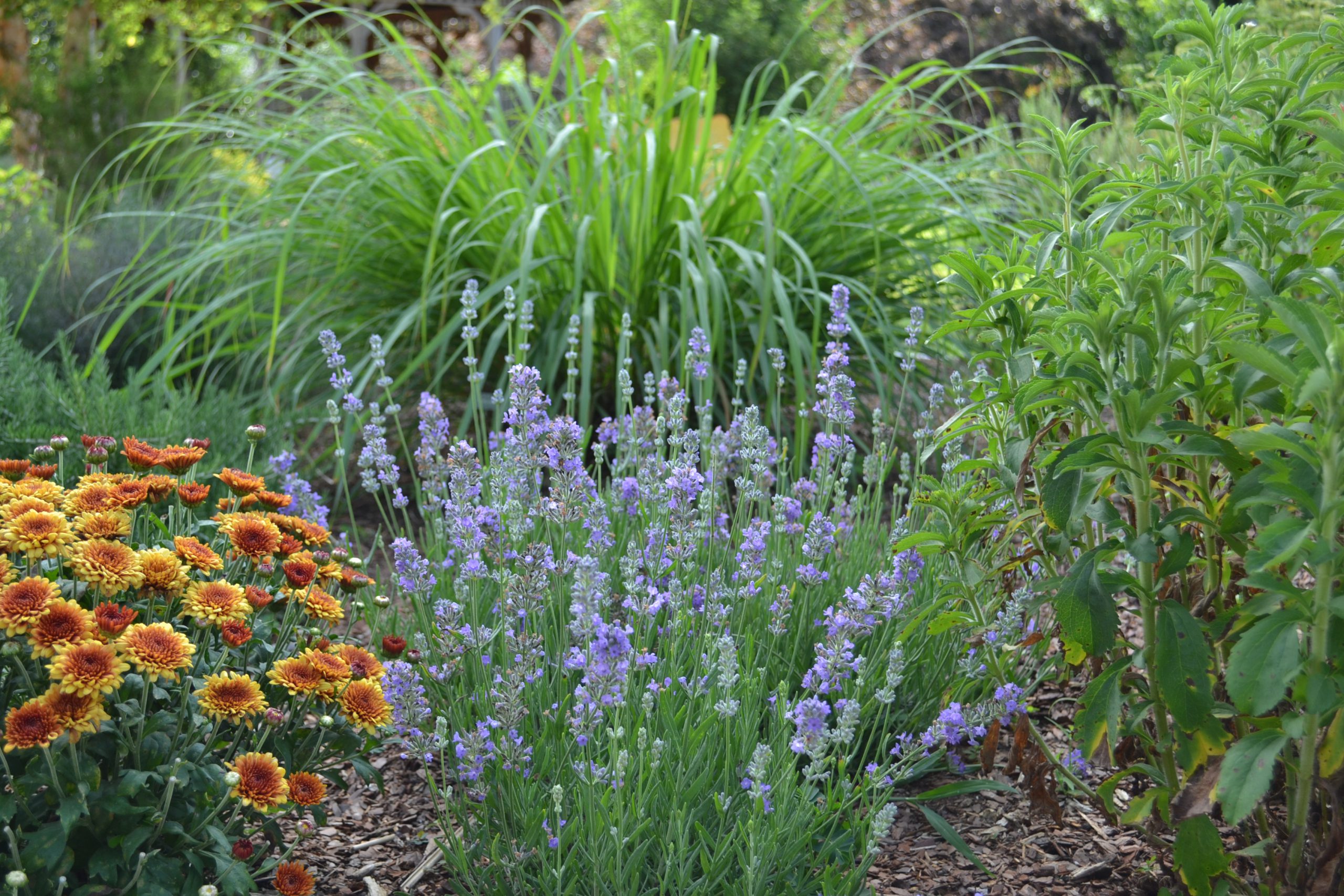
This article delves into the viability of cultivating lavender in Florida, exploring the unique challenges and innovative approaches that could pave the way for a budding lavender industry. More importantly, it examines the exciting prospects this holds for Florida’s tourism sector, offering a fresh perspective on agritourism and local cultural enrichment beyond the state’s traditional attractions.
The Horticultural Conundrum: Lavender’s Requirements vs. Florida’s Climate
Growing lavender successfully requires a specific set of environmental conditions that often stand in stark contrast to Florida’s natural environment. Understanding these differences is crucial to appreciating the innovative spirit driving attempts to cultivate this beloved herb in the state.
Sunshine, Soil, and Subtropical Swelter
Lavender thrives in full sun, well-drained soil, and a temperate climate with distinct seasons, including a period of cool dormancy. Its native habitat, primarily the Mediterranean region, provides these ideal conditions: ample sunshine, alkaline to neutral soil, and relatively dry heat with mild winters.
Florida, while certainly abundant in sunshine, presents a different set of challenges. The state’s climate is predominantly subtropical to tropical, characterized by high humidity, intense summer heat, and often heavy rainfall. These conditions are typically anathema to most traditional lavender varieties.
- Humidity: High humidity is lavender’s nemesis. It promotes fungal diseases, particularly root rot, which can quickly decimate plants. Florida‘s consistently high ambient humidity, especially during the long summer months, makes disease management a constant battle.
- Soil Drainage: While some parts of Florida have sandy soils that can offer good drainage, many areas have heavy clay or mucky soils that retain too much moisture. Lavender absolutely requires excellent drainage to prevent its roots from sitting in water. Furthermore, Florida’s soils tend to be acidic, whereas lavender prefers slightly alkaline conditions.
- Heat Tolerance: Most common lavender varieties, such as English lavender (Lavandula angustifolia), struggle with extreme heat and can quickly “melt” or die back in Florida’s prolonged hot summers, especially without a cool dormancy period.
- Rainfall: Florida’s rainy season often coincides with its hottest and most humid months, exacerbating issues with soil moisture and fungal diseases.
These factors combine to create a formidable challenge for anyone hoping to establish a lavender field in Florida that mirrors the iconic landscapes of Provence or the Pacific Northwest.
Pioneering Lavender Cultivation: Adaptations and Emerging Successes
Despite the significant climatic hurdles, a small but determined community of growers in Florida is proving that cultivating lavender, at least certain varieties, is not an impossible dream. Their efforts are not only pushing horticultural boundaries but also laying the groundwork for exciting new agritourism opportunities.
Selecting the Right Varieties: A Key to Success
The most critical adaptation for growing lavender in Florida is the careful selection of heat-tolerant and humidity-resistant varieties. Traditional English lavenders are largely unsuitable, but other species offer more promise.
- Lavandula dentata (French Lavender): This variety, known for its toothed leaves and relatively good heat tolerance, has shown some success in Florida gardens. It can withstand more humidity than English types but still requires excellent drainage.
- Lavandula stoechas (Spanish Lavender): Similar to French lavender, Spanish lavender is more accustomed to warmer climates and can be a viable option, though still demanding careful site selection.
- Lavandula × intermedia (Lavandins): Hybrids like ‘Phenomenal’ have been specifically bred for increased heat and humidity tolerance, showing resilience in regions previously thought unsuitable for lavender. These larger plants produce abundant flowers and are often used for essential oil production.
- Other Hybrids and Species: Growers are continually experimenting with lesser-known species and new hybrids that might possess the genetic traits needed to thrive in Florida’s challenging environment.
Innovative Growing Techniques
Beyond variety selection, Florida lavender growers are employing specialized techniques to mitigate the environmental challenges.
- Raised Beds and Soil Amendments: To combat poor drainage and acidic soil, many growers utilize raised beds filled with a custom-blended mix of sand, perlite, and compost to ensure sharp drainage and optimal pH. This mimics the sandy, rocky slopes of lavender’s native habitat.
- Strategic Irrigation: While lavender needs water, it detests “wet feet.” Growers must be meticulous with irrigation, ensuring plants receive just enough water without becoming waterlogged. Drip irrigation systems are often preferred for their efficiency and ability to deliver water directly to the root zone, minimizing leaf wetness and fungal issues.
- Air Circulation and Pruning: Good air circulation is vital to combat humidity. Strategic spacing of plants and regular pruning help to maintain an open canopy, allowing air to move freely around the plants and reduce fungal growth.
- Shade Management: While lavender loves sun, the intense afternoon sun in Florida can be too much for some varieties. Partial afternoon shade or strategically placed shade cloth during the hottest months can help plants survive and thrive.
These adaptations, though demanding, are yielding promising results. Small-scale lavender farms and nurseries are beginning to emerge, particularly in North Florida, where the climate offers slightly cooler winters and less intense humidity than the southern regions of the state. These pioneering efforts are demonstrating that a Florida lavender industry, while specialized, is indeed possible.
Lavender and Florida Tourism: Cultivating New Experiences

The successful cultivation of lavender in Florida has the potential to add a vibrant new dimension to the state’s already diverse tourism landscape. Beyond theme parks and beaches, agritourism offers visitors a chance to connect with local agriculture, enjoy unique sensory experiences, and support sustainable local economies.
The Agritourism Appeal of Lavender Farms
Lavender farms are inherently attractive to tourists. They offer:
- Scenic Beauty: Fields of purple, even if smaller than those in Provence, provide stunning backdrops for photography and a peaceful escape from urban environments.
- Sensory Experiences: The intoxicating aroma of lavender, coupled with the visual appeal of the flowers, creates a multi-sensory experience that is both relaxing and invigorating.
- Educational Opportunities: Visitors can learn about the plant’s history, its cultivation, and the process of distilling essential oils or crafting lavender products.
- Hands-on Activities: Many lavender farms offer “U-pick” experiences, allowing visitors to harvest their own lavender bundles, or workshops on making lavender sachets, soaps, or culinary treats.
- Farm Stores and Local Products: On-site boutiques selling lavender-infused products—from essential oils and lotions to culinary herbs, honey, and teas—provide unique souvenirs and support local artisans. This directly contributes to the local economy and offers tourists authentic Florida-made goods.
For Florida, a burgeoning lavender industry could diversify its tourism offerings, attracting visitors interested in eco-tourism, sustainable agriculture, and wellness travel. Imagine a visitor’s itinerary that includes a morning at a lavender farm in Gainesville or Ocala, followed by an afternoon at a local springs, offering a distinctly different “Florida experience.”
Integrating Lavender into Florida’s Cultural Fabric
Beyond standalone farms, lavender cultivation can organically integrate into Florida’s existing tourism and cultural events.
- Local Markets and Festivals: Lavender products can become staples at farmers’ markets, craft fairs, and food festivals across the state, adding a unique aromatic and flavorful dimension. Imagine lavender-infused honey at the Winter Park Farmers’ Market or lavender lemonade at a St. Augustine arts festival.
- Culinary Tourism: Lavender is increasingly used in gourmet cooking. Florida restaurants could feature lavender in their menus, from savory dishes to desserts, offering an innovative twist on local cuisine. This attracts foodies seeking novel flavors and experiences.
- Wellness and Spa Tourism: Given lavender’s renowned calming properties, Florida’s numerous resorts and spas could source local lavender for their aromatherapy treatments, massages, and bath products, enhancing the authentic “local wellness” experience.
- Gardens and Public Spaces: As more heat-tolerant varieties become readily available, lavender could be incorporated into public gardens, botanical parks (like Marie Selby Botanical Gardens in Sarasota), and even resort landscapes, enhancing their beauty and fragrance for residents and tourists alike.
The success of a lavender industry in Florida is not just about growing the plant; it’s about cultivating an entire ecosystem of related activities and products that enrich the visitor experience and strengthen local economies. It represents a shift towards offering more niche, experiential, and authentic attractions that appeal to a growing demographic of travelers.
Practical Tips for Experiencing and Supporting Florida Lavender
For tourists intrigued by the prospect of lavender in Florida, and for residents interested in supporting this nascent industry, there are several avenues to explore.
Discovering Florida’s Emerging Lavender Destinations
While not yet as ubiquitous as orange groves, dedicated lavender farms are slowly but surely establishing themselves, particularly in the cooler, drier central and northern parts of the state.
- Research Before You Go: Before planning a trip specifically for lavender, it’s advisable to research current operating farms in Florida. Many operate seasonally or by appointment only. Websites of local agricultural associations or agritourism guides for regions like North Central Florida or the Panhandle are good starting points.
- Visit Local Farmers’ Markets: Even if a dedicated farm visit isn’t feasible, many smaller growers and artisans sell lavender products at local farmers’ markets. This is an excellent way to discover Florida-grown lavender and related crafts.
- Attend Local Agricultural Events: Keep an eye out for agricultural fairs or plant festivals in Florida. These events often feature local growers and provide opportunities to learn about and purchase regional specialties, including lavender.
Supporting these local businesses is crucial for the growth of Florida’s agritourism sector and helps demonstrate demand for such unique offerings.
Considerations for the Aspiring Florida Lavender Enthusiast
For residents inspired to try growing lavender and potentially contribute to the local scene, here are some key considerations:
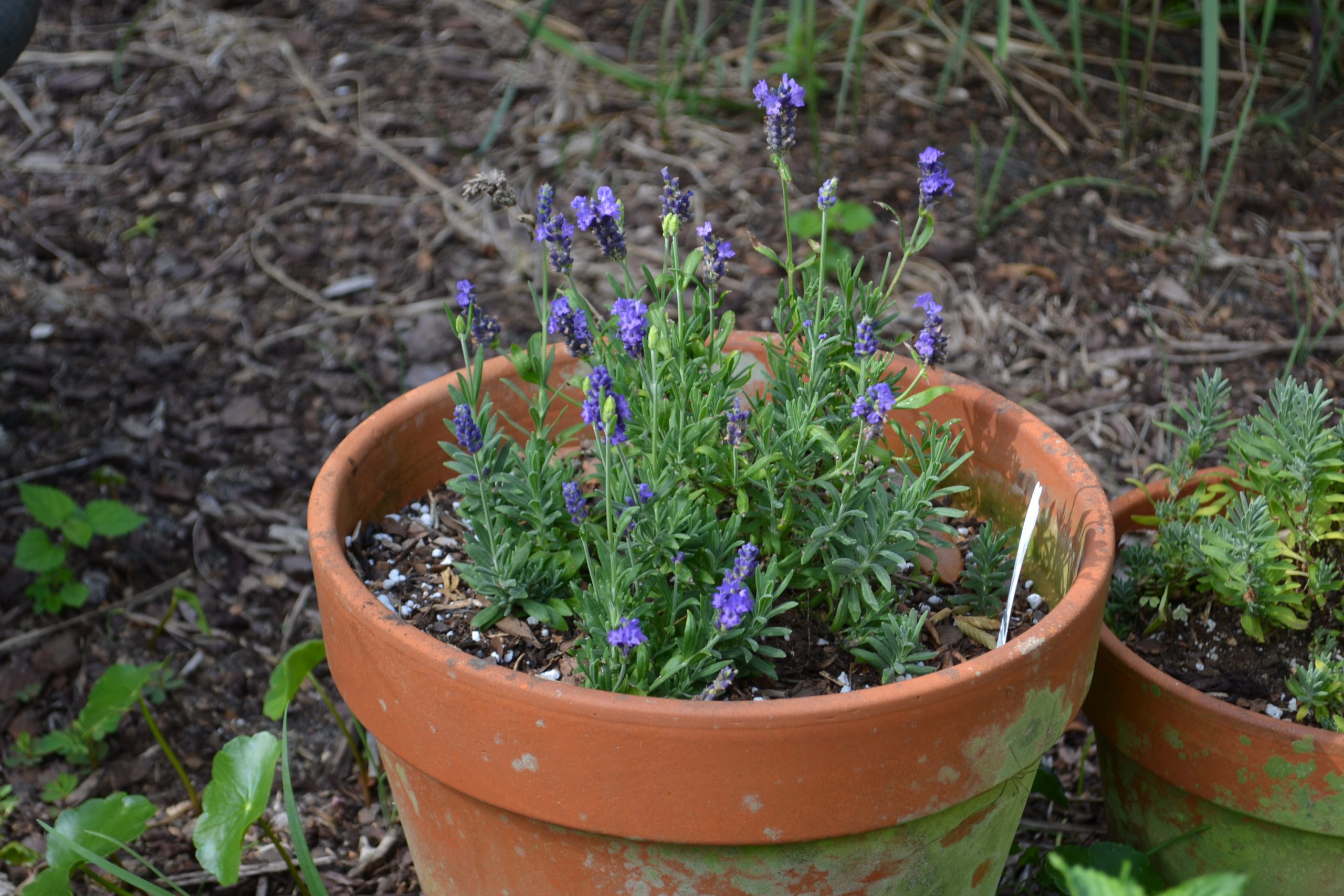
- Start Small and Select Wisely: Begin with a few plants of a proven heat-tolerant variety (Lavandula dentata or ‘Phenomenal’ are good starting points).
- Prioritize Drainage: Plant in raised beds or containers with an extremely well-draining soil mix. Consider adding grit or perlite to standard potting soil.
- Mind the Moisture: Water sparingly and allow the soil to dry out between waterings. Overhead irrigation should be avoided, especially in humid conditions.
- Location, Location, Location: Choose a spot that receives at least 6-8 hours of direct sunlight, but also consider afternoon shade during the peak summer months, especially in South Florida. Good air circulation is paramount.
- Soil pH: Conduct a soil test to determine pH. Lavender prefers slightly alkaline to neutral soil (pH 6.5-7.5). Florida’s naturally acidic soils may require amendments like agricultural lime.
- Pruning is Essential: Regular pruning helps maintain plant shape, promotes new growth, and encourages better air circulation, all vital for longevity in Florida’s climate.
The journey to establish lavender in Florida is one of patience, innovation, and a deep understanding of horticulture.
In conclusion, the answer to “Will lavender grow in Florida?” is a nuanced but increasingly optimistic “yes,” with significant caveats regarding variety selection and cultivation techniques. While Florida may never rival the sprawling lavender fields of Provence, the determined efforts of local growers are paving the way for a specialized, emerging lavender industry. This development promises not only agricultural diversification but also a unique and aromatic enhancement to Florida’s vibrant tourism landscape, offering visitors a fresh perspective on local culture, activities, and authentic experiences beyond the familiar. The scent of lavender is slowly but surely finding its place in the Sunshine State, inviting tourists to discover a new kind of Florida magic.
LifeOutOfTheBox is a participant in the Amazon Services LLC Associates Program, an affiliate advertising program designed to provide a means for sites to earn advertising fees by advertising and linking to Amazon.com. Amazon, the Amazon logo, AmazonSupply, and the AmazonSupply logo are trademarks of Amazon.com, Inc. or its affiliates. As an Amazon Associate we earn affiliate commissions from qualifying purchases.