
When you’re planning a trip to the vast and diverse state of Texas, you might be thinking about accommodation options, from charming boutique hotels in Austin to luxurious resorts near the Gulf Coast. The idea of finding a place to stay often brings to mind booking platforms, reviews, and the comfort of a well-appointed suite or a spacious villa. However, the question of “squatters rights” is a legal concept that, while not directly related to typical tourist stays, can be relevant in certain long-term accommodation scenarios or property-related discussions. Understanding this aspect of Texas law can be a point of curiosity, especially for those who are considering extended stays or investments in the Lone Star State.

The term “squatters rights” generally refers to the legal principle of adverse possession. This concept allows a person who possesses another’s land for a specific period, without the owner’s permission but openly and notoriously, to potentially gain legal title to that property. It’s a legal doctrine that has roots in common law and exists in various forms across United States jurisdictions, including Texas. However, it’s crucial to understand that these rights are far from automatic and involve a complex set of legal requirements that must be met. This article will delve into the nuances of adverse possession in Texas, clarifying what it entails and how it differs from simple trespassing or unauthorized occupation.
Understanding Adverse Possession in Texas
In Texas, the legal framework governing adverse possession is primarily found within the Texas Civil Practice and Remedies Code. Unlike a simple landlord-tenant relationship, adverse possession is not about a lease agreement or a hotel booking. It’s a legal claim that can arise when someone occupies land that is not legally theirs, but does so in a manner that, over a statutory period, can lead to ownership. This is a concept that often sparks curiosity, particularly for individuals interested in property law, real estate investment, or even just the unique legal landscape of a state like Texas.
The core idea behind adverse possession is to encourage the productive use of land and to resolve ownership disputes after a significant period of time. The law essentially presumes that if an owner neglects their property for an extended duration, and another individual openly and continuously uses it as if it were their own, then legal title might eventually transfer. However, the hurdles to successfully claiming adverse possession are substantial and designed to protect property owners from casual encroachment.
The Statutory Requirements for Adverse Possession in Texas
To establish a claim of adverse possession in Texas, a claimant must prove several key elements. These are not mere suggestions; they are stringent legal requirements that must be satisfied for the entire statutory period. Failure to meet even one of these conditions can invalidate the claim.
Open and Notorious Possession
The possession of the property must be “open and notorious.” This means that the claimant’s occupation of the land must be visible and obvious to the true owner and the public. It should not be secretive or hidden. For example, building structures, fencing the property, cultivating the land, or making visible improvements would be considered open and notorious. The owner should be able to see that someone is occupying and using their land. This element ensures that the true owner has a reasonable opportunity to become aware of the adverse possession.
Continuous Possession
The possession must be continuous for the entire statutory period. This means uninterrupted possession. Sporadic or occasional use is not sufficient. The claimant must occupy the property consistently, as a typical owner would. The specific duration required for continuous possession in Texas varies depending on the type of claim and whether the claimant has “color of title.”
Exclusive Possession
The claimant must possess the property exclusively. This means that the claimant is the only one using the property, and they are not sharing possession with the true owner or other members of the public. If the true owner also uses the property, or if the general public has free access to it, the possession is not exclusive.
Hostile Possession (Claim of Right)
This is often the most misunderstood element. “Hostile” in this context does not necessarily mean aggressive or confrontational. It means that the possession must be without the true owner’s permission. If the owner has given the claimant permission to use the property (e.g., through a lease or license), then the possession is not hostile, and adverse possession cannot be claimed. The claimant must be asserting a claim of right to the property, even if that claim is ultimately unfounded.
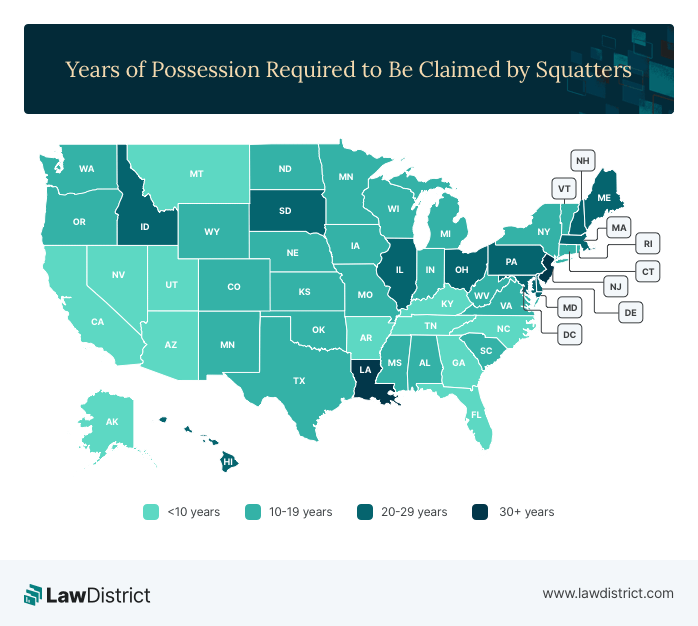
Adverse Possession with Color of Title vs. Without Color of Title
Texas law distinguishes between adverse possession claims made with “color of title” and those made without it.
Adverse Possession with Color of Title
“Color of title” refers to a document that appears to convey title to the property but is actually defective. This could be an invalid deed, a fraudulent will, or other legal instrument that purports to give the claimant ownership.
If a claimant has color of title and pays all taxes on the property for at least five consecutive years, they can establish adverse possession after five years. This shortened period is a significant advantage for claimants who can demonstrate this specific legal condition. The “payment of taxes” element is crucial here and requires meticulous record-keeping.
Adverse Possession Without Color of Title
If a claimant does not have color of title, the statutory period for adverse possession in Texas is much longer: ten years. During this ten-year period, the claimant must satisfy all the other elements of adverse possession (open, notorious, continuous, exclusive, and hostile possession). Furthermore, they must also show that they have “paid the assessed property taxes” on the property for each of the ten years. This is a particularly demanding requirement, as it implies that the claimant is not only occupying the land but is also fulfilling the financial obligations typically associated with property ownership.
Distinguishing Squatters Rights from Tenant Rights and Trespassing
It’s vital to differentiate adverse possession from other forms of occupancy. The concept of “squatters rights,” as commonly understood, is rooted in adverse possession. It is not about individuals who simply rent an apartment in Dallas and decide to stop paying rent, nor is it about someone who briefly camps on vacant land.
Tenant Rights
Tenant rights, typically governed by landlord-tenant laws, are based on a contractual agreement, such as a lease. A tenant pays rent, has a legal right to occupy the property under the terms of the lease, and is protected by laws that outline the eviction process. The landlord cannot simply remove a tenant without due legal process. This is a legitimate occupancy, unlike adverse possession, which arises from an unauthorized occupation.
Trespassing
Trespassing occurs when someone enters or remains on another person’s property without permission. Unlike adverse possession, trespassing does not involve a claim of right or the intention to possess the property permanently. A trespasser can be asked to leave immediately and may face legal penalties, such as fines or even arrest, if they refuse. Adverse possession, on the other hand, requires a continuous, open, and hostile occupation over a statutory period, with the ultimate goal of acquiring title.

Implications for Property Owners and Travelers
For property owners in Texas, understanding the tenets of adverse possession is crucial for protecting their real estate assets. Regular inspection of properties, especially vacant ones, is recommended. Promptly addressing any unauthorized occupation and taking legal action if necessary can prevent claims of adverse possession from arising.
For travelers considering long-term stays in Texas, whether in an apartment in Houston or a rental property near San Antonio, it is imperative to ensure that their occupancy is legal and based on a clear agreement, such as a lease or rental contract. Engaging in any form of unauthorized occupation of property, even with the mistaken belief of acquiring rights through extended stay, could lead to legal trouble and severe consequences. The focus for travelers should always be on legitimate accommodation booked through reputable channels, enjoying the diverse attractions and local culture that Texas has to offer, from the historic Alamo to the vibrant music scene of Austin.
In conclusion, while Texas does have a legal doctrine akin to “squatters rights” known as adverse possession, it is a complex legal process with stringent requirements. It is not a simple matter of occupying a property for an extended period. The intent and nature of the occupation, coupled with statutory timeframes and the fulfillment of specific legal conditions, are paramount. For anyone considering property ownership, long-term rental, or simply planning a visit to explore the rich tapestry of Texas, understanding these legal distinctions is essential.
LifeOutOfTheBox is a participant in the Amazon Services LLC Associates Program, an affiliate advertising program designed to provide a means for sites to earn advertising fees by advertising and linking to Amazon.com. Amazon, the Amazon logo, AmazonSupply, and the AmazonSupply logo are trademarks of Amazon.com, Inc. or its affiliates. As an Amazon Associate we earn affiliate commissions from qualifying purchases.