
The question of when Florida will legalize recreational cannabis is one that resonates far beyond political circles, directly impacting the state’s colossal tourism industry. As a premier global destination, Florida constantly seeks new avenues to attract visitors and enhance their experience. The potential advent of legal adult-use cannabis presents both a significant opportunity and a unique set of challenges for a state that thrives on its image as a family-friendly, sun-drenched paradise. Understanding the current legislative climate, the economic implications, and the evolving tourist landscape is crucial for anyone anticipating a visit to the Sunshine State in the coming years. This isn’t just about a plant; it’s about a cultural shift that could redefine a significant facet of Florida’s tourism appeal.

The Shifting Sands of Cannabis Legislation in Florida
Florida’s journey with cannabis legislation has been marked by cautious progression, reflecting a national trend of re-evaluating cannabis’s place in society. From strict prohibition to the establishment of a robust medical marijuana program, the state has incrementally moved towards broader acceptance.
A Brief History of Medical Cannabis in the Sunshine State
The story of cannabis reform in Florida truly began with the compassionate use of low-THC cannabis in 2014, primarily for patients with specific debilitating conditions. This initial step, while limited, opened the door for further discussion. The real game-changer came in 2016 when Amendment 2, the “Florida Medical Marijuana Initiative,” was overwhelmingly approved by voters, garnering over 71% support. This amendment enshrined into the state constitution the right for qualifying patients to access medical marijuana, leading to the creation of a comprehensive regulatory framework for medical cannabis treatment centers (MMTCs). Today, Florida’s medical cannabis market is one of the largest and fastest-growing in the United States, serving hundreds of thousands of patients with a wide array of products. This established infrastructure provides a foundational blueprint, albeit a medical one, for how recreational legalization might eventually be implemented and managed within the state, impacting how future cannabis tourism might operate.
The Current Legal Landscape: Beyond Medical Use
While medical cannabis is firmly entrenched, adult-use recreational cannabis remains illegal in Florida. Possession of small amounts can lead to misdemeanor charges, fines, and even jail time, underscoring the stark difference between medical and recreational legality. However, the conversation around recreational legalization is far from dormant. Advocacy groups, industry stakeholders, and even some political figures are actively campaigning for a statewide ballot initiative. These efforts often frame legalization not just as a matter of personal liberty but as a significant economic opportunity, particularly for the tourism sector. The current landscape is a delicate balance of patient access, ongoing enforcement, and mounting pressure for broader reform, all of which influences how tourists perceive and plan their visits to the state. The contrast between Florida’s status as a medical cannabis haven and its prohibitionist stance on recreational use creates a unique tension, particularly for visitors accustomed to legal adult-use in their home states or other popular travel destinations.
The Potential Economic Windfall for Florida Tourism
The legalization of recreational cannabis in Florida is widely anticipated to usher in a new era of tourism, attracting a demographic previously untapped or underserved by the state’s traditional offerings. The economic implications for the Sunshine State are potentially vast, offering substantial new revenue streams and job creation.
Learning from Other Legal States: A Case Study in Tourism Growth
Across the United States, states that have legalized adult-use cannabis have consistently reported a notable boost in tourism. Colorado was one of the first to demonstrate this phenomenon. After legalization in 2014, Denver and other popular destinations saw an increase in visitor numbers, particularly those interested in cannabis-related experiences. Similarly, Nevada, specifically Las Vegas, quickly capitalized on its legal status, integrating cannabis dispensaries and consumption lounges into its entertainment-centric tourism model. California, with its already robust tourism, has also seen a rise in cannabis-friendly hotels, tours, and events. These states illustrate how legal cannabis can diversify a destination’s appeal, drawing in new visitors who might combine traditional sightseeing with curated cannabis experiences. Florida, with its existing massive tourism infrastructure, diverse attractions like Miami’s vibrant nightlife, Orlando’s theme parks, and Key West’s relaxed atmosphere, is exceptionally well-positioned to replicate and even surpass these successes. The existing framework of resorts and entertainment venues could easily adapt to include cannabis-friendly options, appealing to a segment of the population that prioritizes such amenities.
New Avenues for Tourist Experiences and Local Businesses
Legalization would unlock a myriad of new opportunities for both tourists and local businesses. For tourists, it could mean access to “cannabis tourism” packages, including dispensary tours, cannabis cooking classes, cannabis-infused spa treatments, and even designated cannabis-friendly accommodations. Imagine a visitor to Tampa being able to explore its craft beer scene alongside a burgeoning cannabis market, creating a unique dual-sensory experience. Local businesses, from boutique hotels to restaurants and tour operators, could develop specialized offerings. The creation of “cannabis lounges” or consumption-friendly spaces, similar to those found in Amsterdam or Las Vegas, would add a new dimension to Florida’s nightlife and entertainment options. Furthermore, the economic impact would extend beyond direct sales, fostering job growth in cultivation, processing, retail, and ancillary services like security, marketing, and hospitality. This economic diversification could prove particularly resilient, adding another layer of stability to Florida’s tourism-dependent economy.
Navigating the Legislative Pathway: What’s Next?
The path to adult-use cannabis legalization in Florida is complex, involving public sentiment, political maneuvering, and legal battles. While the economic arguments are compelling, overcoming legislative hurdles requires sustained effort and broad support.
Public Opinion vs. Political Will
Public opinion polls consistently show strong support for recreational cannabis legalization among Florida residents, often hovering around 60-70%. This widespread public backing suggests a clear mandate from the electorate. However, this popular sentiment often clashes with the political will of some state lawmakers and the executive branch, who may harbor reservations due to concerns about public health, safety, and potential societal impacts. This divergence creates a significant challenge for proponents of legalization. The political landscape in Florida is conservative, and even with popular support, passing such legislation through the state legislature can be an uphill battle. Consequently, the focus often shifts to alternative legislative mechanisms, primarily ballot initiatives, which allow citizens to bypass the legislature and vote directly on constitutional amendments. The tension between the will of the people and the cautious stance of elected officials is a defining feature of the current push for reform.
The Role of Ballot Initiatives and State Legislature
In Florida, constitutional amendments require 60% voter approval to pass, a high bar that the medical cannabis amendment successfully cleared. Currently, efforts are underway to get an adult-use cannabis initiative on a future ballot, collecting the millions of signatures required to qualify. If successful, such an initiative would represent the most direct route to legalization, effectively circumventing legislative resistance. The state legislature, while capable of passing its own cannabis laws, has historically shown little inclination to do so for recreational use, preferring to let the voters decide or maintain the status quo. However, the ongoing efforts to place an initiative on the ballot also create pressure on lawmakers, potentially prompting them to consider pre-emptive legislative action to shape the regulatory framework, should they see a ballot measure as inevitable. The timeline for legalization largely hinges on the success of these ballot initiatives, with proponents targeting upcoming general election cycles.
Anticipating the Tourist Experience Post-Legalization
Should recreational cannabis become legal in Florida, the tourist experience would undoubtedly evolve, presenting both new opportunities and considerations for visitors. The state’s diverse geography and existing tourism infrastructure offer fertile ground for innovative adaptations.
How Florida’s Diverse Destinations Could Adapt
Florida’s vast and varied landscape, from the metropolitan buzz of Miami to the family-centric resorts of Orlando and the laid-back charm of Key West, offers unique canvases for integrating cannabis tourism. In urban centers like Miami and Tampa, luxury hotels might introduce cannabis-friendly suites, while cultural districts could see the emergence of art galleries and music venues that allow on-site consumption. Orlando, known for its theme parks, would need to navigate the family-friendly image carefully, perhaps offering adult-only cannabis experiences separate from its core attractions, or focusing on high-end, discreet consumption options for parents. Coastal towns and beach destinations like those along the Emerald Coast could attract visitors seeking a more relaxed, wellness-oriented cannabis experience, perhaps through yoga retreats or wellness spas incorporating CBD and THC products. The key will be thoughtful zoning and distinct offerings that cater to different tourist demographics without alienating existing visitors. Each destination within Florida would likely carve out its own niche in the burgeoning cannabis tourism market, adding another layer of diversity to the state’s already rich tourism portfolio.
Responsible Tourism and Public Consumption Guidelines
A critical aspect of successful cannabis tourism will be the implementation of clear and responsible consumption guidelines. Just as with alcohol, public consumption of cannabis will likely be restricted, necessitating designated consumption areas or private settings. Tourists would need to be educated on the legal limits for possession, rules regarding driving under the influence, and purchasing age requirements. Resorts, hotels, and vacation rentals would face decisions regarding their own cannabis policies, similar to how they handle tobacco or alcohol. Some may become “cannabis-friendly,” offering designated smoking areas or allowing consumption in private rooms, while others may maintain a strict no-cannabis policy. The goal would be to integrate cannabis responsibly, ensuring it enhances the visitor experience without impinging on public safety or the enjoyment of others. This would involve a strong public information campaign aimed at both residents and tourists, emphasizing safe and legal consumption practices, crucial for maintaining Florida’s reputation as a welcoming destination for all.
The Evolution of “Things to Do” in Florida
With legalization, the very notion of “things to do” in Florida would expand. Beyond theme parks, beaches, and wildlife encounters, tourists could engage in unique cannabis-centric activities. Imagine culinary tours featuring cannabis-infused gourmet meals, or wellness retreats where cannabis is part of the holistic experience. Music festivals and art fairs might incorporate cannabis vendors and designated consumption zones, creating new cultural events. The state could also see a rise in “cannabis farms” opening their doors for agritourism, offering tours and educational experiences similar to wine vineyards. This evolution would not replace Florida’s existing attractions but complement them, providing another layer of leisure and entertainment, particularly for adult visitors seeking diverse experiences beyond the traditional. It positions Florida as a forward-thinking destination, capable of adapting to changing consumer preferences and offering a truly comprehensive holiday experience.
The Broader Social and Cultural Impact on Florida’s Identity
Beyond economics, the legalization of cannabis would instigate a broader social and cultural evolution within Florida, subtly reshaping its identity as a tourist destination and a place to live. Integrating cannabis into the state’s fabric requires careful consideration of its existing culture and how new elements can be woven in harmoniously.
Integrating Cannabis into Local Culture and Events
For a state that already embraces a vibrant festival scene and diverse cultural heritage, integrating cannabis into local culture and events would be a natural progression. Imagine film festivals in Miami sponsoring cannabis lounges, or music events near Tampa featuring local cannabis brands. This integration could lead to the emergence of distinct local cannabis cultures, much like how craft beer scenes have developed in various Florida cities. It’s not just about selling products but about creating experiences that resonate with the local vibe. Key West, with its famously tolerant and laid-back atmosphere, might become a pioneering hub for cannabis-friendly arts and music, further cementing its unique identity. This cultural shift would enhance Florida’s appeal to younger demographics and those seeking more alternative or nuanced travel experiences, moving beyond its traditional “sun and fun” image to one that is also sophisticated and modern.
Addressing Concerns and Ensuring a Smooth Transition
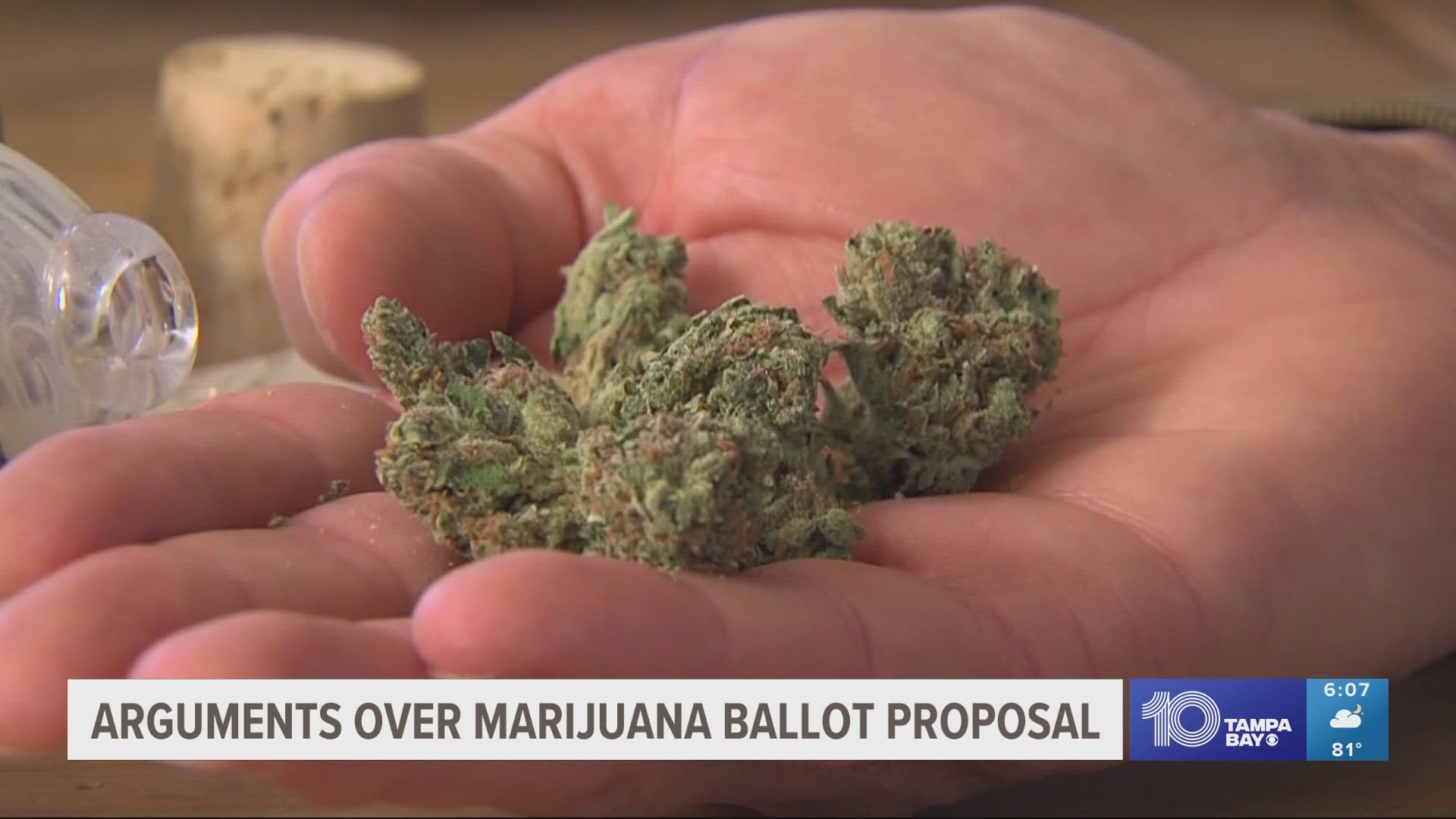
Any significant legislative change, especially one involving a previously prohibited substance, comes with legitimate concerns. Public health advocates, law enforcement, and parents often raise questions about youth access, impaired driving, and potential impacts on public safety. A smooth transition to legal adult-use cannabis would require comprehensive regulatory frameworks that address these concerns head-on. This includes strict age verification, robust public education campaigns on responsible use, clear enforcement mechanisms for impaired driving, and sensible zoning laws for dispensaries and consumption sites. Florida has the advantage of learning from other states’ experiences, allowing it to implement best practices and mitigate potential negative impacts. By proactively establishing clear rules and educational initiatives, the state can ensure that cannabis tourism develops responsibly, complementing rather than detracting from Florida’s existing appeal and ensuring a safe and enjoyable environment for all visitors and residents. The goal is to maximize the economic and cultural benefits while minimizing social costs, proving that Florida can indeed be both a family-friendly destination and a progressive state embracing modern trends.
LifeOutOfTheBox is a participant in the Amazon Services LLC Associates Program, an affiliate advertising program designed to provide a means for sites to earn advertising fees by advertising and linking to Amazon.com. Amazon, the Amazon logo, AmazonSupply, and the AmazonSupply logo are trademarks of Amazon.com, Inc. or its affiliates. As an Amazon Associate we earn affiliate commissions from qualifying purchases.