
The question of Puerto Rico’s political status has long been a defining element of its identity and a persistent topic of discussion for those who visit or live on the island. As 2024 approaches, the possibility of Puerto Rico becoming the 51st state of the United States has gained renewed attention. This potential shift in status carries significant implications for tourism, local culture, and the overall visitor experience, making it a crucial point of interest for travelers planning trips to this vibrant Caribbean destination. Understanding the nuances of this ongoing debate is essential for anyone seeking to appreciate the full context of a journey to Puerto Rico.
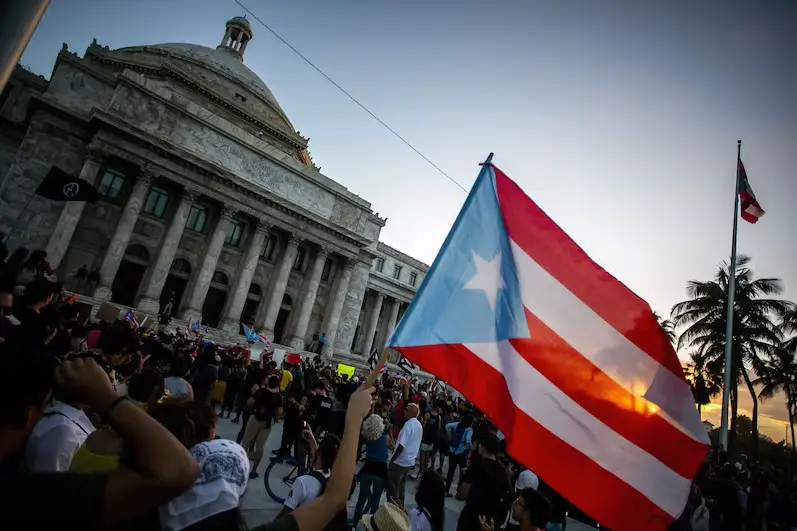
Historical Context and Political Landscape
The relationship between Puerto Rico and the United States is deeply rooted in history. Following the Spanish-American War in 1898, Puerto Rico was ceded to the United States and has since been an unincorporated territory. This status has meant that while residents are United States citizens, they do not have full voting representation in Congress and are not subject to federal income tax on income earned within the island. This unique arrangement has fueled a persistent movement for change, with various options on the table: independence, enhanced commonwealth status, or statehood.
The Statehood Movement
The drive for statehood has been a significant force in Puerto Rican politics for decades. Proponents argue that statehood would grant Puerto Rico full equality with other states, including equitable representation and access to federal programs and funding. This, they believe, would foster greater economic stability and development, which in turn could positively impact the tourism industry. A more integrated United States territory might see increased investment in infrastructure, improved public services, and a more streamlined regulatory environment, all of which are beneficial for attracting and accommodating visitors. The potential for statehood in 2024 has been propelled by recent referendums and legislative actions aimed at solidifying the island’s desire for this change.
Opposition and Alternative Views
However, the path to statehood is not without its considerable opposition. Many Puerto Ricans prefer independence or a strengthened commonwealth status, fearing that statehood could lead to the erosion of their distinct cultural identity, language, and traditions. Concerns are also raised about the economic feasibility of statehood for an island that has faced significant fiscal challenges. For those who value the unique cultural tapestry of Puerto Rico – the vibrant music, the distinct cuisine, the rich history evident in places like Old San Juan – the idea of becoming indistinguishable from a typical U.S. state can be a source of anxiety. These differing perspectives highlight the complexity of the issue and the deeply personal stakes involved for the island’s inhabitants.
Impact on Tourism and Visitor Experience
The political status of Puerto Rico is intrinsically linked to its appeal as a tourist destination. The island already boasts a robust tourism sector, attracting visitors with its stunning beaches, lush rainforests like the El Yunque National Forest, historic sites like Castillo San Felipe del Morro, and a lively cultural scene. If statehood were to occur, several changes could manifest, subtly or overtly, in the visitor experience.
Economic Development and Infrastructure
A key argument for statehood is the potential for increased federal funding, which could translate into significant investments in Puerto Rico’s infrastructure. Improved airports, better road networks, and enhanced public transportation could make travel within the island smoother and more convenient for tourists. Upgrades to hotels and resorts, alongside the development of new attractions, might also follow, leading to a more modern and potentially more luxurious visitor experience. While some travelers are drawn to the rustic charm and authentic feel of Puerto Rico, enhanced infrastructure could broaden its appeal to a wider range of tourists, including those seeking more conventional amenities and services.
Cultural Preservation and Identity
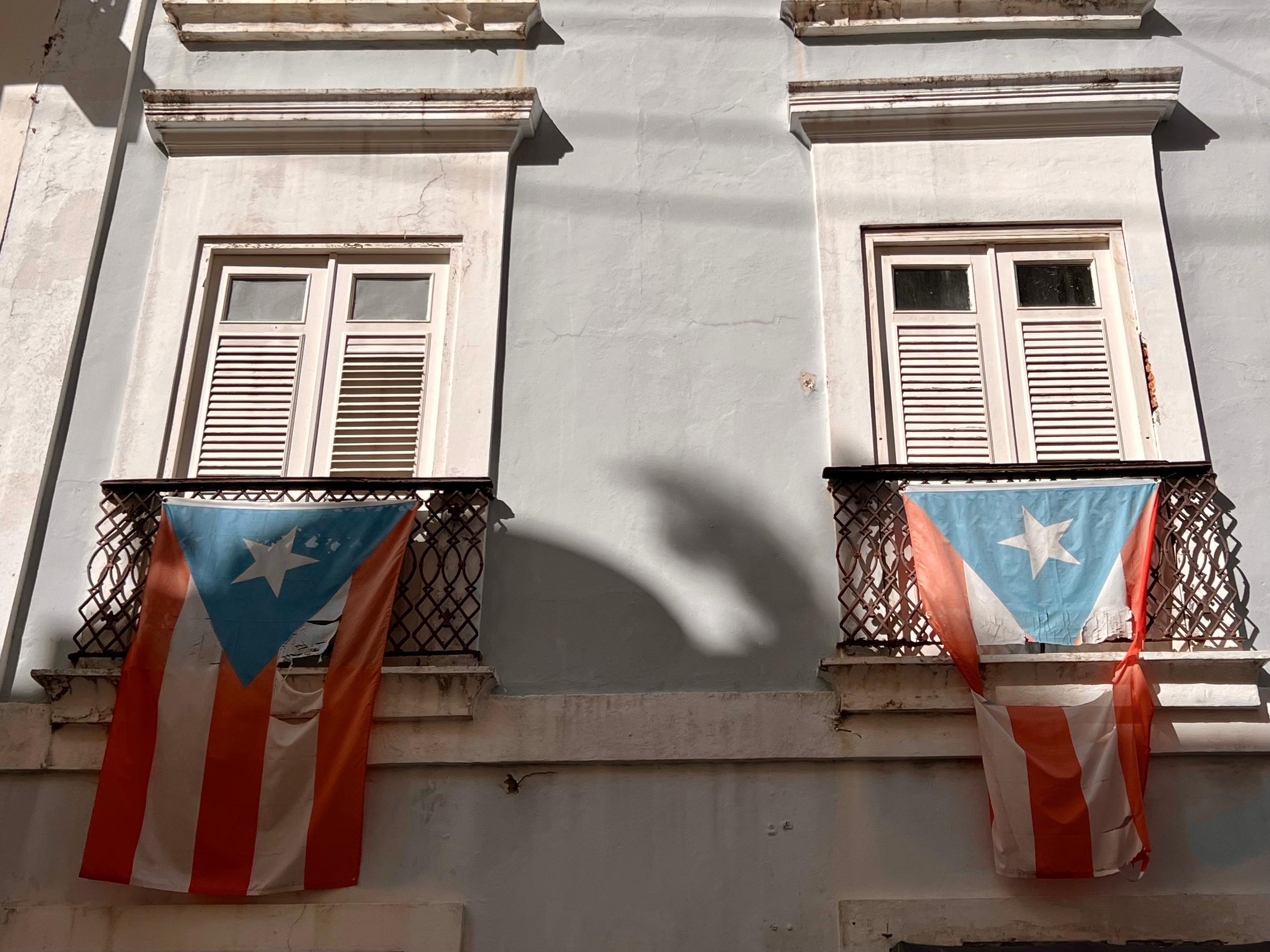
Conversely, there is a legitimate concern that statehood might lead to a dilution of Puerto Rico’s unique cultural identity. The island’s distinct Spanish-Caribbean heritage, evident in its music, dance, cuisine, and festivals, is a major draw for many visitors. While proponents of statehood argue that it would not necessitate the abandonment of these cultural elements, the increased assimilation into U.S. culture could, over time, subtly alter the island’s character. For travelers who seek an immersive experience in a vibrant, distinct culture, any shift that might diminish this uniqueness would be a significant consideration. The preservation of local traditions, language, and artistic expressions would be paramount to maintaining Puerto Rico’s allure as a destination that offers something truly different.
Travel Logistics and Perceptions
The practical aspects of travel to Puerto Rico might also be affected. Currently, travel between Puerto Rico and the United States is domestic, meaning no passports are required for U.S. citizens. This ease of travel is a significant advantage. As a state, this would remain unchanged. However, shifts in federal policies, economic regulations, and even the perception of Puerto Rico within the broader United States could influence travel trends. A successful transition to statehood, marked by economic prosperity and improved stability, could further boost tourism. Conversely, any prolonged period of uncertainty or unrest during the transition could potentially deter some visitors.
The Role of Referendums and Political Processes
The question of statehood is not solely a matter of political debate; it is increasingly being addressed through popular vote. Puerto Rico has held several non-binding referendums on its political status. The most recent ones have shown a majority favoring statehood, though the level of participation and the clarity of the options presented have sometimes been points of contention.
Past and Future Referendums
Previous referendums have seen varying results, often influenced by boycotts or dissatisfaction with the ballot choices. However, recent plebiscites have shown a clearer mandate for statehood among those who participate. The Puerto Rican government has taken these results to the U.S. Congress, urging them to act. The push for a 2024 resolution is fueled by the desire to leverage these expressed preferences. The process ahead involves U.S. congressional action, which has historically been a significant hurdle for Puerto Rican statehood aspirations.
Congressional Deliberations
Ultimately, the decision rests with the United States Congress. For Puerto Rico to become a state, legislation must be introduced and passed by both the House of Representatives and the Senate, and then signed into law by the President. This is a complex political process, often fraught with partisan divisions and competing interests. Different proposals have been put forth, ranging from a direct admission bill to a congressionally sanctioned referendum with a clear up-or-down vote on statehood. The timeline for such legislative action is unpredictable, making any definitive prediction about statehood in 2024 challenging.
Looking Ahead: A Potential New Era for Puerto Rico
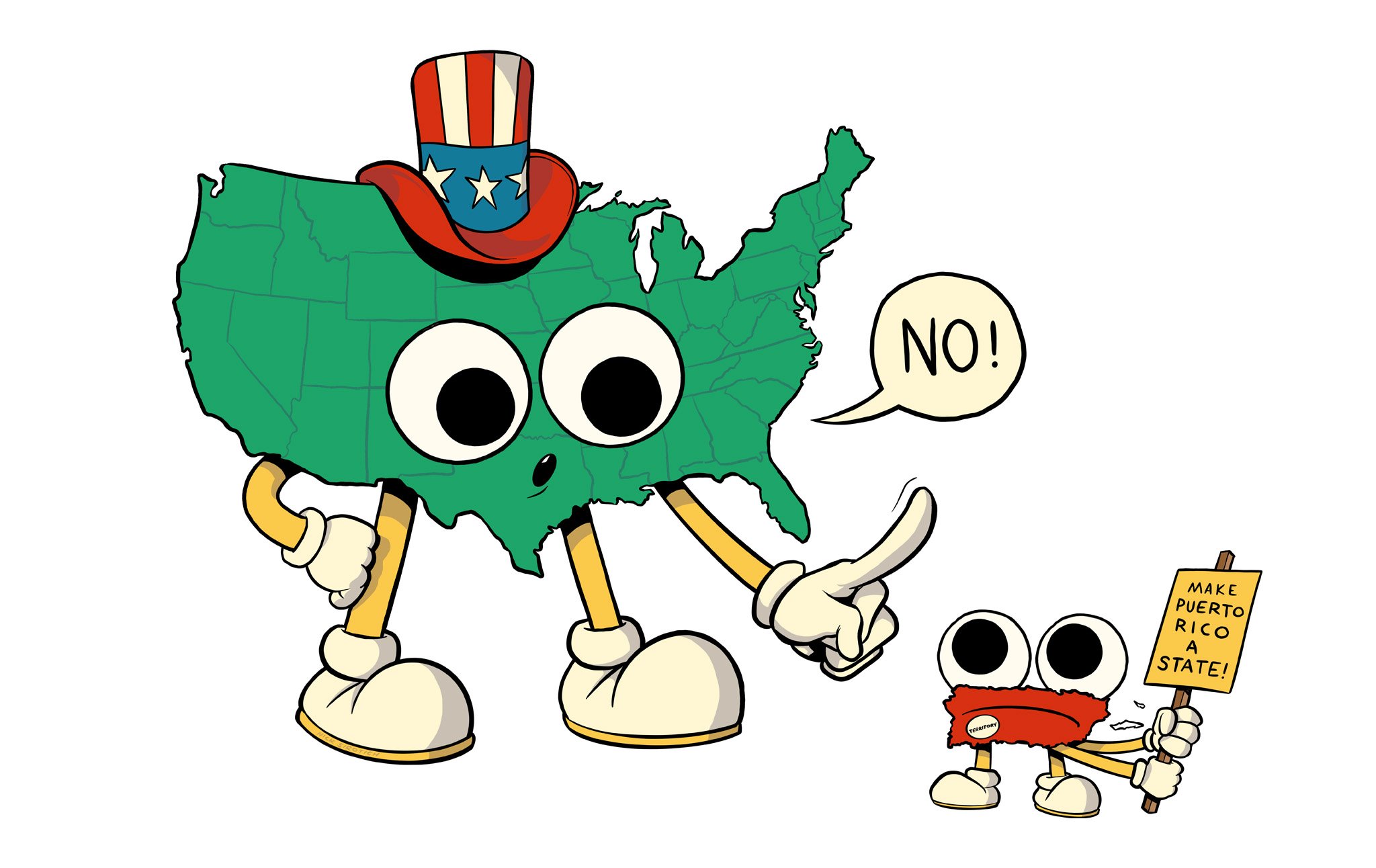
The prospect of Puerto Rico becoming a state in 2024 is a dynamic and evolving issue with profound implications for the island and its people. For the tourism sector, it represents a potential period of significant change, which could bring both opportunities and challenges.
Tourism Outlook in a Statehood Scenario
If statehood materializes, the tourism industry in Puerto Rico could see a period of increased investment and development. Enhanced infrastructure, greater federal support, and potentially a stronger economic footing could lead to more amenities, improved accessibility, and a broader range of tourism offerings. Travelers might find a more polished and integrated destination, akin to visiting a U.S. state, with familiar services and standards. However, the challenge will be to balance this modernization with the preservation of the island’s unique cultural heritage, which is a significant part of its appeal. The authentic experiences, the vibrant local traditions, and the distinctive Caribbean charm will need to be nurtured and celebrated, even as Puerto Rico navigates its potential new political identity. For visitors, the ongoing narrative of Puerto Rico’s political future adds another layer of interest to their travel experience, offering a front-row seat to a pivotal moment in the island’s history. Whether 2024 marks the dawn of statehood or another chapter in the ongoing debate, Puerto Rico remains a captivating destination, rich in culture, history, and natural beauty, inviting exploration and understanding.
LifeOutOfTheBox is a participant in the Amazon Services LLC Associates Program, an affiliate advertising program designed to provide a means for sites to earn advertising fees by advertising and linking to Amazon.com. Amazon, the Amazon logo, AmazonSupply, and the AmazonSupply logo are trademarks of Amazon.com, Inc. or its affiliates. As an Amazon Associate we earn affiliate commissions from qualifying purchases.