
As we approach the mid-point of the decade, the question of whether Florida is on the verge of a housing market crash remains one of the most debated topics among real estate analysts, potential residents, and those seeking long-term accommodation in the Sunshine State. For years, Florida has been the epicenter of a domestic migration boom, with thousands of people moving from New York, California, and other parts of the United States to enjoy its tax-friendly environment and tropical climate. However, as inventory levels rise and the cost of living fluctuates, the stability of the housing market in 2025 is under intense scrutiny.

Analyzing the Current Real Estate Climate in Florida
To understand if a crash is imminent, one must first look at the unique economic drivers currently at play within the state. Unlike the 2008 financial crisis, which was fueled by subprime mortgages and predatory lending, the current market dynamics are largely driven by supply, demand, and rising operational costs. In cities like Miami and Fort Lauderdale, the influx of wealth has significantly pushed property values beyond the reach of the average local worker, leading to concerns about a pricing bubble.
The Surge of Inventory and Market Correction
For the first time in several years, the supply of available homes and condominiums is beginning to outpace demand in certain regions. In Tampa and Jacksonville, the number of active listings has seen a steady climb. This increase in inventory is often the first sign of a market cooling off. While some fear this indicates a coming crash, others argue it is a necessary correction that will bring prices back to a sustainable level for long-term accommodation seekers.
In South Beach and other high-demand coastal areas, the luxury market continues to show resilience, though even here, the pace of sales has moderated. Sellers who were once accustomed to receiving multiple offers above the asking price are now finding that properties are sitting on the market for longer durations. This shift suggests that the era of frantic bidding wars may be concluding, paving the way for a more balanced environment between buyers and sellers.
The Role of Interest Rates and Insurance
One of the most significant hurdles facing the Florida market in 2025 is the cost of carrying property. High interest rates have made financing difficult for many, but in the Florida Panhandle and Central Florida, the rising cost of homeowners’ insurance has become an even greater concern. The proximity to the Atlantic Ocean and the Gulf of Mexico makes properties vulnerable to seasonal weather events, driving insurance premiums to historic highs.
For those looking at long-term stays or permanent relocation, these auxiliary costs are a critical part of the decision-making process. If insurance remains unaffordable, it could lead to a wave of “forced selling,” particularly among retirees in places like Sarasota or Boca Raton who are on fixed incomes.
Regional Variations: Stability vs. Volatility
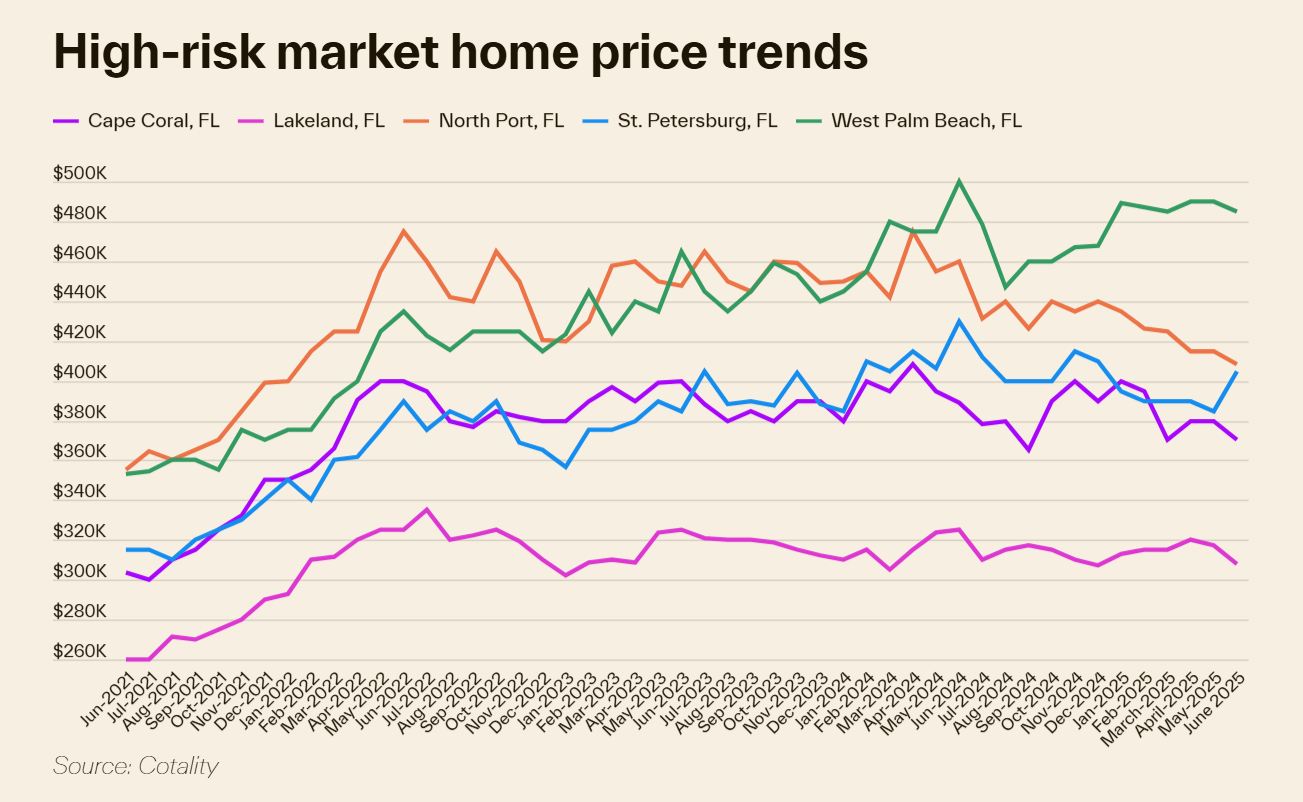
The Florida housing market is not a monolith. While some areas may face downward pressure, others are likely to remain stable due to localized economic engines. Understanding these regional differences is essential for anyone considering investing in accommodation or planning a long-term move to the state.
The Resilience of Central Florida
Orlando remains one of the most robust markets in the state, largely due to the massive tourism and entertainment industry anchored by Walt Disney World Resort and Universal Orlando Resort. The constant influx of employees for these major attractions creates a perpetual demand for housing. Furthermore, the diversification of the economy into tech and aerospace in nearby Cape Canaveral provides a secondary layer of market protection.
Accommodation in Orlando is also heavily influenced by the short-term rental market. Investors who purchased homes to list on vacation platforms are now watching the 2025 forecasts closely. While a “crash” might not occur, a saturation of the short-term market could lead to more properties being converted into long-term rentals, which would actually benefit those looking for yearly leases.
Challenges in Coastal Communities
In contrast, coastal cities like Naples and St Petersburg face unique challenges. These areas are highly desirable for luxury lifestyle seekers, but they are also at the forefront of environmental and regulatory changes. New legislation regarding condominium reserves and safety inspections—enacted following recent structural concerns in the state—has led to significant special assessments for condo owners.
In Miami, specifically near Biscayne Bay, some older buildings are seeing a mass exodus of owners who cannot afford these new safety-related costs. This could lead to a localized “crash” in the older condo segment, while newer developments like those in Coral Gables maintain their value.
Impact on Accommodation and Long-Term Stays
The health of the housing market directly dictates the availability and pricing of accommodation for visitors and semi-permanent residents. If the market does not crash but rather enters a period of stagnation, the rental market is likely to see significant changes.
The Shift from Short-Term to Long-Term Rentals
Many property owners who entered the market during the post-pandemic boom are now finding that the short-term rental market is becoming overcrowded. In popular destinations like Clearwater Beach and Destin, the high volume of available units has led to lower occupancy rates.
By 2025, we may see a trend where these owners pivot toward long-term accommodation. This shift would be a welcome relief for those looking to stay in Florida for several months or a year. An increase in long-term inventory typically leads to more competitive pricing and better amenities for tenants, as landlords must work harder to secure reliable, long-term occupants.
Corporate Relocations and Executive Housing
Florida continues to be a top choice for corporate headquarters. With the business-friendly climate in Tallahassee and the financial hub growing in West Palm Beach, the demand for executive housing remains high. Even if the broader residential market faces a downturn, the niche of high-end corporate accommodation is expected to stay strong.
Professionals relocating to work in the financial districts of Miami or the medical facilities in Gainesville often seek managed apartments or luxury villas. These segments are less sensitive to the price fluctuations seen in the single-family home market, as they are often supported by corporate stipends and long-term business contracts.
Factors That Could Prevent a Total Market Collapse
While the “crash” narrative makes for dramatic headlines, several structural factors suggest that Florida may avoid a 2008-style catastrophe. The demand for the Florida lifestyle remains a powerful force that continues to attract domestic and international interest.
Institutional Investment and Cash Buyers
A significant portion of Florida real estate is now owned by institutional investors and high-net-worth individuals who purchased their properties with cash. In Palm Beach, the prevalence of cash transactions protects the market from the “domino effect” of mortgage defaults. When owners have high equity or no debt on their properties, they are much less likely to participate in panic selling, which helps maintain price floors across the state.
Continued In-Migration Patterns
The demographic shift toward the Sunbelt states shows no sign of stopping. As long as Florida maintains its status as a destination with no state income tax and a high quality of life, people will continue to move there. Cities like Fort Myers and Port St Lucie are consistently ranked among the fastest-growing areas in the country. This consistent demand serves as a buffer against a total market collapse, as there is a “buyer in waiting” for many properties.
Furthermore, the expansion of infrastructure, such as the Brightline train service connecting Miami, Fort Lauderdale, West Palm Beach, and Orlando, has increased the accessibility and desirability of various regions. This improved connectivity supports property values by making it easier for residents to live in more affordable areas while working or playing in major urban centers.
Strategies for Renters and Long-Term Residents in 2025
For those looking to secure accommodation in Florida during this period of uncertainty, a strategic approach is necessary. Whether you are looking for a luxury villa in the Florida Keys or a modern apartment near Everglades National Park, the 2025 market will require careful navigation.
- Monitor Local Inventory: Keep a close eye on the specific neighborhood you are interested in. A rise in “days on market” is a strong indicator that you may have more leverage when negotiating a long-term lease or a purchase price.
- Consider the Total Cost of Living: When looking at accommodation, factor in the costs of utilities, insurance, and association fees, which are often higher in Florida than in other states.
- Explore Emerging Markets: While Miami remains the crown jewel, look toward cities like Lakeland or Ocala for more stable pricing and a different pace of life.
- Negotiate Long-Term Stays: If you are a digital nomad or a seasonal resident, look for owners of vacation rentals who may be looking for the stability of a 6-to-12-month tenant.
In conclusion, while a dramatic “crash” in the Florida housing market in 2025 is unlikely for the state as a whole, a significant correction in specific sectors and regions is already underway. For the savvy traveler or resident, this period of transition offers a unique opportunity to find high-quality accommodation in one of the world’s most sought-after destinations. The key to success in the 2025 market will be patience, research, and a clear understanding of the evolving economic landscape of the Sunshine State.
LifeOutOfTheBox is a participant in the Amazon Services LLC Associates Program, an affiliate advertising program designed to provide a means for sites to earn advertising fees by advertising and linking to Amazon.com. Amazon, the Amazon logo, AmazonSupply, and the AmazonSupply logo are trademarks of Amazon.com, Inc. or its affiliates. As an Amazon Associate we earn affiliate commissions from qualifying purchases.