
The state of Arizona has become a pivotal battleground in recent presidential elections, and the question of whether Donald Trump will win the state again in the upcoming election is a complex one, with numerous factors at play. Once a reliably Republican stronghold, Arizona has seen a significant shift in its political landscape, making its electoral outcome increasingly unpredictable. This shift is influenced by demographic changes, evolving voter priorities, and the unique appeal of both major political parties and their candidates.
Shifting Demographics and Voter Blocs
Arizona’s population is a dynamic mosaic, with growth driven by both domestic migration and international immigration. This demographic evolution has introduced new voter bases with distinct political leanings.
The Growing Hispanic Electorate
One of the most significant demographic shifts in Arizona is the increasing size and influence of the Hispanic electorate. Historically, this demographic has leaned Democratic, but recent trends show a growing segment of Hispanic voters who are open to Republican candidates. Factors contributing to this include economic concerns, religious values, and social issues. The outreach efforts by both parties to this crucial bloc will be a deciding factor in the state’s electoral outcome. Candidates who can resonate with the diverse concerns within the Hispanic community, from small business owners in Phoenix to agricultural workers in rural areas, will gain a significant advantage.
Suburban Voter Trends
Arizona’s suburban areas, particularly around Phoenix and Tucson, have become increasingly important electoral battlegrounds. These areas are home to a diverse mix of voters, including families, professionals, and retirees, many of whom have migrated from other states. Suburban voters are often swayed by issues such as education, the economy, and quality of life. While traditionally leaning Republican, these areas have shown a growing tendency to swing, influenced by national trends and specific candidate platforms. Donald Trump’s populist appeal has historically resonated with a segment of these voters, but concerns about his temperament and policy positions may alienate others. The Democratic Party, conversely, is working to appeal to suburban voters by emphasizing issues like environmental protection and healthcare access.
The Rural-Urban Divide
The enduring divide between Arizona’s urban centers and its rural communities remains a significant factor. Rural areas, often characterized by a strong sense of tradition and reliance on industries like agriculture and mining, tend to be more conservative and strongly support Republican candidates. Donald Trump has consistently found a strong base of support in these regions. Urban areas, on the other hand, are more diverse and tend to lean Democratic, driven by younger voters, minority populations, and a more progressive outlook. The challenge for any candidate is to bridge this divide and appeal to voters across the state’s varied geographical and cultural landscapes.
Key Issues Shaping the Arizona Electorate
Beyond demographics, specific policy issues are crucial in shaping voter sentiment in Arizona. The candidates’ stances on these issues will heavily influence their ability to win over undecided voters and energize their base.
Immigration and Border Security
Given Arizona’s long border with Mexico, immigration and border security are perennial hot-button issues. Donald Trump has made these issues a cornerstone of his political platform, advocating for stricter enforcement and the construction of a border wall. His supporters in Arizona often see him as a strong leader who will prioritize national security and sovereignty. However, the issue is complex, with varying perspectives on the economic and social impacts of immigration. Opponents argue for more comprehensive reform that includes pathways to citizenship and addresses the humanitarian aspects of border management. The candidates’ approaches to these issues will undoubtedly resonate differently with various segments of the Arizona electorate.
Economic Policies and Inflation
The state of the economy is always a significant driver of voter behavior. Arizona has experienced periods of robust economic growth, but recent concerns about inflation, the cost of living, and job security are likely to weigh heavily on voters’ minds. Donald Trump often campaigns on a platform of deregulation and tax cuts, promising to stimulate economic activity. His supporters often credit his previous administration with creating jobs and fostering economic prosperity. Conversely, Democratic candidates typically emphasize investments in infrastructure, renewable energy, and social programs to create jobs and support working families. The ability of each candidate to present a compelling vision for Arizona’s economic future will be critical.

Water Rights and Environmental Concerns
Arizona is an arid state, and water rights are a deeply ingrained and often contentious issue. The Colorado River, the state’s primary water source, is facing unprecedented stress due to drought and over-allocation. Candidates’ proposed solutions for water management, conservation, and the future of industries reliant on these resources will be closely scrutinized. Environmental concerns, including climate change and the future of Arizona’s unique natural landscapes like the Grand Canyon National Park, also play a role, particularly among younger and more progressive voters. Donald Trump’s past skepticism on climate change and his administration’s focus on fossil fuel production may appeal to some, while others will be drawn to candidates who prioritize renewable energy and environmental protection.
Donald Trump’s Strengths and Weaknesses in Arizona
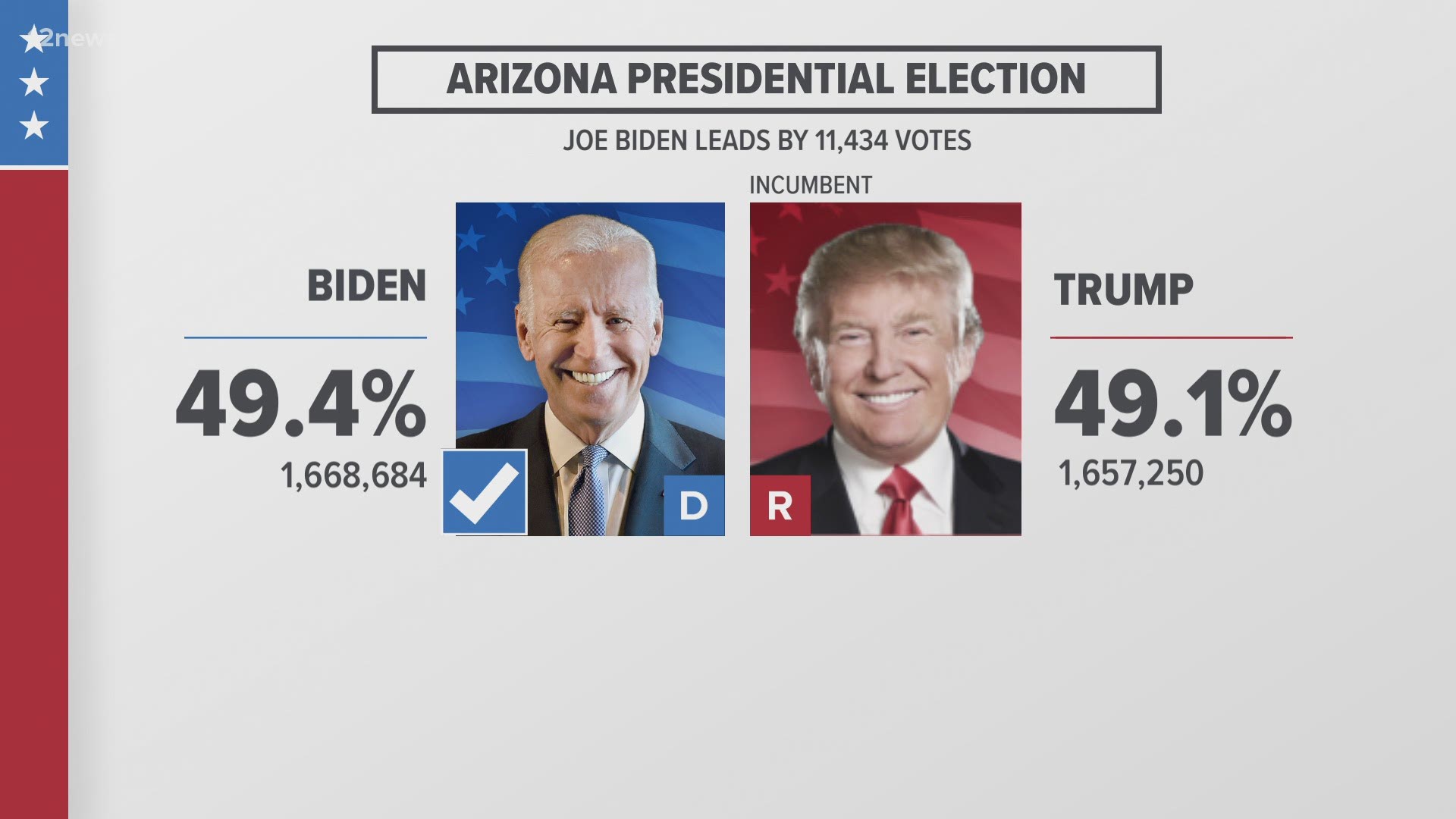
Donald Trump has a proven track record in Arizona, having won the state in 2016. His appeal lies in his populist message, his willingness to challenge the political establishment, and his focus on issues like border security and economic nationalism.
Strengths
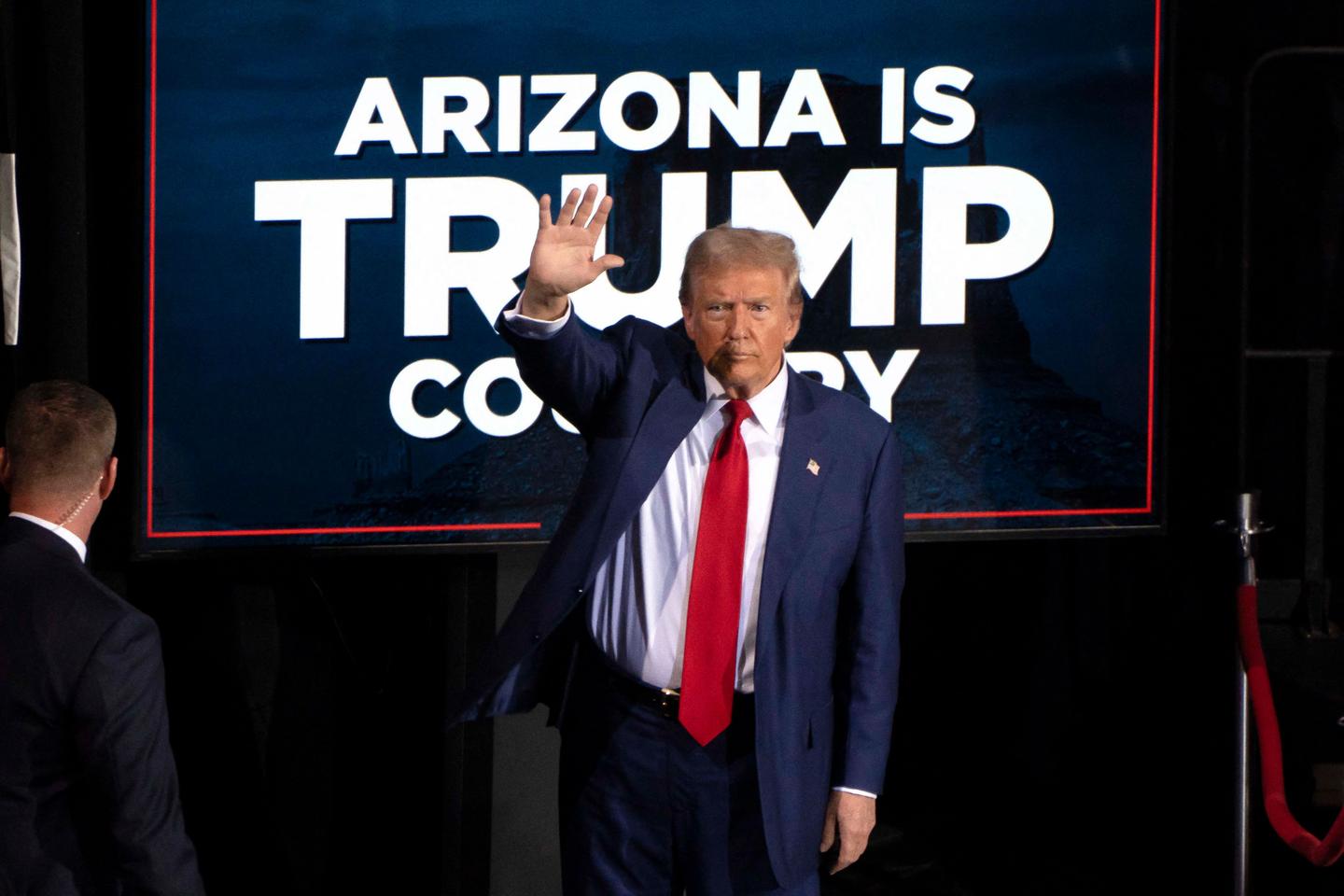
- Strong Base of Support: Trump has cultivated a dedicated base of supporters in Arizona, particularly among older voters, rural communities, and a segment of working-class voters. His rallies in Arizona often draw large, enthusiastic crowds, demonstrating his ability to energize his supporters.
- Effective Messaging: His direct and often confrontational communication style resonates with voters who feel ignored by traditional politicians. Issues he champions, such as “Make America Great Again,” tap into a desire for perceived lost prosperity and national pride.
- Established Infrastructure: The Trump campaign and its affiliated organizations have established a presence and organizational infrastructure in Arizona that can be leveraged for future campaigns.
Weaknesses
- Divisive Rhetoric: While his rhetoric energizes his base, it can alienate moderate voters and independents, particularly in the crucial suburban areas. The controversy surrounding the 2020 election results and the events of January 6th may also deter some voters.
- Shifting Voter Demographics: As mentioned earlier, the changing demographics of Arizona, particularly the growing influence of minority and younger voters, present challenges to Trump’s traditional coalition.
- Democratic Gains: The Democratic Party has seen significant gains in Arizona in recent election cycles, including the election of two Democratic senators, Kyrsten Sinema and Mark Kelly, and a Democratic governor, Katie Hobbs. This indicates a growing competitiveness in the state that Trump will need to overcome.
The Role of Arizona’s Unique Political Landscape
Arizona has a history of electing independent-minded politicians, and its electorate often defies easy categorization. This “maverick” spirit can make predicting election outcomes challenging.
Independent Voters
Arizona has a significant and growing number of independent voters who are not affiliated with either major party. These voters often make their decisions based on individual candidates, specific issues, or a rejection of partisan extremes. Both parties will need to make a concerted effort to appeal to this crucial swing demographic. The ability of Donald Trump to pivot from appealing to his base to winning over centrist voters will be a critical determinant of his success.
Grassroots Mobilization
The effectiveness of grassroots mobilization efforts by both campaigns will be paramount. From door-knocking and phone banking to voter registration drives, the ability to engage and turn out voters on election day can make the difference in a close race. The Arizona Democratic Party, buoyed by recent successes, will likely focus on mobilizing its coalition, while the Trump campaign will aim to replicate the enthusiastic engagement seen in past elections.
Conclusion: A Contested Battleground
The question of whether Donald Trump will win Arizona is far from settled. The state remains a highly contested battleground, shaped by evolving demographics, critical policy issues, and the unique political temperament of its voters. While Trump has a proven ability to mobilize a significant portion of the electorate, the Democratic Party has demonstrated its capacity to win statewide races. The outcome will likely hinge on which candidate can best navigate the state’s complex political landscape, effectively appeal to a diverse range of voters, and mobilize their supporters on election day. The race promises to be closely watched, as Arizona continues to play a pivotal role in shaping the future of American politics.
LifeOutOfTheBox is a participant in the Amazon Services LLC Associates Program, an affiliate advertising program designed to provide a means for sites to earn advertising fees by advertising and linking to Amazon.com. Amazon, the Amazon logo, AmazonSupply, and the AmazonSupply logo are trademarks of Amazon.com, Inc. or its affiliates. As an Amazon Associate we earn affiliate commissions from qualifying purchases.