
Navigating the diverse culinary landscape of California is an experience in itself, from savoring authentic tacos in Los Angeles to indulging in fresh seafood along the coast. Many travelers find themselves wanting to enjoy a quick bite or a full meal on the go, especially during scenic drives through iconic routes like the Pacific Coast Highway. However, the question of legality when combining food consumption with driving in the Golden State is a common one. This article delves into the specifics of California’s traffic laws to clarify the rules surrounding eating while operating a vehicle.

Understanding California’s Distracted Driving Laws
California takes a firm stance on distracted driving, and this encompasses more than just mobile phone usage. The overarching principle is that a driver must maintain proper control of their vehicle at all times. While there isn’t a specific law that explicitly states “it is illegal to eat while driving,” the act of eating can easily lead to violations of broader traffic safety statutes if it impairs a driver’s ability to operate their vehicle safely.
The “Unsafe Operation” Statute
The primary legal framework that governs such situations is the California Vehicle Code, specifically sections related to unsafe operation of a vehicle. If a law enforcement officer observes a driver engaging in an activity that distracts them to the point where they are not in full control of their vehicle, they can be cited. This could include actions like:
- Fumbling with food packaging: Trying to open wrappers, bags, or containers can divert attention from the road.
- Spilling food or drinks: A sudden spill can cause a driver to react impulsively, potentially swerving or braking abruptly.
- Reaching for dropped items: When food or utensils fall, the natural instinct is to retrieve them, often taking eyes off the road.
- Engaging in complex eating: Attempting to cut food, use multiple utensils, or manage messy foods can be particularly distracting.
The Distinction Between Eating and Other Activities
It’s important to differentiate between the act of eating itself and the potential consequences of eating. A driver might take a quick sip of water or a bite of a pre-packaged snack without incident. However, if the act of eating leads to a situation where the driver is not paying attention to traffic signals, pedestrians, or other vehicles, they are in violation of the law. The focus is on the impact of the activity on safe driving, rather than the activity in isolation.
Specific Scenarios and Legal Interpretations
The legality of eating while driving in California often hinges on the specific circumstances and the judgment of the issuing officer. Certain types of food and eating habits are more prone to causing distractions than others.
Fast Food vs. Sit-Down Meals
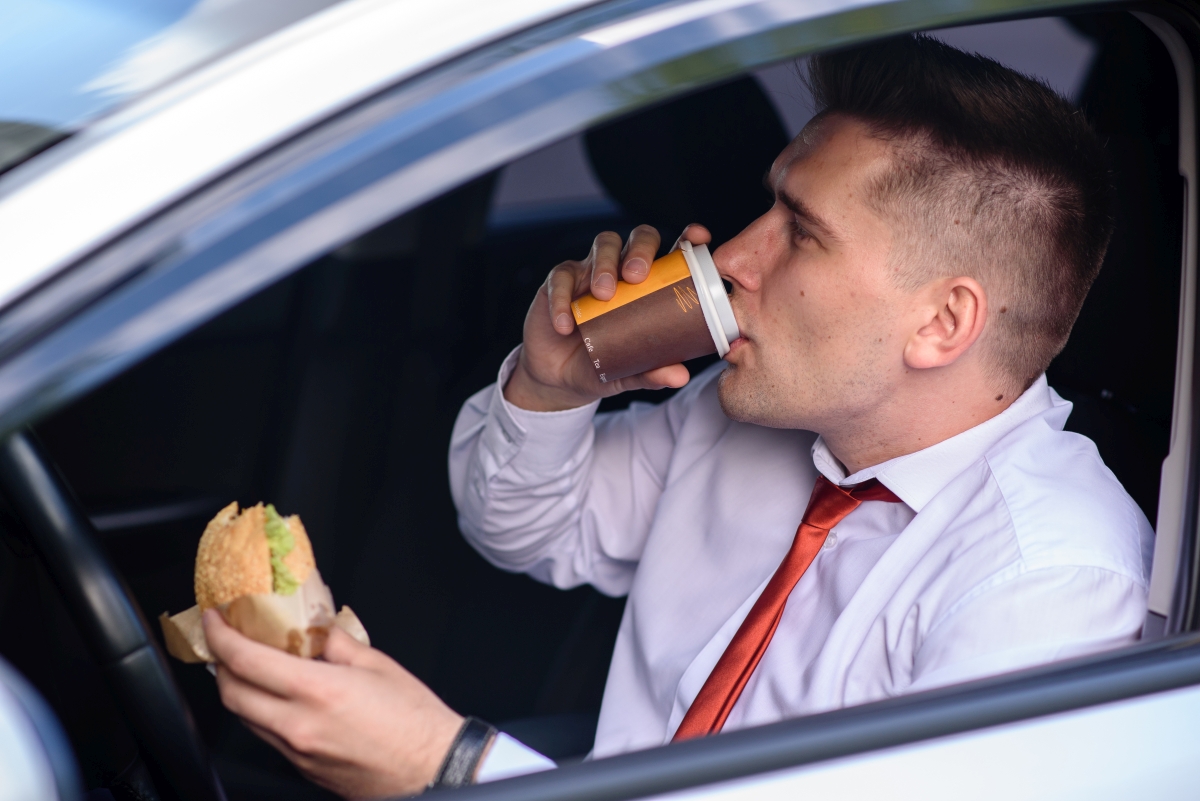
- Fast food: Items like burgers, fries, and oversized sandwiches are often cited as problematic due to their tendency to be messy and require significant handling. Trying to manage these in a moving vehicle can be challenging.
- Pre-packaged snacks: A granola bar or a small bag of chips is generally less likely to cause a significant distraction, assuming it can be consumed easily without compromising driving focus.
- Beverages: While drinking is often less distracting than eating, spills can still occur, and reaching for a bottle or cup can take attention away from the road.
Eating While Stationary
The laws are much clearer when a vehicle is stationary. If you are parked or stopped at a red light or in traffic, you are generally free to eat without concern for traffic violations related to distracted driving. The key is whether the vehicle is in motion and under your control.
The “Distracted Driving” Charge
If a driver is observed by law enforcement to be engaging in an activity that impairs their ability to drive safely, they could face a citation for distracted driving. This is a broad charge that can encompass various behaviors. In California, specific laws address distracted driving, and if eating contributes to such behavior, a ticket could be issued. The penalty for a distracted driving violation in California can include fines, points on your driving record, and increased insurance premiums.
Recommendations for Safe Driving and Eating
While the law may not have a blanket prohibition on eating while driving, the safest and most prudent approach is to minimize such activities.
Plan Ahead for Your Meals
If you are embarking on a road trip or have a busy day of sightseeing ahead, consider planning your meals strategically.
- Eat before you drive: Make time to enjoy your breakfast, lunch, or dinner before you get behind the wheel.
- Pull over: If you must eat while traveling, find a safe place to park, such as a rest stop, scenic overlook, or a fast-food restaurant’s parking lot. This allows you to fully enjoy your meal without the added pressure of driving.
- Choose easy-to-eat foods: If you absolutely must eat on the go, opt for foods that require minimal preparation and are less likely to cause spills. Think of items like energy bars, fruit, or pre-portioned snacks.
- Keep it simple: Avoid complex meals that require cutting, extensive unwrapping, or the use of multiple utensils.
Awareness is Key
Ultimately, the responsibility lies with the driver to ensure they are operating their vehicle safely at all times. This means being constantly aware of your surroundings and avoiding any activity that could compromise your attention to the road.
- Focus on driving: Your primary task when driving is to operate the vehicle safely. Any activity that detracts from this can be considered a risk.
- Officer’s discretion: Remember that legal interpretations can vary. What one officer might overlook, another might deem a safety hazard. It’s better to err on the side of caution.
By understanding California’s traffic laws and prioritizing safe driving practices, travelers can enjoy the state’s many attractions and culinary delights without encountering legal issues or compromising their safety. Whether you’re exploring the theme parks of Anaheim or driving through the vineyards of Napa Valley, make sure your focus remains on the road.
LifeOutOfTheBox is a participant in the Amazon Services LLC Associates Program, an affiliate advertising program designed to provide a means for sites to earn advertising fees by advertising and linking to Amazon.com. Amazon, the Amazon logo, AmazonSupply, and the AmazonSupply logo are trademarks of Amazon.com, Inc. or its affiliates. As an Amazon Associate we earn affiliate commissions from qualifying purchases.