
Navigating the Golden State’s regulations for vehicle window tint can feel like a maze. For travelers exploring the diverse landscapes of California, from the sun-drenched beaches of Malibu to the bustling streets of San Francisco, understanding these rules is crucial for a smooth and legal journey. Whether you’re driving your own car or a rental, adhering to California’s specific tint percentages can prevent unwanted traffic stops and ensure you can fully enjoy the scenic drives, such as the iconic Pacific Coast Highway. This guide breaks down the legalities, offering clarity for tourists and residents alike.
Understanding California’s Window Tint Laws
California’s approach to window tint is primarily focused on safety and visibility. The state has specific regulations regarding the amount of light that must be able to pass through your vehicle’s windows. This is measured by the Visible Light Transmission (VLT) percentage. A lower VLT percentage means a darker tint, and a higher VLT percentage means a lighter tint. The key to staying compliant is understanding these VLT requirements for different parts of your vehicle.
Front Windshield Regulations
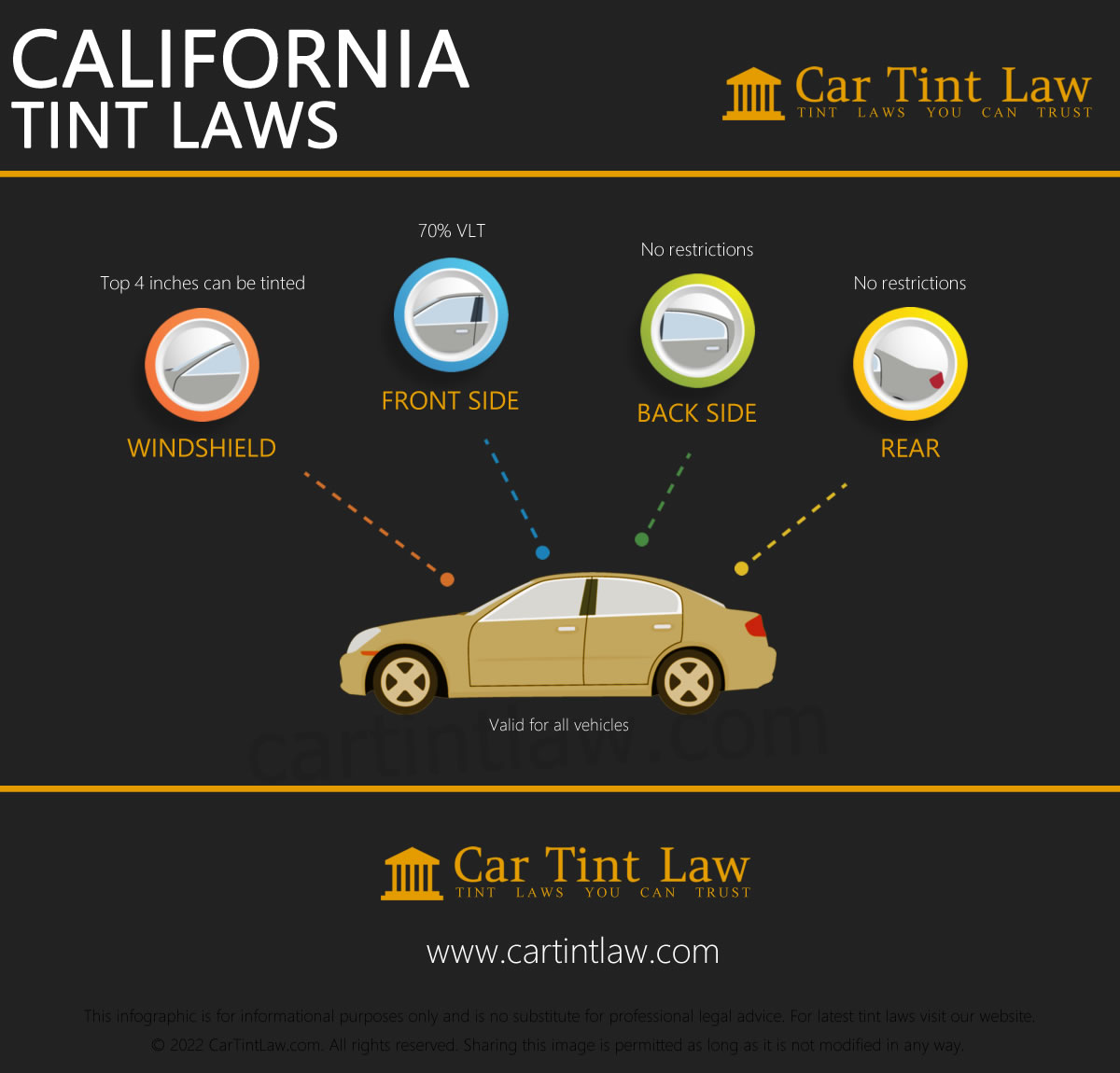
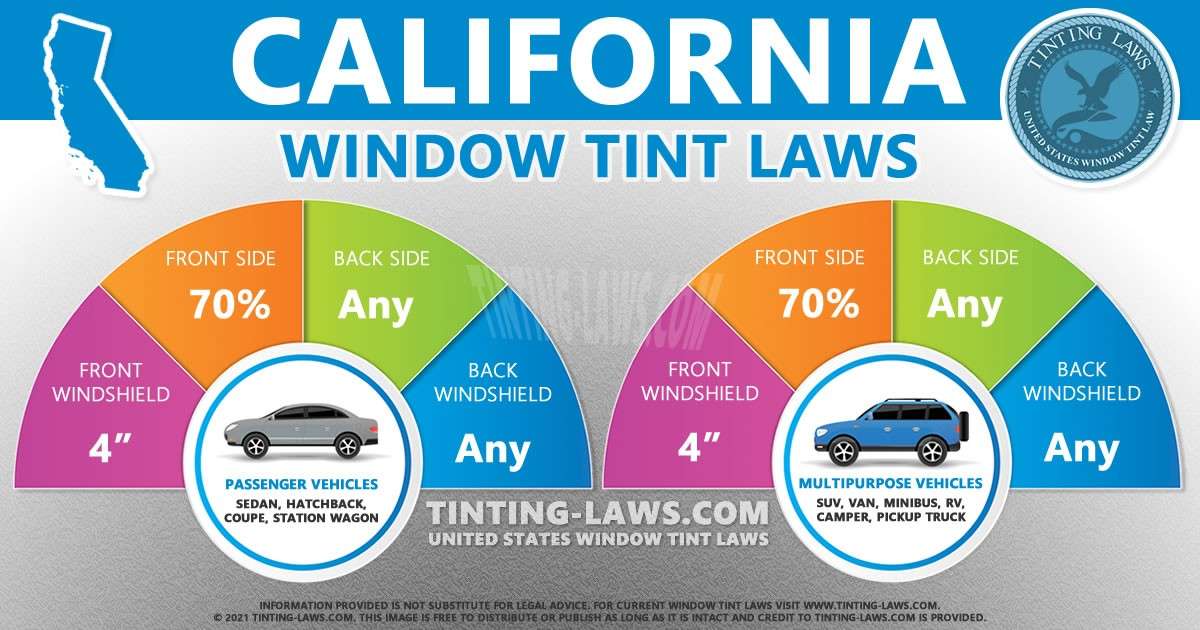
The front windshield is the most restricted area when it comes to window tint in California. The law strictly prohibits any tinting on the windshield that reduces the VLT to less than 70%. However, there is an exception: a strip of tinting is permitted along the top edge of the windshield. This strip must not extend more than four inches down from the top of the windshield or below the AS-1 line, whichever is longer. The AS-1 line is a common marking found on windshields, indicating the manufacturer’s recommended area for visor placement. This allows for some sun glare reduction without significantly impeding the driver’s forward visibility, which is paramount for safe driving, especially when navigating new environments like the winding roads of Yosemite National Park.
Front Side Window Laws
For the front side windows – those directly beside the driver and front passenger – the regulations are equally stringent. In California, the VLT for these windows must not be less than 70%. This means that any tint applied to the front side windows must allow at least 70% of the light to pass through. This rule is in place to ensure law enforcement officers can clearly see the occupants of the vehicle, which is a critical aspect of traffic safety and law enforcement procedures. For those enjoying a road trip along the coast or venturing into wine country near Napa Valley, these visibility requirements are non-negotiable.
Rear Side and Rear Window Tinting
The regulations loosen slightly for the rear side windows and the rear window. In California, the VLT for these windows can be as low as 35%. This means that a darker tint is permissible on the rear side windows and the back windshield. However, it’s important to note that a tint darker than 35% VLT is illegal on these windows. This allows for a degree of privacy and heat reduction for passengers in the rear, while still maintaining a sufficient level of visibility for the driver to use their mirrors and for law enforcement to assess the situation. When driving through cities like Los Angeles or San Diego, the rear window tint can offer a welcome respite from the intense California sun, but always within the legal limits.
Special Exemptions and Medical Waivers
While the general rules are clear, California does offer provisions for certain individuals who may require darker tinting for medical reasons. Drivers with documented medical conditions that necessitate reduced light exposure, such as photosensitivity or certain skin conditions, can apply for a medical exemption. This exemption, once granted by the Department of Motor Vehicles (DMV), allows for darker tinting than what is generally permitted. To obtain this waiver, a physician must provide a written statement detailing the medical necessity for the darker tint. This statement must be carried in the vehicle at all times along with the exemption certificate. This ensures that drivers with legitimate medical needs are not penalized while still maintaining a balance with public safety. These exemptions are a thoughtful consideration for visitors or residents who might have specific health requirements, especially when planning extensive travel across the state, from the deserts of Joshua Tree National Park to the mountains near Lake Tahoe.
Types of Window Tint Film and Legal Considerations
Beyond VLT percentages, the type of window tint film used can also have implications for legality and performance. Different films offer varying levels of heat rejection, UV protection, and aesthetics.
Ceramic Tint
Ceramic tint is a popular choice for its excellent heat-blocking capabilities without significantly reducing visibility. It works by scattering infrared light, which is the primary source of heat, without containing any metallic particles that could interfere with electronic signals. In California, ceramic tint is legal as long as it meets the VLT requirements for each specific window. Its ability to keep the car cooler makes it a highly desirable option for travelers exploring the often hot climate of Southern California, from the beaches of Santa Monica to the inland valleys.
Carbon Tint
Carbon tint is another effective option, known for its durability and ability to block UV rays. It utilizes carbon particles to absorb heat, offering good performance and longevity. Like ceramic tint, carbon tint is legal in California provided it adheres to the state’s VLT regulations. It offers a sleek, non-reflective finish that many drivers prefer.
Dyed Tint
Dyed tint is the most economical option and works by absorbing heat through its dark color. However, dyed tints can fade over time and may not offer the same level of heat rejection or durability as ceramic or carbon tints. While legal in California within the VLT limits, it’s essential to choose a quality dyed tint that won’t degrade rapidly, especially under the intense California sun, which can accelerate fading.
Metallic and Hybrid Tints
These types of tints often contain metallic particles that enhance their reflectivity and heat rejection properties. While effective, the metallic content can sometimes interfere with GPS, satellite radio, and cellular signals. When choosing these tints for your travels through California, it’s wise to ensure they meet the VLT requirements and to be aware of any potential electronic interference, particularly if you rely heavily on navigation systems to explore attractions like Disneyland or the Griffith Observatory.
Legal Tint Percentages at a Glance
To simplify compliance for your California adventures, here’s a quick summary of the legal tint percentages:
- Front Windshield: Not less than 70% VLT, with a permissible strip of tint up to four inches from the top or below the AS-1 line.
- Front Side Windows: Not less than 70% VLT.
- Rear Side Windows: Not less than 35% VLT.
- Rear Window: Not less than 35% VLT.
It is important to remember that these are the minimum VLT percentages. Applying a tint that is lighter than these percentages is perfectly legal. The restrictions are on how dark you can go to maintain visibility and safety for everyone on California’s roads.
Staying Compliant and Enjoying Your Trip
Understanding and adhering to California’s window tint laws is straightforward once you know the rules. Whether you are a local or a tourist planning to explore the state’s vast attractions, from the theme parks of Anaheim to the redwood forests of the north, ensuring your vehicle’s tint is legal will prevent unnecessary hassles.
The Importance of Professional Installation
When considering window tinting, always opt for professional installation from a reputable shop. Professional installers are knowledgeable about California’s laws and can advise you on the best tint films that meet both your aesthetic and functional needs while remaining fully compliant. They can also ensure the tint is applied evenly and without bubbles or imperfections, which can sometimes draw unwanted attention from law enforcement. A quality installation contributes to the longevity and appearance of the tint, enhancing your overall driving experience as you travel through diverse regions like the vineyards of Sonoma County or the deserts of Palm Springs.

Consequences of Non-Compliance
Driving a vehicle with illegal window tint in California can result in a citation, often a fix-it ticket that requires you to remove the non-compliant tint within a specified timeframe. In some cases, it can lead to a monetary fine. To avoid these penalties, always double-check that your tint percentages are within the legal limits before you embark on your journey. This diligence will allow you to focus on the breathtaking scenery and exciting experiences that California has to offer, from the glamour of Hollywood to the natural wonders of the Death Valley National Park.
By staying informed about the legal requirements for window tint in California, travelers can ensure a safe, enjoyable, and hassle-free road trip across this beautiful state.
LifeOutOfTheBox is a participant in the Amazon Services LLC Associates Program, an affiliate advertising program designed to provide a means for sites to earn advertising fees by advertising and linking to Amazon.com. Amazon, the Amazon logo, AmazonSupply, and the AmazonSupply logo are trademarks of Amazon.com, Inc. or its affiliates. As an Amazon Associate we earn affiliate commissions from qualifying purchases.