
While the image of sun-drenched beaches and towering palm trees often dominates perceptions of California, the Golden State’s geography offers a surprising diversity that includes significant snowfall. From the majestic Sierra Nevada mountains to the higher elevations of Southern California, winter precipitation can transform landscapes into snowy wonderlands. Understanding when and where to expect snow in California is key for travelers seeking winter activities or simply curious about the state’s multifaceted climate.
California’s Snowy Peaks: A Winter Wonderland
The most consistent and substantial snowfall in California occurs in its mountain ranges. These regions receive ample winter storms that blanket the peaks in white, creating ideal conditions for skiing, snowboarding, and other winter sports.
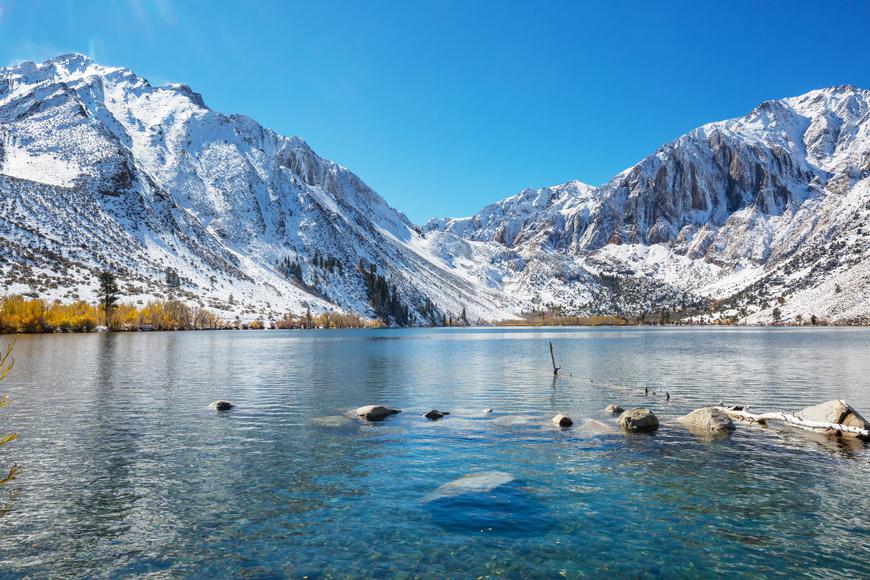
The Sierra Nevada: California’s Snowiest Spine
Stretching along the eastern edge of the state, the Sierra Nevada is the undisputed king of California snowfall. This formidable mountain range is home to some of the most iconic winter destinations in the Western United States.
Lake Tahoe: A Gem of the Sierras
The Lake Tahoe basin, straddling the border between California and Nevada, is a prime example of California’s snowy potential. Famous for its stunningly clear blue waters, Lake Tahoe transforms into a vibrant hub for winter tourism. Resorts like Palisades Tahoe (formerly Squaw Valley and Alpine Meadows), Heavenly Mountain Resort, and Northstar California Resort boast world-class skiing and snowboarding, with average snow depths that can exceed many feet during a typical winter. The sheer volume of snow allows for long ski seasons, often extending into late spring.
The conditions at Lake Tahoe are heavily influenced by atmospheric rivers and Pacific storm systems. When these systems hit the mountains, they can deliver heavy dumps of snow, sometimes measured in feet per storm. The elevation plays a crucial role, with higher peaks receiving more snow than the lake level. For visitors, this means checking snow reports is essential for planning a trip.
Mammoth Lakes: Southern Sierra Serenity
Further south in the Sierra Nevada, the Mammoth Lakes region offers another premier destination for snow enthusiasts. Mammoth Mountain is renowned for its consistent and abundant snowfall, often receiving more snow than its northern counterparts. Its high elevation and exposed terrain contribute to its reputation as a reliable snow destination. Skiers and snowboarders flock to Mammoth Mountain for its challenging runs and vast terrain. The town of Mammoth Lakes itself becomes a charming winter village, offering a range of accommodations and dining options.
The snow season in Mammoth Lakes typically begins in late autumn and can last through the summer on the upper reaches of the mountain, a testament to its cold temperatures and significant snowpack.
Other Mountain Ranges with Snowfall
While the Sierra Nevada is the most prominent, other mountain ranges in California also experience snowfall, though typically less consistently and in smaller amounts.
The San Bernardino Mountains
In Southern California, the San Bernardino Mountains, which include areas like Big Bear Lake and Snow Valley Mountain Resort, can receive significant snowfall during winter. These mountains provide a unique opportunity for Southern Californians to experience snow without traveling far. While not as vast or as reliably snowy as the Sierra Nevada, these resorts offer a fun, accessible winter getaway. The snowfall here is dependent on winter storms moving through the region, and conditions can vary greatly year to year.
The San Gabriel Mountains
Similarly, the San Gabriel Mountains, closer to Los Angeles, can see dusting of snow, particularly at higher elevations like Wrightwood. While not a major destination for skiing, it’s common for residents to drive up for a picturesque winter scene or a chance to play in the snow.
Factors Influencing Snowfall in California
Several meteorological and geographical factors contribute to where and when snow falls in California. Understanding these elements can help predict potential snow events.
Elevation: The Primary Determinant

The most critical factor governing snowfall in California is elevation. Temperatures generally decrease with altitude, and for precipitation to fall as snow rather than rain, the temperature at ground level and in the atmosphere needs to be at or below freezing (0°C or 32°F). This is why the highest mountain ranges, like the Sierra Nevada, consistently receive snow, while lower elevations like the coastal plains and inland valleys rarely do.
Storm Tracks and Moisture
The origin and trajectory of winter storms play a significant role. Storms originating from the Pacific Ocean, often referred to as “atmospheric rivers,” are the primary source of precipitation for California. When these systems bring cold air masses, the precipitation falls as snow in the mountains. The strength and moisture content of these storms directly correlate with the amount of snow received.
Temperature Fluctuations
Even in the mountains, daily and seasonal temperature variations can impact whether precipitation falls as rain or snow. A slight increase in temperature can mean the difference between a foot of powder and a chilly rain shower. Therefore, while elevation is key, the specific temperature of an incoming storm system is equally important for snow accumulation.
When to Expect Snow in California
The typical snow season in California runs from late autumn through spring, with the peak months generally being December through March. However, early season snow can fall as early as October in the highest peaks, and late-season snow can linger into May or even June in some areas.
Early Season Snow (October – November)
By late autumn, the high elevations of the Sierra Nevada and other ranges begin to experience their first snowfalls. These initial snows are often light and may not establish a significant snowpack, but they signal the transition to winter. Ski resorts at higher elevations, such as Mammoth Mountain, may begin opening in November if conditions are favorable.
Peak Season Snowfall (December – March)
This is when California’s mountains receive the bulk of their winter precipitation. Multiple storm systems can sweep through, delivering heavy snow and building substantial snowpacks. This period offers the most reliable conditions for winter sports and scenic snowy landscapes. Destinations like Lake Tahoe and Mammoth Lakes are at their most active during these months.
Late Season Snow (April – May)
In the spring, snowfall often becomes less frequent but can still be substantial, particularly in early April. This is when resorts might see their largest dumps of the season. As temperatures rise, snow begins to melt at lower elevations, but the higher peaks can retain snow well into late spring, sometimes even early summer, offering opportunities for late-season skiing or enjoying residual snow.
Planning Your Snowy California Adventure
For travelers looking to experience California’s snowy side, careful planning is essential. Understanding the best times and places to visit can ensure a rewarding winter experience.
Choosing Your Snowy Destination
- For extensive ski resorts and vibrant winter atmosphere: Lake Tahoe offers a wide array of resorts, lodging options from luxury hotels to cozy cabins, and diverse dining.
- For a more rugged and challenging ski experience: Mammoth Lakes provides a vast mountain with excellent snow quality and a charming town atmosphere.
- For a quick winter escape from Southern California: Big Bear Lake and surrounding areas in the San Bernardino Mountains offer accessible snow play and smaller ski resorts.
Essential Packing and Preparation
When traveling to snowy regions in California, packing appropriately is crucial. Layered clothing, waterproof outerwear, sturdy boots, gloves, and hats are essential. For those engaging in snow sports, renting or bringing appropriate gear is necessary. Checking road conditions and having a vehicle equipped for winter driving, including tire chains if required, is also vital, especially in the Sierra Nevada.

Checking Snow Conditions
Before embarking on your trip, always consult reliable sources for snow reports and weather forecasts. Ski resort websites, local news outlets, and weather services provide real-time information on snow depth, conditions, and road closures. This information is invaluable for making informed decisions and ensuring a safe and enjoyable visit to California’s winter landscapes.
LifeOutOfTheBox is a participant in the Amazon Services LLC Associates Program, an affiliate advertising program designed to provide a means for sites to earn advertising fees by advertising and linking to Amazon.com. Amazon, the Amazon logo, AmazonSupply, and the AmazonSupply logo are trademarks of Amazon.com, Inc. or its affiliates. As an Amazon Associate we earn affiliate commissions from qualifying purchases.