
The history of Los Angeles is a narrative etched in both the optimism of the American Dream and the literal flames of its environment. To understand how the city—and the broader California region—developed its complex relationship with fire, one must look at the intersection of geographical destiny, urban expansion, and the long-standing ecological history of the United States.
The Ecological Landscape: A Naturally Flammable Basin
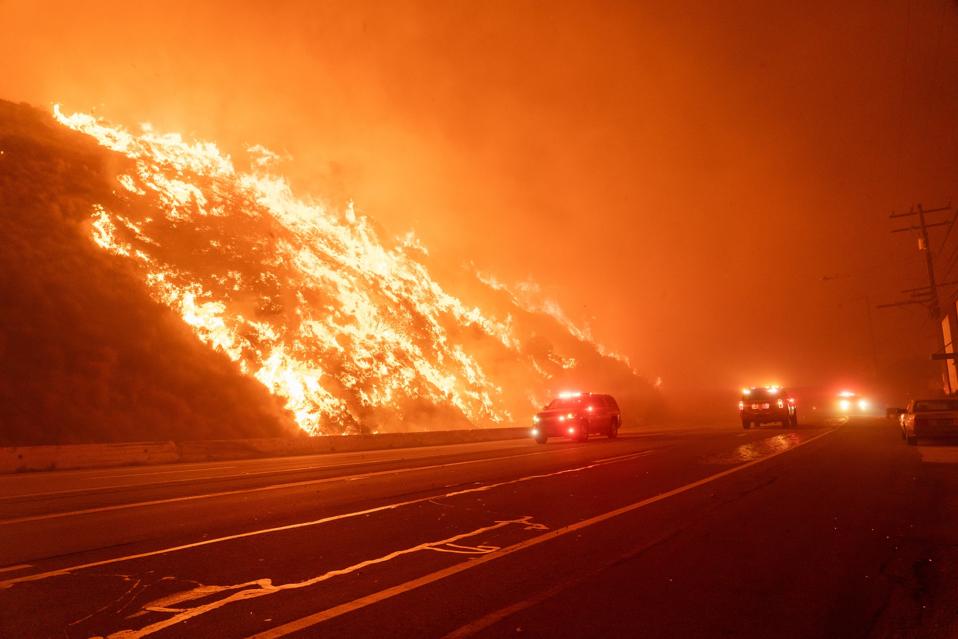
The geographical reality of Southern California is that it is a fire-dependent ecosystem. Before the sprawl of concrete and suburban neighborhoods, the Los Angeles Basin and the surrounding Santa Monica Mountains were shaped by periodic wildfires.
The Role of Mediterranean Climate
The region experiences a Mediterranean climate, characterized by long, dry summers and cool, wet winters. This cycle promotes the growth of chaparral—a dense, shrubby vegetation that thrives in heat. These plants have evolved to burn; they contain volatile oils that ignite easily, serving as nature’s way of clearing old growth to make room for new, nutrient-rich soil.
The Santa Ana Winds
The primary catalyst for the historical volatility of this region is the Santa Ana Winds. These high-pressure winds originate in the inland deserts and sweep westward toward the coast. When these gusts hit speeds of 50 to 80 miles per hour, they create a “blowtorch” effect, turning small brush fires into massive, uncontrollable infernos that can cross Interstate 405 in seconds.
Urbanization and the Wildland-Urban Interface
As Los Angeles expanded throughout the 20th century, the city began to push into these naturally volatile hills. This created the “Wildland-Urban Interface” (WUI)—a dangerous zone where human structures sit directly adjacent to flammable, undeveloped wilderness.
The Post-War Housing Boom
Following the Second World War, the demand for housing exploded. Developers sought out the scenic, elevated terrain of the Hollywood Hills and Griffith Park. While these locations offered breathtaking views of the Pacific Ocean and the urban grid below, they were located in areas that had historically burned every few decades.
Infrastructure and Ignition Sources
While the landscape is predisposed to fire, the ignition is almost exclusively human. As the city grid grew, power lines, transformers, and the sheer volume of traffic traversing canyons meant that the chances of a spark hitting dry brush increased exponentially. The history of major fires in Los Angeles is often a story of a downed power line or a careless human action meeting the perfect meteorological conditions.

Historic Fires That Shaped Policy
The modern approach to wildfire management in Los Angeles is not just a result of modern planning, but a reaction to catastrophic events that forced the city to rethink how it exists within nature.
The Bel Air Fire of 1961
One of the most defining moments in the history of the city was the Bel Air Fire. This blaze destroyed hundreds of high-end homes and forced the evacuation of some of the wealthiest neighborhoods in the world. It served as a wake-up call that wealth and status did not provide immunity from the ecological reality of the Santa Monica Mountains. Following this tragedy, building codes were radically updated, requiring fire-resistant roofing and greater clearance between houses and native brush.
The Evolution of Firefighting Technology
In the wake of these events, the Los Angeles Fire Department became one of the most sophisticated emergency response organizations in the world. From the use of specialized aircraft that drop fire retardant to the implementation of complex predictive mapping technology, the city has transformed how it mitigates fire risk.
Balancing Nature and Development
Today, the tension between the desire to live in the beauty of the California landscape and the reality of fire remains constant.
Landscape Management and “Defensible Space”
Current urban planning in areas like Topanga Canyon focuses heavily on the concept of “defensible space.” Residents are required to maintain strict clearances of vegetation around their properties. This creates a buffer zone that slows the advancement of flames, providing emergency personnel a chance to defend structures.

The Future of the Basin
As climate change alters local temperatures and precipitation patterns, the fire season in Los Angeles is no longer confined to the traditional autumn months. The city now faces year-round vigilance. The historical narrative of how fire started in Los Angeles—as a natural phenomenon amplified by human expansion—has transitioned into a future-focused conversation about sustainability.
Living in or visiting the region requires an understanding of this delicate balance. Whether trekking through the Santa Monica Mountains or driving through the scenic passes, travelers are interacting with an environment that is as dangerous as it is beautiful. By acknowledging the history of the Los Angeles fire landscape, residents and visitors alike contribute to a more informed, prepared culture that respects the power of the natural world.
The path forward involves a blend of historical awareness, cutting-edge technology, and a profound respect for the wild spaces that define the unique character of Southern California. As the city continues to evolve, the memory of past fires remains a cornerstone of its development, ensuring that the dream of the Golden State remains resilient against the elements.
LifeOutOfTheBox is a participant in the Amazon Services LLC Associates Program, an affiliate advertising program designed to provide a means for sites to earn advertising fees by advertising and linking to Amazon.com. Amazon, the Amazon logo, AmazonSupply, and the AmazonSupply logo are trademarks of Amazon.com, Inc. or its affiliates. As an Amazon Associate we earn affiliate commissions from qualifying purchases.