
California, a state renowned for its sun-kissed beaches, iconic landmarks, and vibrant culture, often comes with a hefty price tag. For a single person navigating its diverse landscapes, understanding what constitutes “low income” is not just a matter of financial classification but a key factor in shaping one’s lifestyle, housing options, and opportunities for travel and leisure. While the golden state offers unparalleled experiences, from the bustling metropolises of Los Angeles and San Francisco to the serene beauty of its national parks, these experiences can seem out of reach for those earning at the lower end of the income spectrum. This article delves into the definitions of low income in California for a single individual, exploring how these thresholds are determined, the realities of the state’s high cost of living, and practical strategies for budget-conscious residents and travelers to enjoy everything the state has to offer. Whether you’re seeking affordable accommodation, budget-friendly attractions, or simply trying to make ends meet in one of the world’s most dynamic economies, understanding low income is the first step toward smart financial planning and enjoying a rich life, even on a modest budget.
Understanding Low Income in California
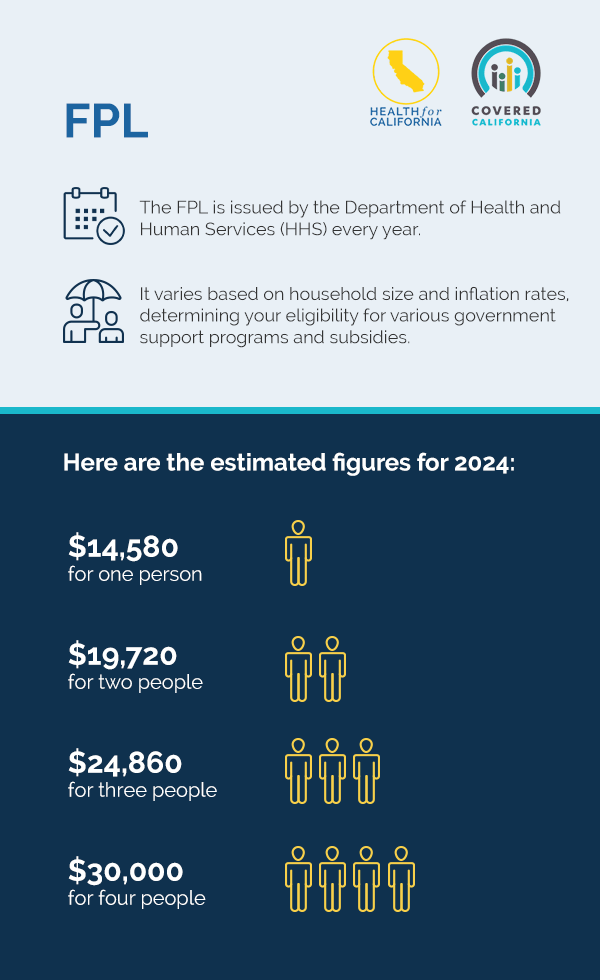
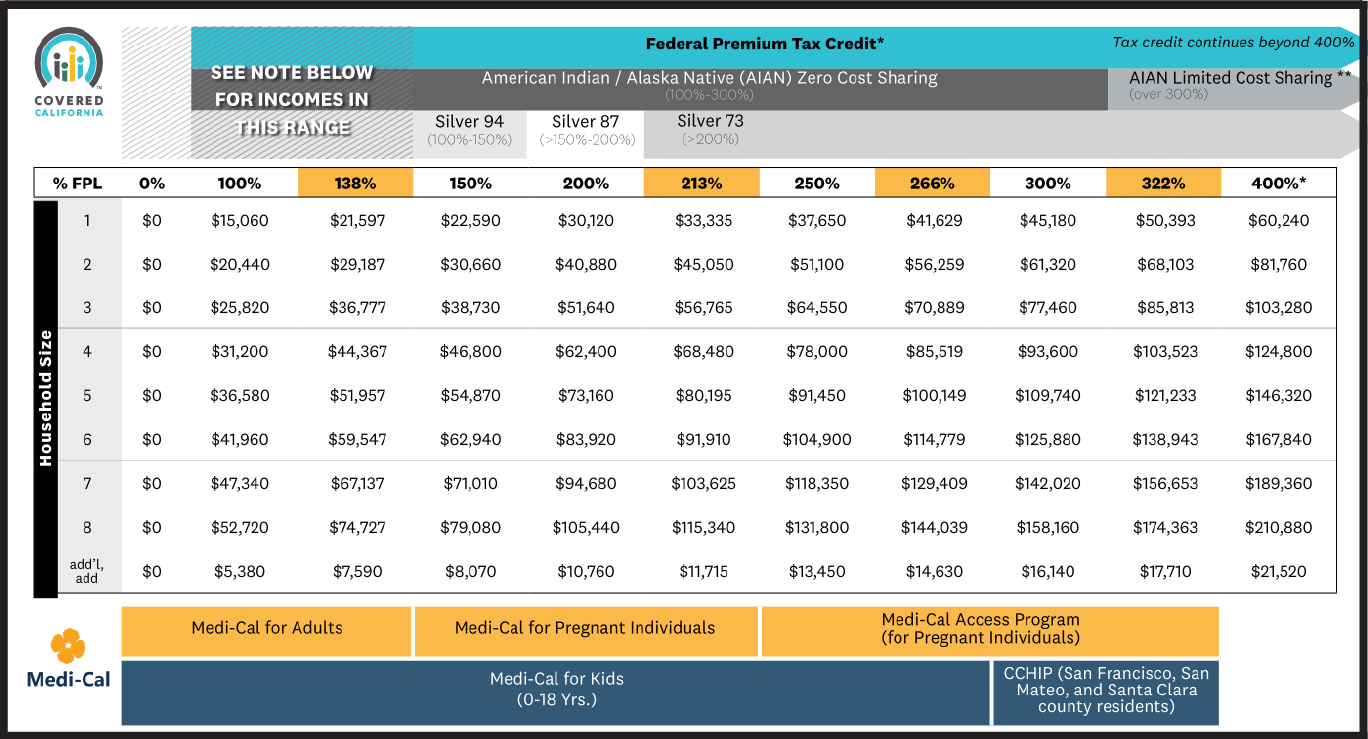
Defining “low income” in California is a complex task, primarily because the thresholds vary significantly based on federal guidelines, state regulations, and, most crucially, the specific county in which one resides. The cost of living across California is notoriously diverse, with some areas being among the most expensive globally, while others offer a comparatively more affordable existence. For a single person, these definitions directly impact eligibility for various assistance programs and dictate the financial realities of daily life, including housing, food, and transportation.
Federal and State Guidelines for Income Thresholds
The primary federal agency that sets income limits is the Department of Housing and Urban Development (HUD). HUD establishes income limits based on the Area Median Income (AMI) for each metropolitan area and non-metropolitan county. The AMI is the median income for a given area, and income limits are then set as percentages of this median. For instance, “low income” is typically defined as 80% of the AMI, “very low income” as 50% of the AMI, and “extremely low income” as 30% of the AMI. These figures are adjusted annually and vary drastically from one county to another.
The California Department of Housing and Community Development (HCD) adopts and sometimes modifies these HUD limits for its own housing and community development programs. For a single person in a high-cost area like San Francisco or San Jose, “low income” could easily be above $80,000 per year, reflecting the exceptionally high median income in those regions. Conversely, in more rural or inland counties such as Fresno or Kern County, the low-income threshold for a single person might be closer to $40,000 to $50,000 annually. These figures are crucial for determining eligibility for affordable housing, rental assistance programs like Section 8, and other state-sponsored benefits. It’s imperative for individuals to check the specific AMI limits for their particular county or the county they plan to move to, as published by HUD or HCD, to get an accurate understanding of their financial classification.
The True Cost of Living in California
While income thresholds might seem substantial in some parts of California, they must be viewed through the lens of the state’s notoriously high cost of living. For a single person designated as “low income,” everyday expenses can quickly consume a significant portion of their earnings, leaving little for discretionary spending, savings, or travel.
Housing is by far the most dominant expense. Median rents for a one-bedroom apartment in cities like San Francisco or Los Angeles can easily exceed $2,500-$3,000 per month. Even in more moderately priced cities like Sacramento or Riverside, a single person might still face rents upwards of $1,500-$1,800. These figures illustrate why housing assistance programs are so critical in California.
Beyond housing, transportation costs can also be prohibitive. While public transportation options are robust in major urban centers such as with BART in the Bay Area or Metro Los Angeles, car ownership is often necessary in many parts of the state. Fuel prices, insurance, and vehicle maintenance add significant financial burdens. Food expenses, though variable, are also generally higher in California compared to the national average, particularly for fresh produce and dining out. Utilities, healthcare, and miscellaneous expenses further contribute to the overall high cost of living. For a low-income single person, budgeting becomes an art form, requiring careful planning and resourcefulness to manage these essential costs while still aspiring to enjoy the unique lifestyle and travel opportunities California presents.
Navigating Accommodation on a Budget
For a single person on a low income in California, finding suitable and affordable accommodation is often the biggest challenge. However, with careful planning and an awareness of available resources, it is possible to secure a place to live or find budget-friendly stays for travel that don’t break the bank. This section explores various avenues for affordable housing and smart choices for temporary lodging.
Affordable Housing Programs and Resources
The state of California and numerous local municipalities offer a range of programs designed to assist low-income individuals with their housing needs. The most well-known federal program is Section 8, also known as the Housing Choice Voucher Program, which helps very low-income families, the elderly, and the disabled afford decent, safe, and sanitary housing in the private market. Eligibility for Section 8 is based on the HUD-established income limits, and while waiting lists can be exceptionally long in high-demand areas, it remains a vital resource.
Beyond federal programs, many cities and counties have their own affordable housing initiatives. These might include rent-controlled apartments, inclusionary zoning policies that require developers to set aside a percentage of units for low-income residents, or local housing authority programs offering rental assistance or subsidized units. Non-profit organizations across the state also play a crucial role, often operating affordable housing developments or providing counseling and referral services. Individuals are encouraged to contact their local housing authority or consult with community-based organizations to inquire about available programs. While securing permanent affordable housing can be a lengthy process, these resources are fundamental for long-term stability for low-income single persons in California.
Budget-Friendly Stays for the Low-Income Traveler
When it comes to exploring California, a low income doesn’t mean travel is impossible; it simply means adopting a strategic approach to accommodation. The key is to seek out value, flexibility, and unique lodging options that cater to budget travelers.
Hostels are an excellent choice for single travelers seeking affordability and a social atmosphere. Cities like San Diego, Los Angeles, and San Francisco boast numerous well-regarded hostels, such as HI San Francisco Fisherman’s Wharf Hostel or USA Hostels San Diego, where a bed in a dormitory can be significantly cheaper than a private room. Many also offer private rooms at a lower cost than traditional hotels.
For those preferring more privacy, budget motel chains like Motel 6, Super 8, or Travelodge are ubiquitous along major highways and in smaller towns. While basic, they offer essential amenities and are often conveniently located for road trips. Extended-stay hotels, such as Extended Stay America, can also be cost-effective for longer visits, as they often include kitchenettes, allowing travelers to save on dining out.
Airbnb and similar platforms can also yield good deals, particularly for private rooms in shared homes, which can offer a more local experience at a lower price point than entire apartments. Travelers can filter by price, ensuring they stay within their budget.
Camping is arguably the most budget-friendly way to experience California’s breathtaking natural beauty. State parks like Anza-Borrego Desert State Park, Big Basin Redwoods State Park, or national forests offer campsites for a fraction of hotel costs. Many provide basic facilities, and the experience of sleeping under the stars amidst California’s diverse landscapes is priceless. Reservations, especially for popular parks like Yosemite National Park or Sequoia National Park, should be made far in advance due to high demand. Finally, house-sitting or couch-surfing networks can provide free accommodation in exchange for responsibilities or cultural exchange, offering unique experiences for the adventurous budget traveler.
Experiencing California on a Shoestring Budget
California’s allure is undeniable, with its diverse landscapes, cultural hotspots, and world-class attractions. For a single person living on a low income, the perception might be that many of these experiences are inaccessible. However, with savvy planning and a focus on free or low-cost activities, it is entirely possible to enjoy the best of the golden state without overspending. This approach not only makes travel feasible but also enriches the daily lifestyle of residents.
Free and Low-Cost Attractions
One of the greatest advantages of California is its abundance of natural beauty and public spaces, many of which are free or require only a minimal fee. The state boasts an incredible coastline, with countless public beaches that offer sunbathing, swimming, and surfing opportunities. Iconic spots like Santa Monica Beach, La Jolla Shores, and the beaches along the Pacific Coast Highway are completely free to enjoy. Exploring the historic piers, like Santa Monica Pier or Fisherman’s Wharf in San Francisco, also offers lively entertainment and scenic views without an entry fee.
California’s state park system, while sometimes requiring a small day-use fee for parking (often around $10-$15 per vehicle), provides access to stunning natural wonders, hiking trails, and picturesque picnic spots. Many city parks, such as Golden Gate Park in San Francisco or Griffith Park in Los Angeles, are free to enter and offer a wealth of activities, from botanical gardens and scenic overlooks to walking paths and playgrounds.
Many museums and cultural institutions in California offer free admission on specific days or at certain times. For example, the Getty Center in Los Angeles offers free admission (though parking has a fee). Smaller community museums, art galleries, and historical sites often have lower entry fees or free days. Checking their websites in advance is always recommended. Additionally, simply wandering through vibrant neighborhoods, exploring street art, attending free outdoor concerts or farmers’ markets, and enjoying the lively atmosphere of California’s cities can provide rich cultural experiences at no cost. Even visiting a world-renowned landmark like the Golden Gate Bridge is free for pedestrians and cyclists.
Smart Travel and Lifestyle Tips
Maximizing a low income for both daily living and occasional travel in California requires a strategic approach to spending. Transportation is a major factor. In major metropolitan areas, utilizing public transport systems like BART in the Bay Area, Metro Los Angeles, or city buses is significantly cheaper than driving and paying for parking. For intercity travel, buses (e.g., Greyhound, FlixBus) or Amtrak’s Pacific Surfliner and Coast Starlight routes can offer scenic and affordable alternatives to flying or extensive driving, especially if booked in advance. Carpooling or ride-sharing apps can also reduce costs for specific trips.
Food expenses can be managed by cooking at home or preparing meals and snacks for day trips and picnics. Grocery stores like Trader Joe’s and Aldi (where available) offer more affordable options. For dining out, seek out happy hour specials, food trucks, or ethnic eateries that often provide delicious and budget-friendly meals. Utilizing discount apps and coupon websites for local deals on restaurants and activities can also yield significant savings.
For longer trips, consider staycations or exploring nearby towns that are accessible by public transport or a short, fuel-efficient drive. Many of California’s smaller cities, such as Santa Barbara or Monterey, can be enjoyed over a weekend with careful budgeting. Budget travel can also mean embracing off-season visits, which often come with lower accommodation prices and fewer crowds. Leveraging library passes for free museum entry, looking for free community events, and simply enjoying the abundant hiking and biking trails across the state are all ways to enrich a California lifestyle without a hefty price tag. For those interested in cultural attractions, check if you qualify for programs like “Museums for All,” which offers discounted admission to participating museums for those receiving food assistance.
Resources and Support for Low-Income Californians
Living on a low income in California presents unique challenges, but also access to a robust network of governmental and non-profit support systems designed to alleviate financial burdens and improve quality of life. Understanding and utilizing these resources can free up funds for essential living expenses, and potentially even for budget travel and leisure, transforming the daily experience for a single person.
Government and Non-Profit Assistance Programs
A variety of programs exist at federal, state, and local levels to assist low-income Californians. Food assistance is a critical resource, primarily through CalFresh (California’s version of the federal SNAP program), which provides eligible individuals with funds to purchase groceries. Many communities also have food banks and pantries run by non-profit organizations that offer free or low-cost food.
Healthcare is another major concern, and Medi-Cal provides comprehensive health coverage for low-income adults, families, and children. Access to affordable healthcare ensures that unexpected medical bills don’t derail an already tight budget.
Utility assistance programs like the Low Income Home Energy Assistance Program (LIHEAP) and the California Alternate Rates for Energy (CARE) program can help reduce the cost of electricity and gas bills, which can be substantial in California, especially during peak heating or cooling seasons. Additionally, various local non-profits and county agencies often provide emergency rental assistance, legal aid for housing issues, and homelessness prevention services.
For those pursuing education or skill development, there are educational grants and scholarships specifically targeting low-income students. These can be crucial for enhancing career prospects and increasing future earning potential. Furthermore, several non-profits focus on financial literacy and counseling, helping individuals manage debt, build savings, and navigate complex benefit systems. Engaging with these organizations, such as the United Way or local community action agencies, can provide invaluable guidance and support for a single person striving to thrive on a limited income in California.
Building a Sustainable Budget for Exploration
Beyond direct financial aid, mastering personal finance is key to creating space for travel and leisure, even on a low income. Building a sustainable budget is about more than just cutting costs; it’s about strategic allocation of resources and finding creative ways to save.
Track your spending: The first step is to meticulously track where every dollar goes. Apps and spreadsheets can help identify areas where spending can be reduced. Create a realistic budget: Differentiate between needs and wants. Prioritize essential expenses (housing, food, utilities, transportation) and then allocate a small, consistent amount for savings and discretionary spending. Even saving $50 a month for a “travel fund” can accumulate over time.
Seek out deals and discounts: Always look for student discounts (if applicable), senior discounts, or local resident discounts for attractions, events, and transportation. Many cities offer discount passes for multiple attractions, which can be cost-effective if used strategically. Websites and apps dedicated to deals, like Groupon or local tourism boards, can highlight affordable activities.
Embrace minimalism and resourcefulness: Consider whether certain subscriptions or non-essential purchases are truly necessary. Instead of buying new items, explore second-hand stores, swap meets, or online marketplaces. For travel, be flexible with dates and destinations to capitalize on off-peak pricing. Pack light to avoid baggage fees and consider alternative transportation methods like biking.
Finally, networking and community engagement can lead to shared experiences and lower costs. Joining hiking groups, free fitness classes, or community clubs can provide opportunities for social interaction and exploration without significant expense. For a single person in California, cultivating a mindset of resourcefulness and strategic planning is not just about survival, but about opening doors to a fulfilling life, complete with the occasional adventure, despite a limited income.

Conclusion
Navigating California as a single person on a low income presents a distinct set of challenges, from the high cost of housing to the general expense of daily living. However, understanding the specific definitions of low income, leveraging available support systems, and adopting a strategic approach to budgeting and lifestyle can transform these challenges into opportunities. The “golden state” is undeniably expensive, with income thresholds for low-income status often appearing substantial yet barely covering basic needs in its priciest regions. Yet, this reality does not preclude a rich and engaging life.
Through careful planning, smart choices in accommodation, and a focus on the myriad free and low-cost attractions, a low-income individual can still experience the best of California. From the majestic beauty of its state parks and beaches to the vibrant cultural scene of its cities, many of California’s treasures are accessible to those who seek them out resourcefully. Government and non-profit assistance programs offer a crucial safety net, providing support for fundamental needs like food, housing, and healthcare, thereby freeing up limited funds for occasional leisure and travel.
Ultimately, living on a low income in California for a single person is a testament to resilience, meticulous planning, and the pursuit of value. By understanding the landscape of assistance, embracing budget-friendly travel and lifestyle choices, and building a sustainable financial strategy, it is entirely possible to not only survive but also thrive and enjoy the unparalleled experiences that the diverse and beautiful state of California has to offer. It’s about living smartly, connecting with community, and finding joy in the journey, one mindful step at a time.
LifeOutOfTheBox is a participant in the Amazon Services LLC Associates Program, an affiliate advertising program designed to provide a means for sites to earn advertising fees by advertising and linking to Amazon.com. Amazon, the Amazon logo, AmazonSupply, and the AmazonSupply logo are trademarks of Amazon.com, Inc. or its affiliates. As an Amazon Associate we earn affiliate commissions from qualifying purchases.