
California, a state synonymous with innovation, progressive policies, and a vibrant lifestyle, has long been at the forefront of cannabis reform in the United States. Its journey towards legalization has not only reshaped its legal landscape but also created entirely new dimensions for travel, tourism, and lifestyle within the Golden State. For many travelers and residents alike, understanding the timeline of cannabis legalization is crucial for navigating its burgeoning industry, experiencing its unique offerings, and ensuring a responsible visit. The short answer is that California first legalized cannabis for medical use in 1996, and then for adult recreational use in 2016. However, the story behind these dates, and their profound impact on California’s identity as a premier global destination, offers a fascinating insight into the state’s pioneering spirit.

A Historical Perspective: California’s Path to Legalization
The path to widespread cannabis legalization in California was a gradual evolution, marked by groundbreaking legislative efforts and shifting public perceptions. From being the first state to embrace medical cannabis to ushering in the era of adult-use, California’s journey has served as a blueprint for many other jurisdictions around the world. This historical context is vital for appreciating the depth of its current cannabis culture and how it intertwines with the state’s broader appeal for travel and leisure.
Proposition 215: The Dawn of Medical Cannabis (1996)
The year 1996 marked a pivotal moment in California’s history and for the cannabis movement nationwide with the passage of Proposition 215, also known as the Compassionate Use Act. This landmark legislation made California the first state in the United States to legalize medical cannabis, allowing patients with a doctor’s recommendation to possess and cultivate cannabis for personal medical use. The passage of Prop 215 was a significant victory for patient advocates and set a precedent for future cannabis reforms.
Initially, the landscape for medical cannabis was relatively unregulated, leading to a patchwork of dispensaries and cooperative models springing up across cities like San Francisco, Los Angeles, and Oakland. These early establishments, though often operating in a legal gray area, laid the groundwork for the sophisticated retail environment seen today. For many, it represented a new form of wellness tourism, where individuals could seek alternative treatments and access cannabis for a range of ailments. This early phase also highlighted California’s reputation as a progressive hub, attracting those interested in health and wellness innovations. The nascent medical cannabis industry also saw the rise of specialized clinics and cultivation centers, particularly in agricultural regions like the Emerald Triangle (comprising Humboldt County, Mendocino County, and Trinity County), which had long been known for illicit cannabis cultivation. Prop 215 not only provided relief for patients but also began to destigmatize cannabis, paving the way for broader public acceptance and the eventual push for recreational legalization.
Proposition 64: The Adult-Use Era Begins (2016)
Two decades after legalizing medical cannabis, California took the next monumental step. On November 8, 2016, voters passed Proposition 64, the Adult Use of Marijuana Act (AUMA), which legalized cannabis for recreational use by adults 21 and older. This groundbreaking decision made California the fifth state to legalize recreational cannabis, solidifying its role as a leader in cannabis policy reform. While the proposition passed in 2016, the full implementation of commercial retail sales didn’t officially begin until January 1, 2018. This interim period allowed the state to develop a robust regulatory framework covering everything from cultivation and manufacturing to testing, distribution, and retail sales.
Proposition 64 brought about significant changes, allowing adults to possess up to 28.5 grams of cannabis flower and 8 grams of concentrated cannabis, as well as cultivate up to six cannabis plants at home for personal use. The legislation also established a comprehensive licensing system for cannabis businesses and imposed excise and cultivation taxes, generating substantial revenue for public services, including youth programs, environmental protection, and public safety. For travelers and residents, this meant a dramatic shift from a medical-only market to a fully regulated adult-use industry, opening up new avenues for tourism and lifestyle experiences. The transition spurred an explosion of legitimate businesses, from sophisticated dispensaries designed like high-end boutiques to cannabis tour operators and innovative product manufacturers. This new era positioned California not just as a destination for traditional attractions, but as a pioneering hub for cannabis-integrated travel and unique lifestyle choices, promising both economic growth and a more transparent, safer market for consumers.
Cannabis Tourism in the Golden State: A New Travel Niche
With recreational cannabis legalization, California has inadvertently birthed a vibrant new sector: cannabis tourism. This emerging niche caters to travelers curious about cannabis culture, seeking unique experiences, or simply wanting to enjoy cannabis responsibly within a legal framework. From bespoke tours to cannabis-friendly accommodations, the state offers a diverse array of options that blend seamlessly with its traditional tourist attractions, appealing to a wide range of visitors looking for an alternative or complementary travel experience.
Exploring Cannabis-Friendly Destinations and Experiences
California’s diverse regions offer distinct cannabis experiences, catering to different interests. Cities like Los Angeles and San Francisco are at the forefront, boasting an impressive number of high-end dispensaries that resemble luxury boutiques, offering curated selections of flower, edibles, concentrates, and topicals. Visitors can embark on guided cannabis tours in these urban centers, which often include visits to cultivation facilities, processing labs, and tasting rooms, providing an educational and immersive insight into the industry. In West Hollywood, for instance, the concentration of sophisticated dispensaries and burgeoning consumption lounges offers a glimpse into the future of cannabis retail and social consumption.
Beyond the major metropolitan areas, regions like Palm Springs have also embraced cannabis tourism, integrating it with their wellness and luxury resort offerings. Here, travelers might find cannabis-infused spa treatments, yoga sessions, or even private chef dinners featuring cannabis pairings. The Emerald Triangle, though historically known for its illicit grows, is gradually transitioning into an agro-tourism destination, with some farms offering educational tours that highlight sustainable cultivation practices. For those interested in events, California hosts numerous cannabis festivals and expos throughout the year, such as the Hall of Flowers, which bring together industry professionals and enthusiasts. Whether you’re interested in the cultivation process, the science behind different strains, or simply enjoying high-quality products in a safe and legal environment, California’s cannabis-friendly destinations offer a dynamic range of experiences that enrich any travel itinerary, blending perfectly with a lifestyle focused on discovery and indulgence.
Accommodation and Cannabis: Navigating the Rules
One of the most frequently asked questions by cannabis enthusiasts planning a trip to California revolves around accommodation: where can one legally consume cannabis? While recreational cannabis is legal, public consumption remains prohibited. This means that smoking or vaping in public spaces, including sidewalks, parks, beaches, and even within a vehicle (whether driving or parked), is illegal. Consequently, the choice of accommodation becomes paramount for travelers wishing to indulge responsibly.
The hospitality sector in California is gradually adapting to this new reality. While traditional hotels typically prohibit smoking of any kind in rooms, some are beginning to offer designated smoking areas, or are even exploring cannabis-friendly policies. A growing trend includes “bud and breakfast” establishments, boutique hotels, or private vacation rentals that explicitly advertise themselves as cannabis-friendly. These accommodations often provide a safe and legal environment for consumption, sometimes even offering cannabis-related amenities or experiences. Platforms like Airbnb and other vacation rental sites also feature listings that specify their cannabis policies, allowing travelers to filter for properties where consumption is permitted. It’s crucial for visitors to confirm the cannabis policy directly with their chosen accommodation before booking, especially if they plan to consume on-site. Many establishments may allow edibles or vaping indoors but prohibit smoking flower. As the industry matures, the availability of purpose-built consumption lounges, where visitors can legally purchase and consume cannabis in a social setting, is also expanding in certain cities like West Hollywood and Palm Springs, offering an alternative to private accommodation. These spaces are evolving into sophisticated venues that combine elements of bars, cafes, and lounges, reflecting a broader shift in lifestyle and tourism.

Understanding the Regulations: What Travelers Need to Know
While California has embraced cannabis legalization, it operates under a robust regulatory framework designed to ensure public safety and responsible consumption. For any traveler or visitor planning to explore California’s cannabis offerings, understanding these rules is not just about compliance but about enhancing your overall experience and avoiding potential legal pitfalls. Adhering to these guidelines ensures that your visit is smooth, enjoyable, and contributes positively to the state’s innovative cannabis tourism landscape.
Legalities for Visitors: Possession, Purchase, and Consumption
For adults aged 21 and over, California’s cannabis laws are relatively straightforward, but adherence is key. Visitors can purchase cannabis from licensed dispensaries, which are easily identifiable by their official state licensing signs. A valid government-issued ID (like a driver’s license or passport) is required for all purchases. The legal possession limit for adults is 28.5 grams (one ounce) of cannabis flower and 8 grams of concentrated cannabis, which includes edibles, vapes, and tinctures. It’s important to remember that purchasing limits are typically per transaction, not per day, so plan accordingly if you intend to buy larger quantities.
Consumption, however, is more restricted. As previously mentioned, public consumption is strictly prohibited. This includes any area visible to the public, such as streets, parks (including national parks like Yosemite National Park or beaches like Venice Beach), restaurants, bars, and federal lands. While some cities are gradually licensing consumption lounges, these are currently limited. The safest and most common place for consumption remains private property, with the owner’s permission. Driving under the influence of cannabis is illegal and carries penalties similar to alcohol DUI, so never consume cannabis before or while operating a vehicle. When transporting cannabis, it must be in a sealed container and kept out of reach, preferably in the trunk of your car, to avoid any perception of open container violations. Understanding these rules is essential for enjoying California’s cannabis scene responsibly and integrating it into your travel lifestyle without incident.
Impact on Cross-State and International Travel
Despite California’s progressive cannabis laws, it is critically important for travelers to remember that cannabis remains federally illegal in the United States. This federal prohibition has significant implications for cross-state and international travel. Simply put, you cannot transport cannabis across state lines, even if both the origin and destination states have legalized it. Doing so can lead to severe federal penalties. Similarly, attempting to carry cannabis into or out of the United States is strictly forbidden and can result in federal criminal charges, denial of entry, or even a lifetime ban from certain countries.
This federal stance means that airports, which are governed by federal law, are no-go zones for cannabis. Even within California’s airports, carrying cannabis is prohibited, despite the state’s legalization. While the Transportation Security Administration (TSA) states its primary focus is on security threats and not actively searching for drugs, if cannabis is discovered during a security screening, TSA protocols dictate that local law enforcement will be notified, and they will then enforce state laws. For international visitors, understanding this distinction is crucial: possessing cannabis, even legally purchased in California, can have serious repercussions upon re-entry into your home country or travel to other nations, as many countries have zero-tolerance drug policies. Therefore, the general rule for travelers is: purchase and consume cannabis responsibly within California’s legal boundaries, but do not attempt to take it with you when you leave the state or the country. This responsible approach ensures a hassle-free journey and avoids any conflict with differing legal jurisdictions, allowing you to fully appreciate your California experience.
The Future of Cannabis and California Tourism
California’s role as a pioneer in cannabis legalization has set a precedent, and the state continues to innovate within this evolving industry. The integration of cannabis into mainstream tourism and lifestyle experiences is still in its early stages, yet its potential for growth and further diversification is immense. The future promises an even more sophisticated and integrated approach, further cementing California’s status as a top global destination.
Evolving Landscape and Emerging Trends
The cannabis landscape in California is continuously evolving. One of the most significant emerging trends is the expansion of licensed cannabis consumption lounges. As more cities, like Palm Springs and West Hollywood, embrace these spaces, visitors will have more opportunities to consume cannabis in social, regulated environments, akin to bars or cafes. This development is crucial for tourists who may not have access to private consumption spaces. We can expect to see these lounges diversify, offering different atmospheres from chic, upscale venues to more casual, communal spaces, often featuring live music, art, and culinary offerings.
Another exciting trend is the deeper integration of cannabis into the wellness and luxury travel sectors. Imagine resorts in Napa Valley or Sonoma County offering cannabis-infused spa treatments, guided meditation with cannabis, or gourmet dining experiences featuring cannabis-paired menus. The rise of cannabis-friendly events, such as farmers’ markets for cannabis products or educational seminars on cultivation and consumption, also points to a future where cannabis tourism is more experiential and immersive. The state’s commitment to sustainable practices and artisanal production within the cannabis industry also aligns with the broader demand for authentic, locally-sourced experiences in travel. As regulations become clearer and public acceptance grows, California is poised to lead the way in showcasing how cannabis can be responsibly and luxuriously integrated into a modern travel and lifestyle itinerary, attracting a new generation of sophisticated travelers.
A Unique Lifestyle Experience
Beyond the economic and regulatory aspects, California’s legalization of cannabis has profoundly influenced its cultural fabric and lifestyle, creating a unique identity that resonates with both residents and visitors. Cannabis has become more than just a product; it’s part of a lifestyle that emphasizes wellness, creativity, and conscious consumption. This is particularly evident in cities like Berkeley, Santa Cruz, and Los Angeles, where cannabis culture is woven into the arts, culinary scene, and overall relaxed atmosphere.
For many, exploring California’s cannabis scene offers a chance to experience a different side of the state – one that aligns with its progressive values, entrepreneurial spirit, and diverse population. It’s about more than just purchasing products; it’s about engaging with a community, learning about the plant’s history and potential, and participating in a evolving cultural phenomenon. Whether it’s visiting a state-of-the-art cultivation facility, enjoying a cannabis-infused meal, or simply relaxing in a cannabis-friendly environment, these experiences contribute to a distinctive California lifestyle. As the industry continues to mature and integrate into the mainstream, cannabis will increasingly become an intrinsic part of the Golden State’s appeal, offering travelers and residents alike an unparalleled opportunity to explore, relax, and engage with a truly unique aspect of modern California living.
Conclusion
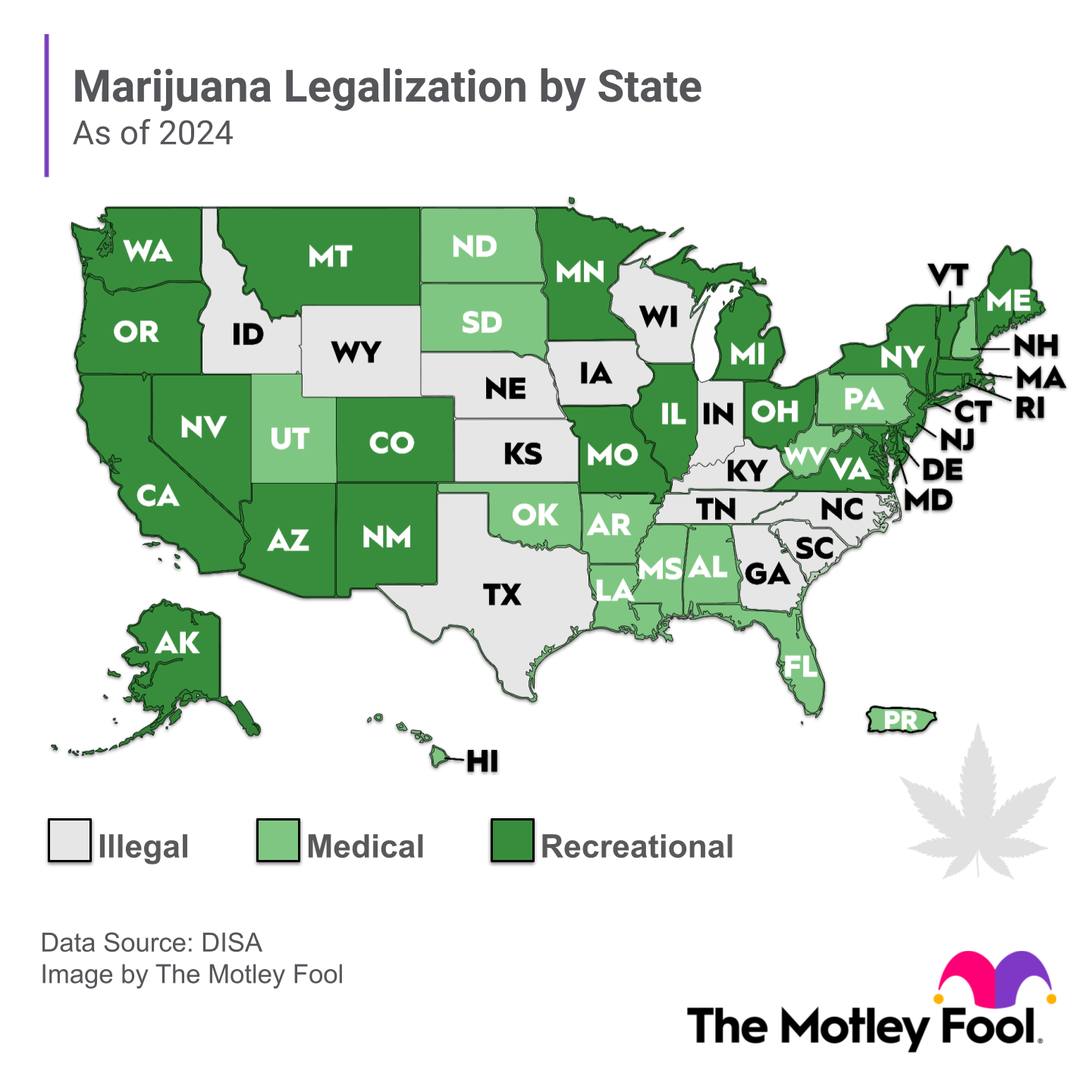
California’s journey to legalize cannabis has been a long and groundbreaking one, marking key milestones first with medical cannabis in 1996, and then fully embracing adult-use recreational cannabis with the passage of Proposition 64 in 2016, with retail sales commencing in 2018. This progressive stance has not only transformed the state’s legal and economic landscape but has also opened up exciting new avenues for travel, tourism, and lifestyle exploration. From the bustling dispensaries of Los Angeles and San Francisco to the emerging cannabis-friendly accommodations and sophisticated consumption lounges, California offers a diverse range of experiences for the curious traveler.
As California continues to lead the way in cannabis innovation, it’s crucial for visitors to remain informed about the state’s regulations regarding possession, purchase, and consumption. While the Golden State provides an unparalleled opportunity to explore legal cannabis, adherence to public consumption laws and federal restrictions on cross-state and international transport is paramount for a seamless and enjoyable visit. Ultimately, California’s embrace of cannabis has cemented its status as a vibrant and forward-thinking destination, offering a unique blend of traditional attractions and modern lifestyle experiences for all who seek to explore its golden shores.
LifeOutOfTheBox is a participant in the Amazon Services LLC Associates Program, an affiliate advertising program designed to provide a means for sites to earn advertising fees by advertising and linking to Amazon.com. Amazon, the Amazon logo, AmazonSupply, and the AmazonSupply logo are trademarks of Amazon.com, Inc. or its affiliates. As an Amazon Associate we earn affiliate commissions from qualifying purchases.