
The question “How Many Prisons Are In Texas?” immediately sparks curiosity, reflecting the sheer scale and diverse nature of the Lone Star State. Texas, a land of vast plains, bustling metropolises, and rich history, is known for many things: its vibrant culture, legendary barbecue, expansive Texas Hill Country, and world-class travel destinations. However, its correctional system, like many other public services, is commensurately large, mirroring the state’s significant population and geographic size. While perhaps not a typical topic for a travel blog, understanding the full landscape of Texas – including its institutional infrastructure – provides a more complete picture of this unique and often surprising destination. For those planning a trip, or simply intrigued by the nuances of the places they visit, exploring the various facets of a state, even its less conventional aspects, can deepen appreciation for its complexity. This article delves into the correctional system of Texas, contextualizing it within the broader framework of the state’s identity, its economy, and its many attractions, offering a unique lens through which to view one of the most dynamic states in the United States.
The Scope of Correctional Facilities in Texas
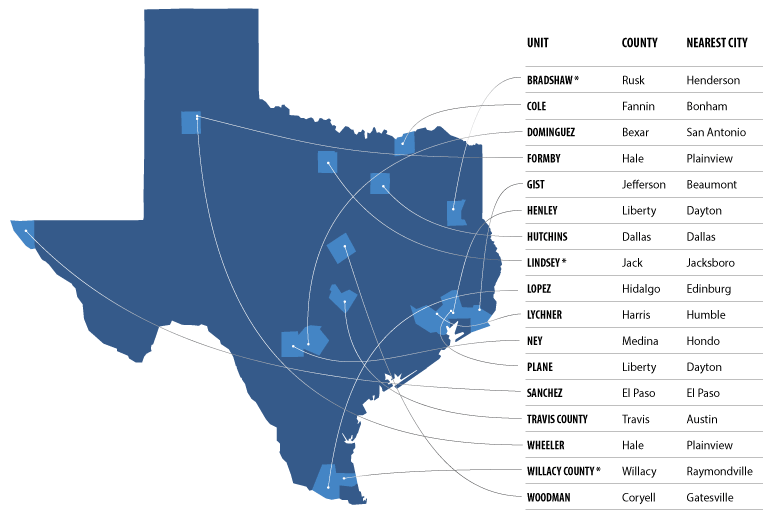
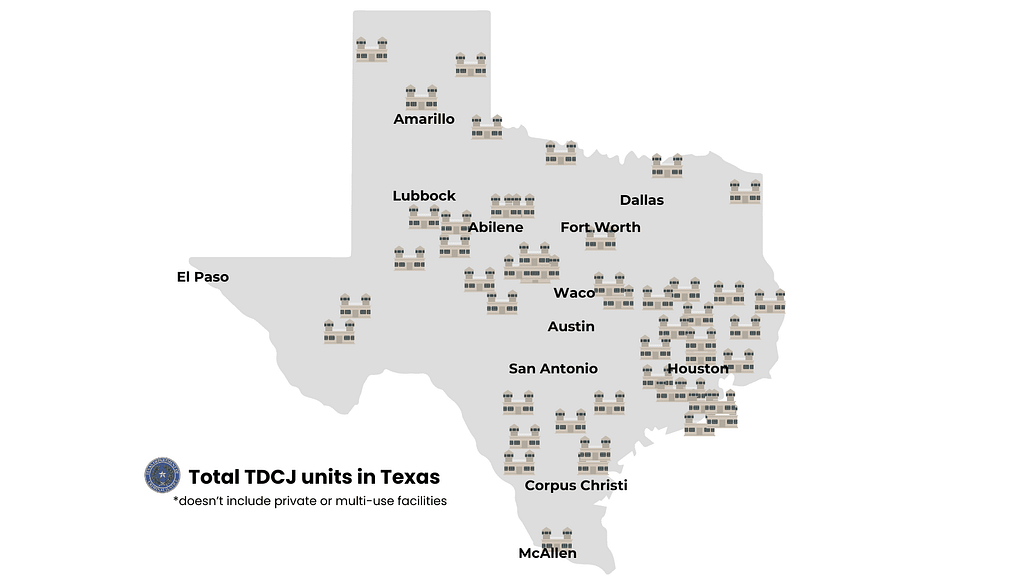
To answer the question directly, Texas operates a significant number of correctional facilities, making its system one of the largest in the United States. The primary entity responsible for state-level incarceration is the Texas Department of Criminal Justice (TDCJ). The TDCJ oversees a vast network of facilities, including various types of prisons, state jails, and substance abuse felony punishment facilities (SAFPFs). As of recent data, the TDCJ manages approximately 100 correctional facilities across the state. This number fluctuates slightly due to closures, consolidations, or the opening of new units, but it consistently hovers around this figure.
These facilities are spread across Texas, often in rural areas where they serve as significant employers and economic anchors for local communities. The scale of the TDCJ system reflects not only the large population of the Lone Star State but also its approach to criminal justice over several decades. Understanding this infrastructure is key to grasping one of the less visible yet impactful aspects of the State of Texas.
Understanding the Texas Department of Criminal Justice (TDCJ)
The Texas Department of Criminal Justice (TDCJ) is a massive state agency with a complex mandate: to provide public safety through the safe and secure incarceration of offenders, effective supervision of offenders in the community, and providing programs to assist in their reintegration into society. Its dozens of prison units range in security level from maximum security to minimum security, housing a diverse population of inmates. Each unit, like the historic Huntsville Unit (also known as “The Walls Unit”), has its own specific purpose and history.
The TDCJ system also includes state jails, which are distinct from traditional prisons. State jails were established to house non-violent felony offenders and generally have shorter sentences, focusing more on rehabilitation programs. Additionally, the department operates substance abuse felony punishment facilities, which are specialized units designed to provide intensive treatment for offenders with substance abuse issues. The operational scale of the TDCJ is immense, requiring a vast network of personnel, resources, and logistics to manage safely and effectively. This infrastructure, while not a tourist attraction itself, is an undeniable part of the state’s fabric and its operational landscape.
Beyond State Prisons: Federal and Local Institutions
While the Texas Department of Criminal Justice (TDCJ) accounts for the vast majority of correctional facilities in Texas, it’s important to recognize that the total count of detention centers extends beyond state control. The United States federal government also operates correctional facilities within the borders of Texas, overseen by the Federal Bureau of Prisons (BOP). These federal institutions house individuals convicted of federal crimes, distinct from state offenses. Examples include Federal Medical Centers, Federal Correctional Institutions, and Metropolitan Detention Centers located in various parts of the state.
Furthermore, every county in Texas operates its own local jail system. These county jails primarily hold individuals awaiting trial, those serving short sentences for misdemeanors, or those waiting to be transferred to state or federal facilities. The number of county jails easily surpasses the number of state prisons, with hundreds of facilities scattered across the 254 counties of Texas. When considering the grand total of “prisons” or correctional facilities, one must factor in these federal and county institutions alongside the extensive TDCJ system, painting a comprehensive picture of the state’s custodial infrastructure. These various facilities, while often unseen by the casual traveler, represent a significant part of the governmental and social landscape of the Lone Star State.
Historic Perspectives: Prisons as Unconventional Landmarks
While active prisons are not tourist destinations, the history of incarceration in Texas – and indeed throughout the United States – does intersect with the concept of landmarks and historical interest. Many older correctional facilities have deep roots in their communities, reflecting architectural styles of bygone eras and bearing witness to significant periods in social and legal history. In some parts of the world, and even in some other U.S. states, former prisons have been repurposed into museums or historical sites, offering a unique, albeit somber, educational experience for visitors.
In Texas, the operational focus of its correctional facilities means that such transformations are less common. However, the influence of these institutions on local culture and economy, particularly in certain towns, is undeniable and forms an unconventional, yet significant, part of their identity. Understanding this historical context adds another layer to appreciating the vast and varied tapestry of the Lone Star State.
From Confinement to Curiosity: Former Prisons as Museums (A Concept in Texas)
Unlike some famous international examples, such as Alcatraz Island in California or the Old Idaho Penitentiary, Texas has not widely converted its former correctional facilities into major public museums or tourist attractions. The state’s history with its penal system is often seen as a continuous, evolving operational entity rather than a series of distinct historical chapters to be preserved for public viewing in the same way battlefields or presidential homes are. However, the architectural and historical significance of some of its oldest units, such as the Huntsville Unit, often referred to as “The Walls Unit,” cannot be overlooked. This facility, established in 1849, is the oldest state prison in Texas and remains active today. Its distinctive brick walls and imposing structure are a familiar sight in Huntsville, a town deeply intertwined with the Texas Department of Criminal Justice (TDCJ).
While not a museum, the presence of such historic, active institutions serves as a powerful, albeit subtle, landmark for those who understand its context. The story of Texas’s correctional system is part of its broader narrative of justice, frontier development, and social evolution. Travelers interested in less conventional aspects of history might find themselves pondering the history and impact of these long-standing institutions, even if their access is limited to viewing them from a distance or learning about their past in local historical societies or university archives.
The Socio-Economic Footprint on Texas Towns
The presence of correctional facilities has a profound and lasting socio-economic footprint on many Texas towns, particularly in rural areas. For decades, the construction and operation of prisons have been viewed as a form of economic development, providing stable employment opportunities for thousands of Texans as correctional officers, administrative staff, and support personnel. Towns like Huntsville, Gatesville, and Eden are often referred to as “prison towns,” where the Texas Department of Criminal Justice (TDCJ) is the largest employer. This employment base helps sustain local economies, supporting small businesses, schools, and essential services.
Beyond direct employment, these facilities generate indirect economic activity. Families visiting incarcerated loved ones often require accommodation, food, and other services, leading to a modest boost in local tourism-related sectors, albeit for a specific purpose. This creates a unique dynamic for these communities, where the infrastructure for housing prisoners also supports a segment of the local hospitality industry. For travelers who venture beyond the major metropolitan areas, these towns offer a glimpse into a different kind of Texan lifestyle, one shaped by the steady presence of these large state institutions. Understanding this aspect enriches the overall appreciation of Texas’s diverse socio-economic fabric, moving beyond the typical tourist narratives to explore how various industries contribute to the state’s character.
Exploring Texas Beyond the Walls: Travel and Tourism Insights
While the correctional system is a significant part of Texas’s infrastructure, it is far from defining the state’s immense appeal as a travel destination. The Lone Star State offers an unparalleled array of experiences, from vibrant urban centers teeming with cultural attractions to sprawling natural landscapes perfect for adventure. For any traveler, Texas presents a mosaic of opportunities, blending rich history with modern innovation, and showcasing a hospitality that is as vast as its geography. Focusing on the positives, Texas is a premier choice for vacations, business trips, and lifestyle explorations, offering something truly unique for everyone.
Iconic Cities and Must-Visit Destinations
Texas is home to some of the most dynamic and culturally rich cities in the United States, each offering distinct attractions and experiences. Dallas and Fort Worth, often considered twin cities, blend urban sophistication with a deep Western heritage. In Dallas, visitors can explore world-class museums like the Sixth Floor Museum at Dealey Plaza or enjoy upscale shopping and dining. Fort Worth transports visitors back to the Old West with its historic Stockyards National Historic District and daily cattle drives.
Houston, dubbed “Space City,” is a global hub for energy, medical research, and space exploration, famously home to the NASA Johnson Space Center. Its diverse culinary scene, vibrant arts district, and sprawling Museum District offer endless entertainment. Austin, the state capital, boasts the title of “Live Music Capital of the World,” with a vibrant, eclectic atmosphere, a thriving food truck scene, and the majestic Texas State Capitol.
Perhaps the most historic city, San Antonio, draws millions with its iconic Alamo and the enchanting Riverwalk. Its Spanish colonial missions, designated as a UNESCO World Heritage site, offer a profound glimpse into Texas’s foundational history. Other notable cities include El Paso with its unique blend of American and Mexican cultures, Corpus Christi for coastal charm, and Galveston for its historic architecture and beach access. Each city provides ample opportunities for exploration, dining, and unforgettable experiences, making Texas a truly comprehensive travel destination.
Diverse Landscapes and Natural Wonders
Beyond its bustling cities, Texas is a treasure trove of diverse natural landscapes, offering everything from desert mountains to pristine beaches. The sheer size of the state means it encompasses a variety of ecosystems, each providing unique opportunities for outdoor adventure and relaxation. In West Texas, the majestic Big Bend National Park offers breathtaking desert vistas, rugged mountain trails, and stunning canyons, perfect for hiking, camping, and stargazing. Nearby, Guadalupe Mountains National Park boasts the highest peak in Texas and features diverse flora and fauna.
Along the Gulf Coast, travelers can discover the beauty of Padre Island National Seashore, the longest undeveloped barrier island in the world, ideal for birdwatching, fishing, and shelling. South Padre Island offers vibrant beach resorts and lively watersports. The Texas Hill Country, with its rolling hills, spring-fed rivers, and charming small towns, is perfect for scenic drives, wine tasting, and tubing. From the piney woods of East Texas to the arid beauty of the Panhandle, the state’s natural wonders provide a dramatic backdrop for countless adventures, embodying the spirit of wide-open spaces and the call of the wild that defines the Lone Star State.
Planning Your Texas Adventure: Accommodation and Lifestyle
Planning a trip to Texas is an exciting endeavor, given the state’s extensive offerings in travel, tourism, and lifestyle experiences. Whether you’re seeking luxury accommodations, budget-friendly options, or unique stays, Texas caters to every preference. The lifestyle here is as diverse as its geography, encompassing everything from high-end urban chic to relaxed cowboy culture, making it an ideal destination for various types of trips, be it family vacations, romantic getaways, or business stays.
Finding the Perfect Stay: Hotels and Resorts
Texas offers a vast array of accommodation options to suit every taste and budget. In major cities like Dallas, Houston, Austin, and San Antonio, you’ll find an abundance of luxury hotels and resorts, offering world-class amenities, fine dining, and prime locations near attractions. Options range from iconic establishments like the Omni Dallas Hotel to boutique hotels nestled in historic districts. For those seeking a more opulent experience, five-star resorts in the Texas Hill Country provide spa services, golf courses, and breathtaking views.
Budget travelers can choose from numerous chain hotels, motels, and extended-stay apartments across the state, ensuring comfortable and affordable lodging. For unique experiences, consider booking a stay at a historic inn in Fredericksburg, a quaint bed and breakfast in Granbury, or a charming cabin near a state park. Short-term vacation rentals, including villas and private homes, are also popular, particularly for families or groups looking for more space and privacy. Online booking platforms and review sites make it easy to compare options and find the perfect accommodation to match your travel style and itinerary, ensuring your Texas adventure is comfortable and memorable.

Embracing the Texas Lifestyle: Food, Culture, and Experiences
The Texas lifestyle is an enchanting blend of tradition and modernity, offering a wealth of cultural experiences, culinary delights, and recreational activities. Food is central to the Texan identity, with iconic dishes like authentic Texas barbecue, Tex-Mex cuisine, and hearty chicken-fried steak found across the state. From upscale dining establishments in Houston and Dallas to rustic smokehouses in small towns, the gastronomic journey in Texas is diverse and delicious.
Culturally, Texas offers everything from vibrant live music scenes in Austin to Western heritage events in Fort Worth. Visitors can explore art museums, historic sites, rodeos, and annual festivals celebrating everything from chili to wildflowers. The state’s natural beauty lends itself to a wide range of outdoor activities, including hiking and biking in state parks, fishing and boating on its numerous lakes and rivers, and enjoying the beaches of the Gulf Coast. Whether you’re interested in luxury travel, a budget-friendly road trip, a family vacation, or a business stay, Texas provides a rich tapestry of experiences that capture the independent spirit and welcoming nature of the Lone Star State.
In conclusion, while the question of “How Many Prisons Are In Texas?” reveals a significant and complex aspect of the state’s public infrastructure, it only scratches the surface of what Texas truly is. From its numerous correctional facilities managed by the Texas Department of Criminal Justice (TDCJ), federal, and county governments, to its vibrant cities, stunning natural landscapes, and rich cultural tapestry, Texas remains a diverse and captivating destination. It’s a state that offers a unique blend of history, modern amenities, and unparalleled hospitality for any traveler. So, as you plan your next adventure, remember that the Lone Star State beckons with an endless array of discoveries, far beyond the scope of its correctional system, inviting you to explore its many wonders.
LifeOutOfTheBox is a participant in the Amazon Services LLC Associates Program, an affiliate advertising program designed to provide a means for sites to earn advertising fees by advertising and linking to Amazon.com. Amazon, the Amazon logo, AmazonSupply, and the AmazonSupply logo are trademarks of Amazon.com, Inc. or its affiliates. As an Amazon Associate we earn affiliate commissions from qualifying purchases.