
California, the Golden State, beckons millions of travelers each year with its diverse landscapes, iconic landmarks, and vibrant cities. From the sun-drenched beaches of San Diego to the majestic peaks of the Sierra Nevada mountains, and the bustling metropolises of Los Angeles and San Francisco, the opportunities for adventure and relaxation are endless. However, to truly unlock the full spectrum of experiences, especially those venturing into the state’s pristine natural areas, understanding and obtaining the necessary permits is crucial.
Far from being a bureaucratic hurdle, permits in California are essential tools for conservation, safety, and sustainable tourism. They help manage visitor impact, protect fragile ecosystems, and ensure that everyone can enjoy the state’s natural wonders responsibly. Whether you’re planning an epic backpacking trip, a serene fishing excursion, or simply a campfire under the stars, this comprehensive guide will walk you through the various permits you might need, how to acquire them, and critical tips for a seamless California adventure.
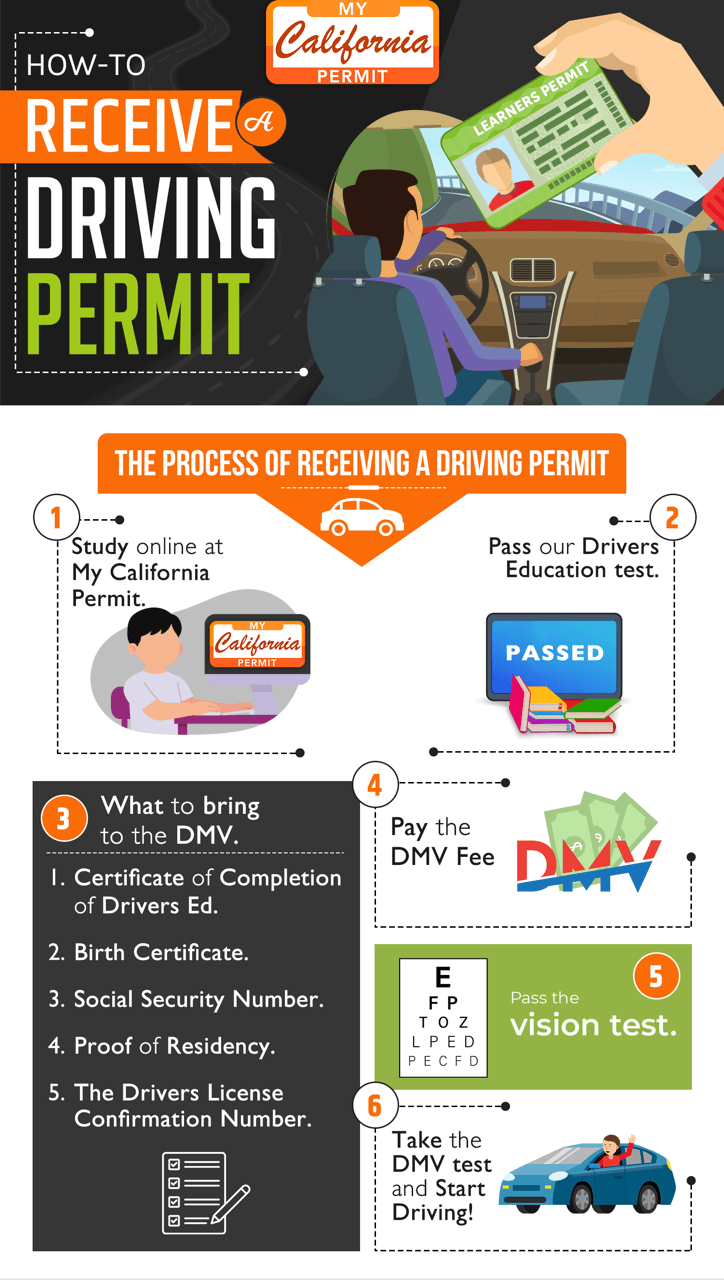
Navigating California’s Permit Landscape for Travelers
The sheer variety of landscapes and activities in California means there isn’t a single “permit” that covers everything. Instead, permits are typically specific to the activity, the location, and sometimes even the season. Understanding this landscape is the first step toward a well-planned and compliant trip.
Understanding the “Why” Behind Permits
At its core, the permit system serves several vital purposes. Firstly, it’s about conservation and resource protection. Many of California’s most stunning natural areas, such as Yosemite National Park or the redwood groves, are delicate ecosystems that can be easily damaged by overuse. Permits often implement quotas, limiting the number of visitors in a given area at one time, thereby reducing human impact on trails, water sources, and wildlife. This ensures these treasured places remain pristine for future generations.
Secondly, permits contribute to visitor safety. By registering your plans, especially for backcountry excursions, park rangers and land managers have a record of who is where, which can be invaluable in search and rescue operations. Some permits also require visitors to be aware of and adhere to specific safety regulations, such as food storage in bear country or fire restrictions during dry seasons.
Thirdly, permits often generate revenue that is directly reinvested into the maintenance and improvement of trails, campsites, facilities, and educational programs. This helps sustain the very infrastructure that makes these outdoor experiences possible. By understanding these reasons, travelers can view permits not as an inconvenience but as a shared responsibility in preserving California’s natural heritage.
Key Resources and Official Websites
The primary authorities for issuing permits in California are federal and state agencies. Familiarity with their respective websites is crucial:
- National Park Service (NPS): Manages all national parks, including Yosemite National Park, Sequoia National Park, Kings Canyon National Park, Joshua Tree National Park, and Death Valley National Park. Their individual park websites are the go-to for specific permit information.
- U.S. Forest Service (USFS): Oversees national forests like Inyo National Forest, Tahoe National Forest, and others. Their sites provide details on wilderness permits, campfire permits, and more.
- California State Parks: Manages the extensive network of California State Parks, such as Anza-Borrego Desert State Park and many coastal parks. Permit requirements here are often for camping or specific activities.
- California Department of Fish and Wildlife (CDFW): This is your source for fishing and hunting licenses, as well as regulations concerning wildlife.
- Bureau of Land Management (BLM): Manages vast tracts of public lands, particularly in the desert regions. Permits for dispersed camping or certain recreational activities may be required.
Always start your permit research with the official website of the specific park, forest, or agency responsible for the area you plan to visit. Their sites will have the most up-to-date information on application processes, deadlines, fees, and specific regulations.
Essential Permits for Outdoor Adventures
For most visitors looking to immerse themselves in California’s natural beauty, the following types of permits are the most common and important to understand.
Wilderness and Backcountry Permits: Your Gateway to Nature
These are perhaps the most frequently sought-after permits for adventurous travelers. If your plans involve spending a night (or more) in the wilderness, outside of a developed campground, you will almost certainly need a wilderness permit. These permits are crucial for managing impact on fragile ecosystems and ensuring a safe experience for all.
- National Parks: Popular parks like Yosemite National Park, Sequoia National Park, and Kings Canyon National Park all require wilderness permits for overnight stays in their backcountry. For highly sought-after trails, such as the John Muir Trail or portions of the Pacific Crest Trail, permits are often allocated through a competitive lottery system far in advance of the hiking season. Day-use permits might also be required for specific popular trails, like the cables to Half Dome in Yosemite.
- Application Process: Most applications are submitted online through recreation.gov or the individual park’s website. Lotteries typically run months in advance (e.g., Yosemite wilderness permits often open up to 168 days in advance, with a lottery for peak season dates).
- Quota System: Many trailheads have daily quotas to limit the number of people entering the backcountry, especially during peak summer months.
- Walk-up Permits: A small percentage of permits might be held for walk-up visitors, but relying on these during popular times is risky. Arrive early to ranger stations for the best chance.
- National Forests: Wilderness permits are also required for overnight stays in designated wilderness areas within national forests, such as the Inyo National Forest which borders Yosemite and provides access to trails like Mount Whitney. The application process is similar to national parks, often managed through recreation.gov or the specific forest’s permit portal.
Key Tip: Always specify your entry and exit trailheads, dates, and group size. Be prepared with alternative plans if your first choice is unavailable. Flexibility is your friend!
Fishing and Hunting Licenses: Respecting Wildlife
For those seeking to cast a line in California’s abundant lakes, rivers, or the Pacific Ocean, a fishing license is mandatory. This applies to both residents and non-residents, and there are different types of licenses depending on your age and the duration of your trip (e.g., annual, one-day, two-day).
- How to Obtain: Fishing licenses can be purchased online through the California Department of Fish and Wildlife website, at authorized retail agents (like tackle shops or sporting goods stores), or at CDFW license sales offices.
- Regulations: Beyond the license, be sure to understand fishing regulations for your specific location, including catch limits, species restrictions, and seasonal closures. A valid fishing license does not grant permission to fish on private property without permission.
- Hunting: Hunting in California also requires specific licenses and tags, which are considerably more complex and regulated than fishing licenses. This typically involves hunter education courses and a detailed understanding of hunting zones and seasons.
Campfire and Wood Gathering Permits: Safety First
Fire is a constant concern in California’s dry climate, especially during the summer and fall months. To prevent devastating wildfires, both the U.S. Forest Service and California State Parks, along with other agencies, often require a campfire permit (also known as a California Campfire Permit or a fire permit) for any open flame outside of developed campgrounds. This includes campfires, portable gas stoves, and even barbecues.
- How to Obtain: These permits are generally free and can often be obtained online through the U.S. Forest Service website or at any National Park Service or U.S. Forest Service office, including visitor centers. The process usually involves reviewing fire safety regulations.
- Fire Restrictions: Crucially, a campfire permit does not supersede fire restrictions. During periods of high fire danger, all fires (including gas stoves) may be prohibited, even with a permit. Always check the current fire restrictions for your specific area before lighting any flame.
- Wood Gathering: If you plan to gather firewood, a separate permit for woodcutting or gathering might be required from the managing agency, often with specific rules on what can be collected.
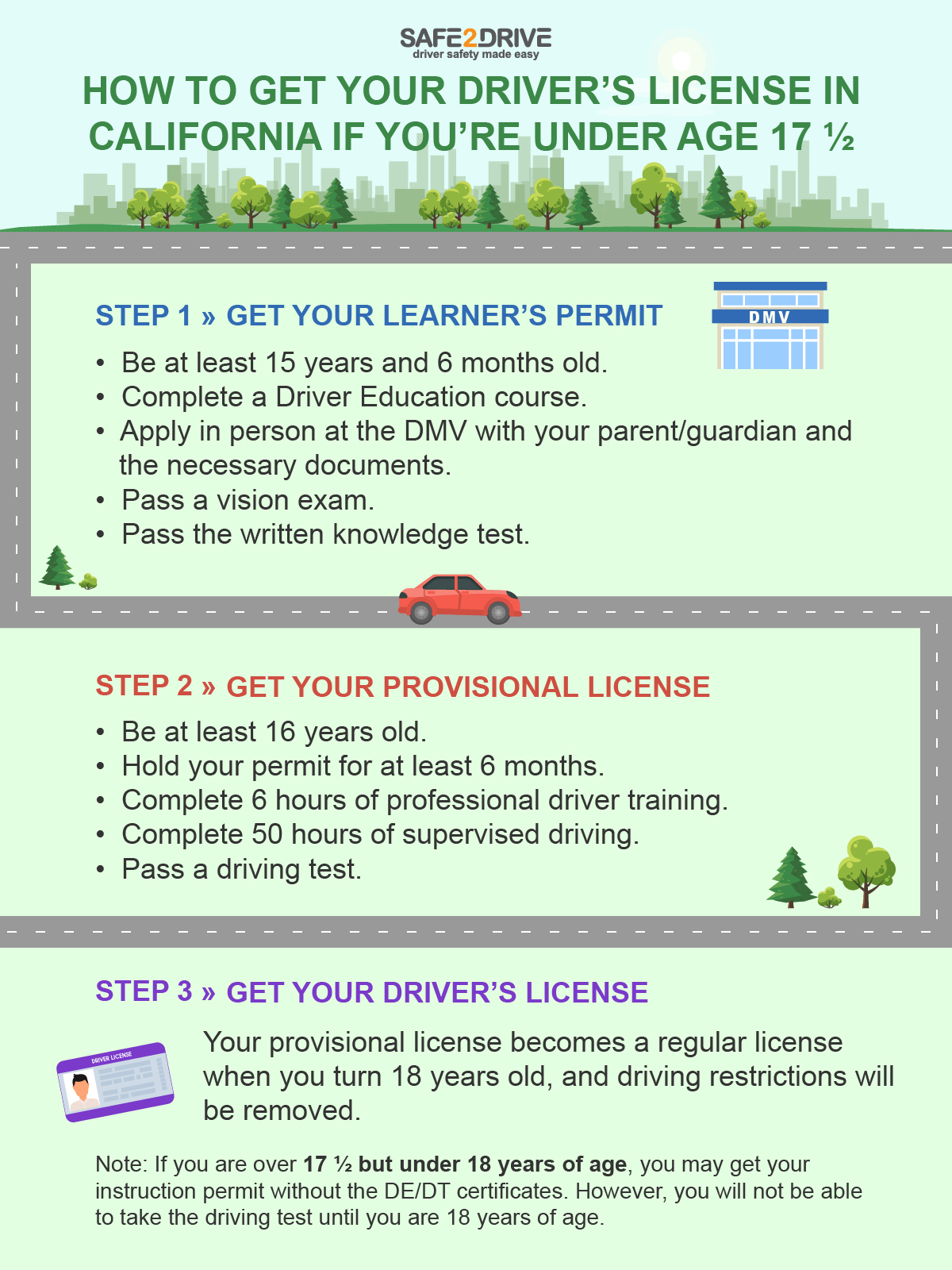
Permits for Specific Activities and Unique Experiences
Beyond the common permits for camping and fishing, California offers a range of specialized permits for niche activities or commercial ventures.
Boating and Water Sport Regulations
While general boating on public waterways doesn’t always require a specific permit from the state, certain lakes, reservoirs, or protected marine areas might have their own regulations, inspection requirements, or launch fees. For instance, to prevent the spread of invasive species, many lakes, especially those managed by local water districts or the U.S. Forest Service around Lake Tahoe or the Eastern Sierra, require mandatory boat inspections and potentially a permit/sticker.
- Personal Watercraft (PWC): Operators of personal watercraft (jet skis, etc.) are subject to age restrictions and may need to complete a boater safety course.
- Marine Protected Areas (MPAs): If you’re engaging in activities like diving, kayaking, or fishing within one of California’s Marine Protected Areas along the coast (e.g., around Big Sur or Point Reyes National Seashore), be aware of highly specific regulations on what activities are allowed and where. No-take zones, for example, strictly prohibit the removal of any marine life.
Off-Highway Vehicle (OHV) Permits
California boasts extensive opportunities for off-highway vehicle (OHV) recreation, from sand dunes near Palm Springs to desert trails. If you plan to ride an ATV, dirt bike, or other OHV on designated public lands, you’ll need an OHV “Green Sticker” or “Red Sticker” issued by the California Department of Parks and Recreation.
- Green Sticker: Allows operation on public lands year-round.
- Red Sticker: Restricts usage to specific seasons due to air quality concerns.
- Where to Obtain: These stickers are purchased through the California Department of Motor Vehicles (DMV) or authorized dealers.
- Safety: Always adhere to safety guidelines, wear appropriate gear, and respect marked trails to prevent environmental damage and ensure your safety.
Special Use Permits for Events or Commercial Activities
While less common for the average tourist, if you’re planning a large group gathering, a commercial filming project, or guiding a tour in a protected area, you will likely need a special use permit. These are highly specific and vary greatly by agency and location.
- Commercial Filming/Photography: Professional photographers or filmmakers working in national parks or forests require permits, which involve fees and specific guidelines to protect resources and minimize disruption.
- Events: Organized races, weddings, or large group events in public spaces may require a permit from the managing agency or local municipality (e.g., a city park permit for a large picnic in Sacramento).
- Research: Scientific researchers often need permits to conduct studies within protected areas.
Staying Compliant and Enjoying Your California Journey
The key to a stress-free and enjoyable trip to California is meticulous planning and respect for the rules designed to protect its natural treasures.
Planning Ahead: Application Deadlines and Fees
Many permits, especially for popular wilderness areas or during peak season, operate on a quota or lottery system with strict application windows that can open months in advance. Missing these deadlines can mean missing out on your desired adventure.
- Research Early: As soon as you have a general idea of where and when you want to travel, start researching permit requirements and application dates.
- Be Flexible: Have backup dates or alternative destinations in mind, especially for competitive permits.
- Fees: Most permits involve a non-refundable application fee, and sometimes additional per-person or per-night fees. Factor these into your travel budget.
Digital vs. Physical Permits
While many permit applications are now done online, it’s crucial to understand whether you need a physical copy or if a digital version on your phone is acceptable.
- Print and Carry: For wilderness and campfire permits, it’s often best practice to print a physical copy and carry it with you. Signal can be unreliable in remote areas, and rangers might ask to see your permit.
- Digital Acceptance: Some permits, particularly for fishing licenses, might be perfectly fine to display on a mobile device, but always confirm the specific agency’s policy.
Consequences of Non-Compliance
Operating without the required permits or violating permit conditions can lead to serious consequences. These may include:
- Fines: Significant monetary penalties can be issued for permit violations.
- Eviction: You may be asked to leave the area immediately.
- Legal Action: In severe cases, especially those involving resource damage or safety violations, legal action could be pursued.
- Reputational Damage: Beyond legal repercussions, non-compliance contributes to the degradation of natural areas and tarnishes the reputation of responsible outdoor enthusiasts.
It’s always better to over-prepare and ensure you have all necessary documentation than to face penalties and disrupt your trip.
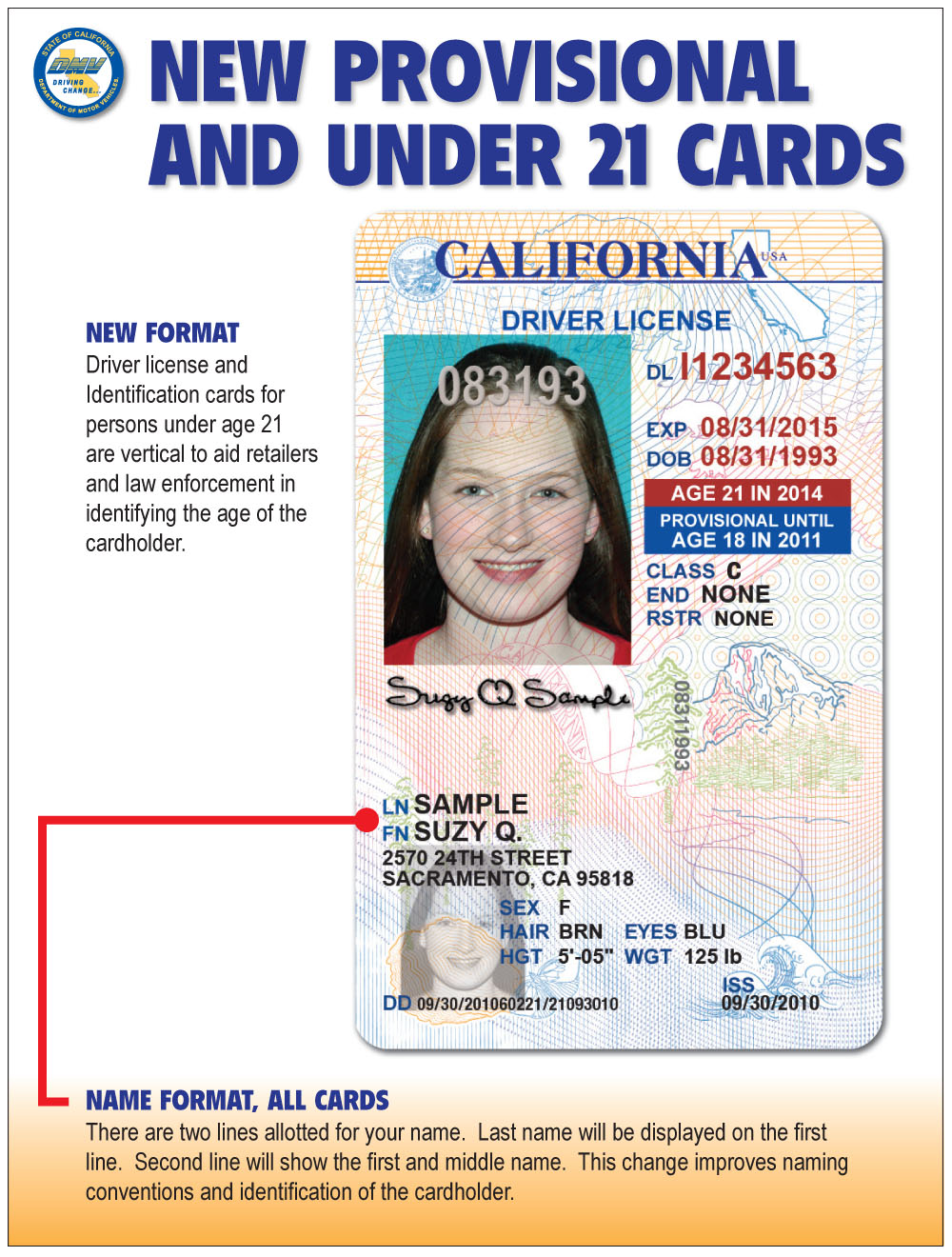
General Tips for a Smooth Experience
- Check Conditions: Before heading out, always check current weather forecasts, road conditions, fire restrictions, and any specific alerts or closures for your destination.
- Leave No Trace: Follow the seven principles of Leave No Trace. Pack out everything you pack in, stay on marked trails, respect wildlife, and minimize campfire impacts.
- Educate Yourself: Beyond permits, understand the specific rules of the area you are visiting. This could include food storage requirements, restrictions on drones, or pet regulations.
- Stay Hydrated and Prepared: California’s diverse climate means conditions can change rapidly. Always carry enough water, appropriate gear for varying weather, and a first-aid kit.
Getting a permit in California is an integral part of responsible and enjoyable travel, especially when venturing into its incredible natural landscapes. By understanding the types of permits available, knowing where to apply, and planning ahead, you can ensure your California adventure is not only unforgettable but also contributes to the preservation of its breathtaking beauty for generations to come. Happy travels!
LifeOutOfTheBox is a participant in the Amazon Services LLC Associates Program, an affiliate advertising program designed to provide a means for sites to earn advertising fees by advertising and linking to Amazon.com. Amazon, the Amazon logo, AmazonSupply, and the AmazonSupply logo are trademarks of Amazon.com, Inc. or its affiliates. As an Amazon Associate we earn affiliate commissions from qualifying purchases.