
For enthusiasts of rock music and cultural explorers alike, few musical moments resonate with the enduring power and mystique of the guitar solos in the Eagles’ seminal track, “Hotel California.” More than just a song, it’s a sonic landmark, an auditory destination that transports listeners to a place brimming with allure, excess, and an underlying sense of unease. Much like visiting an iconic Los Angeles hotel or wandering the storied streets of Hollywood, experiencing these solos is an immersive journey. They stand as a testament to musical craftsmanship, storytelling without words, and an indelible part of the global cultural tapestry.
The song itself, released in 1976, quickly became a chart-topping phenomenon, ascending to the number one spot on the Billboard Hot 100 and earning a Grammy Award for Record of the Year in 1978. It’s not merely its commercial success, however, that cements its legendary status. The intricate, almost conversational dual guitar work performed by Don Felder and Joe Walsh at the song’s climax is what truly elevates “Hotel California” from a hit single to an undisputed masterpiece. These solos are more than just a flourish; they are the narrative’s emotional crescendo, capturing the bittersweet essence of the song’s lyrical themes and solidifying its place in the Rock and Roll Hall of Fame.
The Anatomy of a Masterpiece: Crafting Musical Immersion
To understand the enduring allure of the “Hotel California” guitar solos, one must first appreciate the meticulous artistry and collaborative genius that brought them to life. The Eagles were a band renowned for their polished sound and exceptional musicianship, and this track represents the zenith of their collective talents. The solos are a masterclass in arrangement, a delicate balance of structure and improvisation that creates a deeply immersive sonic experience, much like walking through a meticulously designed resort that seamlessly blends natural beauty with architectural innovation.
The Synergy of Felder and Walsh‘s Genius
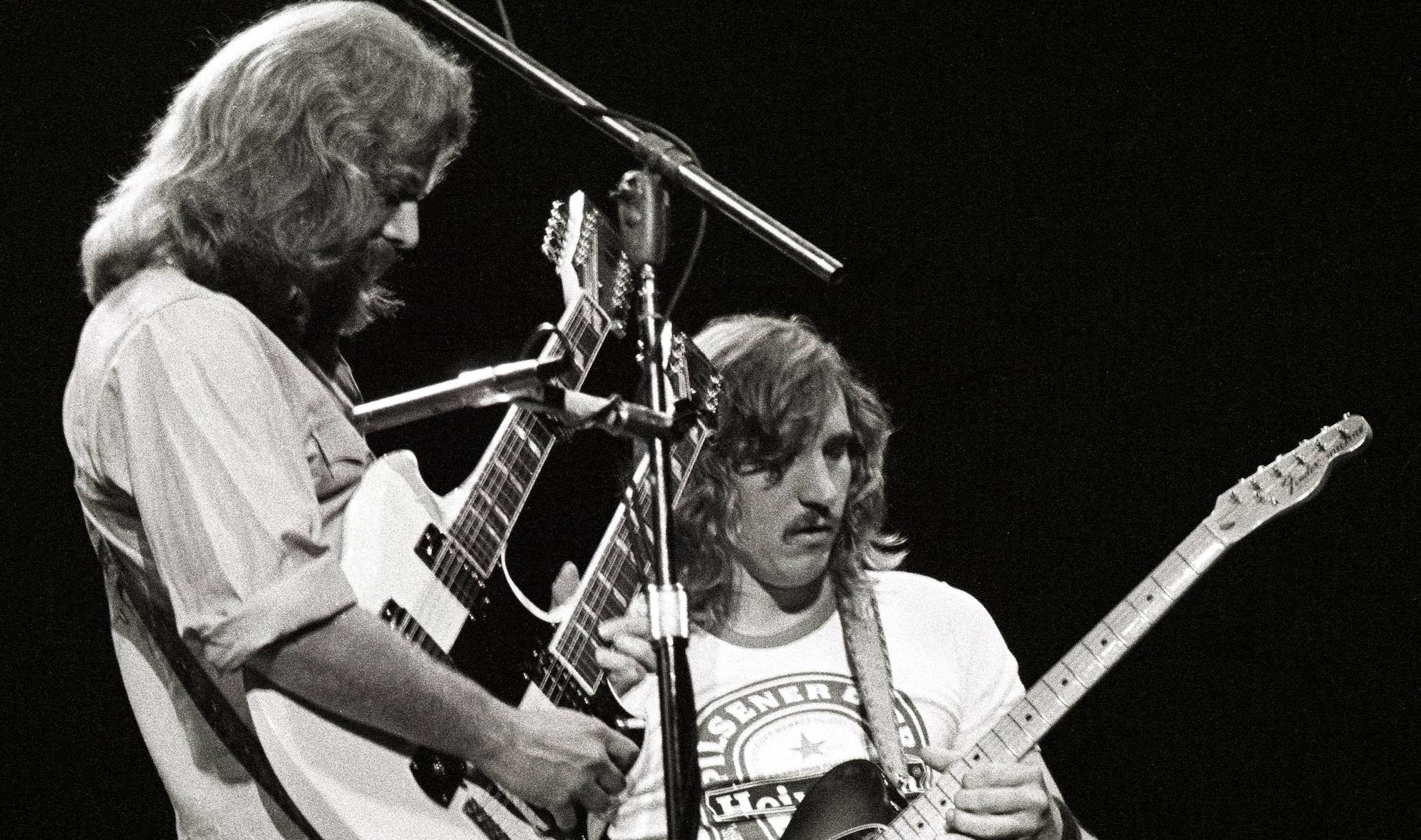
The iconic guitar solos are a collaborative effort between two distinct yet complementary guitarists: Don Felder and Joe Walsh. Felder, who co-wrote the music for the song, laid down the foundational, more melodic and structured lines. His approach was precise, elegant, and infused with a classically trained sense of harmony. He built the framework, providing the soaring, memorable melodies that intertwine throughout the extended outro. These are the lines that often first capture a listener’s ear, establishing a sense of grandeur and a melancholic beauty.
In contrast, Joe Walsh, who joined the Eagles shortly before the recording of the album, brought his signature loose, improvisational, and blues-infused style. Walsh’s contribution is characterized by its raw emotion, unexpected bends, and a slightly unhinged quality that perfectly embodies the song’s unsettling undertones. His playing provides a gritty counterpoint to Felder’s pristine lines, adding a layer of controlled chaos and rock ‘n’ roll edge. The magic lies in how these two contrasting styles don’t clash but rather engage in a thrilling musical dialogue, each player completing the other’s phrases, building tension, and ultimately culminating in a breathtaking unison harmony. It’s an auditory equivalent of a perfect travel itinerary, blending planned excursions with spontaneous discoveries, leading to an unforgettable experience.

Harmonic Complexity and Emotional Resonance
Beyond the individual contributions, the harmonic complexity of the solos is staggering, yet presented in a way that remains incredibly accessible and deeply moving. The solos are played over a chord progression (Bm–F#7–A–E–G–D–Em–F#7) that evokes a sense of flamenco and Latin influence, instantly transporting the listener to a sun-drenched, slightly exotic locale, perhaps reminiscent of a luxurious resort on the Mexican coast or a hidden gem in Southern California. This progression is not standard rock fare; it’s sophisticated and lends itself perfectly to the narrative’s enigmatic atmosphere.
The interplay between the two guitars involves intricate harmonies, counter-melodies, and call-and-response passages that showcase the band’s profound understanding of musical theory and arrangement. The solos build gradually, starting with individual expressions before merging into synchronized twin-guitar harmonies that are both exhilarating and haunting. This build-up mirrors the song’s lyrical journey—an initial welcoming warmth giving way to a chilling realization. The emotional arc of the solos, from seductive invitation to trapped desperation, is a masterclass in musical storytelling. It’s akin to exploring a grand historical landmark; you’re drawn in by its initial beauty, only to uncover layers of history and meaning that evoke a profound emotional response.
A Narrative Beyond Lyrics: The Solos as a Storyteller
The Hotel California solos do more than just impress technically; they serve as a critical extension of the song’s dark, enigmatic narrative. The lyrics, penned primarily by Don Henley and Glenn Frey, with musical contributions from Don Felder, paint a vivid picture of a luxurious yet insidious destination—a golden trap from which “you can check out any time you like, but you can never leave.” The solos brilliantly translate this lyrical ambiguity and sense of beautiful entrapment into pure sound.
Echoes of the California Dream and Its Shadows
The song, and particularly its iconic solos, is often interpreted as a commentary on the darker side of the California dream: the excessive materialism, spiritual emptiness, and self-indulgence that began to permeate the vibrant counterculture of the 1960s and 70s. California itself is often seen as a promised land, a destination for those seeking fame, fortune, or a new beginning. Much like exploring the glamorous yet sometimes superficial allure of places like Hollywood or the exclusive beaches of Malibu, the song captures the initial enchantment and eventual disillusionment.
The solos, with their initial grandeur and subsequent descent into a more urgent, almost frantic exchange, perfectly encapsulate this theme. They start with an inviting, almost celebratory tone, echoing the intoxicating promise of the golden state. As they progress, however, a sense of tension and unease builds, reflecting the realization that beneath the glossy surface lies something more sinister. The twin guitars engage in a struggle, a push and pull that symbolizes the internal conflict between succumbing to the allure and fighting for freedom. This musical journey is a stark reminder that not all glittering attractions offer true fulfillment, a cautionary tale woven into the fabric of the notes themselves. It’s an experience that transcends mere listening, much like a thoughtful tourist grappling with the complex history behind a beautiful facade.
The Solo as a Storytelling Climax
In the absence of lyrics, the guitar solos take on the role of the ultimate storyteller, providing the narrative’s climax. They don’t just accompany the words; they elaborate on them, adding layers of emotion and meaning that words alone could not convey. The extended outro allows the listener to fully immerse themselves in the unfolding drama, giving the instruments the space to narrate the struggle, the seduction, and the ultimate resignation depicted in the song.
The dialogue between Felder’s precise melodies and Walsh’s wild improvisations creates a vivid mental picture of the protagonist’s descent. One can almost visualize the shadowy corridors, the seductive whispers, and the growing sense of dread within the mysterious hotel. The final, soaring harmony, rather than offering a resolution, feels more like an acceptance of fate, a beautiful yet tragic surrender. This makes the solos not just an embellishment, but an indispensable narrative device, cementing the song’s status as a complete artistic statement. It’s a sonic landmark, drawing listeners into its depths as profoundly as a physical attraction like the Eiffel Tower draws visitors to Paris or the Colosseum to Rome—each offering a story etched in their very being.

Enduring Legacy and Cultural Impact: A Timeless Landmark
The iconic status of the “Hotel California” guitar solos extends far beyond their initial release, cementing their place as a timeless landmark in the landscape of popular music. They have transcended their original context to become a benchmark for musical excellence, a challenging yet rewarding piece for aspiring guitarists, and a symbol of a particular era’s cultural introspection. Their influence is pervasive, shaping perceptions and inspiring generations of musicians and listeners.
A Benchmark for Guitarists Worldwide
For countless guitarists across the globe, the “Hotel California” solos represent a rite of passage. Learning them, mastering the intricate harmonies and precise timing, is considered a significant achievement. Publications like Guitar World and Rolling Stone consistently rank them among the greatest guitar solos of all time, not just for their technical prowess but for their emotional depth and narrative power. From local music schools in North America to bustling academies in Europe and beyond, instructors use these solos to teach harmony, phrasing, dynamics, and the art of musical conversation.
The solos are often cited in discussions about what constitutes a truly “iconic” musical moment – a piece that is instantly recognizable, emotionally resonant, and technically brilliant. Their continued presence in guitar magazines, “greatest solos” lists, and countless cover band repertoires underscores their lasting relevance. They are a universal language among guitar players, a shared experience that connects musicians across cultures and continents, much like a renowned travel guide connects explorers to must-see destinations.
The Song’s Place in Travel and Lifestyle Culture
Beyond the realm of pure music, the “Hotel California” solos, and the song as a whole, have subtly woven themselves into the fabric of travel and lifestyle culture. The very title evokes images of luxurious accommodations, enticing destinations, and the quintessential California experience. For many, the song’s mystique contributes to the allure of visiting the West Coast, imagining the opulent, yet perhaps slightly eerie, hotels that might have inspired its narrative. It’s an auditory guidebook to a certain facet of California living—the glamorous, the excessive, and the subtly foreboding.
The song resonates with themes of escapism, the search for paradise, and the unexpected consequences of luxury, themes that are deeply intertwined with travel and lifestyle choices. Whether one associates it with the vibrant nightlife of Las Vegas, the serene beaches of Florida, or the bustling streets of New York, the “Hotel California” experience has become a metaphor for places that promise much but demand a hidden cost. It influences how we perceive certain destinations, adding a layer of sophisticated narrative to the pursuit of leisure and exploration. This cultural impact transforms the solos from mere musical passages into an intrinsic part of the global narrative around travel, experiences, and the search for an ideal lifestyle.
In conclusion, the guitar solos of “Hotel California” are iconic not just for their technical brilliance or the combined genius of Don Felder and Joe Walsh, but for their profound ability to tell a story, evoke complex emotions, and mirror deeper cultural reflections. They stand as a timeless monument to musical artistry, a sonic destination that continues to captivate and challenge, proving that some landmarks are heard, not merely seen. Their legacy is firmly cemented, offering an enduring reminder of a moment when rock music achieved a unique blend of narrative power, emotional depth, and instrumental mastery that continues to resonate with travelers, music lovers, and cultural enthusiasts across the globe.
LifeOutOfTheBox is a participant in the Amazon Services LLC Associates Program, an affiliate advertising program designed to provide a means for sites to earn advertising fees by advertising and linking to Amazon.com. Amazon, the Amazon logo, AmazonSupply, and the AmazonSupply logo are trademarks of Amazon.com, Inc. or its affiliates. As an Amazon Associate we earn affiliate commissions from qualifying purchases.